Exploring the versatility of linen yarn in knitting patterns

When it comes to knitting, there are endless possibilities for the types of yarn and materials that can be used. One popular option among knitters is linen yarn. Linen yarn is known for its durability, breathability, and natural cooling properties, making it a great choice for warm weather garments and accessories.
Knitting with linen yarn can be a bit different than working with other types of yarn. It has less stretch and elasticity, so it can take some time to get used to. However, once you get the hang of it, knitting with linen yarn can be a rewarding and enjoyable experience.
One advantage of using linen yarn is that it creates a beautiful drape in finished projects. It has a natural stiffness that softens over time with wear and washing. This makes it perfect for knitting lightweight and flowing garments like summer tops, dresses, and shawls. The natural texture of the linen yarn also adds a unique and rustic look to the finished piece.
In addition to clothing, linen yarn can also be used to create beautiful home decor items. Linen dishcloths and towels are popular choices for knitters, as linen is naturally antibacterial and highly absorbent. Other options include linen pillow covers, throw blankets, and table runners, all of which add a touch of elegance and sophistication to any space.
Why choose linen yarn for knitting
Linen yarn is a popular choice for knitting because of its unique qualities and versatility. It is made from the flax plant, which gives the yarn a natural and organic feel. Linen yarn has a distinct texture that is both soft and durable, making it perfect for creating a wide range of knitting projects.
One of the main advantages of using linen yarn for knitting is its breathability. Linen fibers have natural moisture-wicking properties, allowing air to circulate and keeping the skin cool and dry. This makes linen yarn an excellent choice for summer garments such as tops, dresses, and lightweight sweaters.
Additionally, linen yarn has great strength and durability, making it ideal for knitting items that need to withstand regular use. Linen is known to become softer and more pliable with each wash, ensuring that your knitted creations will stand the test of time. Whether you’re making blankets, scarves, or home decor items, linen yarn will provide you with long-lasting and beautiful results.
Moreover, linen yarn is eco-friendly and sustainable. Flax plants require less water and pesticides compared to other crops, making linen a more environmentally friendly choice. By choosing linen yarn for knitting, you are supporting sustainable and ethical practices in the textile industry.
In summary, linen yarn is a top choice for knitting due to its unique texture, breathability, durability, and sustainability. Whether you’re a beginner or an experienced knitter, linen yarn will open up a world of possibilities for your projects, allowing you to create beautiful and long-lasting items.
Tips for working with linen yarn
Working with linen yarn can be a rewarding experience, as it creates beautifully textured and lightweight garments. However, linen yarn has some unique characteristics that can make it a bit challenging to work with. Here are some tips to help you make the most of your linen yarn projects:
1. Pre-washing
Linen yarn tends to soften and relax after washing, so it is recommended to pre-wash your yarn before starting your project. This will help to avoid any unexpected changes in texture and gauge after finishing your garment.
2. Tension and gauge
Due to its lack of elasticity, linen yarn does not bounce back like other yarns. It is important to carefully maintain your tension while knitting or crocheting to ensure consistent stitch sizes. Taking the time to make a gauge swatch before starting your project will help you achieve the desired fit.
3. Blocking
Blocking is essential when working with linen yarn. This process helps to even out your stitches and give the garment its final shape. Wet blocking is recommended for linen yarn, as it allows the fibers to relax and reshape.
4. Needle choice
Choosing the right needle size is important when working with linen yarn. Using smaller needles can help to control the yarn’s tendency to stretch and create a more even fabric. However, it is always a good idea to make a swatch and adjust your needle size accordingly.
5. Stitch patterns

Linen yarn can beautifully showcase stitch patterns and textures. Consider choosing patterns with simple lace or cable designs to highlight the yarn’s natural drape and texture. Avoid intricate stitch patterns that may get lost in the fabric.
By keeping these tips in mind, you can confidently work with linen yarn and create stunning garments that will be a joy to wear.
Stylish summer garments to make with linen yarn
Linen yarn is a great choice for summer garments due to its lightweight and breathable nature. It keeps you cool in hot weather and has a beautiful drape, making it perfect for creating stylish outfits for the summer season. Whether you’re an experienced knitter or just starting out, here are a few knitting patterns to try with linen yarn that will result in fashionable and comfortable garments.
1. Sleeveless Top
Create a chic and airy sleeveless top with linen yarn. The natural fibers of linen will give the top a beautiful textured look and feel. Choose a pattern with interesting stitch details or lace panels to add an extra touch of elegance. This versatile garment can be paired with skirts, shorts, or jeans, making it a staple piece for any summer wardrobe.
2. Open-Weave Cardigan
An open-weave cardigan made with linen yarn is the perfect layering piece for cool summer evenings or breezy beach days. The lightweight and breathable properties of linen make it an ideal choice for a cardigan that provides just the right amount of warmth without overheating. Opt for an open stitch pattern to create a beautiful drape and a stylish, relaxed fit.
3. Wide-Leg Pants
Elevate your summer wardrobe with a pair of wide-leg pants made from linen yarn. Linen’s natural crispness gives the pants structure, while its breathability keeps you cool and comfortable. Choose a pattern that highlights the luxurious drape of linen and pair it with a fitted top or a loose-fitting blouse for a chic and effortless look.
4. Beach Cover-Up
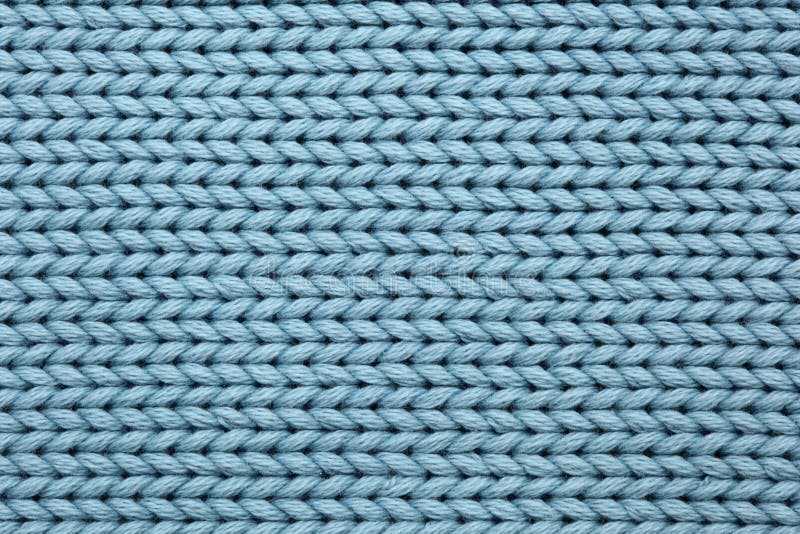
Get ready for your next beach getaway with a stylish linen yarn cover-up. Choose a pattern that combines easy and breezy stitches to create a lightweight garment that is perfect for throwing over your swimsuit. Whether you opt for a short or long design, the natural fibers of linen will provide the perfect balance of coverage and comfort.
These are just a few ideas for stylish summer garments to make with linen yarn. The versatility and breathability of linen make it an excellent choice for creating fashionable and comfortable pieces that will keep you looking and feeling cool all summer long. So, grab your needles and get ready to create your own unique and stylish summer wardrobe!
Knitting patterns for lightweight scarves and shawls
If you’re looking to knit lightweight scarves and shawls, linen yarn is an excellent choice. Linen is a natural fiber that is known for its strength and breathability, making it perfect for warm weather accessories. Plus, linen yarn has a beautiful drape that adds an elegant touch to any outfit. Whether you’re a beginner or an experienced knitter, here are some knitting patterns to try for lightweight scarves and shawls:
1. Lace Shawl
A lace shawl is a classic knitting project that can be made even more stunning with linen yarn. Choose a delicate lace pattern and watch as the linen yarn highlights the intricate details. The lightweight nature of the yarn will make the shawl comfortable to wear, even on a breezy summer evening.
2. Garter Stitch Scarf
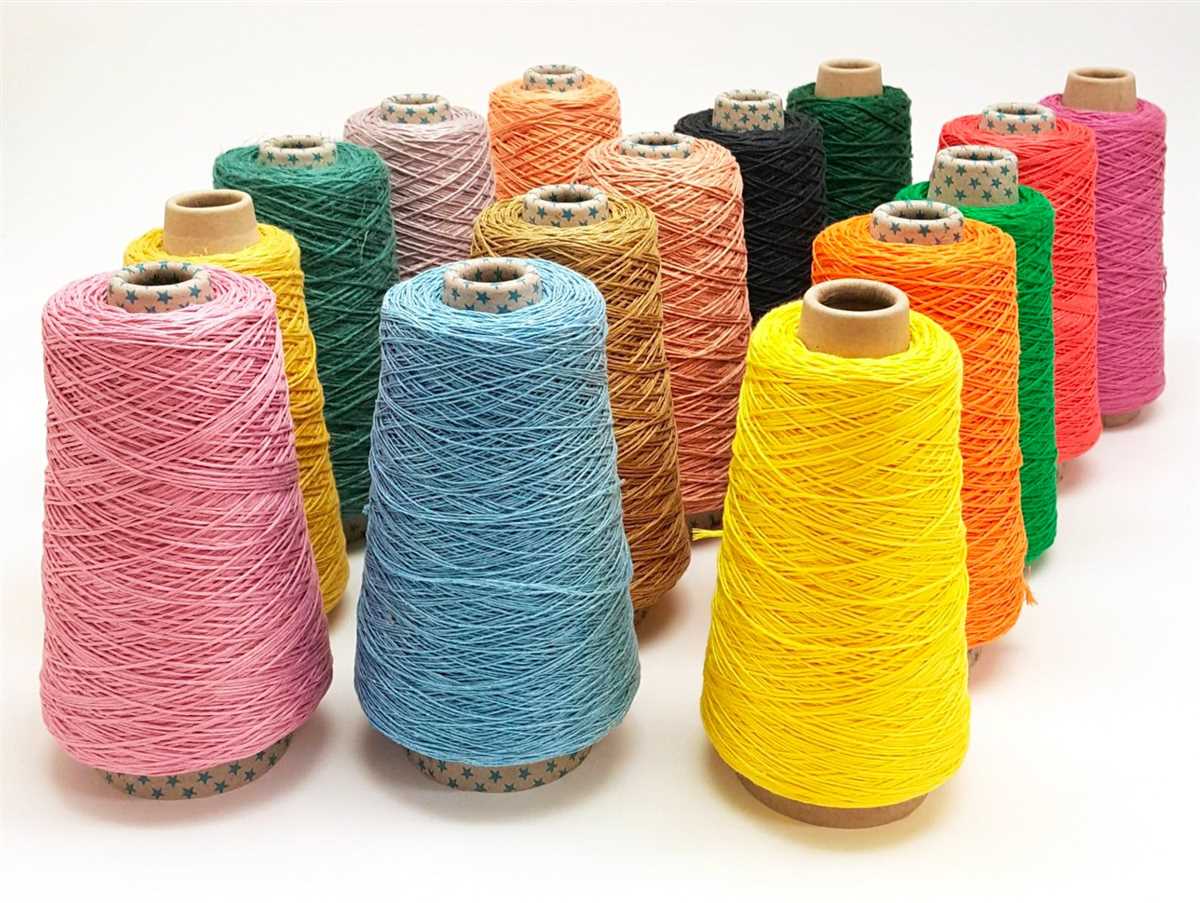
For a simple yet stylish scarf, try knitting a garter stitch scarf with linen yarn. The garter stitch creates a textured fabric that showcases the natural beauty of the linen yarn. This pattern is perfect for beginners and is a great way to practice your knitting skills.
3. Striped Wrap
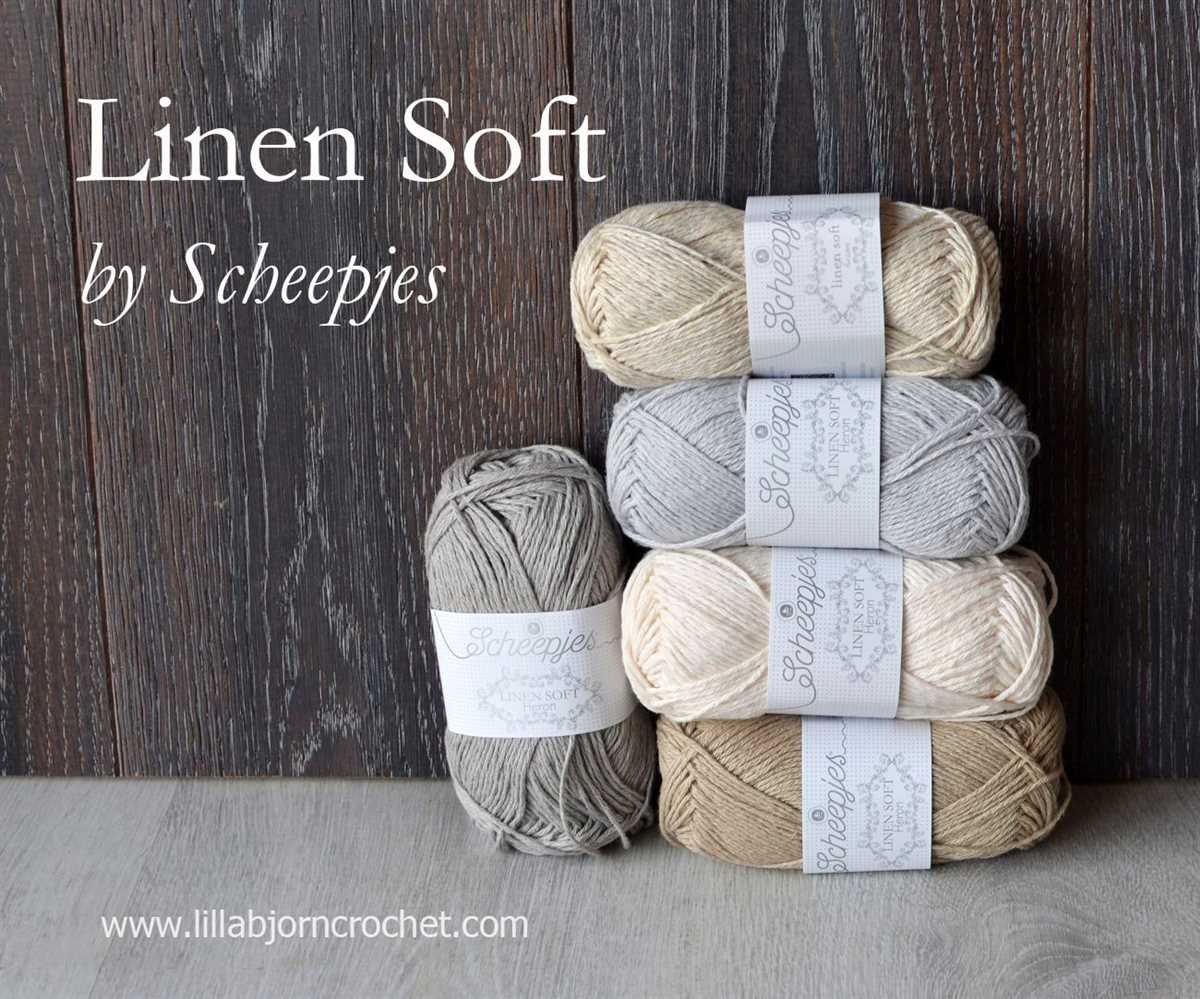
Add some color to your wardrobe with a striped wrap knitted with linen yarn. Choose two or more contrasting shades and alternate them in simple stripes. The lightweight nature of the linen yarn makes this wrap perfect for layering and adding a pop of color to any outfit.
4. Chevron Shawl
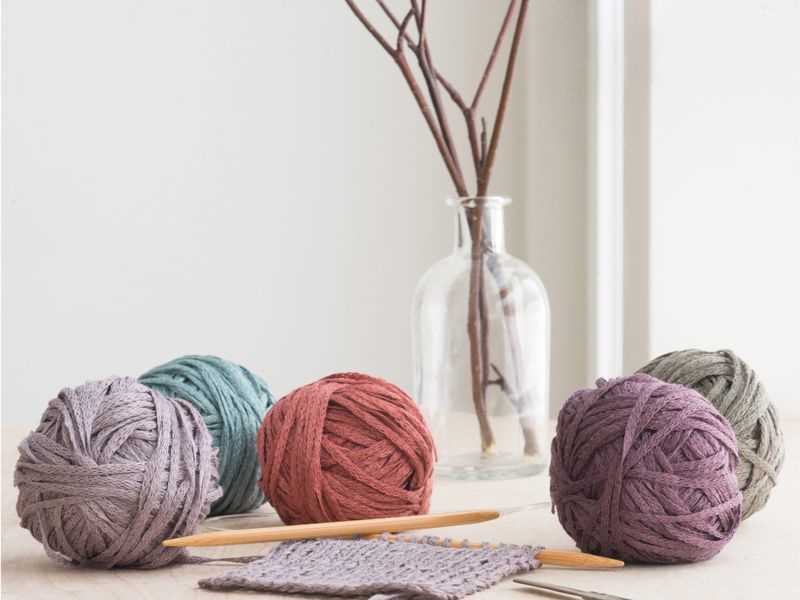
Create a bold statement piece with a chevron shawl knitted with linen yarn. The chevron pattern adds visual interest and the linen yarn adds a luxurious touch. This shawl is perfect for both casual and formal occasions and will be a standout accessory in your wardrobe.
With these knitting patterns, you can create beautiful and lightweight scarves and shawls using linen yarn. Whether you prefer delicate lace, simple garter stitch, or bold chevron patterns, there is a pattern out there for you. Start knitting and enjoy the process of creating your own unique accessories!
Linen yarn patterns for cozy home decor items
If you’re looking to add a touch of elegance and rustic charm to your home, linen yarn is the perfect choice for your knitting projects. Linen yarn is known for its durability, breathability, and beautiful drape, making it ideal for creating cozy home decor items that will stand the test of time.
One popular pattern for linen yarn is a knitted throw blanket. With its soft texture and lightweight feel, a linen yarn throw blanket is perfect for adding an extra layer of warmth and style to your living room or bedroom. You can choose from a variety of stitch patterns, such as lace or cables, to create a unique and eye-catching design. Whether you prefer a neutral color or a vibrant hue, linen yarn will give your throw blanket a luxurious and timeless look.
Knitted linen coasters
Another great pattern for linen yarn is knitted coasters. These small and practical items are perfect for protecting your furniture from coffee or tea stains, while adding a touch of style to your home decor. You can knit them in a variety of shapes and sizes, such as square, round, or hexagonal, and experiment with different stitch patterns to create a set that matches your personal taste. With their natural texture and subtle sheen, linen yarn coasters will add an elegant and sophisticated touch to any coffee table or dining area.
Linen yarn plant hangers
If you’re a fan of indoor plants, why not create a set of linen yarn plant hangers to display your greenery in style? These knitted hangers not only provide a beautiful way to hang your plants, but they also add a bohemian touch to your home decor. You can play with different patterns, such as macrame-inspired designs or simple braided knots, to create a unique and eye-catching look. The natural color and texture of linen yarn will complement any plant and bring a touch of nature into your living space.
Knitted accessories for warm weather with linen yarn
As the temperature rises, it’s time to switch to lighter and more breathable materials for our knitting projects. Linen yarn is the perfect choice for warm weather accessories due to its natural properties. The linen fibers are known for their ability to wick away moisture, keeping you cool and comfortable even on hot summer days.
One popular accessory to knit with linen yarn is a lightweight shawl. The open and airy texture of linen lace patterns is ideal for creating a breezy and elegant accessory. Whether you opt for a simple garter stitch shawl or a more intricate lace design, the drape of linen yarn will add a touch of sophistication to your outfit.
Accessories for the beach
- Sun hats: Knitting a sun hat with linen yarn not only provides sun protection but also allows your head to breathe. Choose a wide-brimmed style or a floppy hat for a trendy beach look.
- Beach bags: A knitted beach bag made with linen yarn is not only stylish but also durable. The linen fibers are strong and will hold up well to the wear and tear of a day at the beach.
- Beach cover-ups: For a chic and lightweight cover-up, consider knitting a lacy kimono or a beach tunic with linen yarn. The linen fibers will keep you cool while providing just the right amount of coverage.
Accessories for everyday wear
- Headbands: Keep your hair off your face and add a touch of style with a knitted linen headband. Choose a simple design or incorporate a lace pattern for an extra feminine touch.
- Bow ties: Linen yarn is not just for women’s accessories. Knit a stylish bow tie with linen yarn to add a dapper touch to any summer outfit.
- Bracelets: Add a pop of color to your wrist with knitted linen bracelets. Experiment with different stitch patterns and colors to create unique and fashionable accessories.
When knitting accessories for warm weather with linen yarn, it’s important to choose patterns that are lightweight and have an open texture. This will allow for maximum breathability and comfort. Additionally, linen yarn tends to soften and become even more comfortable with each wash, making it the perfect choice for items that will be in contact with the skin.
How to care for and wash linen yarn knits
When it comes to caring for and washing linen yarn knits, there are a few important things to keep in mind. Linen is a natural fiber that can be prone to shrinking and wrinkling, so it’s important to take proper care of your knits to ensure they last for a long time.
Handwashing is recommended: Due to its delicate nature, it’s best to handwash linen yarn knits rather than machine wash them. Fill a basin or sink with cool water and add a gentle detergent. Gently agitate the knits in the water for a few minutes, then rinse them thoroughly with cool water. Avoid wringing or twisting the knits, as this can cause damage. Instead, gently press out any excess water.
Drying flat is key: After washing, it’s important to reshape the knits and lay them flat to dry. Avoid using a clothes dryer, as the heat can cause the linen to shrink and lose its shape. Lay the knits on a clean towel or drying rack, making sure to smooth out any wrinkles and reshape them as necessary. Allow them to air dry completely before storing or wearing.
Ironing with caution: Linen yarn knits can benefit from a gentle ironing to remove wrinkles. However, it’s important to use a low heat setting and place a pressing cloth, such as a thin towel or cotton fabric, between the iron and the knits. This will help protect the linen yarn from direct heat, preventing it from getting scorched or damaged.
Proper storage: When storing linen yarn knits, it’s best to fold them rather than hang them, as hanging can stretch the fibers and cause them to lose their shape. Place the knits in a cool, dry place, away from direct sunlight, to prevent any discoloration or fading. If possible, store them in a breathable cotton or linen bag to protect them from dust and pests.
Regular maintenance: To keep your linen yarn knits looking their best, it’s important to periodically check for any loose threads or snags and repair them as needed. Avoid wearing your knits in rough or abrasive environments, as this can cause damage to the delicate fibers. Additionally, always follow the care instructions provided with your specific yarn to ensure proper care and maintenance.
Easy beginner patterns for knitting with linen yarn
If you’re a beginner knitter looking to try out a new type of yarn, linen yarn is a great choice. It’s lightweight, breathable, and perfect for summer projects. Here are a few easy patterns to get you started with knitting using linen yarn.
1. Linen Stitch Dishcloth
A dishcloth is a simple project that allows you to practice different stitches and techniques. The linen stitch creates a dense and textured fabric, making it ideal for washing dishes. This pattern is perfect for beginners as it only requires knit and purl stitches. You can experiment with different colors to add a pop of visual interest to your kitchen.
2. Linen Yarn Baby Blanket
For a larger project, try knitting a baby blanket using linen yarn. The lightweight and breathable nature of linen makes it an excellent choice for baby items. This pattern typically involves alternating garter stitch and stockinette stitch sections to create a textured and cozy blanket. It’s a great project to practice basic knitting skills and create a beautiful and practical gift for a little one.
3. Linen Yarn Slouchy Hat
If you want to make a stylish accessory, knitting a slouchy hat with linen yarn is a perfect choice. The drape and lightweight feel of linen create a relaxed and comfortable fit for a slouchy hat. This pattern typically involves knitting in the round and can incorporate different stitch patterns, such as ribbing or seed stitch, to add texture and visual interest.
These are just a few easy beginner patterns to get you started with knitting using linen yarn. Remember to practice your tension and take your time to create beautiful and functional projects with this versatile yarn.
Advanced Knitting Patterns for Experienced Knitters
For knitters who are experienced and looking for a challenge, advanced knitting patterns offer an opportunity to showcase their skills and create intricate and beautiful garments and accessories. These patterns often involve more complex stitch patterns, intricate lacework, or intricate colorwork. They require a solid understanding of knitting techniques, including reading charts, working with multiple colors, and executing complex stitch patterns.
Lacework: Lace knitting involves creating open and delicate designs using a combination of yarn overs, decreases, and intricate stitch patterns. Advanced lace patterns often feature complex motifs and require careful attention to detail. Knitters looking to challenge themselves can try knitting lace shawls, cardigans, or socks. These projects require patience and precision but result in stunning finished pieces.
Cables: Cable knitting is another advanced technique that creates beautiful and textured fabric with interlocking stitches. Advanced cable patterns often feature intricate cable motifs, twists, and even cables within cables. Knitting a cable sweater, hat, or scarf requires a strong understanding of cable techniques and the ability to keep track of multiple cable crossings.
Colorwork: Advanced colorwork patterns, such as fair isle or intarsia, involve incorporating multiple colors into a project to create intricate designs and patterns. Fair isle knitting typically uses two colors per row, while intarsia involves knitting separate fabric pieces in different colors and then joining them together. These patterns require excellent color management and the ability to work with multiple yarns at once.
Arans and Nordic Knits: Aran and Nordic knitting patterns are known for their textured and intricate designs, often featuring cables, twists, and patterns inspired by traditional knitting styles. These patterns can be challenging to execute but result in stunning sweaters, blankets, and accessories. By mastering advanced techniques, knitters can create timeless and heirloom-quality garments.
Complex Garments: Advanced knitters can also challenge themselves by knitting complex garments, such as tailored jackets, intricate dresses, or intricate socks. These projects often involve combining multiple techniques, including lacework, cables, colorwork, and different shaping methods. Knitters who enjoy a detailed and intricate knitting process will find these patterns rewarding and fulfilling.
Unique stitch patterns to try with linen yarn
When it comes to knitting with linen yarn, there are a variety of unique stitch patterns that can add texture and visual interest to your projects. Linen yarn has a natural, rustic look that pairs well with both simple and complex stitch patterns. Whether you’re a beginner or an experienced knitter, here are a few stitch patterns to try with linen yarn:
1. Seed Stitch
The seed stitch is a classic choice for any knitting project and works beautifully with linen yarn. This stitch pattern alternates knit and purl stitches to create a textured fabric that is visually appealing. The seed stitch is perfect for projects like scarves, hats, and even sweaters.
2. Linen Stitch
The linen stitch is another stitch pattern that complements the natural look of linen yarn. This pattern creates a woven-like fabric that has a beautiful drape. The linen stitch involves repeating a two-row pattern, making it easy to memorize and perfect for beginner knitters.
3. Lace Stitch
If you’re looking to add an elegant touch to your project, consider trying a lace stitch pattern with linen yarn. Lace stitches create delicate and intricate designs that showcase the beauty of the yarn. From airy shawls to delicate cardigans, there are endless possibilities for incorporating lace stitches into your linen yarn projects.
4. Cable Stitch
For an extra touch of texture, cable stitches work wonderfully with linen yarn. The natural strength and stiffness of linen yarn can help enhance the definition of cables, creating stunning patterns. Whether you’re knitting a cozy blanket or a warm sweater, incorporating cable stitches adds a unique and eye-catching element to your project.
Remember to swatch and experiment with different stitch patterns to see which ones work best with your linen yarn. The versatility of linen yarn allows for endless creativity, so don’t be afraid to try something new and unique!
Incorporating linen yarn into colorwork projects
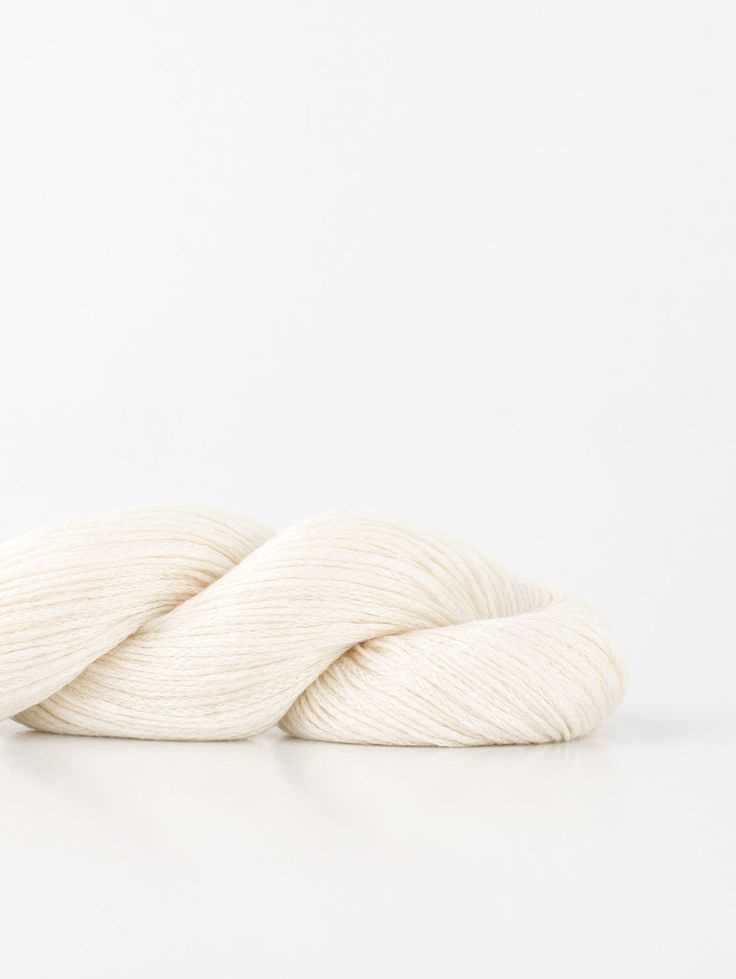
Adding linen yarn into colorwork projects is a great way to create unique and visually stunning pieces. The natural texture and drape of linen can add dimension and interest to any colorwork design. Here are a few ideas for incorporating linen yarn into your next colorwork project:
1. Linen accents:
Using linen yarn as an accent color in your colorwork design can create a beautiful contrast and highlight specific parts of your pattern. You can choose to use linen for smaller details such as borders or motifs, or you can use it for larger sections to make a bolder statement. The natural colors and subtle sheen of linen can enhance the overall look of your colorwork project.
2. Linen background:
Instead of using linen yarn as an accent, you can also use it as the main color or background in your colorwork design. This can create a more muted and sophisticated look, as well as add a touch of texture to your project. Pairing linen with other yarns, such as wool or cotton, can create an interesting contrast in both texture and color.
3. Linen colorwork:
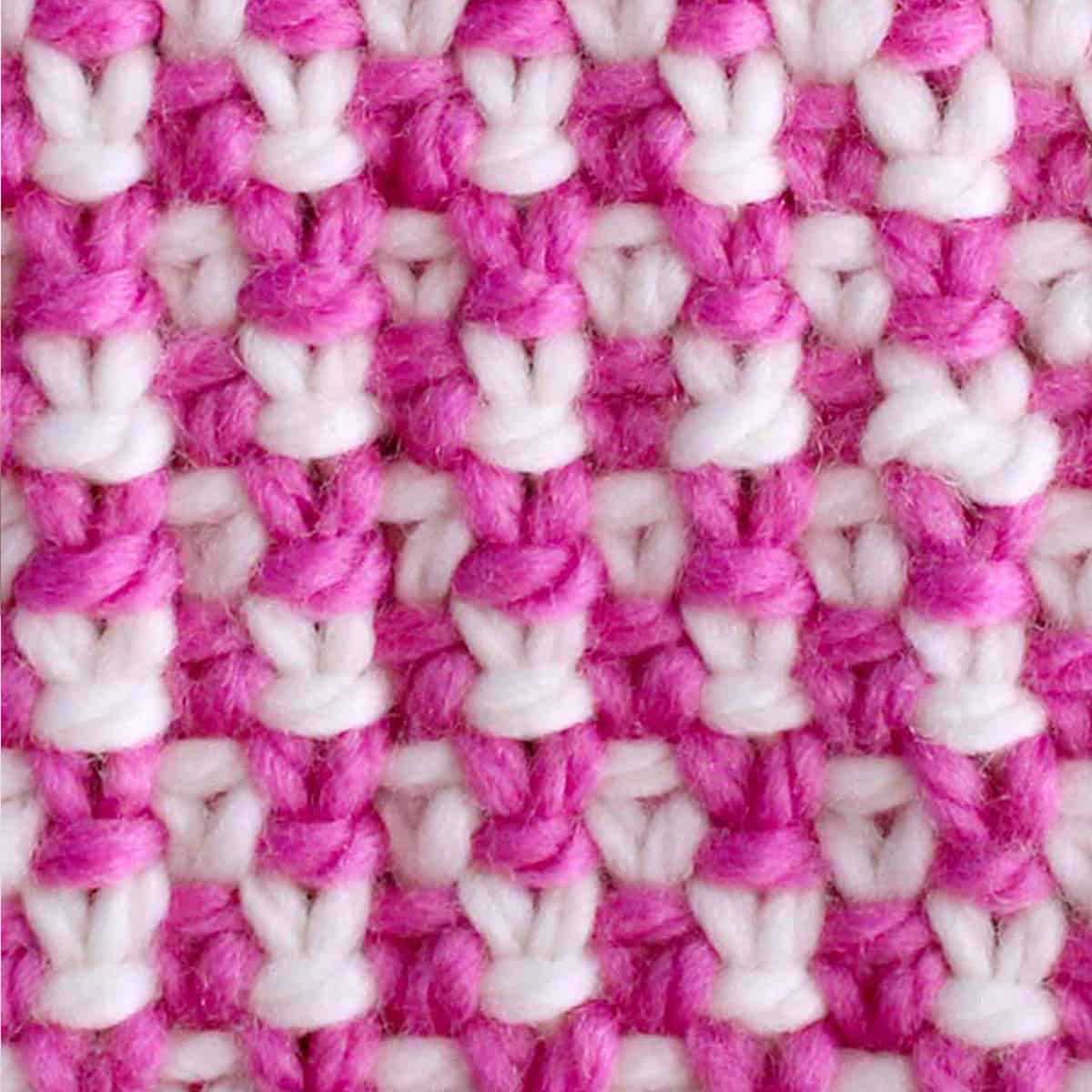
Linen yarn can also be used as one of the colors in your colorwork pattern. Its unique texture and drape can add an extra dimension to your colorwork design, giving it a more organic and relaxed feel. Whether you choose to use linen as the main color or as an accent, it can bring a fresh and modern twist to your colorwork projects.
Overall, incorporating linen yarn into colorwork projects allows for endless creative possibilities. Whether you choose to use it as an accent, background, or as part of the colorwork design itself, linen can bring a unique and visually appealing element to your knitting projects.
Finishing techniques for linen yarn knits
Finishing techniques are essential to give your linen yarn knits a polished and professional look. Linen is a beautiful and versatile fiber, but it can be a bit challenging to work with due to its tendency to stretch and drape. However, with the right finishing techniques, you can enhance the beauty and longevity of your linen yarn projects.
Here are some recommended finishing techniques for your linen yarn knits:
Blocking:
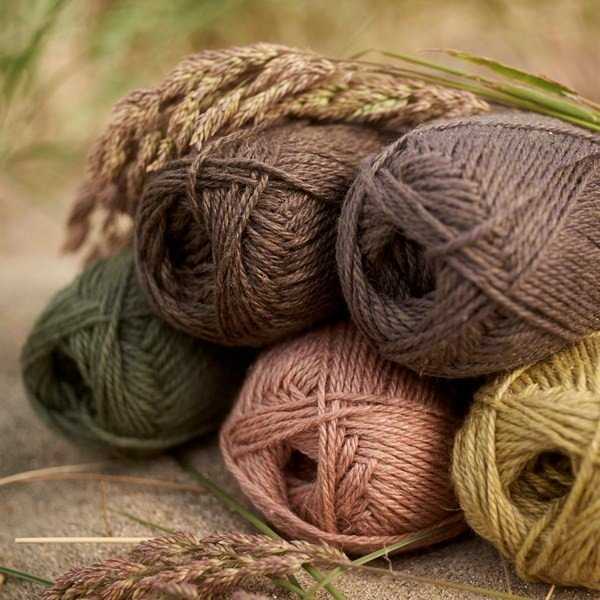
Blocking is the process of shaping and setting your knitted garment or accessory to its final desired size and shape. For linen yarn knits, blocking is especially important as it helps to even out the stitches, improve drape, and prevent excessive stretching. To block your linen yarn project, gently soak it in cool water with a mild detergent, squeeze out the excess water, and then shape it using blocking wires or T-pins. Allow it to dry completely before removing the pins or wires.
Seaming:
When it comes to seaming linen yarn knits, it is advisable to use a technique that creates a nearly invisible seam. The best option for linen yarn is the mattress stitch, which involves using a tapestry needle to join the edges of your knitted pieces together. This creates a smooth, flat seam that is barely noticeable. Take your time and sew with precision to achieve the best result.
Edging:
Adding an edging to your linen yarn knits can provide a clean and finished look. A simple garter stitch or a rolled stockinette edge can work well with linen yarn, enhancing its natural drape and texture. Alternatively, you can experiment with different edging patterns and stitches to add a touch of unique elegance to your project.
Weaving in ends:
Properly securing the ends of your linen yarn is crucial to prevent unraveling and ensure durability. When weaving in ends, it is recommended to use a tapestry needle and thread the yarn through several stitches in different directions to create a strong, secure anchor. Be cautious not to pull too tightly, as linen yarn is prone to stretching.
- Remember to read and follow the specific finishing instructions provided in your knitting pattern, as techniques may vary depending on the project.
- Consider using a swatch to test different finishing techniques before applying them to your main project.
- Always handle your linen yarn knits with care, as excessive pulling or stretching can cause the fibers to lose their shape.
With these finishing techniques, you can elevate your linen yarn knits to a new level of beauty and craftsmanship. Explore and experiment, and enjoy the process of creating stunning pieces with this unique and luxurious fiber.