Decoding Knitting Patterns: Understanding the Mystery of Brackets
Knitting patterns can sometimes feel like a secret code, with their abbreviations and symbols. One common symbol that can cause confusion for beginners is the use of brackets. Brackets are often found in knitting patterns to indicate a group of stitches that should be repeated a certain number of times. Understanding how to interpret these brackets can be the key to successfully following a pattern.
When you come across brackets in a knitting pattern, it’s important to pay close attention to what’s inside the brackets. This is because the instructions inside the brackets are meant to be repeated. For example, if you see a line that says “K2, (P1, K2) 4 times”, this means you should knit 2 stitches, then repeat the sequence of purling 1 stitch and knitting 2 stitches a total of 4 times.
Brackets can also be used to show different sizes or variations within a pattern. For example, a pattern for a sweater might include instructions like “Sizes: 2 (4, 6, 8)”. In this case, the numbers inside the brackets indicate the different sizes that the pattern is written for. You would choose the size that corresponds to your measurements and follow the instructions written specifically for that size.
While brackets can be helpful for understanding and following knitting patterns, it’s important to read the pattern instructions carefully to ensure you’re interpreting them correctly. If you’re ever unsure about what a set of brackets means, it’s always a good idea to consult a knitting resource or ask for help from more experienced knitters. With practice, you’ll become more comfortable deciphering the symbols and abbreviations found in knitting patterns, and be able to create beautiful projects with ease.
Understanding the significance of brackets in knitting patterns

In knitting patterns, brackets are often used to indicate a repeat of a specific set of instructions. They can be found within a single row or round, or they can span multiple rows or rounds. Understanding the significance of brackets is crucial for accurately following a knitting pattern and achieving the desired outcome.
Single-row or round repeats: When brackets are used within a single row or round, they usually indicate a set of stitches that should be repeated a certain number of times within that row or round. For example, a pattern might include the instructions “k2, [p1, k1] 5 times, p1, k2.” This means that after knitting the first two stitches, the sequence of purling one stitch and knitting one stitch within the brackets should be repeated five times before finishing the row or round.
Multiple-row or round repeats: Brackets can also be used to indicate a repeat that spans multiple rows or rounds. In this case, the instructions within the brackets should be repeated as a separate set of rows or rounds. For example, a pattern might include the instructions “Row 1: k1, [p2, k2] 5 times, p2, k1; Rows 2-4: Knit all stitches.” This means that Row 1 should be repeated as a set of instructions five times, and then Rows 2-4 should be worked as indicated.
Understanding the significance of brackets in knitting patterns is essential for following the instructions accurately and avoiding errors. It allows knitters to correctly repeat specific stitches or sequences and achieve the desired outcome. By paying attention to the placement and usage of brackets in knitting patterns, knitters can confidently navigate through complex instructions and create beautiful knit projects.
Interpreting the different symbols used within brackets in knitting patterns

Knitting patterns often use brackets to indicate different instructions or details for a particular section of the pattern. Understanding the symbols used within these brackets is crucial for successfully following the pattern and creating the desired end result.
1. Parentheses (): These are often used to group together instructions or calculations. For example, a pattern may instruct you to repeat a set of stitches within parentheses a certain number of times. This helps to ensure that you are repeating the correct sequence and maintaining the pattern’s design.
2. Square brackets []: These are commonly used to indicate a repeated sequence of stitches. For example, a pattern may instruct you to knit a certain number of stitches, then repeat a specific stitch pattern within square brackets a certain number of times. This helps to create consistency and rhythm within the overall design.
3. Curly braces {}: These are often used to enclose options or choices within a pattern. For example, a pattern may provide different options for neckline shaping or sleeve length, and these options will be enclosed within curly braces. This allows you to choose the option that best suits your preferences or needs.
It is important to carefully read and understand the symbols used within brackets in knitting patterns. These symbols provide important instructions and details that are necessary for successfully completing the pattern and achieving the desired outcome. By familiarizing yourself with these symbols and their meanings, you can confidently tackle any knitting pattern and create beautiful and unique knitted pieces.
Tips for using brackets effectively in knitting patterns

In knitting patterns, brackets are often used to indicate a specific set of instructions or to provide additional information. Understanding how to use brackets effectively can help you follow knitting patterns more easily and accurately. Here are some tips to keep in mind:
1. Understand the purpose of brackets
Brackets in knitting patterns can serve different purposes, such as indicating a repeat section, providing stitch counts, or offering alternative instructions for different sizes. It’s important to read the pattern instructions carefully to understand the specific purpose of the brackets in each case.
2. Pay attention to the content inside the brackets

The information inside the brackets is usually crucial for understanding and completing the pattern correctly. It may include specific stitch instructions, stitch counts, or notes about pattern variations. Make sure to carefully read and follow the instructions within the brackets to achieve the desired outcome.
3. Differentiate between parentheses and brackets
Although parentheses and brackets are both used in knitting patterns, they have different meanings. Parentheses are often used to indicate optional instructions or to show a set of stitches worked together. Brackets, on the other hand, usually indicate a repeat section or provide additional information. Knowing the difference between the two will help you differentiate and interpret the instructions correctly.
4. Use a highlighter or pencil to mark the brackets

When working through a knitting pattern, it can be helpful to mark the brackets with a highlighter or pencil. This visual cue will make it easier to distinguish the bracketed sections from the rest of the pattern and ensure that you don’t miss any important information or instructions.
5. Take note of any changes or variations within the brackets
Sometimes, knitting patterns will include variations for different sizes or design options within the brackets. Pay close attention to any changes or alternative instructions provided within the bracketed sections to ensure that you are following the correct instructions for your project.
By understanding the purpose of brackets, paying attention to their content, differentiating between parentheses and brackets, using visual cues to mark them, and taking note of any changes or variations within them, you can effectively utilize brackets in knitting patterns and successfully complete your knitting projects.
How brackets indicate repeats in knitting patterns

Brackets are a common element in knitting patterns that are used to indicate repeats. They provide a clear and concise way to communicate to the knitter that a specific set of instructions should be repeated multiple times within a row or round.
When brackets appear in a knitting pattern, they typically enclose a set of instructions that need to be repeated. For example, a pattern might include the instruction to “knit 1, purl 2” within brackets, followed by a number in parentheses. This would indicate that the knitter should knit 1, purl 2 and then repeat that sequence the number of times specified in the parentheses.
Brackets in knitting patterns help to reduce clutter and make the instructions easier to read and follow. They are particularly useful in complex or repetitive patterns, where repeating a specific set of instructions is necessary to achieve the desired design or stitch pattern.
It is important for knitters to pay attention to the instructions within the brackets and follow them carefully. The number of times a repeat should be made is often indicated within parentheses or as a separate instruction, so it is important to read the pattern carefully and understand the specific requirements for each repeat.
In summary, brackets in knitting patterns play a crucial role in indicating repeats. They help to streamline the instructions and make them easier to follow, particularly in complex or repetitive patterns. Knitters should pay close attention to the instructions within the brackets and ensure they understand the number of times a repeat should be made.
Using brackets to create pattern variations in knitting
Brackets are often used in knitting patterns to indicate variations or options within a certain part of the pattern. They provide a way for knitters to customize their project and create different looks or sizes. By following the instructions inside the brackets, knitters can create unique designs that suit their preferences.
When using brackets in knitting patterns, the instructions inside the brackets are usually repeated a certain number of times or based on certain measurements. For example, a pattern may include instructions such as “knit 2 stitches, (purl 2 stitches, knit 3 stitches) 5 times, knit 2 stitches.” In this case, the knitter would repeat the sequence inside the brackets (purl 2 stitches, knit 3 stitches) a total of 5 times, and then continue with the instructions outside the brackets.
Brackets can also be used to indicate different sizes or options in a pattern. For instance, a pattern may include sizes small (medium, large) in the instructions, with the specific measurements or stitch counts provided for each size. This allows knitters to easily adapt the pattern to fit different body types or preferences.
Using brackets in knitting patterns not only adds flexibility to the design process but also allows knitters to explore their creativity. By experimenting with different stitch patterns or sizes within the brackets, knitters can create unique and personalized garments or accessories. Whether it’s adding a lace panel, a colorwork pattern, or adjusting the size, brackets in knitting patterns provide a versatile tool for customization.
Common mistakes to avoid when working with brackets in knitting patterns
Working with brackets in knitting patterns can be confusing, especially for beginners. It’s important to understand the proper usage of brackets to avoid common mistakes that can impact the overall outcome of your knitting project.
1. Misinterpreting bracket instructions: One of the most common mistakes is misinterpreting the instructions within the brackets. It’s crucial to carefully read and understand what the pattern is asking for within the brackets, as this can affect the stitch count, stitch pattern, or other important details.
2. Ignoring the number of repeats: Brackets are often used to indicate a repeat section in a knitting pattern. It’s essential to pay attention to the number of times the instructions within the brackets need to be repeated. Ignoring or miscounting the number of repeats can result in an uneven or incorrect stitch pattern.
3. Forgetting to close the brackets: Another common mistake is forgetting to close the brackets properly. Failing to close the brackets can lead to confusion and inaccurate stitch counts, especially if there are multiple brackets involved in the pattern. Always make sure to close the brackets properly to maintain the integrity of the pattern.
4. Not using stitch markers: When working with brackets, it can be helpful to use stitch markers to indicate the beginning and end of the repeat section. This can make it easier to keep track of where to start and stop each repeat, ensuring that you’re following the pattern correctly.
5. Skipping necessary stitches: Brackets in knitting patterns often indicate a group of stitches that need to be worked together or repeated. It’s important not to skip any stitches within the brackets if the pattern instructs otherwise. Skipping stitches can affect the overall structure and appearance of the finished project.
6. Not checking for errata: Sometimes knitting patterns contain errors or inconsistencies, including mistakes within the bracket instructions. It’s always a good idea to check for any errata or pattern corrections before starting your project. This can help prevent frustration and ensure that you’re following the most accurate instructions.
Avoiding these common mistakes when working with brackets in knitting patterns will help you achieve better results and make your knitting experience more enjoyable. Take your time, read the instructions carefully, and use markers or other tools as needed to stay on track with your project.
Exploring advanced techniques that involve brackets in knitting patterns

Brackets in knitting patterns are often used to represent different sections or repeats within a pattern. These brackets can indicate a range of stitches that are to be repeated a certain number of times, or they can specify a set of instructions that should be followed in a specific order. Understanding how to interpret and use brackets in knitting patterns is essential for advanced knitters looking to expand their skills and take on more complex projects.
One common use of brackets in knitting patterns is to indicate a set of stitches that should be repeated. For example, a pattern might include the instruction “[k2, p2] 6 times.” This means that the knitter should knit two stitches, purl two stitches, and then repeat that sequence a total of six times. By using brackets and specifying the number of repetitions, the pattern becomes more concise and easier to follow.
Another way brackets are used in knitting patterns is to group a set of instructions that should be followed together. This is often seen in lace or cable patterns, where a specific sequence of stitches needs to be worked in order to create the desired design. For example, a pattern might include the instruction “(k2tog, yo) twice, k1.” This means that the knitter should knit two stitches together, yarn over, repeat that sequence once more, and then knit one stitch. By using brackets, the pattern can clearly indicate which stitches should be worked together and in what order.
Overall, understanding how to interpret and use brackets in knitting patterns opens up a world of possibilities for advanced knitters. By mastering these advanced techniques, knitters can take on more complex projects and create intricate designs. Whether it’s repeating a specific stitch pattern or working a sequence of stitches in a specific order, brackets in knitting patterns provide the necessary guidance to create beautiful and unique knitted pieces.
Understanding the role of brackets in shaping and increasing/decreasing in knitting patterns
Brackets are commonly used in knitting patterns to indicate specific instructions or actions that need to be taken in order to shape the fabric or to increase/decrease the number of stitches. They serve as a guide for knitters to follow and ensure that the final outcome of the project matches the desired design.
When it comes to shaping, brackets are often used to enclose a set of instructions that indicate where and how many stitches should be increased or decreased. For example, a pattern may include the following instruction: “k2, [k2tog, k5] 6 times, k2”. In this case, the instructions within the brackets “[ ]” should be repeated 6 times, resulting in a total decrease of 6 stitches.
Similarly, brackets can be used to indicate a repeated set of instructions for increasing stitches. For instance, a pattern might include the instruction: “k2, [kfb, k1] 6 times, k2”. Here, the instructions within the brackets should be repeated 6 times, resulting in a total increase of 6 stitches.
It is important to carefully read and understand the instructions within the brackets, as they can significantly impact the final outcome of the knitted piece. Paying attention to the number of repetitions specified and the specific stitches to be worked will help ensure that the shaping or increasing/decreasing is done correctly.
Overall, brackets play an essential role in knitting patterns by providing clear instructions for shaping and increasing/decreasing the fabric. By understanding and following these instructions accurately, knitters can create beautifully shaped and fitted garments or accessories, bringing their knitting projects to life.
Using brackets to indicate color changes or pattern transitions in knitting
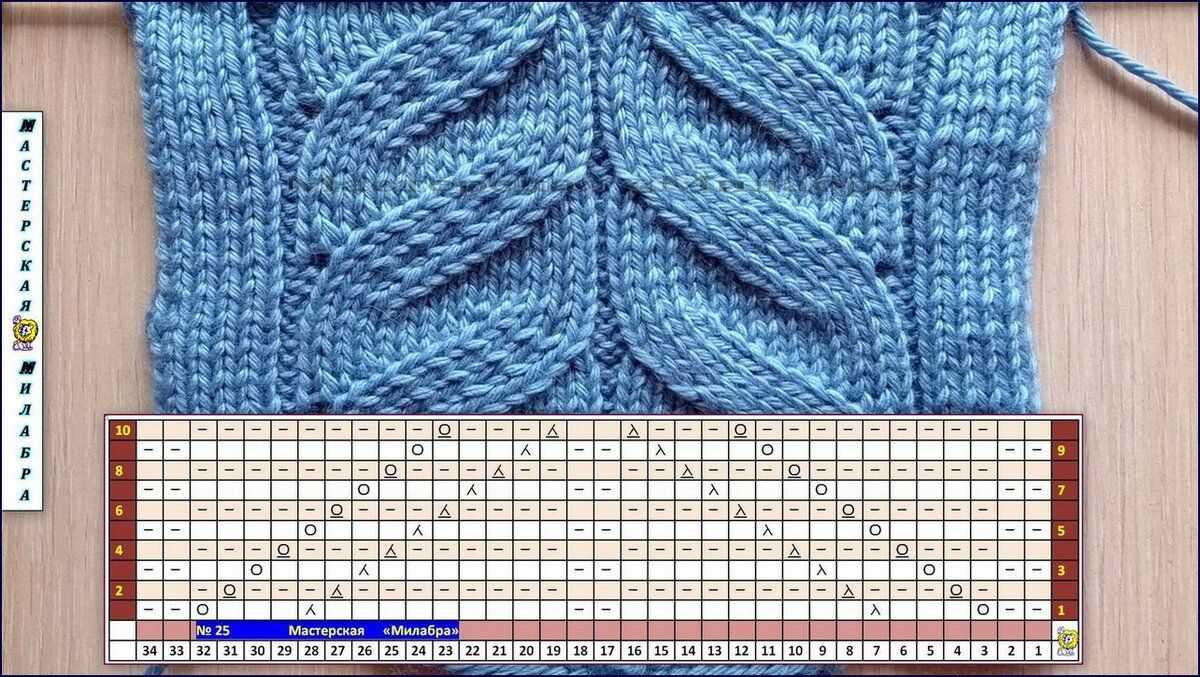
In knitting patterns, brackets are commonly used to indicate various instructions or changes in the pattern. One common usage of brackets is to denote color changes. For example, if you want to switch from a main color to a contrasting color, the pattern may instruct you to “work [MC] in stockinette stitch for 10 rows, then switch to [CC] for the next 5 rows.” This helps to clearly indicate where the color change should occur.
Brackets are also used to indicate pattern transitions, such as shifts in stitch counts or changes in stitch patterns. For example, the pattern may instruct you to “work 8 stitches in ribbed pattern [K2, P2] for the ribbing section, then switch to stockinette stitch for the body of the garment.” The brackets help to distinguish between the different sections of the pattern and make it easier to follow along.
When using brackets in knitting patterns, it’s important to pay attention to the specific instructions provided within the brackets. They may include abbreviations for stitches or specific techniques that need to be followed. Additionally, brackets can also be used in combination with other symbols or notations, such as asterisks (*) or parentheses (), to further clarify the pattern instructions.
- Brackets indicate color changes or pattern transitions in knitting patterns.
- They can be used to denote shifts between main colors and contrasting colors.
- They can also be used to distinguish between different stitch patterns or sections of the pattern.
- Make sure to follow the specific instructions provided within the brackets, including any stitch abbreviations or techniques.
- Brackets may be used in combination with other symbols or notations for further clarity.
How to read and follow knitting patterns with multiple sets of brackets

Knitting patterns can sometimes be confusing, especially when they include multiple sets of brackets. However, understanding how to read and follow these patterns is essential for creating beautiful knitted items.
The brackets in knitting patterns serve specific purposes, such as indicating repeats, size variations, or different stitch patterns. It is important to pay attention to the instructions within each set of brackets, as they provide crucial information for completing the pattern correctly. Multiple sets of brackets may be used to denote different sections or variations within the pattern.
When reading knitting patterns with multiple sets of brackets, start by identifying the purpose of each set. Look for key phrases or symbols that indicate what each set of brackets signifies. For example, phrases like “repeat from” or symbols like asterisks (*) often indicate a repeating section.
One common use of brackets is to denote repeat instructions within a pattern. For example, a pattern may instruct you to “knit 4 stitches, *[purl 2 stitches, knit 2 stitches]*, repeat from * to * 6 times, knit 4 stitches.” This would mean that you knit 4 stitches, then repeat the instructions within the brackets 6 times, and finally knit 4 stitches again.
Another common use of brackets is to indicate size variations in a pattern. For instance, a pattern may have instructions for different sizes, such as “Size S (M, L): knit 4 stitches, purl 2 stitches, knit 2 stitches.” In this case, the brackets are used to separate the instructions for each size, and you would choose the appropriate size based on your measurements.
It may be helpful to make notes or use a stitch marker to keep track of your progress when working with multiple sets of brackets. Take your time to carefully read and understand the instructions before starting each section, and if you encounter any confusion, consult resources such as knitting tutorials or ask for assistance from more experienced knitters. With practice and patience, you’ll become comfortable reading and following knitting patterns with multiple sets of brackets.
Examples of popular knitting patterns that utilize brackets

Now that we have understood the meaning of brackets in knitting patterns, let’s look at some popular examples where brackets are used.
1. Basic hat pattern:

This is a simple knitting pattern for a basic hat:
- CO (cast on) 80 stitches.
- Rnd 1: K1, p1, [k2, p2] repeat to end of round.
- Rnd 2: Knit all stitches.
- Repeat Rnds 1 and 2 until the hat measures 8 inches from cast on edge.
- Decrease Rnd: [K2tog, p2] repeat to end of round (60 stitches).
- Next round: Knit all stitches.
- Repeat decrease round and knit round alternately until 10 stitches remain.
- Break yarn, thread it through remaining stitches, and secure.
This pattern uses brackets to indicate a repeated sequence of stitches. In this case, it’s knitting 2 stitches together (k2tog) and purling 2 stitches (p2).
2. Lace shawl pattern:

Here is an example of a lace shawl pattern:
- CO 100 stitches.
- Row 1: K2, [yo, k3, ssk, k3, yo, k1] repeat to last 2 stitches, k2.
- Row 2: Purl all stitches.
- Repeat Rows 1 and 2 for the lace pattern.
- Continue knitting the lace pattern until the shawl measures desired length.
- Bind off all stitches.
In this lace shawl pattern, the brackets indicate a sequence that is repeated multiple times. It includes yarn overs (yo), knit stitches (k), and a slip-slip-knit decrease (ssk).
These are just a few examples of how brackets are used in knitting patterns. They are a helpful way to indicate repeated sections or sequences, making it easier for knitters to follow the instructions and create beautiful knitted items.
Overall, brackets in knitting patterns serve as a visual guide, helping knitters understand the structure and repetition within a pattern. They allow for easier pattern reading and help in creating intricate and well-designed projects.