Creating Elegant Edges with a Scallop Knitting Pattern

Looking to add a feminine and delicate touch to your knitting projects? The scallop edge knitting pattern is the perfect choice. With its elegant wavy design, this pattern adds a beautiful finishing touch to scarves, shawls, blankets, and more. Whether you’re a beginner or an experienced knitter, this pattern is easy to learn and can be customized to suit any project.
The scallop edge knitting pattern creates a border of small arched peaks that resemble the shape of scallop shells. This pattern is achieved by alternating between knit and purl stitches in a specific sequence. The result is a graceful and intricate design that elevates any knitted item.
One of the great things about the scallop edge knitting pattern is its versatility. It can be used as a border for a variety of knitting projects, such as a baby blanket, a cardigan, or a hat. The pattern can also be modified to create different sizes and shapes of scallop edges. Whether you prefer a dainty edge or a more pronounced one, this pattern allows you to have full control over the final look of your project.
What is a Scallop Edge Knitting Pattern?

A scallop edge knitting pattern is a decorative border that can be added to various knitted items, such as blankets, scarves, or garments. It is characterized by a series of rounded, wave-like curves that give the edge a gentle and feminine look. The scallop edge is created by using a combination of knit and purl stitches, as well as increasing and decreasing techniques.
To create a scallop edge, you typically start with a few rows of knitting in the main stitch pattern of the item, such as stockinette or garter stitch. Then, you begin adding the scallop pattern by working a set of stitches in a specific sequence. This sequence can vary depending on the desired shape and size of the scallops. Commonly used techniques include yarn overs, knit 2 together, and slip slip knit.
One of the advantages of using a scallop edge knitting pattern is that it adds a touch of elegance and style to an otherwise plain or basic design. It can turn a simple blanket into a beautiful heirloom piece or transform a plain scarf into a fashionable accessory. Additionally, the scallop edge can be easily customized by adjusting the number of stitches or rows used, allowing for endless design possibilities.
To incorporate a scallop edge into your knitting projects, it is helpful to have some basic knowledge of knitting techniques and pattern reading. However, there are also many beginner-friendly patterns and tutorials available that can guide you through the process step by step. With practice and experimentation, you can master the art of creating a beautiful scallop edge and add a unique and decorative touch to your handmade knitted items.
How to Create a Basic Scallop Edge Pattern

Adding a scallop edge to your knitting project can give it a beautiful, decorative finish. Creating a basic scallop edge pattern is relatively simple and can be easily achieved with just a few steps. Here’s how:
Materials:
- Yarn of your choice
- Knitting needles appropriate for your yarn
- Tapestry needle
Instructions:

- Cast on: Begin by casting on the desired number of stitches for your project. The scallop edge will be added to the final row, so make sure to account for the extra stitches that will be used for the scallops.
- Knit the main body: After casting on, proceed with knitting the main body of your project according to your chosen knitting pattern or desired stitch.
- Create the scallops: Once you have reached the final row of your project, it’s time to create the scallop edge. To do this, follow these steps:
- Knit the first stitch.
- Purl the next stitch.
- Wrap the working yarn around the right needle twice.
- Purl the next stitch again.
- Slip the two double-wrapped stitches over the last purl stitch and off the needle.
- Knit the next stitch.
- Repeat steps 2-6 until the end of the row.
- Bind off: Finally, bind off your project as usual, making sure to work the scallop edge stitches as you go.
- Weave in ends: Use a tapestry needle to weave in any remaining yarn ends, ensuring a neat and tidy finish to your scallop edge knitting pattern.
With these simple steps, you can create a beautiful scallop edge pattern to add an elegant touch to your knitting projects. Experiment with different yarns and stitch patterns to create unique variations of the scallop edge.
Choosing the Right Yarn for a Scallop Edge Pattern

When knitting a project with a scallop edge pattern, it is important to choose the right yarn to achieve the desired result. The yarn you select will greatly impact the overall look and feel of the finished piece.
Fiber content: The first consideration when choosing yarn for a scallop edge pattern is the fiber content. Different fiber types have different properties and characteristics that will affect the drape, texture, and durability of the finished project. For a delicate and airy look, you may opt for a lightweight and soft yarn such as merino wool or silk. Alternatively, if you want a more structured and defined scallop edge, a yarn with some synthetic fiber content or a heavier weight yarn like cotton can be a good choice.
Yarn weight: The weight or thickness of the yarn is another important factor to consider. A finer weight yarn will create a daintier and more intricate scallop edge, while a bulkier yarn will result in a bolder and more pronounced edge. It’s important to keep in mind that the weight of the yarn can also affect the size of the scallop, so if you have a specific size or shape in mind, make sure to choose a yarn that will give you the desired outcome.
Color and texture: The color and texture of the yarn can also play a significant role in the appearance of the scallop edge. If you want the scallops to be the focal point of your project, you may choose a solid color yarn that will highlight the shape and design. On the other hand, if you want a more subtle look, you can opt for a variegated or textured yarn that will add additional visual interest to the scallop edge.
Testing and swatching: Before starting your project, it’s always a good idea to knit a swatch or test sample with the chosen yarn to see how it knits up and how the scallop edge looks. This will allow you to make any necessary adjustments and ensure that you are happy with the yarn choice before committing to the entire project.
In summary, when choosing the right yarn for a scallop edge pattern, consider the fiber content, yarn weight, color, and texture. Taking these factors into account will help you create a stunning scalloped edge that enhances your knitted project.
Tips for Knitting a Scallop Edge Pattern Perfectly
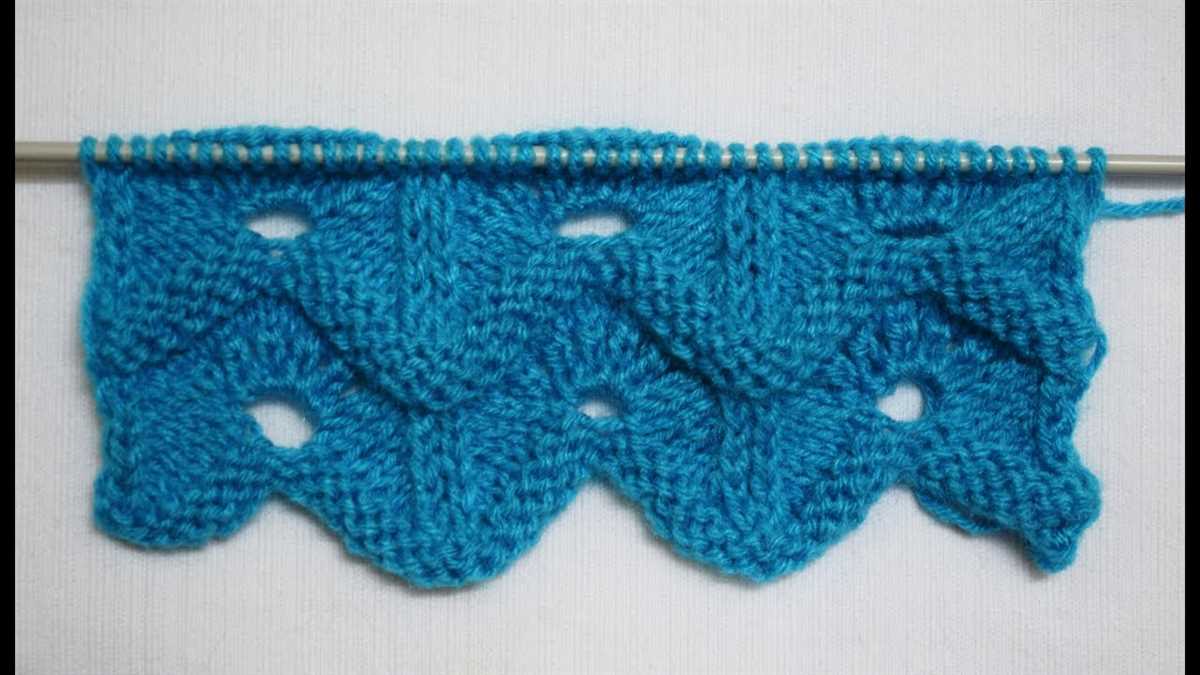
Knitting a scallop edge pattern can add a delicate and feminine touch to any project. Whether you’re making a baby blanket, a scarf, or a decorative pillow, the scallop edge adds a beautiful finishing detail. To help you achieve a perfect scallop edge, here are a few tips to keep in mind:
Choose the Right Yarn:
When knitting a scallop edge, it’s important to choose the right yarn. A yarn that has good stitch definition and a bit of stiffness will help the scallop edge hold its shape. Lightweight or delicate yarns may not be suitable for this type of pattern, as they may not provide the necessary structure for the scallop shape.
Use the Right Needle Size:

Choosing the right needle size is crucial for achieving a perfect scallop edge. If your needles are too small, the edge may appear too tight and rigid. On the other hand, if your needles are too large, the edge may end up looking loose and floppy. It’s best to knit a gauge swatch before starting your project to ensure that you’re using the correct needle size to achieve the desired scallop effect.
Pay Attention to Tension:

Consistent tension is key when knitting a scallop edge pattern. If your tension varies throughout the project, it can affect the shape and symmetry of the scallops. It’s important to keep a steady and relaxed knitting rhythm to ensure even stitches and an even edge. Taking breaks and stretching your hands and fingers can help maintain a consistent tension throughout.
Block Your Finished Project:

Once you’ve completed your knitting project with a scallop edge, it’s essential to block it to give the scallops their final shape and polish. Blocking involves gently wetting the finished piece, shaping it to the desired dimensions, and allowing it to dry flat. This process can help even out any irregularities and enhance the overall appearance of the scallop edge.
By following these tips, you can ensure that your scallop edge pattern turns out perfectly, adding an elegant touch to your knitting projects. Remember to choose the right yarn and needle size, pay attention to tension, and block your finished project for the best results. Happy knitting!
Scallop Edge Patterns for Various Knitting Projects

When it comes to adding a decorative touch to knitting projects, a scallop edge pattern can be a beautiful and versatile option. With its wavy, curved design, the scallop edge adds a feminine and elegant look to any garment or accessory. Whether you’re knitting a blanket, a shawl, or a pair of mittens, incorporating a scallop edge can elevate your project to another level of style.
One popular scallop edge pattern is the “Scallop Lace Border”. This pattern features a series of lace motifs that create a delicate and intricate scallop edge. The lace motifs typically consist of yarn overs, decreases, and eyelets, which give the edge an open and lacy appearance. This pattern works well for lightweight and airy projects, such as scarves or summer tops.
Another option is the “Scallop Ribbing Border”. This pattern combines the classic ribbing stitch with a scallop design, resulting in a more structured and textured edge. To create this pattern, alternate between knitting and purling stitches in a set number of rows, then transition to a series of increases and decreases to form the scallop shape. The Scallop Ribbing Border is perfect for adding a touch of elegance to hats, gloves, or socks.
If you prefer a simpler and more subtle scallop edge, you can try the “Garter Stitch Scallop Edge”. This pattern utilizes the garter stitch, which is created by knitting every row. To achieve the scallop effect, you can add increases and decreases at regular intervals. The Garter Stitch Scallop Edge is a great choice for adding a charming detail to baby blankets, dishcloths, or even pillowcases.
Overall, scallop edge patterns offer a wide range of possibilities for enhancing your knitting projects. Whether you’re looking for a delicate and airy design or a more structured and textured look, there is a scallop edge pattern that can suit your needs. With its versatility and beauty, the scallop edge is sure to add a touch of elegance to any knitting project.
How to Add a Scallop Edge to an Existing Knitting Project
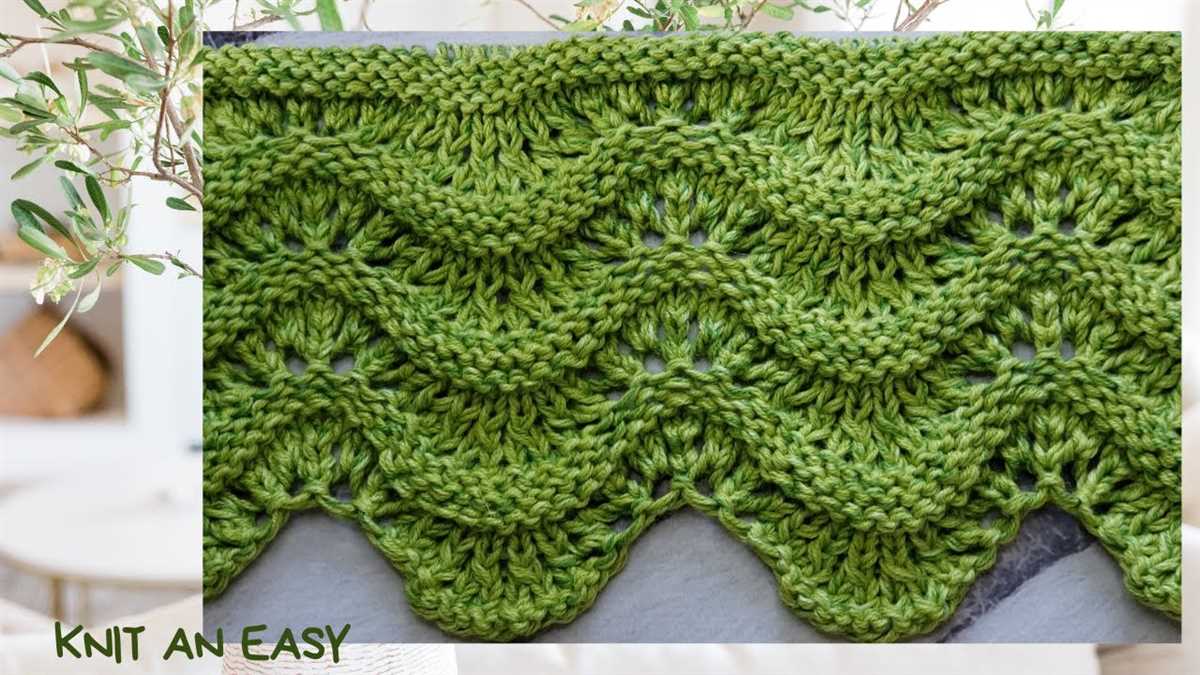
If you have completed an existing knitting project and want to add a unique and decorative edge, consider adding a scallop edge. This delicate and feminine design element can elevate the look of your project and give it a finished and polished appearance. Adding a scallop edge to an existing knitting project is relatively simple and can be achieved with just a few extra steps.
Materials:
To add a scallop edge to your knitting project, you will need the following materials:
- Knitting needles
- Yarn that matches your project
- Crochet hook
- Darning needle
Instructions:
- Begin by picking up stitches along the edge of your project where you want the scallop edge to be. It is recommended to use a smaller size needle than what you originally used for your project to create a tighter and more defined edge.
- Once you have picked up the stitches, work a few rows in your chosen stitch pattern. This will serve as the base for your scallop edge.
- Select a scallop stitch pattern of your choice. This can be a simple shell stitch or a more complex design. Research different scallop stitch patterns and choose one that complements your project.
- Follow the instructions for the scallop stitch pattern, repeating the pattern as many times as needed to cover the desired length of your edge.
- Once you have completed the scallop edge, bind off the stitches and cut the yarn, leaving a tail that is long enough for weaving in later.
- Using a crochet hook, join the yarn to the edge of your project and work a round of slip stitches along the scallop edge. This will create a clean and polished finish.
- Weave in any remaining yarn tails using a darning needle.
Adding a scallop edge to an existing knitting project is a fun and creative way to enhance its overall look. With just a few additional steps, you can transform a plain edge into a beautiful and feminine design feature. Whether you are working on a scarf, blanket, or garment, a scallop edge can add a touch of elegance and charm to your knitting project.
Scallop Edge Patterns for Scarves and Shawls
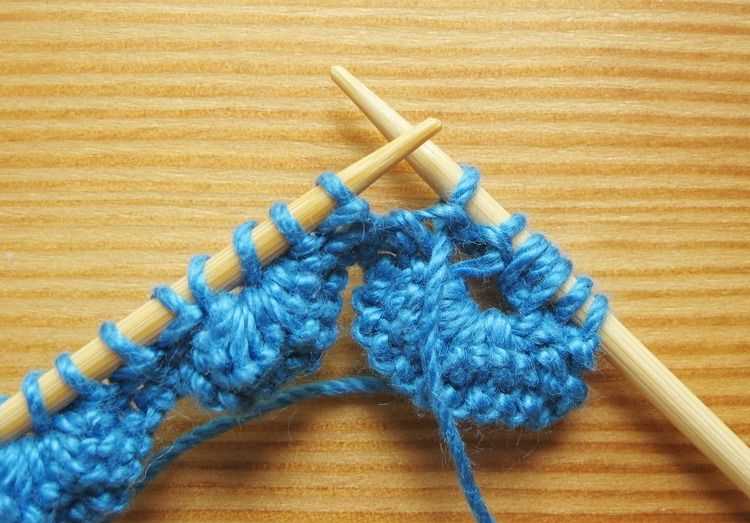
When it comes to adding a touch of elegance and femininity to your scarves and shawls, scallop edge patterns are a perfect choice. These delicate and intricate patterns create a beautiful scallop edge along the borders of your accessories, giving them a unique and eye-catching look.
One popular scallop edge pattern is the classic “fishscale” design. This pattern creates a series of small, overlapping scales resembling those found on a fish. Knitted in a repeat pattern, the fishscale design adds texture and depth to your scarf or shawl, making it a statement piece that will surely turn heads.
Another lovely scallop edge pattern is the “shell” design. This pattern mimics the shape of a seashell, with rounded edges and a zigzag-like pattern. The shell design creates a soft and gentle look, making it a perfect choice for lightweight and airy scarves and shawls.
For a more intricate and detailed scallop edge pattern, the “lace” design is an excellent option. This pattern incorporates elaborate lace stitches, resulting in a delicate and elegant border. The lace design adds a touch of sophistication to your accessories, making them perfect for special occasions or dressier outfits.
Whether you choose the fishscale, shell, or lace design, adding a scallop edge pattern to your scarves and shawls is a sure way to elevate their look. These patterns create a unique and eye-catching border that will make your accessories stand out from the crowd. So why not try your hand at knitting a scallop edge pattern and give your scarves and shawls an elegant and feminine touch?
Scallop Edge Patterns for Baby Clothing
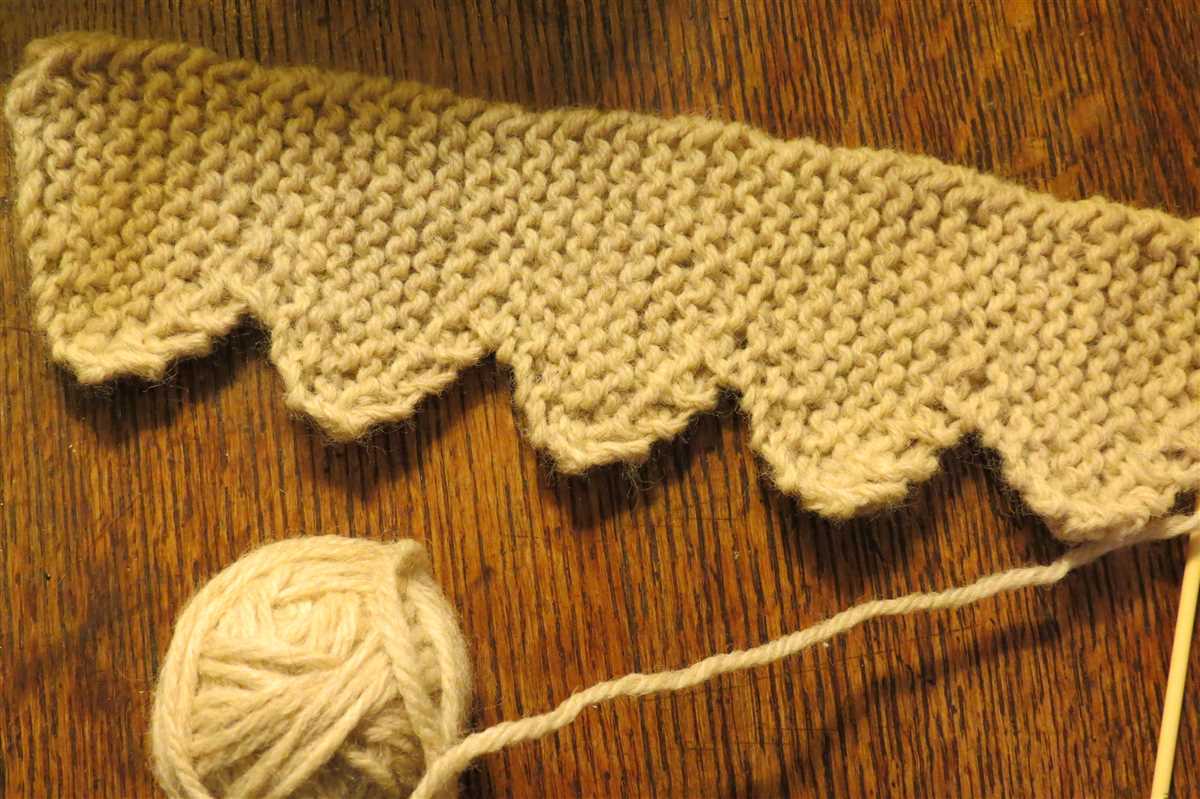
When it comes to knitting baby clothing, adding a delicate and feminine touch can be a wonderful way to create a special garment. One popular design element to consider is a scallop edge pattern. Scallop edges add a charming and playful detail to baby clothes, making them even more adorable.
There are many different scallop edge patterns to choose from when knitting baby clothing. One option is a simple garter stitch scallop edge, where you create a series of short rows to form the scallops. This pattern is great for beginners, as it only requires basic knitting skills. Another option is a lace scallop edge, which adds elegance and intricacy to the garment. Lace scallops can be created using lace stitches such as yarn overs and decreases.
- Garter Stitch Scallop Edge: To create a garter stitch scallop edge, start by knitting a few rows in garter stitch. Then, on the next row, knit a certain number of stitches, turn the work, and knit back. Repeat this process until you have the desired number of scallops. To finish, knit a few more rows in garter stitch.
- Lace Scallop Edge: To create a lace scallop edge, you’ll need to follow a lace stitch pattern. There are many lace stitch patterns available, such as the feather and fan stitch or the leaf lace stitch. These patterns typically involve yarn overs, knit stitches, purl stitches, and decreases. Follow the lace pattern to create the scallop edge.
Scallop edges can be used on a variety of baby clothing items, such as cardigans, blankets, hats, and booties. They add a delicate and feminine touch to any garment, making them perfect for special occasions or everyday wear. Whether you choose a simple garter stitch scallop edge or an intricate lace scallop edge, your baby will look adorable in their handmade clothing.
Scallop Edge Patterns for Blankets and Afghans

If you’re looking to add a decorative touch to your knitted blankets and afghans, a scallop edge pattern is a great option. The delicate curves of the scallops give a feminine and elegant look to any project, making it perfect for baby blankets or as a decorative accent in a living room.
To create a scallop edge, you can use a variety of knitting techniques. One popular method is to knit a picot bind off, which involves creating small loops along the edge of your project. Another option is to work a series of decreases and increases to create the curved shape of the scallop. Whichever technique you choose, it’s important to maintain an even tension throughout to ensure a consistent and neat edge.
When selecting a scallop edge pattern, consider the overall style and design of your blanket or afghan. A simple, single-row scallop can add a subtle touch of elegance, while a more elaborate pattern with multiple rows of scallops can create a stunning visual impact. You can also experiment with different yarn colors to highlight the scallop edge, such as using a contrasting color or a variegated yarn.
To help you get started, here are a few scallop edge patterns to try:
- Classic Picot Edge: This traditional pattern features small loops along the edge, created using a picot bind off. It’s a simple and versatile design that works well with both solid and variegated yarns.
- Lace Scallop Border: If you’re looking for a more intricate scallop pattern, try a lace border. This design incorporates lace stitches to create a delicate and airy scallop edge.
- Bobble Scallop Trim: For a playful and textured look, consider adding bobbles to your scallop edge. This pattern combines the curves of the scallop with the raised texture of bobbles for a unique and eye-catching border.
Remember to swatch your chosen scallop edge pattern before applying it to your blanket or afghan. This will help you determine the correct gauge and ensure that the edges lay flat and don’t curl. With a little practice, you’ll be able to create beautiful and professional-looking scallop edge blankets and afghans that will be cherished for years to come.
Scallop Edge Patterns for Socks and Mittens
Scallop edge patterns can add a touch of elegance and whimsy to your knitted socks and mittens. Whether you’re looking to add a feminine touch or just want to try something different, these patterns are a great way to elevate your knitting projects. Here are a few scallop edge patterns to inspire you:
1. Lace Scallop Edge
The lace scallop edge is a classic choice for adding a delicate and feminine touch to your socks and mittens. This pattern typically features a series of yarn overs and decreases to create the scallop shape. The result is a beautiful and intricate edge that looks stunning when paired with a simple or textured stitch pattern for the body of the sock or mitten.
2. Picot Scallop Edge
The picot scallop edge is a charming and playful option for adding a decorative touch to your knitting projects. This pattern typically involves creating small loops or picots along the edge, giving it a scallop-like appearance. The picots can be created by knitting or crocheting stitches together, and they add a unique texture and visual interest to the finished socks or mittens.
3. Garter Stitch Scallop Edge
If you prefer a more subtle scallop edge, the garter stitch scallop edge is a great choice. This pattern involves working a simple garter stitch along the edge, alternating with small increases and decreases to create the scallop shape. The result is a clean and minimalist edge that adds a touch of sophistication to your knitting projects.
These are just a few examples of the scallop edge patterns you can incorporate into your socks and mittens. Feel free to get creative and mix and match different stitch patterns to create your own unique scallop edge design. Happy knitting!
Scallop Edge Pattern Variations and Design Ideas
If you’re looking to add some flair to your knitting projects, the scallop edge pattern is a great choice. This decorative border can elevate any garment or accessory, giving it a feminine and delicate touch. While the basic scallop edge pattern is beautiful on its own, there are several variations and design ideas you can explore to create unique and stunning pieces.
Variations:
- Multiple Scallop Rows: To add more depth and dimension to your scallop edge, you can incorporate multiple rows of scallops. You can experiment with different sizes or spacing between the rows to achieve the desired effect.
- Combining with Other Stitches: The scallop edge pattern can be combined with other stitches, such as lace or cables, to create intricate and eye-catching designs. You can use the scallop edge as a border for a lace shawl or incorporate it into the middle of a cable pattern.
- Varied Scallop Sizes: Instead of using the same size for all the scallops, you can create a pattern with varying sizes. This adds visual interest and creates a more organic and natural look.
Design Ideas:
- Scallop Edge Sweater: Add a scallop edge to the hem and cuffs of a sweater for a feminine touch. You can experiment with different yarn weights and colors to create unique and stylish designs.
- Scallop Edge Baby Blanket: The scallop edge pattern is perfect for adorning baby blankets. The soft and delicate scallops add a sweet and charming touch to any nursery.
- Scallop Edge Hat: Jazz up a simple hat pattern by adding a scallop edge to the brim. This small detail can transform a basic hat into a stylish and fashionable accessory.
Overall, the scallop edge pattern is a versatile and beautiful option to enhance your knitting projects. With its numerous variations and design ideas, you can create unique and personalized pieces that are sure to impress. Whether you’re a beginner or an experienced knitter, the scallop edge pattern is a fun and rewarding pattern to try!