Unique Knitted Food Patterns to Satisfy Your Crafty Cravings

Knitting is an ancient craft that has been practiced by humans for thousands of years. From clothing and accessories to home decor and toys, knitting allows us to create beautiful and functional items with just a few simple tools and some yarn. But one emerging trend in the world of knitting is taking this craft to a whole new level – knitted food patterns.
Knitted food patterns are exactly what they sound like – patterns for knitting replicas of various types of food. From fruits and vegetables to fast food favorites and even sushi, knitters are finding creative ways to recreate their favorite dishes using nothing more than yarn and needles. These patterns are a fun and whimsical way to bring a touch of culinary delight into your knitting projects.
Knitted food patterns are not only adorable, but they also offer a unique challenge to knitters. Replicating the texture and details of different foods requires careful attention to detail and a variety of knitting techniques. From intricate colorwork to three-dimensional shaping, these patterns push the boundaries of what can be achieved with knitting.
Knitted Food Patterns

Knitted food patterns have become a popular trend in the world of crafting and DIY. These patterns allow you to create adorable and realistic-looking food items using nothing but yarn and a pair of knitting needles. From fruits and vegetables to fast food and desserts, there is a wide range of knitted food patterns available for all skill levels.
One of the great things about knitted food patterns is that they are versatile and can be customized to fit your preferences. Whether you want to knit a set of play food for children, create unique home decor items, or make cute accessories like keychains and brooches, there is a pattern out there for you. You can choose from an array of colors, yarn textures, and embellishments to make your knitted food look even more delicious and realistic.
Why Knitted Food Patterns?

- Knitted food patterns make for unique and one-of-a-kind gifts that are sure to impress.
- They provide a fun and creative way to showcase your knitting skills.
- Knitted food items can be used as teaching tools for children to learn about different types of foods.
- They are a great way to add a touch of whimsy and charm to your home decor.
- Knitted food patterns are an eco-friendly alternative to plastic or paper play food.
- They can be a therapeutic and relaxing hobby, perfect for reducing stress and anxiety.
Whether you’re a seasoned knitter or just starting out, knitted food patterns are a fun and rewarding project. With endless possibilities for creativity and customization, you can create unique and adorable food items that are sure to bring a smile to anyone’s face.
Why Knitted Food Patterns are Trending
Knitted food patterns have been gaining popularity in recent years, with enthusiasts and crafters alike embracing this unique form of art. The combination of food and knitting might seem unlikely at first, but it has captured the attention of many due to its novelty and creativity.
One of the main reasons why knitted food patterns are trending is the nostalgia factor. Many people have fond memories of their grandmothers knitting food items like fruits or vegetables as decorative pieces for the kitchen. Knitted food patterns are a modern take on this tradition, allowing people to bring a touch of nostalgia into their homes.
Another reason for the popularity of knitted food patterns is their versatility. Knitters can create a wide variety of food items, from simple fruits and vegetables to intricate cakes and pastries. This allows them to showcase their skills and creativity, making each piece unique and eye-catching.
Knitted food patterns also offer a sense of playfulness and whimsy in home decor. Placing a knitted food item on a dining table or kitchen counter adds a fun and unexpected element to the space. It can also be a great conversation starter when guests come over, sparking curiosity and admiration.
Additionally, knitted food patterns provide a sustainable alternative to plastic or ceramic food decorations. By using yarn and knitting needles, crafters can create reusable and eco-friendly pieces that can be enjoyed for years to come. This aligns with the growing trend of conscious consumerism and sustainable living.
In conclusion, knitted food patterns are trending due to their nostalgia factor, versatility, playful aesthetic, and sustainable nature. Whether it’s for home decor or as a unique gift, knitted food patterns offer a delightful and creative way to incorporate food and knitting into our lives.
Knitted Food Patterns as Home Decor

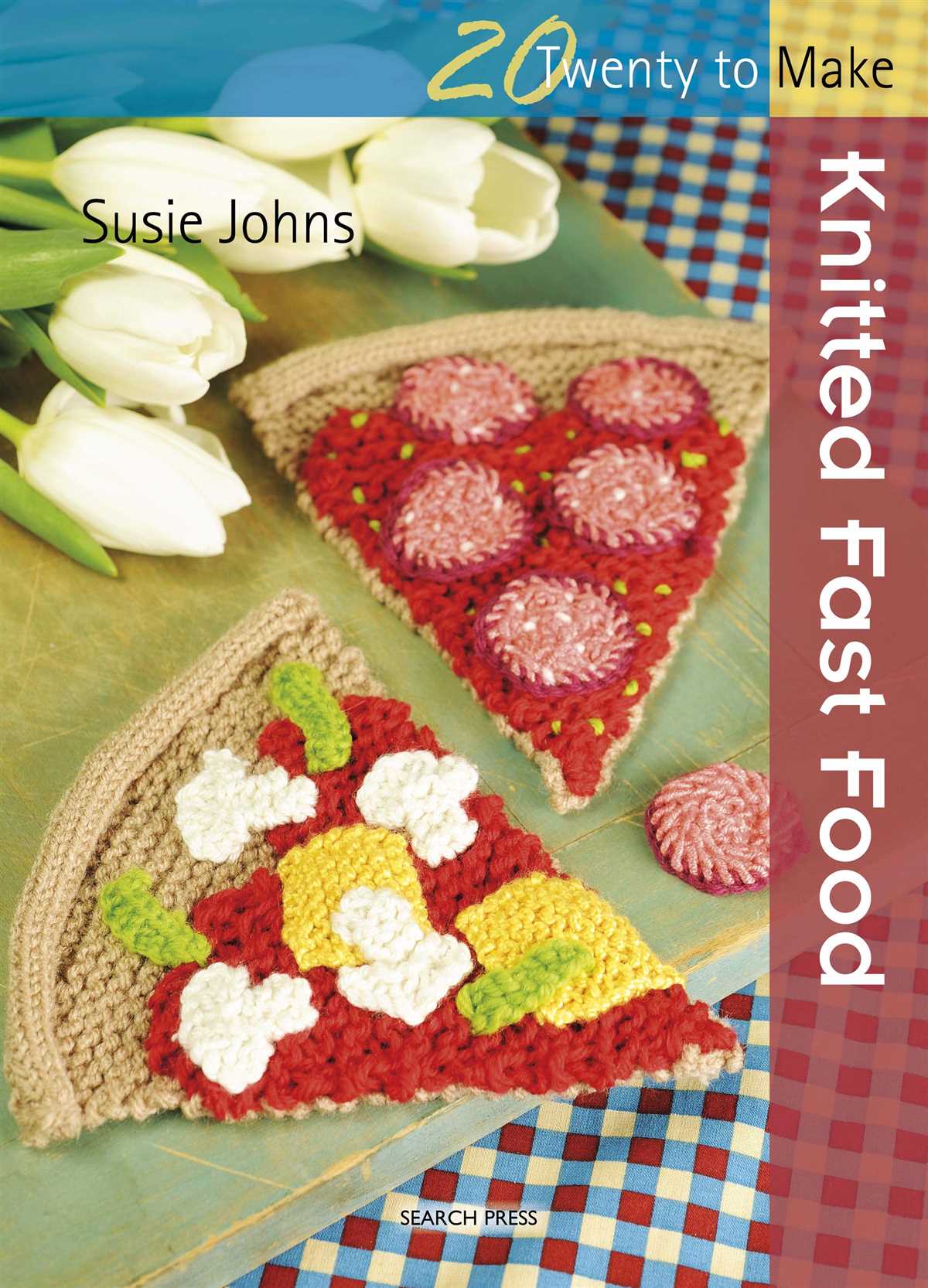
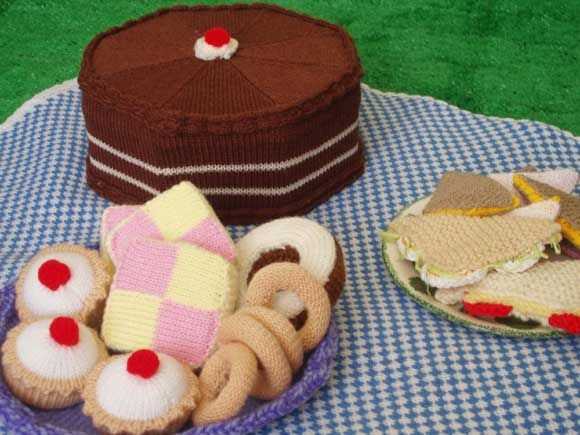
Knitted food patterns have become a popular choice for home decor. These adorable pieces of art add a touch of warmth and coziness to any room. Whether it’s a knitted fruit bowl, a set of knitted cupcakes, or a knitted pizza slice, these items bring a unique and playful element to your interior design.
One of the advantages of using knitted food patterns as home decor is their versatility. You can choose from a wide range of patterns and designs to suit your personal style and preferences. For those who love vibrant colors, there are knitted fruit patterns in bold and cheerful hues. If you prefer a more muted and elegant look, you can opt for knitted pastries or desserts in neutral tones.
Why choose knitted food patterns as home decor?

- Conversation starters: Knitted food patterns are bound to spark a conversation when guests come over. They are such unique and unexpected decorative pieces that people can’t help but comment on them.
- Cozy and inviting: These knitted pieces create a cozy and inviting atmosphere in any space. They add warmth and texture to your home, making it feel more welcoming and comfortable.
- Handmade charm: Knitted food patterns are typically handmade, which adds a special charm to them. The intricate detailing and craftsmanship make them stand out as one-of-a-kind pieces of art.
- Low maintenance: Unlike real food, knitted food patterns require minimal maintenance. They won’t spoil or attract insects, and they can easily be cleaned or washed if needed.
Overall, knitted food patterns offer a fun and creative way to incorporate unique home decor into your space. They add a touch of whimsy and playfulness, while also providing a cozy and inviting atmosphere. Whether you choose to display them in your kitchen, living room, or even bedroom, these knitted pieces are sure to liven up your home and bring a smile to your face.
Knitted Food Patterns as Gifts

Knitted food patterns have become increasingly popular as unique and quirky gifts. They offer a creative and whimsical twist to traditional knitting projects, allowing crafters to create realistic-looking food items that are both fun and functional. These knitted food patterns can be gifted in various ways, whether as standalone pieces, part of a larger gift, or even as decorative items for the home.
One of the great advantages of knitted food patterns as gifts is their versatility. They can be customized to suit different occasions, personalities, and preferences. From knitted cupcakes and donuts for a sweet-toothed friend, to knitted vegetables and fruits for a health enthusiast, there is a wide range of options to choose from. Additionally, these knitted creations can be made in different sizes, colors, and textures to add a personal touch.
- Standalone Gifts: A knitted food item can be a delightful standalone gift on its own. It can be presented as a charming and decorative piece for a kitchen or dining area. The recipient can use it as a conversation starter or as a unique piece of decoration.
- Part of a Larger Gift: Knitted food patterns can also be incorporated into a larger gift, such as a gift basket or hamper. For example, a knitted fruit basket can be filled with actual fruits, snacks, or other related items to create a thematic and thoughtful gift.
- Home Decor: Knitted food patterns can be used to add a touch of whimsy to the home decor. They can be displayed in a bowl or on a shelf as an interesting and eye-catching accent piece. They can also be used as cute and cozy coasters or pot holders.
Overall, knitted food patterns make for unique and memorable gifts that are sure to bring a smile to the recipient’s face. Whether given on their own or as part of a larger gift, they offer a creative and playful alternative to traditional presents.
Knitted Food Patterns in Fashion
In recent years, there has been a growing trend of incorporating knitted food patterns into the world of fashion. This unique and playful style has gained popularity among fashion enthusiasts and designers alike. Knitted food patterns bring a whimsical and fun element to garments, accessories, and even home decor.
Bringing Food to Life through Knitting
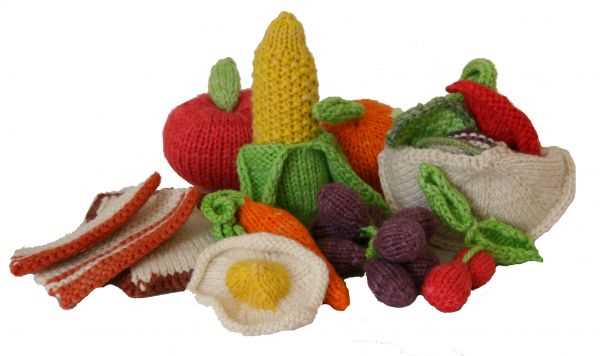
Knitted food patterns allow designers to transform everyday edibles into wearable art. From strawberries and watermelons to sushi rolls and cupcakes, the possibilities are endless. The use of vibrant colors and intricate stitch patterns make these knitted creations incredibly lifelike and eye-catching.
Designers often draw inspiration from the colors, textures, and shapes of food when creating knitted pieces. By translating these elements into knitting techniques, they bring a new dimension to fashion. These knitted food patterns provide a unique opportunity for self-expression and creativity, allowing individuals to showcase their love for food in a fashionable and artistic way.
Making a Statement with Knitted Food Patterns

Knitted food patterns have become a statement in the world of fashion. They challenge conventional norms and allow individuals to embrace their individuality and sense of humor. Wearing a knitted piece with a food pattern can be a conversation starter, sparking joy and intrigue in those around.
Furthermore, knitted food patterns offer a sustainable and eco-friendly alternative to fast fashion. By incorporating food-themed designs, individuals can make a statement about the importance of food sustainability and reducing waste. These knitted pieces serve as a reminder to cherish and appreciate the beauty of nature’s bounty.
Conclusion
Knitted food patterns have become a refreshing and playful addition to the fashion industry. Their unique blend of creativity, self-expression, and sustainability has captivated the hearts of fashion enthusiasts worldwide. Whether it’s a strawberry-embellished sweater or a watermelon-shaped bag, knitted food patterns add a touch of whimsy and individuality to any outfit or home decor.
Knitting Techniques for Food Patterns

Creating knitted food patterns requires a range of knitting techniques to bring the designs to life. Whether you’re making a knitted cupcake, a knitted slice of pizza, or a knitted fruit bowl, it’s important to understand and master these techniques to achieve the desired look and feel.
1. Colorwork: Colorwork is a popular technique used in knitted food patterns to create vibrant and realistic designs. By using multiple colors of yarn and following a pattern, you can create intricate details on your knitted food items. This technique often involves knitting with multiple strands of yarn at once or adding and dropping colors as needed.
2. Texture Stitches: Texture stitches add dimension and realism to knitted food patterns. By incorporating stitches such as seed stitch, ribbing, or popcorn stitch, you can mimic the texture of specific food items such as bread, cheese, or even sprinkles on a cupcake. Experimenting with different stitch patterns can help you achieve the desired look and feel for your knitted food creations.
3. Embroidery: Embroidery is often used in knitted food patterns to add fine details and embellishments. By using embroidery techniques such as satin stitch, backstitch, or French knots, you can create intricate designs like eyes, mouths, or decorative elements on your knitted food items. Embroidery adds depth and a polished finish to your knitted food patterns.
4. Shaping: Proper shaping is crucial to creating realistic looking knitted food patterns. By using techniques such as increases and decreases, you can shape your knitted items to resemble the curves, edges, and contours of different food items. This technique is especially important when creating three-dimensional pieces like knitted fruit or vegetables.
5. Blocking: Blocking is the final step in creating professional-looking knitted food patterns. By wetting your finished pieces and shaping them with pins or a blocking board, you can smooth out any unevenness and improve the overall appearance of your knitted food items. Blocking also helps to set the stitches and make the finished pieces look more polished.
Mastering these knitting techniques will allow you to create stunning and realistic knitted food patterns. Whether you’re knitting for fun, as a gift, or even for display purposes, these techniques will give your knitted food items the finishing touch they need to stand out.
Popular Knitted Food Patterns

Knitted food patterns have gained increasing popularity in recent years among crafters and knitting enthusiasts. These patterns allow knitters to create adorable and realistic-looking food items that can be used for various purposes, including home decoration, children’s toys, and gifts.
One popular knitted food pattern is the cupcake. With its small size and intricate details, the knitted cupcake makes for a charming accessory that can be used as a keychain or a decorative piece. It is often adorned with colorful beads or embroidery to mimic the frosting and sprinkles found on real cupcakes. Knitters can experiment with different yarn colors and textures to create a variety of cupcakes, each with its own unique design.
Another popular knitted food pattern is the sushi set. This pattern allows knitters to create a collection of sushi pieces, including nigiri and makizushi. The use of different knitting techniques and yarn colors provides a realistic and appetizing appearance to the knitted sushi. These sushi sets can be used as children’s play food or displayed as a quirky and eye-catching centerpiece.
Here are some other popular knitted food patterns:

- Pizza – knitted slices of pizza with toppings such as mushrooms, pepperoni, and cheese.
- Ice cream cone – a knitted cone with scoops of different ice cream flavors and a knitted cherry on top.
- Donut – a knitted donut with colorful icing and sprinkles.
- Burger and fries – knitted burger patties, buns, and fries that can be assembled into a complete meal.
- Watermelon – a knitted watermelon slice with vibrant green rind and pink fruit.
These knitted food patterns provide a fun and creative way for knitters to showcase their skills and create unique and whimsical items. Whether used as decorative pieces, toys, or gifts, knitted food patterns add a playful touch to any knitting project.
Tips for Knitting Food Patterns
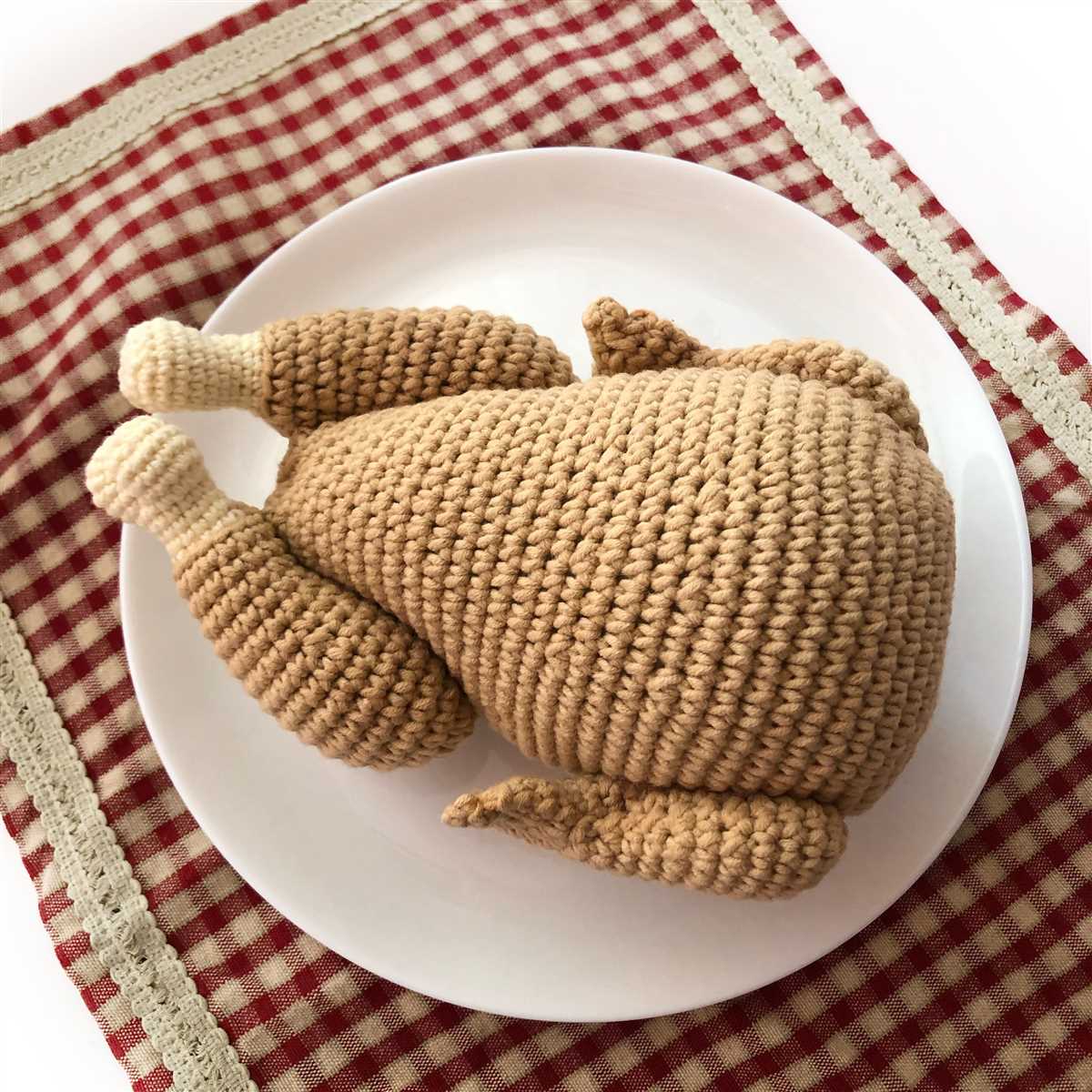
Knitting food patterns can be a fun and creative way to add a touch of coziness to your home decor or craft projects. Whether you’re knitting a bowl of fruit, a cupcake, or a pizza slice, here are some tips to help you create realistic and enticing knitted food items.
1. Choose the right yarn

When knitting food patterns, it’s important to choose the right yarn that will give your creations a realistic texture. Consider using yarns with different weights, colors, and textures to mimic the different elements of the food you’re knitting.
2. Use appropriate stitch patterns

Using the right stitch patterns can make a huge difference in how your knitted food items look. Experiment with different stitch patterns to create textures that resemble the different components of the food. For example, you can use seed stitch to mimic the texture of a slice of bread or popcorn stitch to create the texture of popcorn.
3. Incorporate small details

Adding small details to your knitted food patterns can make them look more lifelike and appealing. Consider incorporating small touches like seed beads as sprinkles on a cupcake, embroidery floss as sauce on a slice of pizza, or small pieces of felt as lettuce in a burger. These details can make a big difference in the overall look of your knitted food.
4. Reference real food

When designing your knitted food patterns, it can be helpful to reference real food for inspiration. Look at photos or even handle the actual food you’re trying to recreate to get a better understanding of its colors, textures, and shapes. This can help you create more realistic and recognizable knitted food items.
5. Have fun with it
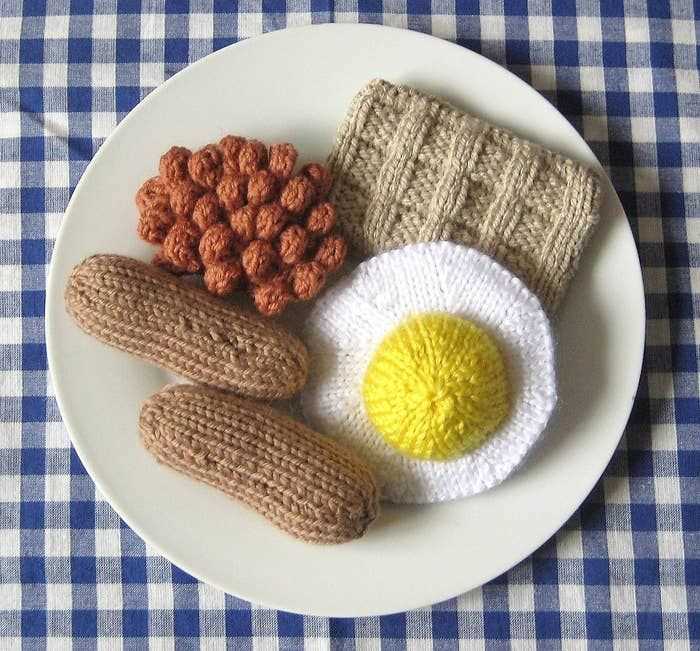
Knitting food patterns is all about having fun and being creative. Don’t be afraid to experiment with different yarns, stitch patterns, and details. Let your imagination run wild and enjoy the process of creating knitted food items that are as fun as they are delicious-looking!
Where to Find Knitted Food Patterns
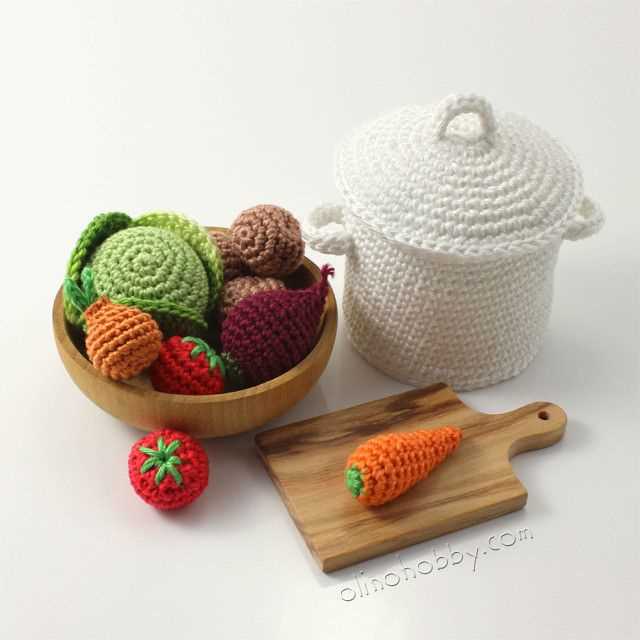
If you’re interested in trying your hand at knitted food patterns, there are several resources available where you can find patterns to get started. Whether you’re looking for beginner-friendly patterns or more advanced designs, these sources have something for everyone.
1. Online knitting communities: Joining online knitting communities is a great way to connect with other knitting enthusiasts and find a wide range of knitted food patterns. Websites like Ravelry and LoveKnitting have extensive libraries of patterns contributed by users from all over the world.
2. Knitting books: Many knitting books feature patterns for food items, especially in the amigurumi genre. Look for books specifically dedicated to knitted food or amigurumi toys. Some popular titles include “Knitted Fruits and Vegetables” by Susie Johns and “Tasty Knits” by Sarah Keen.
3. Craft stores: Local craft stores often carry knitting pattern books and magazines that contain patterns for food items. Browse through their selection and look for books or magazines that focus on toys, amigurumi, or food-related knitting projects.
4. Knitting pattern websites: Several websites specialize in offering knitting patterns for various themes, including food. These websites usually have a wide range of options, from simple fruit and vegetable patterns to elaborate cake and dessert designs.
Overall, there are plenty of resources available for finding knitted food patterns. Whether you prefer online communities, books, physical stores, or dedicated websites, you’re sure to find a pattern that suits your skill level and interests. Happy knitting!