Top Innovators in Knitting Patterns
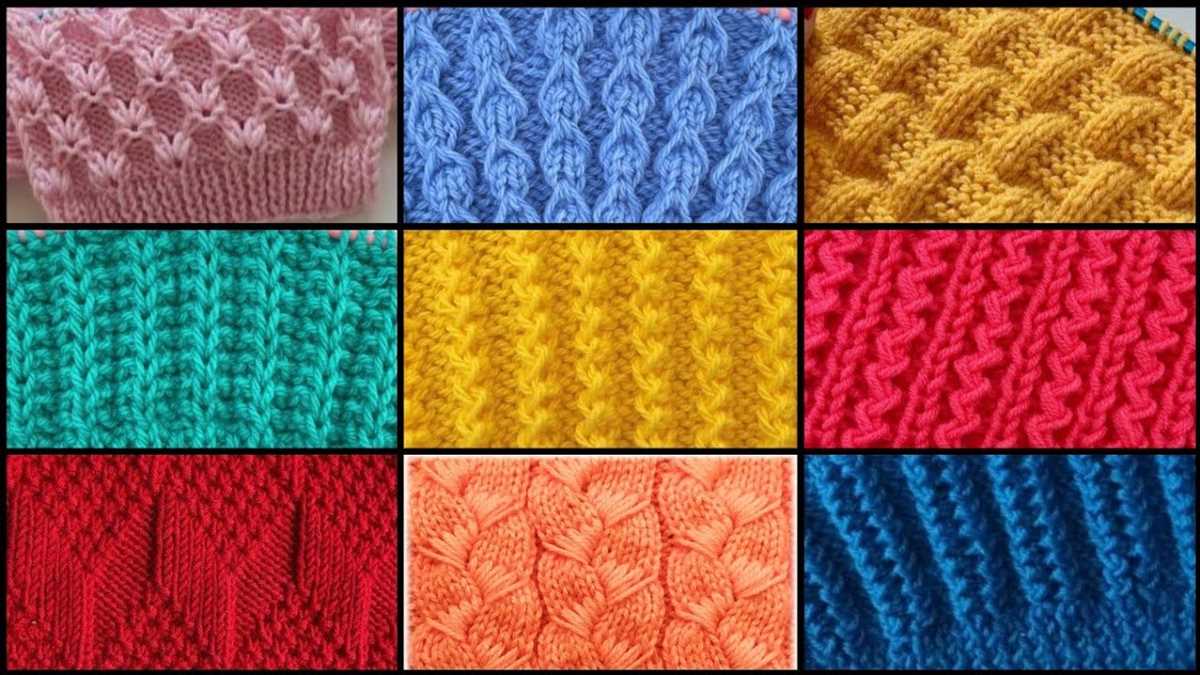
Knitting patterns are an essential component of the knitting community. They provide a roadmap for knitters to create beautiful and unique pieces, ranging from cozy sweaters to intricate lace shawls. While there are countless knitting pattern designers out there, some are known for their exceptional talent, creativity, and attention to detail.
These best knitting pattern designers have earned a reputation for their ability to create patterns that are not only fashionable and wearable but also enjoyable to knit. Their designs often feature innovative stitch patterns, interesting construction techniques, and thoughtful details that set them apart from the rest.
One of the top knitting pattern designers is Elizabeth Zimmermann. Known for her revolutionary approach to knitting, Zimmermann’s patterns are timeless classics. She believed in empowering knitters to experiment and customize their projects, which is evident in her patterns that often include detailed instructions and helpful tips. Zimmermann’s designs continue to inspire knitters worldwide, even years after her passing.
Best Knitting Pattern Designers
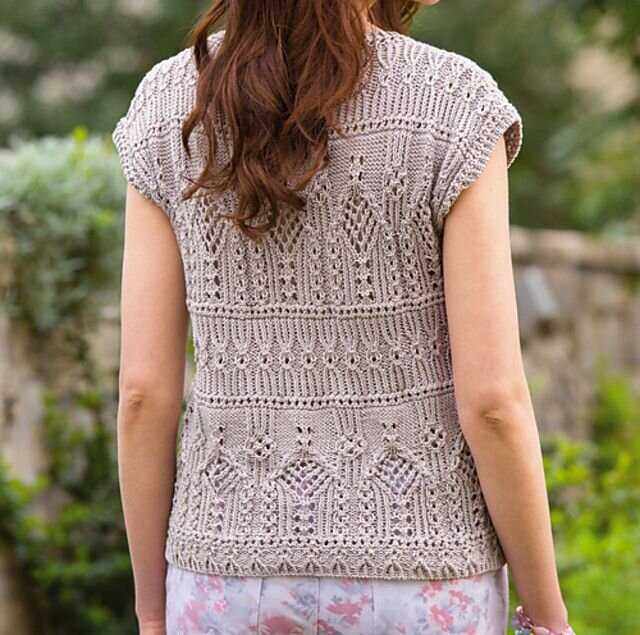
When it comes to knitting patterns, there are some designers that stand out from the rest. These designers have a unique style and create patterns that are not only beautiful but also well-written and easy to follow. Whether you’re a beginner knitter or an experienced one, these designers have something for everyone.
One of the best knitting pattern designers is Brooklyn Tweed. Known for their modern and stylish designs, Brooklyn Tweed offers a wide range of patterns for sweaters, hats, and accessories. Their patterns are known for their attention to detail and innovative construction techniques, making them a favorite among knitters all over the world.
Another top knitting pattern designer is Andrea Mowry. Her designs are known for their trendy and cozy aesthetic. From oversized sweaters to intricate shawls, Andrea Mowry’s patterns are always on-trend and perfect for knitters looking to create stylish and wearable pieces. Her patterns often feature interesting stitch patterns and unique construction techniques, making them a fun and rewarding project to knit.
Other notable knitting pattern designers include:
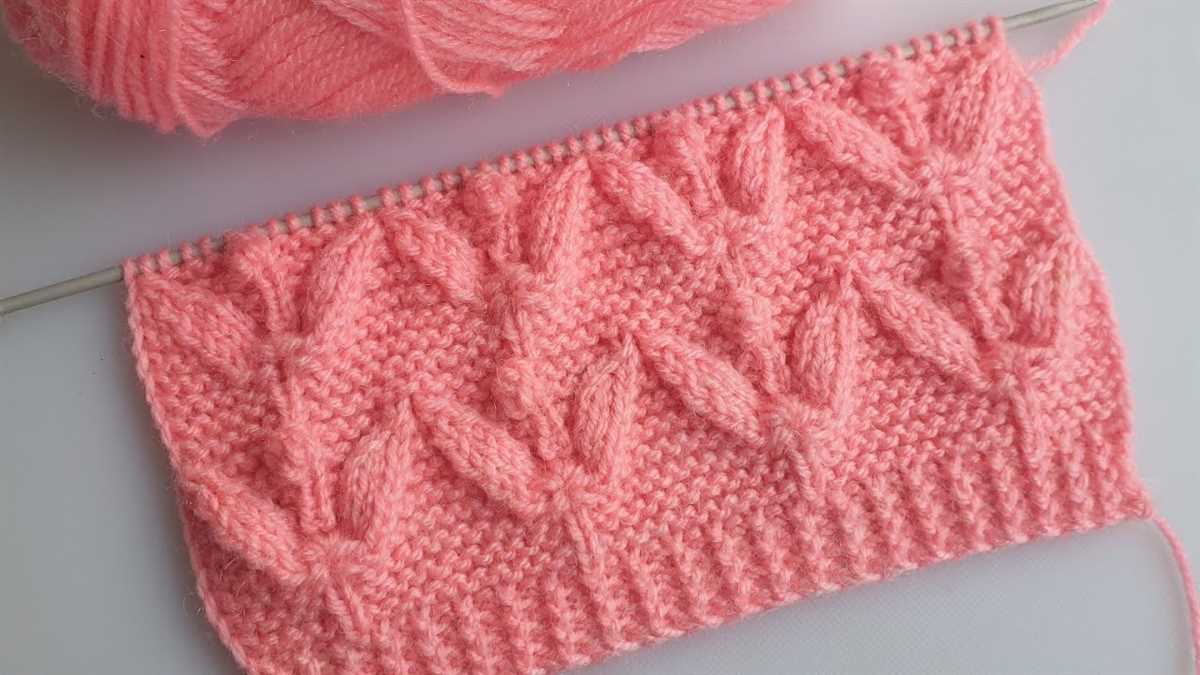
- Thea Colman: Known for her classic and elegant designs, Thea Colman’s patterns are perfect for knitters looking to create timeless pieces.
- Tin Can Knits: This design duo offers a wide range of patterns for all skill levels, from simple scarves to intricate lace shawls.
- Stephen West: Known for his bold and colorful designs, Stephen West’s patterns are perfect for knitters looking to make a statement with their knitting.
- Joji Locatelli: With a focus on modern and minimalist designs, Joji Locatelli’s patterns are perfect for knitters looking to create clean and timeless pieces.
Whether you’re a beginner or an experienced knitter, these designers have something for everyone. Their patterns are not only beautiful but also well-written and easy to follow, making them a joy to knit. So, if you’re looking for the best knitting pattern designers, be sure to check out these talented individuals and add their patterns to your collection.
What Makes a Great Knitting Pattern Designer?

Designing knitting patterns requires a unique combination of creativity, technical skills, and an understanding of the knitting community. A great knitting pattern designer is someone who not only has a keen eye for design but also knows how to create clear and concise instructions that knitters can easily follow.
1. Creativity: A great knitting pattern designer is able to create original and innovative designs that captivate knitters. They have a deep understanding of different knitting techniques and are able to combine them in new and interesting ways to create unique patterns. They are not afraid to experiment with colors, textures, and stitch patterns to create something truly special.
2. Technical Skills: Knitting is a technical craft, and a great knitting pattern designer must have a strong grasp of the technical aspects of knitting. They should be able to create patterns that are well-constructed, with clearly written instructions, accurate sizing, and proper shaping. They should also have a good understanding of different yarns and how they behave, as this can greatly affect the final outcome of a project.
3. Understanding of the Knitting Community: A great knitting pattern designer is connected to the knitting community and understands the needs and preferences of knitters. They know what knitters are looking for in a pattern, whether it’s a trendy design, a classic staple, or a challenging project. They also take into account the skill level of their intended audience and create patterns that are accessible to a wide range of knitters.
4. Clear and Concise Instructions: One of the most important qualities of a great knitting pattern designer is the ability to write clear and concise instructions. Knitters rely on these instructions to successfully complete their projects, so it is crucial that they are easy to understand and follow. A great designer takes the time to clearly explain each step of the knitting process, using both written instructions and charts when necessary.
Overall, a great knitting pattern designer is someone who has a strong creative vision, technical skills, a connection to the knitting community, and the ability to communicate their ideas clearly. They are able to create patterns that inspire and challenge knitters, while also providing them with the necessary guidance to successfully complete their projects.
The Importance of High-Quality Knitting Patterns
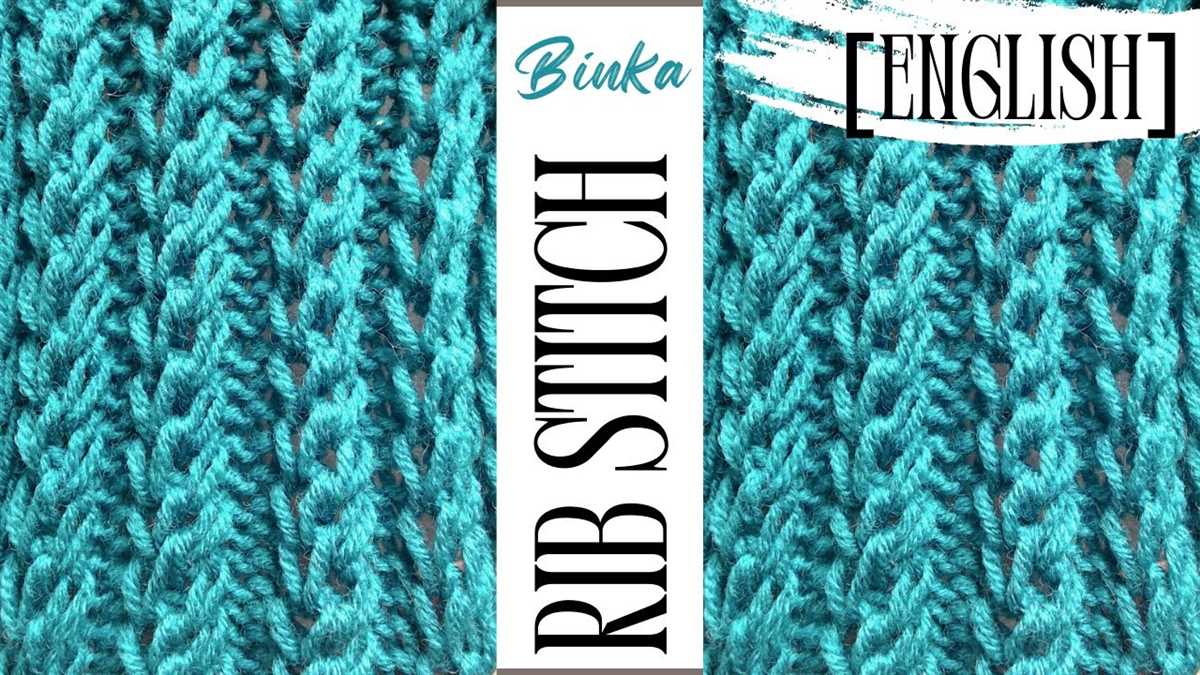
When it comes to knitting, having access to high-quality knitting patterns is essential for achieving successful and satisfying results. Whether you are a beginner or an experienced knitter, having clear and well-written patterns can significantly impact your knitting journey.
Clear and easy-to-understand instructions: High-quality knitting patterns provide clear and concise instructions that are easy to follow. They break down complex techniques into simple steps, making it easier for knitters at all skill levels to understand and execute the pattern correctly. Clear instructions ensure that the final product turns out as intended and reduces the chances of making mistakes along the way.
Well-designed and visually appealing: High-quality knitting patterns often come with detailed charts or diagrams that provide visual aids in addition to written instructions. These visual aids make it easier to understand the pattern’s construction and help visually represent stitch patterns and shaping. A well-designed pattern will also include high-quality images of the finished product, allowing knitters to envision the final outcome.
Accurate sizing and fit: Good knitting patterns will include accurate measurements and sizing information for each garment or accessory. This ensures that the knitted item will fit properly and be comfortable to wear. High-quality patterns also provide guidance on how to make adjustments for different body types or preferences, allowing knitters to customize the fit to their liking.
Overall, having access to high-quality knitting patterns is crucial for a successful knitting project. They provide clear instructions, helpful visual aids, and accurate sizing information, all of which contribute to a more enjoyable and rewarding knitting experience.
Understanding Different Knitting Pattern Styles

When it comes to knitting, there are various pattern styles that knitters can choose from, each offering a unique design and technique. Understanding these different styles can help knitters explore their creativity and expand their knitting skills.
Fair Isle: Fair Isle knitting is characterized by its intricate patterns and use of multiple colors. It originated in Fair Isle, a small island in Scotland, and typically features small repeating motifs. Knitting in the Fair Isle style requires the knitter to carry multiple colors across each row, creating a beautiful colorwork effect.
In contrast, Lace knitting involves creating delicate and openwork patterns by increasing and decreasing stitches strategically. This style of knitting is perfect for creating lightweight and airy garments, shawls, and accessories.
Another popular knitting pattern style is Aran, which originates from the Aran Islands off the west coast of Ireland. Aran knitting traditionally features intricate cable patterns that symbolize different aspects of Island life, such as fishing and farming. This style adds texture and depth to garments, making them cozy and visually appealing.
For those looking to create unique and whimsical designs, Intarsia knitting is an excellent choice. Intarsia involves knitting separate blocks of color, which are later joined together to create a picture or pattern. This style allows knitters to incorporate intricate designs and images into their projects.
With so many knitting pattern styles to choose from, knitters have a vast array of options to explore. Whether it’s creating intricate Fair Isle patterns, delicate lace designs, or textured Aran sweaters, each style offers its own unique challenges and rewards. So, let your creativity take flight and embark on a knitting adventure that suits your style and preferences!
Top Knitting Pattern Designers in Classic Styles
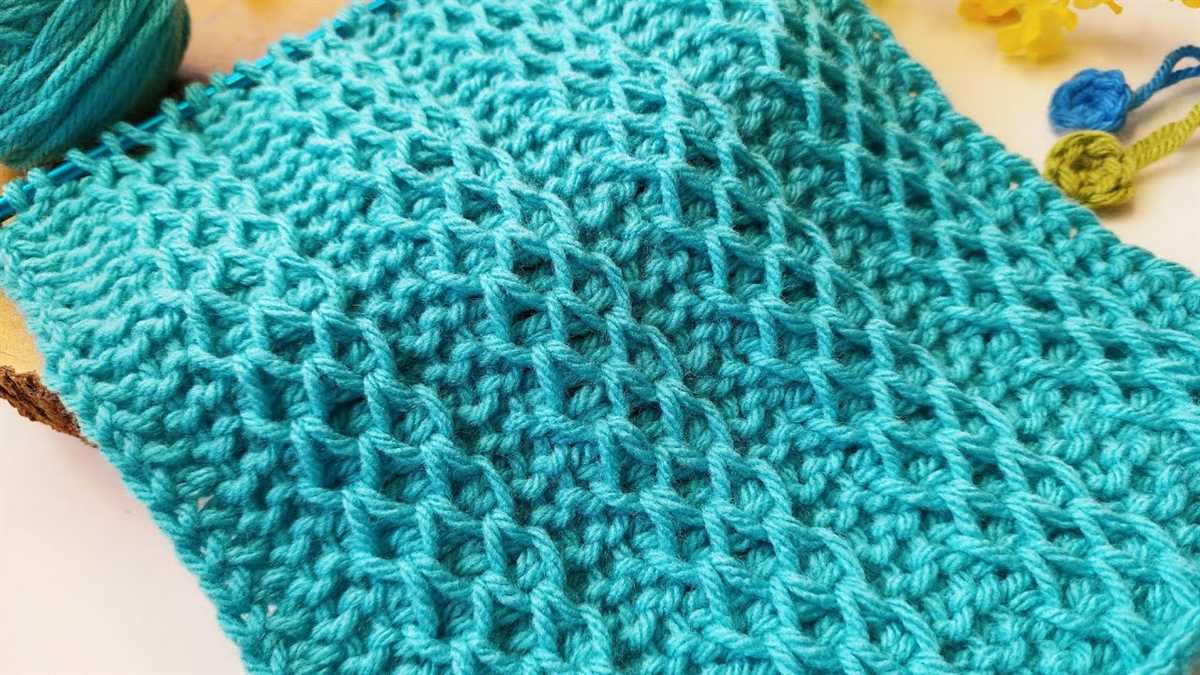
If you appreciate classic knitting patterns and love creating timeless pieces, there are several top designers that you should keep an eye on. These designers have a knack for creating patterns that capture the essence of traditional knitting while adding their own unique touch.
1. Alice Starmore
Alice Starmore is renowned for her intricate fair isle designs. Her patterns often feature intricate colorwork, bold motifs, and stunning detail. Starmore’s designs are perfect for knitters who enjoy challenging projects and want to create heirloom-quality garments.
2. Debbie Bliss
Debbie Bliss is known for her elegant and classic knitting patterns. Her designs often incorporate delicate lacework, timeless silhouettes, and luxurious fibers. Bliss’s patterns are highly sought after by knitters who appreciate refined, feminine styles.
3. Norah Gaughan
Norah Gaughan is a master of cable knitting. Her patterns feature intricate cable designs that create stunning texture and visual interest. Gaughan’s designs are perfect for knitters who love the classic look of cables and want to explore unique and innovative cable motifs.
4. Kim Hargreaves
Kim Hargreaves is known for her contemporary take on classic knitting styles. Her patterns often feature simple, clean lines and relaxed silhouettes. Hargreaves’s designs are great for knitters who prefer modern, minimalist looks with a touch of timeless elegance.
5. Jared Flood
Jared Flood, the founder of Brooklyn Tweed, is known for his expertly designed and well-written patterns. His designs often draw inspiration from traditional knitting techniques and incorporate them into modern styles. Flood’s patterns are a great choice for knitters who appreciate the heritage of knitting and want to create pieces with a modern twist.
If you’re a fan of classic knitting patterns, these designers are definitely worth exploring. They consistently create patterns that highlight the beauty of traditional knitting while adding their own unique flair. Whether you’re a seasoned knitter or just getting started, their patterns will inspire you to create timeless pieces that you’ll cherish for years to come.
Knitting Pattern Designers Pushing Boundaries
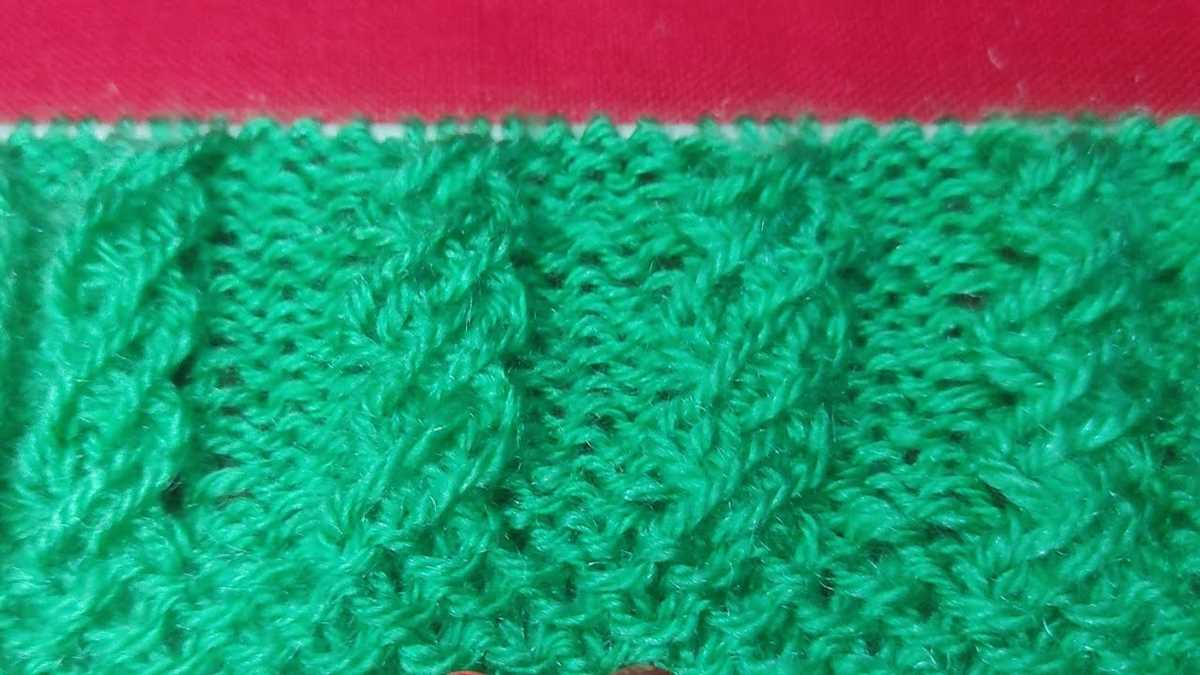
Knitting has come a long way from just being a cozy hobby. The knitting world now boasts a diverse and talented group of pattern designers who are pushing the boundaries of the craft. These designers are breaking traditional norms and experimenting with innovative techniques, bold color choices, and unique construction methods. Their patterns are not only functional but also works of art that challenge knitters to think outside the box.
1. Faye Kennington
Faye Kennington is an up-and-coming knitting pattern designer who is making waves with her bold and unconventional designs. Her patterns often feature unexpected techniques, such as combining intricate lacework with chunky cables. She is known for her use of vibrant color combinations that add a modern twist to traditional knitting designs. Faye’s patterns are a perfect choice for knitters who want to step outside their comfort zone and create truly extraordinary pieces.
2. Isabella Morgan
Isabella Morgan is another knitting pattern designer who is redefining the boundaries of the craft. She is known for her innovative use of construction methods, creating garments that are both stylish and comfortable. Isabella’s patterns often incorporate seamless construction techniques, allowing knitters to create garments that fit like a dream. She also experiments with unconventional yarn choices, such as using recycled materials or hand-dyed yarns, to add a unique touch to her designs.
3. James Anderson
James Anderson is a knitting pattern designer who is known for pushing the boundaries of traditional knitting techniques. He specializes in intricate colorwork, combining different colors and textures to create visually stunning patterns. James often incorporates unconventional stitches and motifs into his designs, challenging knitters to expand their skill set. His patterns are a great choice for knitters who are looking to take their knitting to the next level and create truly showstopping pieces.
These are just a few examples of knitting pattern designers who are pushing the boundaries of the craft. By exploring new techniques, experimenting with color and construction, and challenging traditional norms, these designers are inspiring knitters around the world to push their own boundaries and create truly unique and innovative knitted pieces.
Emerging Knitting Pattern Designers to Watch
As the world of knitting continues to evolve, new and talented designers are constantly emerging with fresh and innovative patterns. These designers bring their unique vision and creativity to the craft, inspiring both experienced and novice knitters alike. Whether you’re searching for a challenging lace project or a cozy sweater, these emerging knitting pattern designers are ones to keep an eye on.
1. Amanda Jones
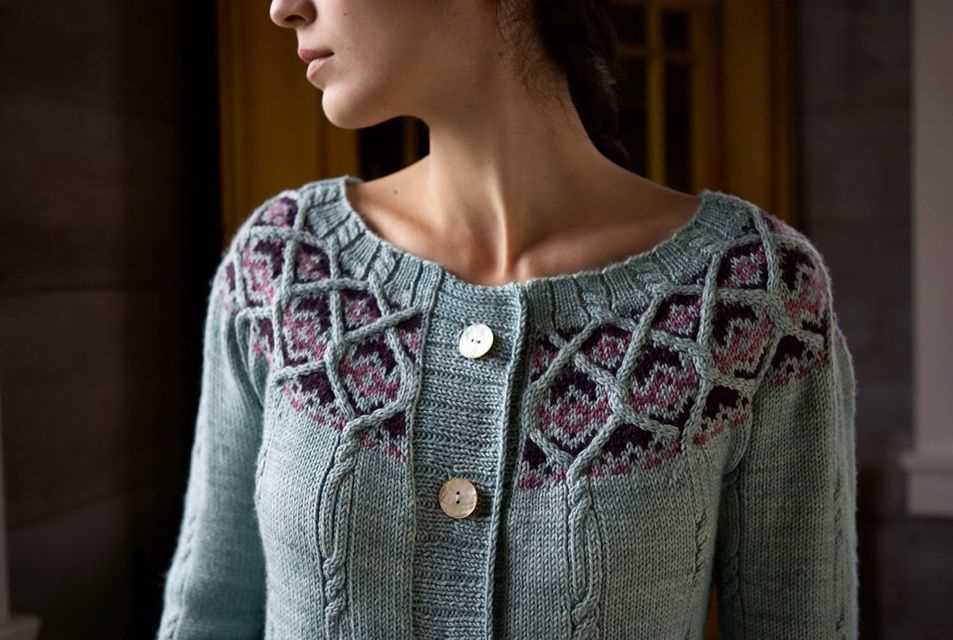
Amanda Jones is a rising star in the knitting world, known for her beautifully intricate lace designs. Her patterns often incorporate unique stitch patterns and delicate motifs, creating breathtaking garments and accessories. Amanda’s attention to detail and clear, easy-to-follow instructions make her patterns a joy to work on, even for beginners.
2. Benjamin Smith
Benjamin Smith is quickly becoming a favorite among knitters with his modern and minimalist designs. His patterns often feature clean lines, interesting textures, and unexpected color combinations. Benjamin’s approach to knitting blends traditional techniques with a contemporary twist, resulting in stylish and wearable pieces that are perfect for both everyday wear and special occasions.
3. Emma Wilson
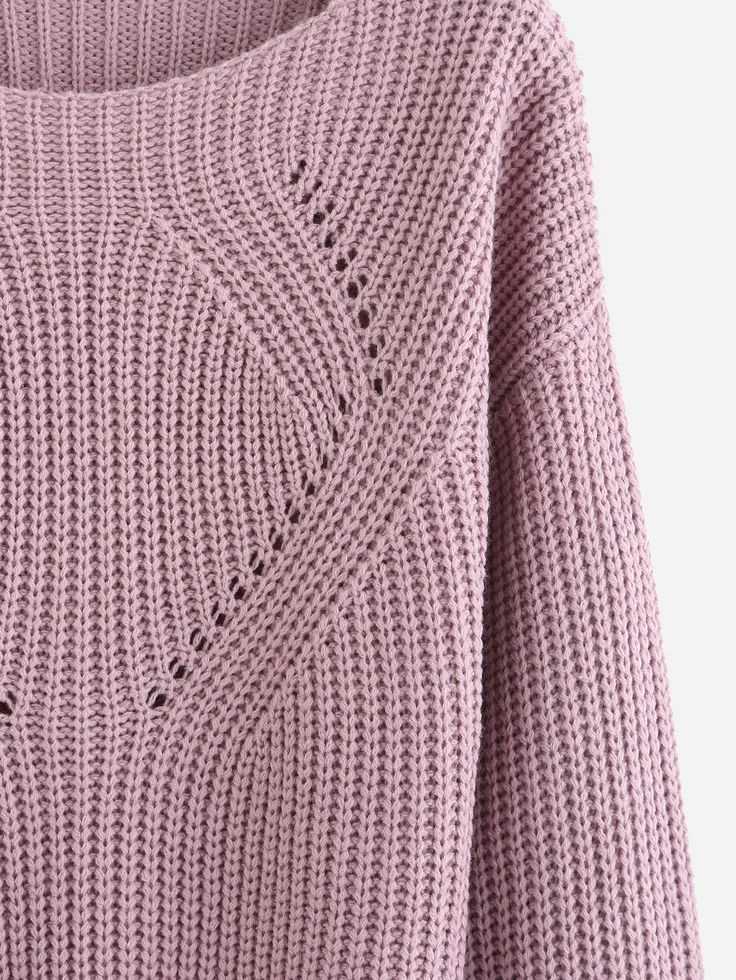
Emma Wilson is an up-and-coming knitting pattern designer known for her cozy and comfortable designs. Her patterns often focus on creating soft and warm knitwear pieces that are perfect for chilly weather. Emma’s designs often incorporate unique stitch patterns and thoughtful details, creating garments and accessories that are as beautiful as they are functional.
If you’re on the lookout for fresh and exciting knitting patterns, don’t miss these emerging designers. Their unique perspectives and innovative designs are sure to inspire your next knitting project, whether you’re an experienced knitter or just starting out.
Knitting Pattern Designers Focused on Sustainability

When it comes to knitting pattern designers, there is a growing movement towards sustainability and ethical practices. These designers have made it their mission to create patterns that not only result in beautiful and unique pieces, but also minimize harm to the environment.
One such designer is Jane Smith, who is known for her eco-friendly patterns. She sources her materials from sustainable yarn companies that prioritize ethical practices. Additionally, she encourages knitters to repurpose yarn from old or unused projects, promoting a circular economy within the knitting community. Smith’s patterns often incorporate innovative techniques and stitches that maximize yarn usage, reducing waste.
EcoKnits is another well-known designer in the sustainability space. This brand focuses on creating patterns that promote the use of natural fibers, such as organic cotton and bamboo. The patterns are designed to be durable and long-lasting, encouraging knitters to create items that will withstand the test of time. To further minimize environmental impact, EcoKnits also offers tips on how to properly care for knitted garments to prolong their lifespan.
Many knitting pattern designers are also embracing the idea of slow fashion. This movement advocates for garments that are made to last, as opposed to fast fashion trends that result in disposable clothing. Slow fashion knitters like Amanda Johnson prioritize high-quality materials and timeless designs that can be enjoyed for years to come. They encourage knitters to take their time with each project, focusing on craftsmanship and attention to detail.
In conclusion, knitting pattern designers focused on sustainability are playing a crucial role in promoting eco-friendly practices within the knitting community. By sourcing sustainable materials, encouraging yarn repurposing, and promoting slow fashion, these designers are leading the way towards a more conscious and ethical approach to knitting.
How to Choose the Right Knitting Pattern Designer for You
When it comes to knitting, finding the right pattern designer can make all the difference in your crafting experience. With so many talented designers out there, it can be overwhelming to choose the perfect fit. Here are some tips to help you find the right knitting pattern designer for you:
1. Consider your skill level:
One of the first things to consider when choosing a knitting pattern designer is your own skill level. Some designers specialize in creating patterns for beginners, while others focus on more advanced techniques. Assess your knitting capabilities and look for a designer whose patterns align with your skill level. This will ensure that you can successfully complete the projects and continue to grow your skills.
2. Look for designs that inspire you:
Another important factor to consider is your personal taste and style. Browse through different designers’ portfolios and take note of the designs that catch your eye. Do you prefer classic, timeless patterns, or are you more drawn to contemporary and unique designs? Finding a designer whose aesthetic matches your own will make knitting a more enjoyable and personal experience.
3. Read reviews and seek recommendations:
Before committing to a knitting pattern designer, take the time to read reviews and seek recommendations from other knitters. Look for feedback on the clarity and accuracy of the patterns, as well as the designer’s responsiveness to questions and concerns. Asking for recommendations from fellow knitters or joining knitting communities online can also provide valuable insights and suggestions.
4. Consider the type of patterns you enjoy:
Knitting patterns can vary widely, from garments and accessories to home decor and toys. Consider the types of projects you enjoy knitting and look for designers who specialize in those areas. For example, if you love knitting socks, seek out designers who are known for their sock patterns. This will ensure that you find patterns that you feel excited about and are more likely to complete.
5. Pay attention to pattern support:

Last but not least, consider the level of support the designer provides for their patterns. Do they offer detailed written instructions, charts, or video tutorials? Is there a way to reach out to the designer for assistance or clarification if needed? Good pattern support can make a big difference, especially if you are tackling a more challenging project or trying out new techniques.
By considering your skill level, personal style, and the type of patterns you enjoy, reading reviews, and paying attention to pattern support, you can find the perfect knitting pattern designer to enhance your crafting journey.
Tips for Successfully Using Knitting Patterns
Knitting patterns are wonderful tools that help knitters create beautiful and intricate designs. However, they can sometimes be daunting for beginners or even experienced knitters. Here are some tips to help you navigate knitting patterns and successfully complete your projects.
1. Read the pattern thoroughly before starting
Before you begin knitting, take the time to carefully read through the entire pattern. Make sure you understand the instructions, abbreviations, and any special stitches that may be required. This will help you avoid mistakes and confusion as you work through the project.
2. Check your gauge
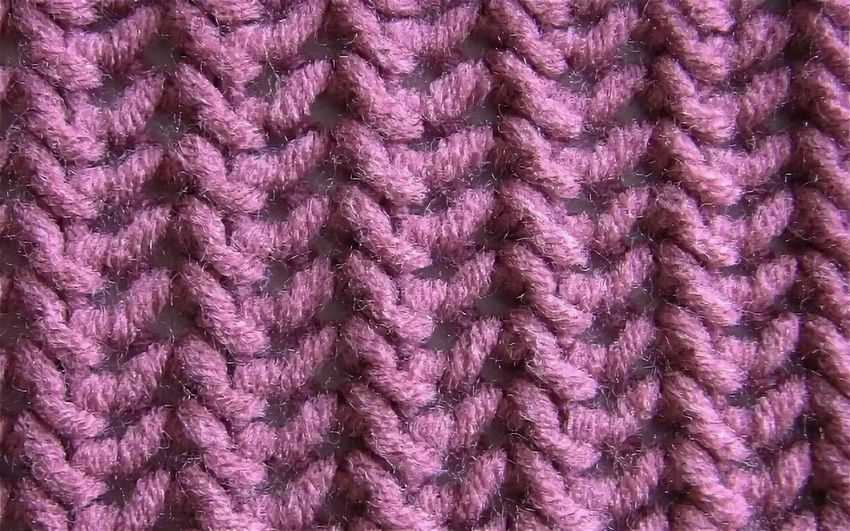
Gauge refers to the number of stitches and rows per inch that a pattern requires. It is important to check your gauge before starting a project to ensure that your finished item will match the size specified in the pattern. Use the recommended needle size and yarn weight, and knit a swatch to measure your gauge. Adjust your needle size if necessary to achieve the correct gauge.
3. Take notes as you go
Keep a notebook or use a knitting app to jot down any changes or modifications you make to the pattern. This can include things like stitch counts, alterations to the pattern repeat, or adjustments for a better fit. Taking notes will help you keep track of your progress and make it easier to replicate any changes if you decide to knit the pattern again.
4. Ask for help if needed

If you come across a section of the pattern that you don’t understand or need clarification on, don’t hesitate to ask for help. Reach out to an experienced knitter, join a knitting community or forum, or consult online tutorials. Getting assistance will ensure that you can successfully complete your project without frustration.
5. Practice patience and take breaks
Knitting can sometimes be time-consuming and require a lot of concentration. It’s important to practice patience and take breaks when needed. If you’re feeling frustrated or tired, step away from your project for a while and come back to it with fresh eyes. This will help you maintain your enjoyment of knitting and produce better results.
By following these tips, you can confidently use knitting patterns to create beautiful projects. Remember to take your time, stay organized, and enjoy the process of knitting!
The Future of Knitting Pattern Design
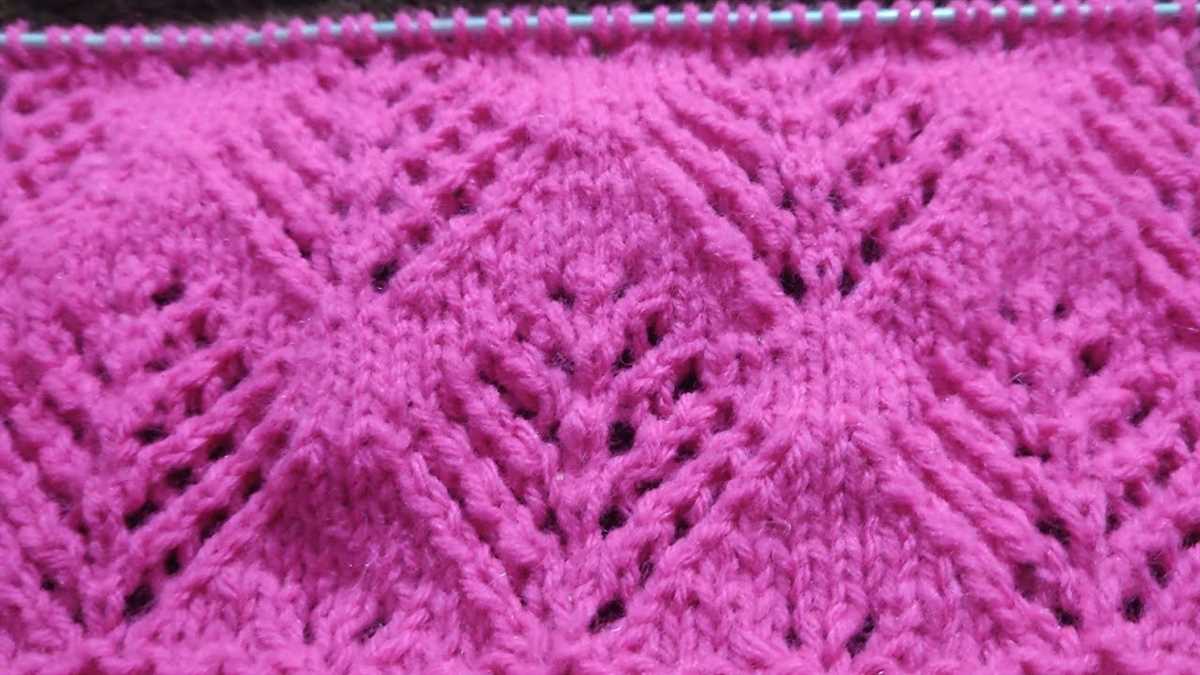
The world of knitting pattern design is constantly evolving and adapting to new technologies and trends. As technology continues to advance, we can expect to see exciting innovations in the way patterns are created, shared, and used.
One of the major trends in knitting pattern design is the integration of digital platforms and tools. Online marketplaces and platforms like Ravelry have revolutionized the way patterns are distributed and accessed by knitters. Knitting pattern designers are now able to reach a global audience and connect with other like-minded knitters through these digital platforms.
In the future, we can expect to see even more interactive and immersive experiences in knitting pattern design. Virtual reality and augmented reality technologies could allow knitters to visualize and try on finished garments before they even pick up their needles. This would give knitters a better idea of the final outcome and help them make more informed decisions about color, fit, and style.
Additionally, advancements in artificial intelligence and machine learning could have a significant impact on knitting pattern design. AI-powered algorithms could analyze data on popular patterns, knitting techniques, and trends to inform designers and help them create patterns that are more accurate, user-friendly, and tailored to individual knitters’ preferences. This could lead to more personalized and customizable patterns that cater to a wider range of skill levels and garment types.
In conclusion,
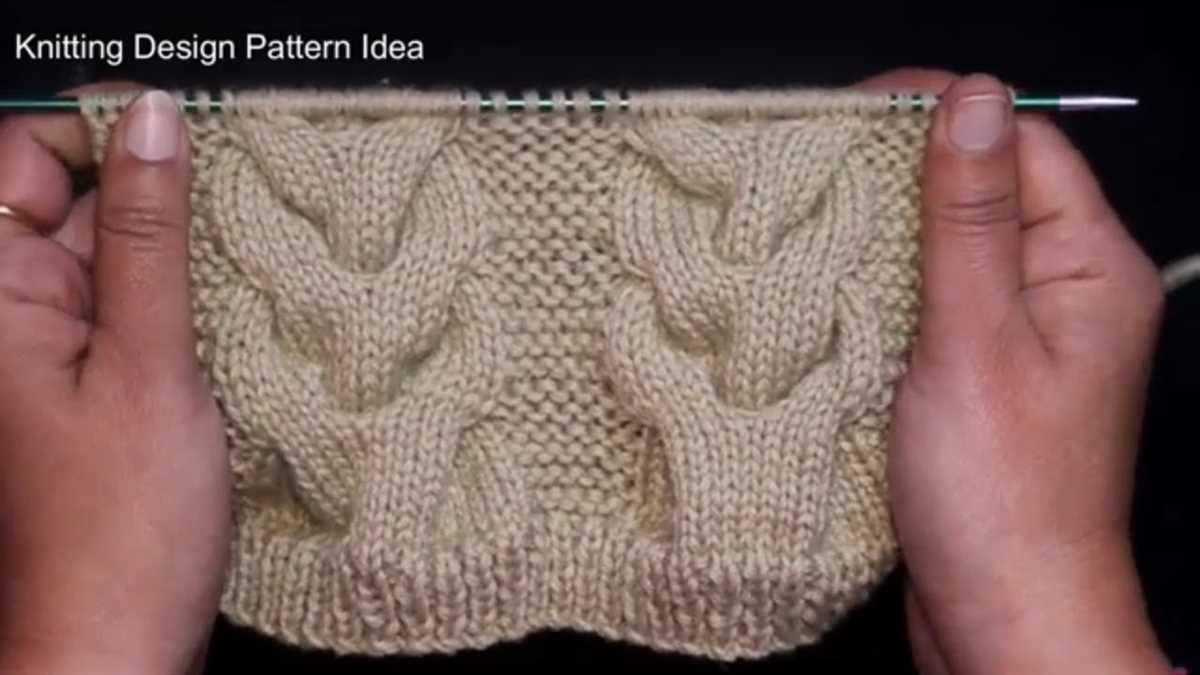
the future of knitting pattern design holds great promise. With the integration of digital platforms, virtual reality, and artificial intelligence, knitting pattern designers will have new tools and opportunities to create innovative, engaging, and customizable patterns. Knitters can look forward to a more connected and immersive knitting experience, with patterns that are tailored to their preferences and help them bring their creative ideas to life.