Easy-to-follow lace knitting patterns for beginners
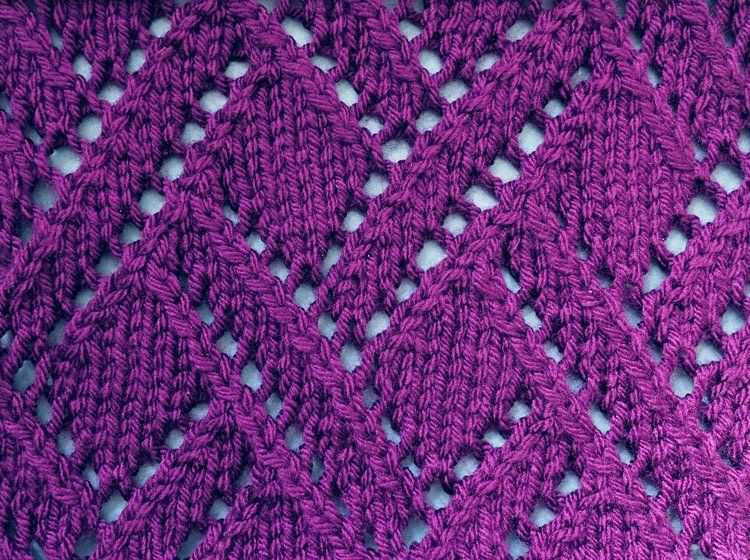
If you’re a beginner knitter looking to try your hand at lace knitting, you’re in luck! There are plenty of free lace knitting patterns available that are perfect for beginners. Lace knitting involves creating intricate and delicate patterns using yarn overs and decreases, and it can seem intimidating at first. However, with the right pattern and a little practice, you’ll be creating stunning lace projects in no time!
One of the best things about lace knitting is that it can be done with just a few basic stitches. Even if you’re new to knitting, you’ll be able to learn and master these stitches quickly. And once you get the hang of them, you can start experimenting with different lace patterns and create your own unique designs.
There are many resources available online that offer free lace knitting patterns for beginners. These patterns are often accompanied by detailed instructions and helpful tips, making them perfect for those just starting out. Whether you’re looking to knit a lacy scarf, a delicate shawl, or even a cozy sweater, you’re sure to find a pattern that suits your skill level and style.
What is lace knitting?
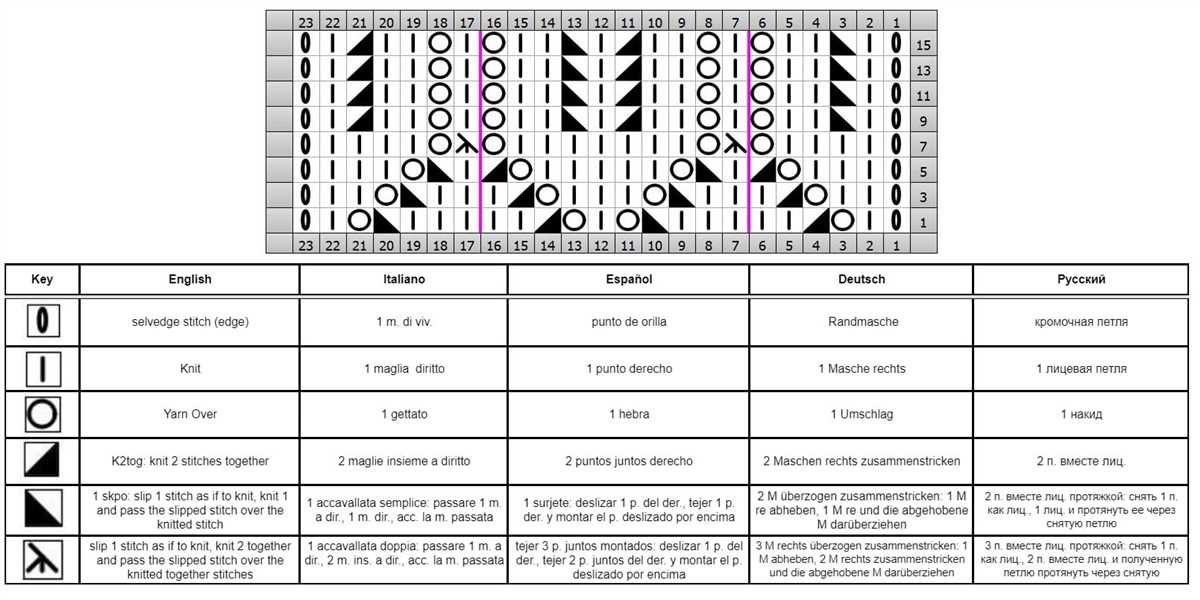
Lace knitting is a technique that involves creating intricate patterns in knitted fabric by adding deliberate holes or “eyelets”. These eyelets are formed using various methods, such as yarn overs or knit-two-togethers, to create an open and airy texture. Lace knitting can be used to create delicate and beautiful designs in shawls, scarves, sweaters, and other garments.
In lace knitting, the patterns are usually created by working a combination of knit and purl stitches, along with specific yarn manipulations, to form the desired design. The resulting fabric is lightweight, flexible, and can have a delicate drape. Lace knitting is often associated with traditional and vintage designs, but it can also be incorporated into modern and contemporary pieces.
Although lace knitting may look complex, it is a technique that can be mastered by beginners with practice and patience. Starting with simple lace patterns and gradually increasing the level of difficulty can help beginners build their skills and confidence. There are numerous free lace knitting patterns available online for beginners to start their lace knitting journey.
Some popular lace knitting patterns for beginners include basic lace scarves, simple lace shawls, and easy lace stitch dishcloths. These patterns usually use a small number of stitches and repeat a few simple lace motifs to create the overall design. By following clear instructions and watching video tutorials, beginners can learn the techniques and stitches required for lace knitting.
Free lace knitting patterns for beginners often provide step-by-step guidance on how to read lace charts, understand lace stitch abbreviations, and execute common lace knitting techniques. These resources not only offer patterns but also offer educational materials to help beginners understand and master the art of lace knitting.
Overall, lace knitting is a captivating technique that allows knitters to create intricate and beautiful designs. With practice and the right resources, beginners can explore and enjoy the world of lace knitting by trying out free lace knitting patterns. So dive in and discover the joy of creating delicate and stunning lacework!
Why Start with Lace Knitting?

Lace knitting can be a beautiful and rewarding skill to learn for beginners. While it may seem intimidating at first, it offers a unique opportunity to create intricate and delicate designs in your knitting projects. Here are a few reasons why you should consider starting with lace knitting:
1. Challenge and Growth
Lace knitting is a step up from basic knitting patterns, offering a new challenge that can help you develop your skills. As a beginner, learning to read lace charts and follow complex patterns can be a great way to expand your knitting repertoire. It allows you to push your boundaries and grow as a knitter.
2. Versatility and Variety
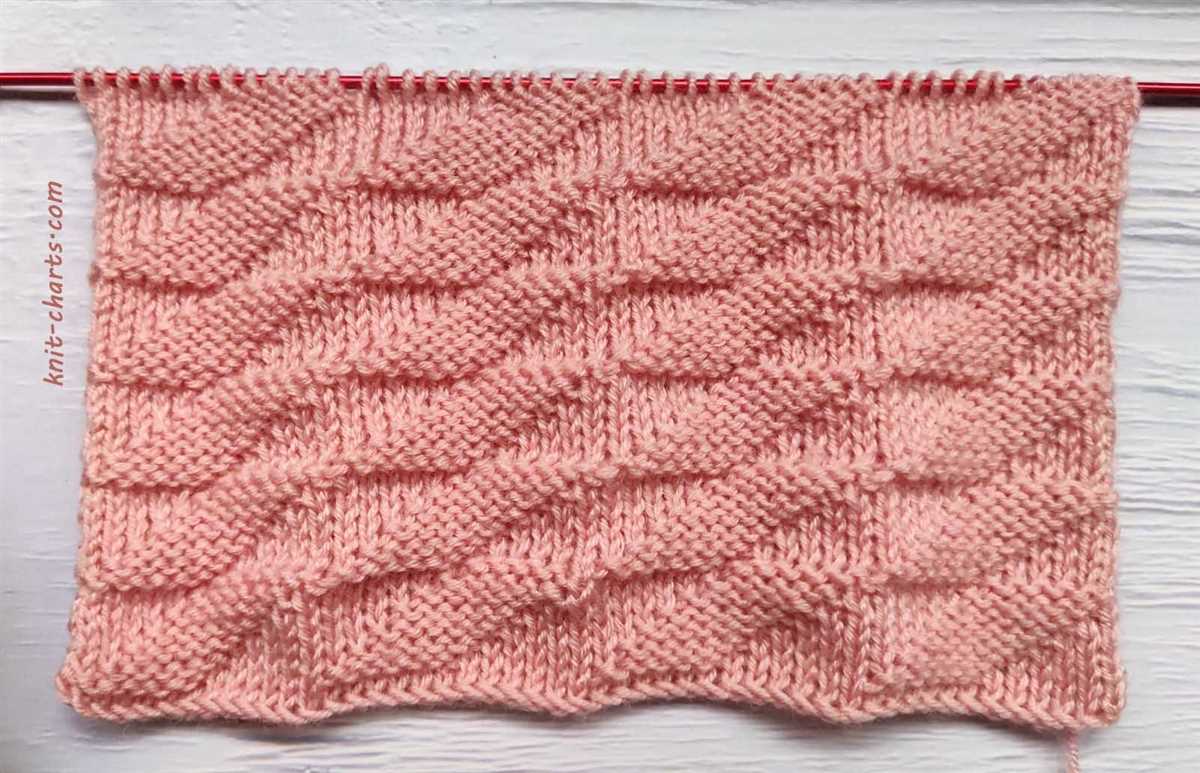
Lace knitting opens up a world of possibilities in terms of design and style. Whether you’re interested in knitting delicate shawls, intricate doilies, or lacy garments, lace patterns can be easily adapted to suit your preferences. This versatility allows you to explore different techniques and experiment with different looks.
3. Beautiful Finished Products
One of the most rewarding aspects of lace knitting is the end result. The delicate and detailed patterns created by lace stitches can yield stunningly beautiful finished products. Whether you’re knitting a lace scarf for yourself or a lacy baby blanket for a loved one, the finished piece is sure to impress.
4. Free Resources for Beginners

Fortunately, there are plenty of free lace knitting patterns available for beginners. These patterns are designed specifically for those who are new to lace knitting, providing step-by-step instructions and simple designs to help you get started. Using these resources, you can learn the basics of lace knitting without breaking the bank.
Overall, starting with lace knitting can be a fantastic way to challenge yourself, explore new techniques, and create beautiful finished projects. With the abundance of free resources available online, it’s easier than ever for beginners to dive into the world of lace knitting.
Essential tools for lace knitting
When it comes to lace knitting, having the right tools can make all the difference in the world. As a beginner, there are a few essential tools that you will need to ensure a successful lace knitting experience.
First and foremost, you will need a pair of lace knitting needles. Lace knitting typically involves working with fine yarns and delicate stitches, so it’s important to use needles that are thin and lightweight. Circular needles are a popular choice for lace knitting, as they allow for easy movement of stitches and can accommodate larger projects.
Another important tool for lace knitting is a set of stitch markers. These small, decorative rings can be placed on your needles to mark specific stitches or pattern repeats. Stitch markers are especially useful in lace knitting, as they help you keep track of your progress and make it easier to correct any mistakes.
In addition to needles and stitch markers, it’s also important to have a set of blocking tools. Blocking is the process of shaping and smoothing your finished lace project to give it a professional appearance. A blocking mat, T-pins, and blocking wires are all essential tools for blocking lace knitting projects.
Lastly, having a good set of lace knitting patterns is essential for beginners. These patterns will provide you with detailed instructions and charts to help guide you through the lace knitting process. Look for patterns that are specifically marked as suitable for beginners, as they will often feature simpler stitch patterns and clear explanations.
In conclusion, investing in the right tools is key to successful lace knitting. Lace knitting needles, stitch markers, blocking tools, and lace knitting patterns are all essential items for beginners. By having these tools on hand, you’ll be well-equipped to dive into the world of lace knitting and create beautiful, intricate designs with ease.
Choosing the right yarn for lace knitting
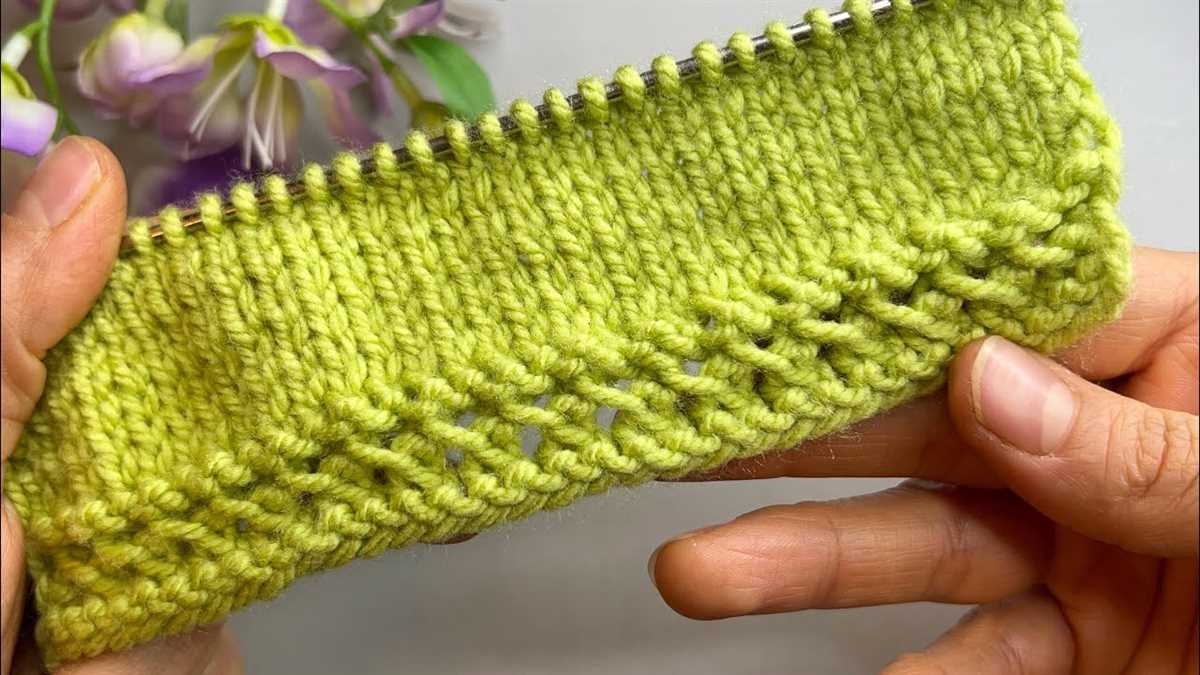
When it comes to lace knitting, choosing the right yarn is crucial. The yarn you choose can greatly affect the final outcome of your project, as well as determine how easy or difficult it will be to knit the lace pattern. Here are some factors to consider when selecting yarn for lace knitting:
Yarn Weight:
The weight of the yarn will impact the overall look and feel of your lace project. Traditionally, lace knitting is done with fine weight yarn, such as lace weight or fingering weight. These yarns create delicate and airy lace patterns, perfect for shawls and delicate accessories. However, you can also experiment with slightly heavier yarn weights, like sport or DK weight, to create different effects.
Fiber Content:
The fiber content of the yarn will affect the drape, stitch definition, and blocking capabilities of the finished lace piece. Natural fibers, such as silk, wool, and alpaca, are popular choices for lace knitting due to their breathability and ability to hold blocking. However, blends that include synthetic fibers can provide added strength and durability to your lace projects.
Color:
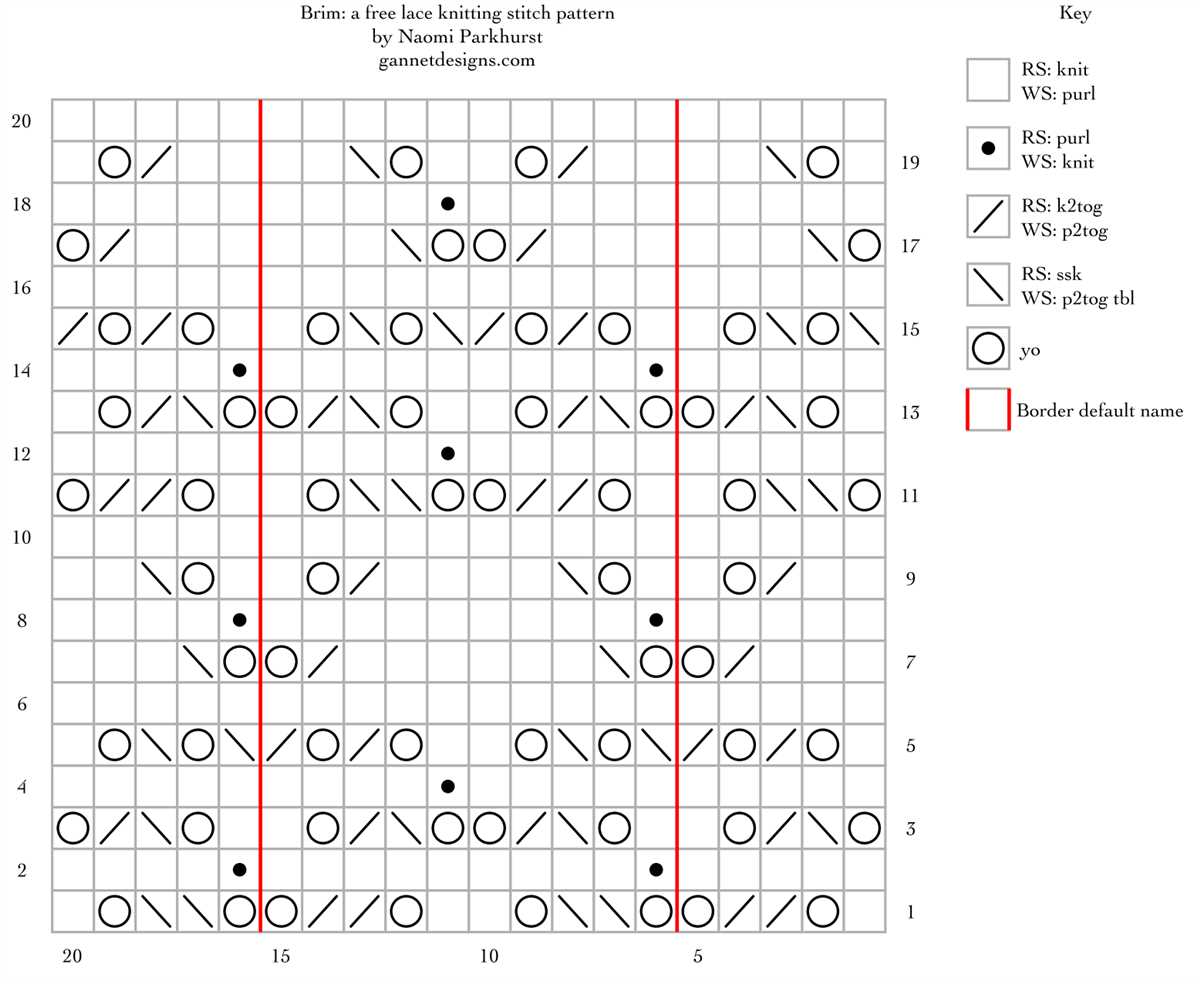
When choosing yarn for lace knitting, consider how the color will enhance or detract from the lace pattern. Solid or tonal yarns allow the lace stitches to shine and showcase the intricate details. Variegated or self-striping yarns can add visual interest to simpler lace patterns. However, be mindful that complex lace patterns can get lost in highly variegated yarns, so it’s best to choose a yarn with a more subtle color variation.
Texture:
The texture of the yarn can influence the overall look of the lace pattern. Smooth and plied yarns typically show lace stitches more clearly, allowing the delicate details to stand out. On the other hand, textured or boucle yarns can add dimension and interest to simpler lace patterns, creating a unique and textured effect.
Ultimately, the right yarn for your lace knitting project will depend on your personal preferences and the specific pattern you are working on. Experimenting with different yarns can be a fun way to explore the possibilities of lace knitting and create unique, beautiful pieces.
Basic lace knitting stitches
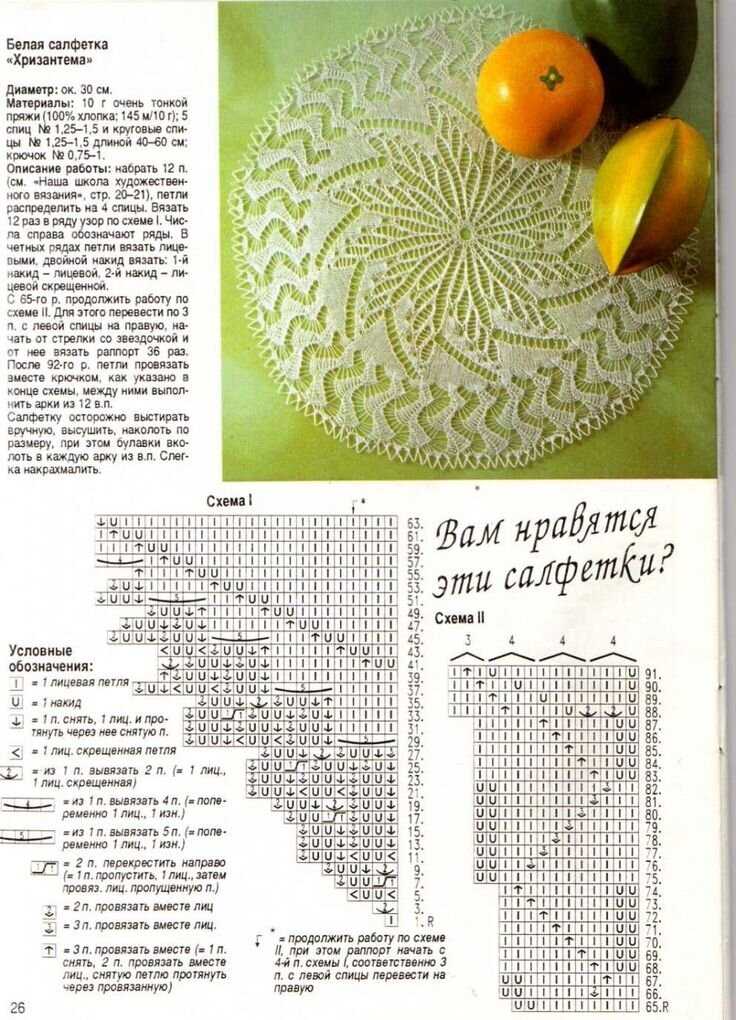
When starting out with lace knitting, it’s important to familiarize yourself with some basic stitches that are commonly used in lace patterns. These stitches form the building blocks of lace knitting and can be combined in various ways to create intricate and beautiful designs.
Knit stitch (K): The knit stitch is the most basic stitch in knitting, and it is often used as the foundation for lace patterns. To knit a stitch, insert the right-hand needle into the front of the stitch on the left-hand needle, wrap the working yarn around the right-hand needle counterclockwise, and pull the loop through to create a new stitch.
Purl stitch (P): The purl stitch is another fundamental stitch in knitting and is frequently used to create texture in lace patterns. To purl a stitch, insert the right-hand needle into the front of the stitch on the left-hand needle from right to left, wrap the working yarn around the right-hand needle counterclockwise, and pull the loop through to create a new stitch.
Yarn over (YO): The yarn over is an essential stitch in lace knitting and is used to create the holes or eyelets that are characteristic of lace patterns. To do a yarn over, simply bring the working yarn from the back to the front of the work, creating a loop on the right-hand needle. This loop counts as a stitch in the pattern.
In addition to these basic stitches, lace knitting often incorporates decreases, such as the knit two together (K2tog) and the slip, knit, pass (SKP) stitches, to shape the fabric and create the lace motifs. It’s important to read and understand the instructions for each lace pattern carefully, as the combinations and variations of these stitches can vary.
As you gain experience with lace knitting, you’ll find that the possibilities are endless. You can experiment with different stitch combinations, add more complicated lace motifs, and incorporate lace into a wide range of knitting projects, from scarves and shawls to socks and sweaters. With practice and patience, you’ll soon be creating stunning lace designs of your own!
Tips for reading lace knitting charts
Reading lace knitting charts can be intimidating for beginners, but with a little practice and understanding, it can become an enjoyable part of the knitting process. Here are some helpful tips to make reading lace knitting charts easier:
1. Start with simple patterns:

If you’re new to lace knitting charts, it’s best to start with simple patterns that have fewer symbols and stitches. This will help you become familiar with the basic chart symbols and how they correspond to the knitting stitches.
2. Understand the symbols:
Each lace knitting chart uses symbols to represent different types of stitches. Take the time to understand what each symbol means before you begin knitting. Common symbols include yarn overs, decreases, and knit and purl stitches.
3. Read the chart row by row:
A lace knitting chart is typically read from right to left on the right side rows and from left to right on the wrong side rows. Take your time to read each row of the chart carefully, following the symbols and their corresponding stitches.
4. Use stitch markers:
Placing stitch markers at key points on the chart can help you keep track of your progress and make it easier to read the chart. For example, you can place a stitch marker at the beginning and end of a repeat section to help you visually organize the pattern.
5. Practice reading the chart alongside the written instructions:
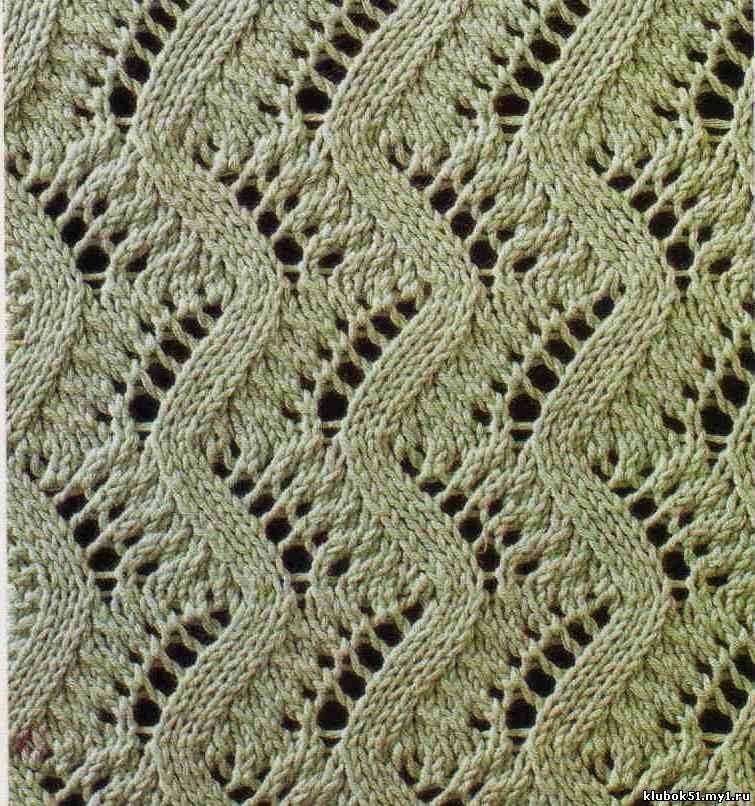
Many lace knitting patterns include both a chart and written instructions. Practice reading the chart alongside the written instructions to help reinforce your understanding of the symbols and stitches.
6. Take breaks when needed:
Reading and knitting lace charts can be mentally challenging, especially if you’re new to them. If you find yourself feeling overwhelmed or frustrated, take a break and come back to it with fresh eyes. Sometimes a little break can make a big difference in your understanding.
Remember, reading lace knitting charts takes practice, so don’t be discouraged if you don’t get it right away. With time and patience, you’ll become more confident in your ability to read and knit lace patterns.
Simple lace knitting patterns for beginners
Learning lace knitting can be a fun and rewarding experience for beginners. While lace patterns may seem daunting at first, there are many simple patterns available that can help beginners gain confidence and develop their skills. Whether you are looking to knit a delicate scarf or a decorative shawl, here are a few simple lace knitting patterns that are perfect for beginners.
1. Garter Stitch Lace Scarf
The garter stitch lace scarf is a great pattern for beginners as it combines basic garter stitch with a simple lace pattern. The lace pattern is achieved by alternating rows of yarnovers and knit stitches, creating an openwork design. This pattern is perfect for practicing yarnovers and basic lace techniques.
2. Seed Stitch Lace Dishcloth
If you are looking for a small project to practice lace knitting, the seed stitch lace dishcloth is a great option. The lace pattern in this dishcloth is created by knitting and purling stitches in a specific order, resulting in a textured and lacy design. This pattern is perfect for practicing pattern repeats and following written instructions.
3. Eyelet Lace Headband
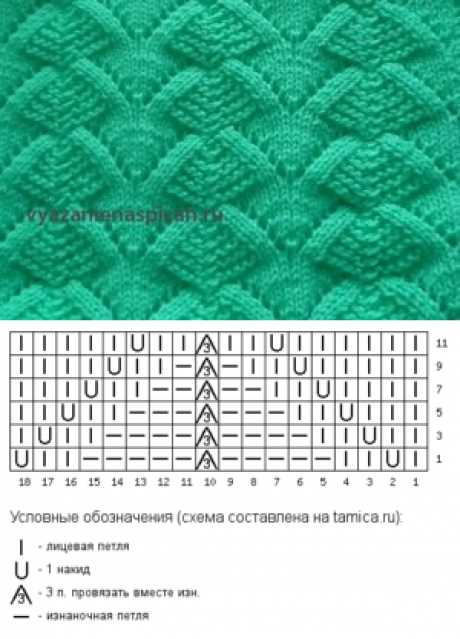
The eyelet lace headband is a simple and quick project that is perfect for beginners. The lace pattern in this headband is created by knitting yarnovers and knit stitches in a specific pattern. The headband can be adjusted to fit any size, making it a versatile accessory. This pattern is great for practicing shaping and working with different yarn weights.
These simple lace knitting patterns are perfect for beginners who are looking to expand their knitting skills. By starting with these projects, beginners can gain confidence in working with lace and develop the necessary techniques to take on more intricate lace patterns in the future.
Lace Knitting Patterns for Scarves
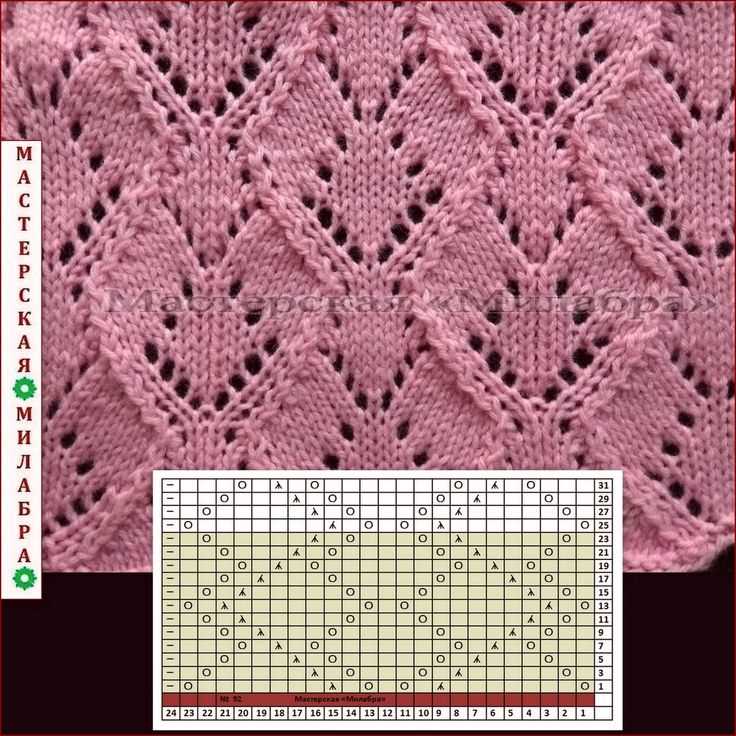
If you are a beginner in lace knitting and want to try your hand at creating beautiful scarves, there are plenty of free patterns available online. Lace knitting is a technique that involves creating delicate and intricate designs using a combination of yarn overs and decreases. It can produce stunning results, giving your scarves an elegant and feminine touch.
One popular lace knitting pattern for scarves is the “Feather and Fan” stitch. This stitch creates a wavy pattern that resembles feathers or leaves, making it perfect for adding a touch of nature to your scarf. The pattern typically involves repeating a sequence of yarn overs, knit stitches, and decreases, creating a cascading effect along the length of the scarf.
If you prefer a more geometric design, you might want to try the “Diamonds and Pearls” lace pattern. This pattern features a repeating diamond motif with small purl stitches resembling pearls. It creates a stunning texture that is both visually appealing and fun to knit. This pattern also provides a great opportunity to practice reading lace charts and following intricate stitch patterns.
For a delicate and airy look, the “Fern Lace” pattern is a great choice. This pattern creates an intricate lace pattern that resembles fern leaves. It involves a combination of yarn overs and decreases to create the unique design. The resulting scarf is lightweight and perfect for wearing during the warmer months.
Whether you choose a pattern with wavy motifs, geometric designs, or delicate lace, lace knitting patterns for scarves offer a world of possibilities for beginners. With a little practice, you can create beautiful accessories that are both stylish and unique. So grab your knitting needles and dive into the world of lace knitting!
Lace Knitting Patterns for Shawls
If you are looking to add a touch of elegance and sophistication to your wardrobe, lace knitting patterns for shawls are the perfect choice. Shawls are versatile accessories that can be worn in various ways, making them a great addition to any outfit. Lace knitting adds a delicate and intricate look to shawls, giving them a beautiful and feminine appeal.
There are numerous lace knitting patterns available for shawls, ranging from simple beginner patterns to more complex designs. If you are just starting out in lace knitting, it is recommended to begin with a basic pattern that uses simple lace stitches. This will help you get familiar with the techniques and build your confidence before attempting more intricate designs.
Materials:
- Yarn: Choose a yarn that is suitable for lace knitting, such as a lightweight yarn with good stitch definition.
- Knitting needles: Use knitting needles that are appropriate for your chosen yarn, typically in a size that will give you the desired tension and drape.
- Stitch markers: These can be helpful for keeping track of your lace pattern repeats.
- Tapestry needle: Use this for weaving in ends and finishing your shawl.
Pattern:
There are numerous lace knitting patterns available for shawls, ranging from simple beginner patterns to more complex designs. When choosing a pattern, consider your skill level and the amount of time you are willing to dedicate to the project. Some patterns may involve more intricate stitch patterns and require more time and attention to detail.
Tips:
- Pay close attention to the pattern instructions and charts. Lace knitting can be challenging and requires careful attention to stitch counts and pattern repeats.
- Use lifelines: Lifelines are a great tool for lace knitting, especially for more complex patterns. They allow you to easily backtrack if you make a mistake, saving you from having to rip out the entire project.
- Block your finished shawl: Blocking is an important step in lace knitting, as it helps to open up the lace stitches and give your shawl a polished and professional finish.
With a wide variety of lace knitting patterns available, you can easily find a design that suits your style and skill level. Whether you are a beginner or an experienced lace knitter, knitting a lace shawl can be a rewarding and enjoyable project.
Lace Knitting Patterns for Baby Blankets
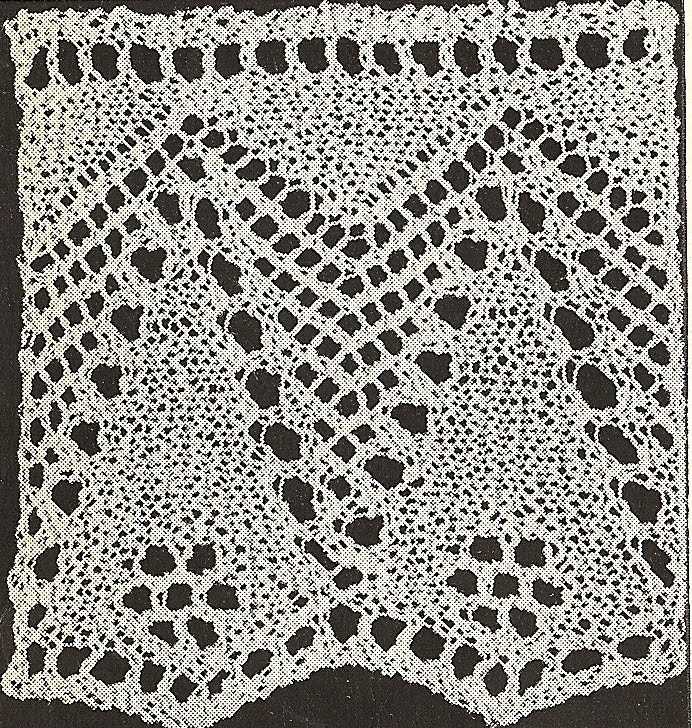
A baby blanket is a cherished item for any family, and knitting one with lace patterns adds an extra touch of elegance and beauty. Lace knitting patterns for baby blankets feature intricate designs and delicate details that create a stunning finished product.
One of the most popular lace knitting patterns for baby blankets is the feather and fan pattern. This pattern creates a wave-like effect with alternating sections of openwork and solid knitting. The feather and fan lace pattern is relatively simple to knit, making it a great choice for beginners. It can be adapted to various yarn weights and colors, allowing for endless customization options.
Another lovely lace pattern for baby blankets is the shell lace pattern. This pattern features rows of delicate shells that resemble sea-inspired motifs. The shell lace pattern is versatile and can be easily adjusted to fit different sizes and styles of blankets. It creates a soft and delicate texture that is perfect for a baby’s sensitive skin.
If you are looking for a more intricate lace pattern, the diamond lace pattern is a great choice. This pattern creates a stunning diamond design with a combination of openwork and textured stitches. The diamond lace pattern requires more advanced knitting skills but produces a truly beautiful and heirloom-worthy baby blanket.
When knitting a lace baby blanket, it is important to choose a soft and gentle yarn that is suitable for a baby’s sensitive skin. Opt for lightweight yarns such as cotton or bamboo blends, as they are breathable and comfortable for babies. Additionally, consider using pastel or neutral colors to create a soothing and calming atmosphere for the baby.
With the right lace knitting pattern and yarn choice, you can create a breathtaking baby blanket that will be treasured for years to come. Whether you choose a simple feather and fan pattern or a more intricate diamond lace design, the result will be a beautiful and delicate blanket that will be cherished by both baby and parents.
Lace Knitting Patterns for Hats
Lace knitting patterns can add a touch of elegance and intricacy to any hat. Whether you are a beginner or an experienced knitter, there are plenty of free lace knitting patterns available that can help you create beautiful and unique hats.
One popular lace knitting pattern for hats is the “Feather and Fan” stitch. This pattern features a series of alternating knit and purl stitches, creating a delicate and airy design. The Feather and Fan stitch is perfect for lightweight hats that are ideal for spring or summer.
Another lace knitting pattern for hats is the “Honeycomb” stitch. This pattern creates a stunning hexagonal design that adds texture and visual interest to the hat. The Honeycomb stitch is great for chunky and warm hats, making it an excellent choice for winter wear.
If you’re looking for a lace knitting pattern that is suitable for beginners, the “Garter Eyelet” stitch is a great option. This pattern is simple yet effective, featuring a combination of knit stitches and eyelet holes. The Garter Eyelet stitch is perfect for adding a touch of lace to an otherwise basic hat.
When working with lace knitting patterns for hats, it’s important to choose the right yarn and needle size to ensure a successful outcome. Using a lightweight yarn and smaller needles will help achieve a more intricate lace design, while using a heavier yarn and larger needles will result in a bolder and more pronounced pattern.
Overall, lace knitting patterns offer endless possibilities for creating stunning hats. Whether you prefer delicate and airy designs or bold and textured patterns, there is sure to be a lace knitting pattern that suits your style and skill level.
Resources for finding additional lace knitting patterns
Now that you have some basic knowledge of lace knitting and have tried out a few beginner patterns, you may be eager to explore more advanced patterns. Luckily, there are plenty of resources available to help you find a wide range of lace knitting patterns.
Lace knitting books and magazines: Many knitting books and magazines include sections or entire volumes dedicated to lace knitting. These resources often provide a variety of patterns, from simple to complex, along with detailed instructions and tips. Some popular options include “A Treasury of Knitting Patterns” by Barbara G. Walker, “Knitted Lace of Estonia” by Nancy Bush, and “Vogue Knitting: The Ultimate Knitting Book.”
Knitting websites and blogs: Online knitting communities and blogs are also excellent sources for finding lace knitting patterns. Websites like Ravelry, Knitty, and LoveCrafts have vast pattern databases where you can search for lace patterns based on difficulty, style, and other criteria. Additionally, many knitting bloggers regularly share their own lace knitting patterns and tutorials.
Knitting pattern databases: There are also several websites dedicated specifically to knitting patterns, such as KnittingPatternCentral and AllFreeKnitting. These sites compile patterns from various sources, including books, magazines, and individual designers, making it easy to discover new lace knitting patterns.
Local yarn stores and knitting clubs: Don’t forget to check with your local yarn store and knitting clubs for resources and recommendations. Yarn store owners and fellow knitters can often provide valuable insights and suggest patterns that suit your skill level and interests.
With these resources at your disposal, you can continue to grow your lace knitting skills and explore an endless variety of patterns. Whether you prefer simple, repetitive designs or intricate lace motifs, there is a lace knitting pattern out there for everyone. Happy knitting!