Rediscovering Vintage Knitting Patterns

Knitting has been a popular craft for centuries, with people creating beautiful garments and accessories by hand using a pair of needles and some yarn. Traditional knitting patterns have been passed down through generations, preserving the art and skill of this ancient craft. These old knitting patterns not only provide a way for knitters to create timeless pieces, but also offer a glimpse into the history and culture of different regions and periods.
Old knitting patterns showcase a wide variety of styles and techniques, ranging from basic stitches to intricate lace designs. Many of these patterns were originally published in knitting magazines, books, or leaflets, and were cherished by knitters of the time. Some patterns were even passed down within families, becoming treasured heirlooms.
One of the fascinating aspects of old knitting patterns is the historical context in which they were created. These patterns often reflect the fashion trends and social norms of the time, providing a window into the past. From Victorian-era designs with delicate lace and ruffles to 1960s patterns featuring bold colors and mod-inspired motifs, old knitting patterns offer a glimpse into the evolving tastes and styles throughout history.
History of Old Knitting Patterns
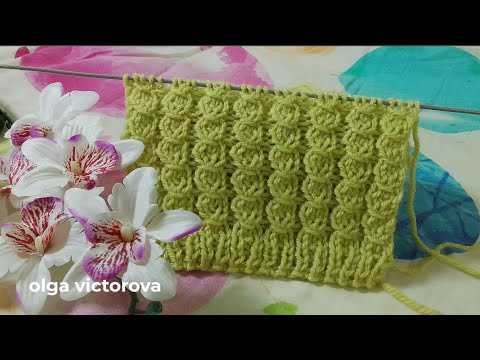
Knitting has been a popular craft for centuries, with its origin dating back to the ancient times. However, it was during the 19th and early 20th centuries that knitting really took off as a widespread hobby, leading to the creation of countless knitting patterns. These old knitting patterns provide a fascinating insight into the history and evolution of knitting as a craft.
One of the earliest surviving knitting patterns is found in “Crotcheting and Knitting: A Manual of Victorian Knitting,” published in 1847. This pattern book offered instructions for creating a variety of items, from clothing to household items like tablecloths and rugs. The patterns were written in intricate detail, often featuring complex lace patterns and intricate stitch designs.
As the popularity of knitting grew, so did the demand for new and exciting patterns. Knitting pattern books became more commonplace and were widely circulated. These books often included detailed instructions, diagrams, and even color illustrations to help knitters recreate the designs. Many of the old knitting patterns featured intricate Fair Isle and Aran patterns, as well as traditional Scandinavian designs.
In addition to printed pattern books, many knitting patterns were passed down through generations within families and communities. These patterns were often handwritten or created from memory, making them unique and personal. Knitting patterns were commonly shared during social gatherings, such as knitting circles or community events, where experienced knitters would teach others how to recreate the patterns.
Today, old knitting patterns offer a treasure trove of inspiration for contemporary knitters. Many knitters enjoy recreating these vintage designs, adding their own modern twist to create unique and stylish pieces. Additionally, the study of old knitting patterns allows us to appreciate the skill and artistry of knitters from the past, as well as the rich history and cultural significance of this ancient craft.
Popular types of old knitting patterns
Old knitting patterns have a timeless appeal and offer a glimpse into the knitting techniques and styles of the past. Many of these patterns are still popular today, and continue to be cherished and used by knitters around the world. Here are a few examples of popular types of old knitting patterns:
Fair Isle Patterns
Fair Isle knitting originated in the Fair Isle of Scotland and is known for its intricate colorwork and geometric designs. This style of knitting became popular in the early 20th century and is still loved today for its timeless appeal. Fair Isle patterns often feature motifs such as stars, diamonds, and zigzags, and are typically knitted using two colors per row.
Lace Patterns
Lace knitting patterns have a delicate and airy look, and are characterized by their intricate stitch patterns that create openwork designs. These patterns became popular in the Victorian era and are often associated with delicate shawls and doilies. Lace patterns can range from simple eyelet stitches to more complex designs with floral motifs and intricate lace borders.
Aran Patterns

Aran knitting originated in the Aran Islands of Ireland and is known for its textured and cable stitch patterns. Aran patterns are typically knitted using natural, undyed wool yarn and feature a combination of cables, twists, and bobbles. These patterns gained popularity in the mid-20th century and are often used to create warm and cozy sweaters, hats, and scarves.
Vintage Baby Patterns

Old knitting patterns for baby clothes are a favorite among vintage enthusiasts and knitters looking to create heirloom pieces. These patterns often feature sweet and delicate designs, such as lace bonnets, cardigans with embroidery details, and cozy knitted booties. Vintage baby patterns allow knitters to create timeless and charming garments for the little ones in their lives.
Traditional Norwegian Patterns
Norwegian knitting patterns, also known as “Selbu patterns,” are characterized by their intricate colorwork and symmetrical designs. These patterns often feature motifs such as snowflakes, stars, and flowers, and are knitted using multiple colors. Norwegian patterns gained popularity in the early 20th century and are still beloved today for their rich cultural heritage and stunning designs.
Conclusion
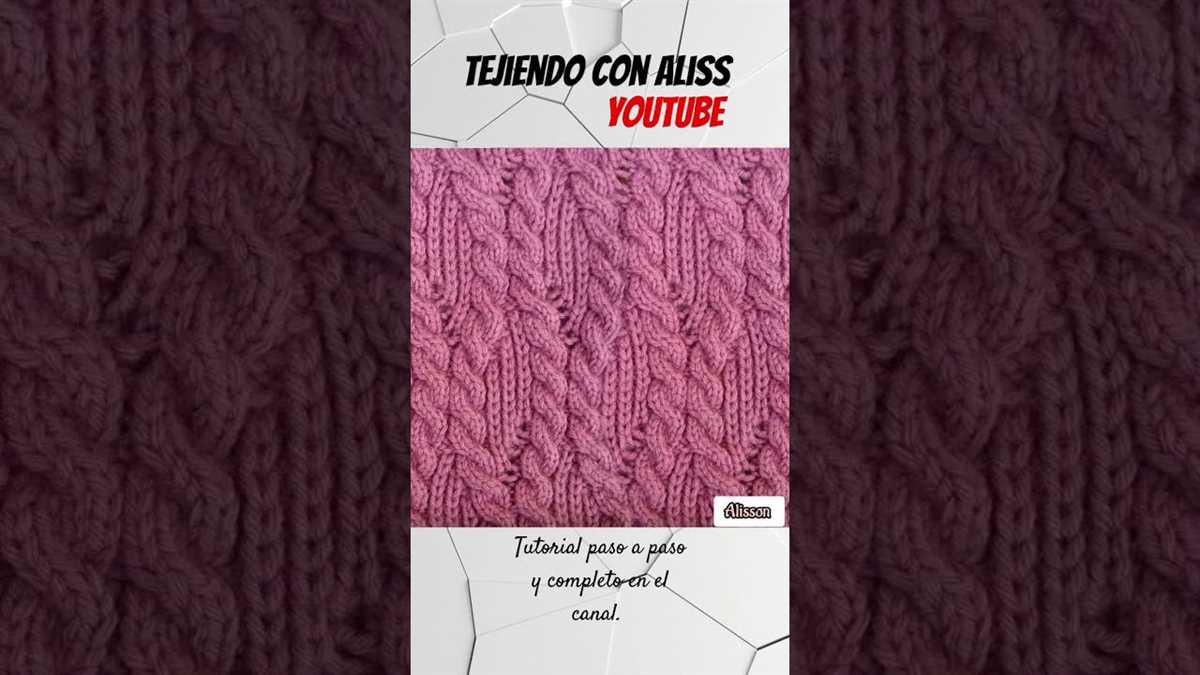
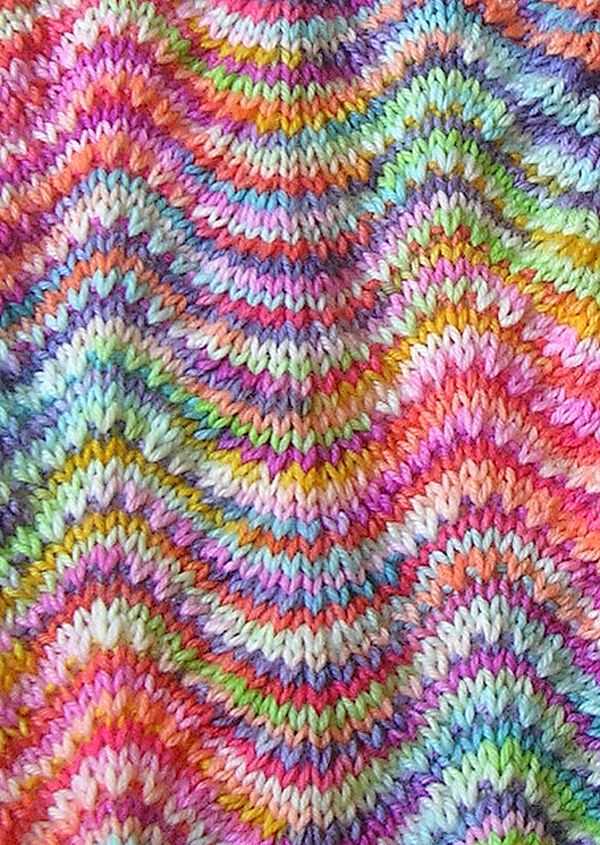
Old knitting patterns offer a wealth of inspiration and creativity for knitters of all skill levels. Whether it’s a Fair Isle pattern, a delicate lace design, or a cozy Aran sweater, these patterns continue to captivate and inspire knitters around the world. By preserving and exploring these old knitting patterns, we can keep the traditions and techniques of the past alive.
Techniques used in old knitting patterns

Old knitting patterns often incorporate a variety of unique techniques and stitches that are not commonly used in modern patterns. These techniques have been passed down through generations and can add a touch of tradition and nostalgia to your knitting projects.
Cable knitting: Cable knitting is a technique commonly used in old knitting patterns to create intricate patterns and textures. It involves crossing stitches over each other to create a twisted effect. This technique can be used to create beautiful cable motifs, such as ropes, braids, or diamonds. Cable knitting requires the use of a cable needle to hold the stitches while they are crossed.
Lace knitting: Lace knitting is another technique frequently found in old knitting patterns. It involves creating delicate and intricate patterns by increasing and decreasing stitches in specific ways to form decorative holes or eyelets. Lace knitting can be used to create elegant shawls, scarves, or even delicate clothing items. It requires attention to detail and careful stitch manipulation.
Fair Isle knitting: Fair Isle knitting, also known as stranded knitting, is a technique that originated in the Fair Isle of Scotland. It involves working with multiple colors in the same row to create colorful and intricate designs. In old knitting patterns, Fair Isle was commonly used to create patterns such as geometric shapes, motifs, or traditional patterns. This technique requires careful tension control and is often worked in the round.
Intarsia knitting: Intarsia knitting is a technique used to create large, solid color blocks or picture designs within a knitted fabric. It involves knitting with separate balls of yarn for each color section and twisting the yarns at color changes to prevent holes. Intarsia knitting allows for the creation of detailed pictorial or geometric designs that can be seen from both sides of the fabric. This technique requires careful attention to yarn management and stitch control.
Texture stitches: Old knitting patterns often include a variety of texture stitches, such as seed stitch, moss stitch, or basketweave stitch. These stitches add depth and interest to the fabric and can be used to create a variety of patterns and textures, such as ribbing or bobbles. Texture stitches require attention to stitch placement and tension to achieve the desired effect.
Fringe: Fringe is a decorative element often used in old knitting patterns to add a finishing touch to garments or accessories. It involves attaching strands of yarn to the edge of a fabric, creating a hanging tassel-like effect. Fringe can be added to scarves, shawls, or even blankets to enhance the overall aesthetic and provide a playful or bohemian look.
Famous designers of old knitting patterns
When it comes to old knitting patterns, there are several famous designers who have left their mark on the industry. These designers were known for their innovative designs, attention to detail, and ability to create beautiful and functional knitted garments. Their patterns have stood the test of time and continue to inspire knitters today.
One of the most iconic designers of old knitting patterns is Elizabeth Zimmermann. She is often referred to as the “Queen of Knitting” and is credited with revolutionizing the way patterns are written and understood. Zimmermann was known for her simple and intuitive designs, as well as her ability to explain complex knitting techniques in a way that was accessible to knitters of all skill levels. Her books, such as “Knitting Without Tears” and “The Knitter’s Almanac,” continue to be popular among knitters today.
Another famous designer of old knitting patterns is Kaffe Fassett. Fassett is known for his bold use of color and intricate patterns. His designs often include intricate colorwork, textured stitches, and unique combinations of yarns. Fassett’s patterns are known for their artistic flair and have inspired countless knitters to experiment with color and design. His books, such as “Glorious Knits” and “Kaffe Knits Again,” showcase his vibrant and creative designs.
Other notable designers of old knitting patterns include Alice Starmore, who is known for her Celtic-inspired designs and intricate cables, and Mary Walker Phillips, who was a pioneer in the art of knitted lace. These designers, along with many others, have left a lasting impact on the world of knitting and continue to be celebrated for their contributions to the craft.
Benefits of using old knitting patterns
Using old knitting patterns can offer several benefits for knitters of all skill levels. These patterns have stood the test of time and have been passed down through generations, ensuring that they are tried and true. Here are some of the benefits of using old knitting patterns:
-
Vintage charm: Old knitting patterns often have a unique vintage charm that can add character to your projects. They bring back a sense of nostalgia and can be a conversation starter when you showcase your finished piece.
-
Traditional techniques: Traditional knitting techniques used in old patterns can help broaden your knitting skills. By following these patterns, you can learn different stitch patterns, lacework, or colorwork that may not be as prevalent in modern patterns.
-
Durable designs: Old knitting patterns are known for their durability. They have been tested and perfected over time, so you can be confident that the finished product will be well-constructed and long-lasting.
-
Unique designs: Old patterns often feature designs that are distinctive and not commonly seen in modern patterns. This uniqueness can make your projects stand out and add a touch of individuality to your knitting.
-
Connection to the past: Using old knitting patterns allows you to connect with the past and carry on the tradition of knitting. It can be a way to honor the skills and creativity of previous generations.
In conclusion, old knitting patterns offer a range of benefits, from their vintage charm and traditional techniques to their durable designs and unique appeal. Whether you are an experienced knitter or just starting out, incorporating old patterns into your knitting repertoire can enhance your skills and create beautiful, timeless pieces.
Tips for finding and collecting old knitting patterns
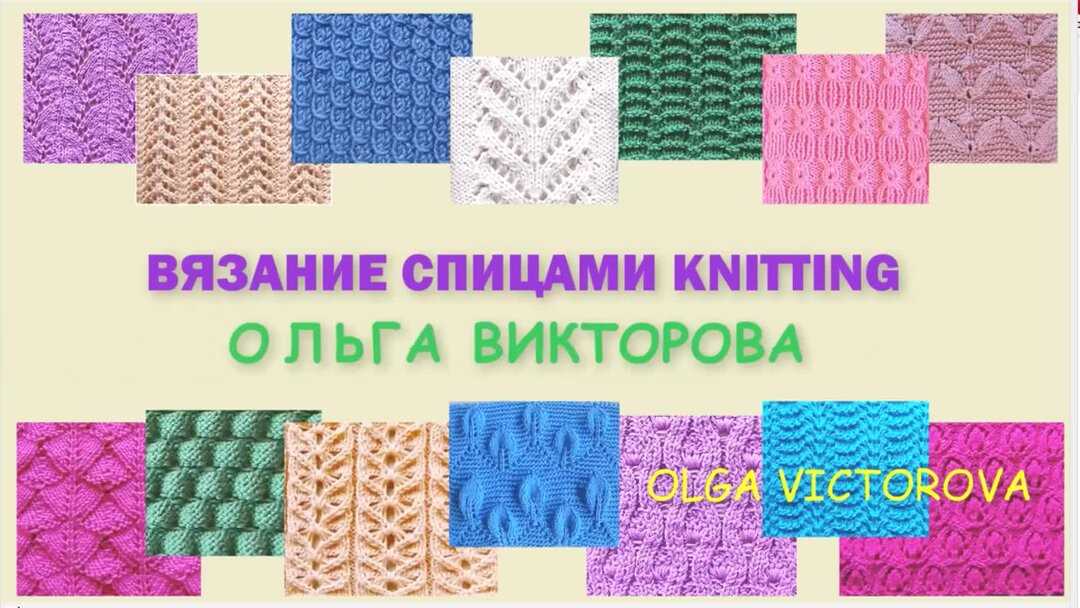
Old knitting patterns are a treasure trove of inspiration and nostalgia for avid knitters. Whether you’re looking to recreate a vintage design or simply admire the craftsmanship of the past, finding and collecting these patterns can be a rewarding hobby. Here are some tips to help you in your quest:
1. Explore online resources:

The internet is a great place to start your search for old knitting patterns. Numerous websites and online communities specialize in digitizing and archiving vintage patterns. Popular platforms like Ravelry and Etsy offer a vast collection of downloadable patterns from different eras. You can browse through categories, search by keywords, and even connect with fellow enthusiasts.
2. Visit local libraries and thrift stores:

Local libraries often hold a wealth of knitting resources, including old knitting pattern books and magazines. Take the time to visit your nearest library and inquire about their knitting collection. Additionally, thrift stores can be a surprising source for vintage knitting patterns. Look for knitting books or magazines in the hobby or craft sections, and you might stumble upon hidden gems.
3. Attend knitting conventions and workshops:
Knitting conventions and workshops are not only great places to learn new techniques and connect with the knitting community but also to discover and collect old knitting patterns. Many vendors at these events offer vintage pattern booklets or even original printings from the past. Take the opportunity to chat with vendors and fellow attendees who might share your passion for old knitting patterns.
4. Join knitting clubs and groups:
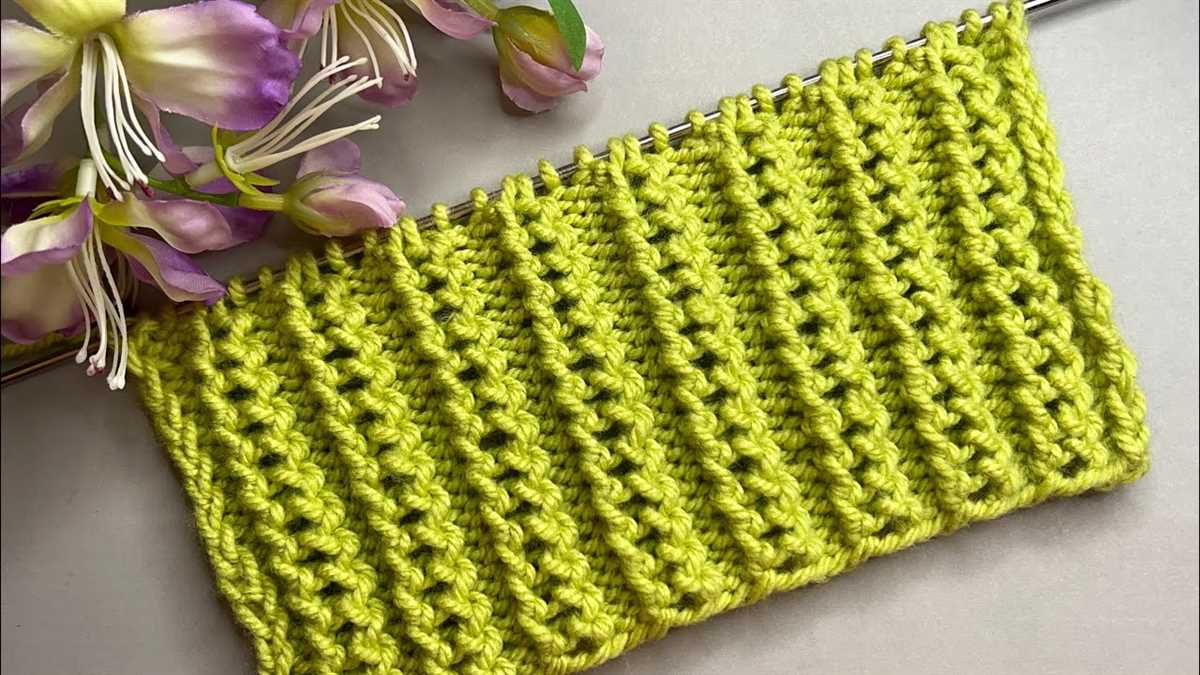
Joining knitting clubs and groups can be an excellent way to network with fellow knitting enthusiasts and access a wider range of resources. Many experienced knitters are collectors of old patterns themselves and might be willing to share or exchange patterns. Sharing your interest in vintage patterns with the group can lead to valuable recommendations and even collaborative projects.
- Final thoughts:
Collecting old knitting patterns is not just about acquiring the patterns themselves but also about preserving and celebrating the rich history of knitting. Each pattern tells a story and represents a unique moment in time. By actively seeking out and collecting these patterns, you become a custodian of tradition and contribute to the continued appreciation of this timeless craft.
Restoring and preserving old knitting patterns

Old knitting patterns hold a special charm and historical significance. They provide a glimpse into the past, showcasing the intricate designs and techniques that were popular during different eras. However, as time passes, these patterns can become worn, damaged, or lost, putting this valuable part of our knitting heritage at risk.
Restoring and preserving old knitting patterns is an important endeavor to ensure that these treasures are not forgotten. One way to accomplish this is through digitization. By scanning or photographing the original patterns and converting them into digital files, they can be stored and accessed easily by a wider audience. This not only helps in preserving the patterns themselves but also allows knitters around the world to enjoy and recreate these designs.
When restoring old knitting patterns, it is crucial to take great care in handling the original documents. The fragile nature of these patterns requires delicate handling techniques to avoid further damage. Using acid-free archival storage materials, such as acid-free paper and folders, can help prevent deterioration and preserve the patterns for future generations.
In addition to digitization and proper storage, transcription is another important aspect of restoring old knitting patterns. This involves carefully transcribing the original pattern into a readable and understandable format. This ensures that the instructions are clear and accurate, making it easier for modern knitters to follow.
Preserving old knitting patterns is not only a way to honor our knitting history but also a way to inspire future generations of knitters. By breathing new life into these patterns and ensuring their accessibility, we can continue to appreciate the artistry and craftsmanship of knitting throughout the ages.
Modern adaptations of old knitting patterns
In recent years, there has been a resurgence of interest in old knitting patterns, with many modern knitters looking to recreate and adapt these timeless designs.
One popular way to update an old knitting pattern is to use modern yarns and materials. With advancements in technology, there are now a wide variety of yarns available in different weights, fibers, and colors. This allows knitters to experiment with different textures and styles, while still staying true to the original pattern.
Integrating modern techniques
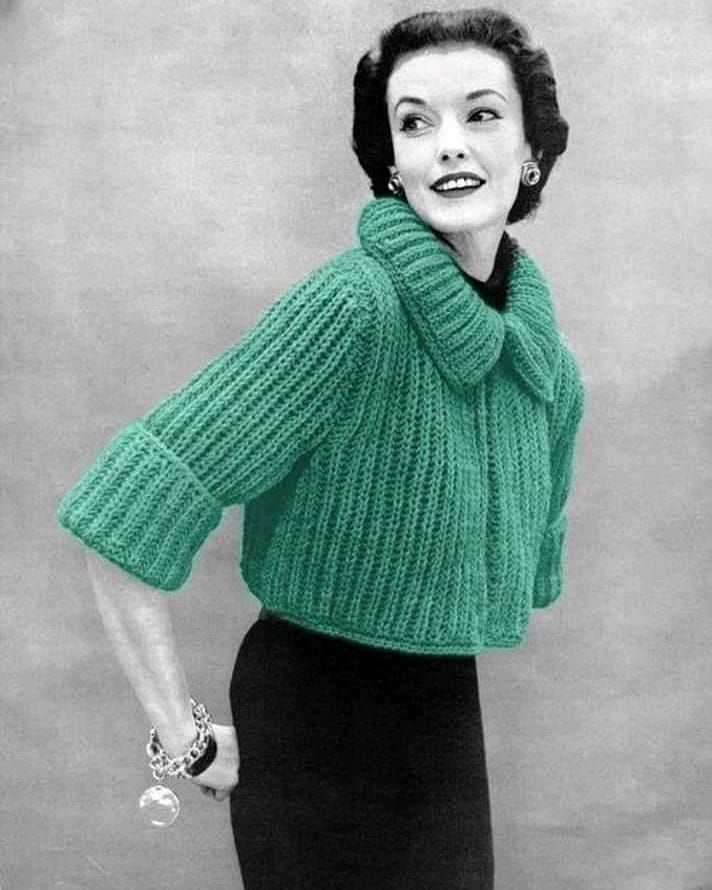
Another way to adapt old knitting patterns is to incorporate modern knitting techniques. For example, the use of circular knitting needles or the magic loop method can make knitting in the round much easier and more efficient. This can be especially useful when working on projects such as hats or socks.
Additionally, modern knitters can take advantage of online resources and tutorials to learn new techniques or stitches that were not commonly used in the past. This allows them to add unique elements to old patterns, creating a more personalized and contemporary look.
Adding a modern twist
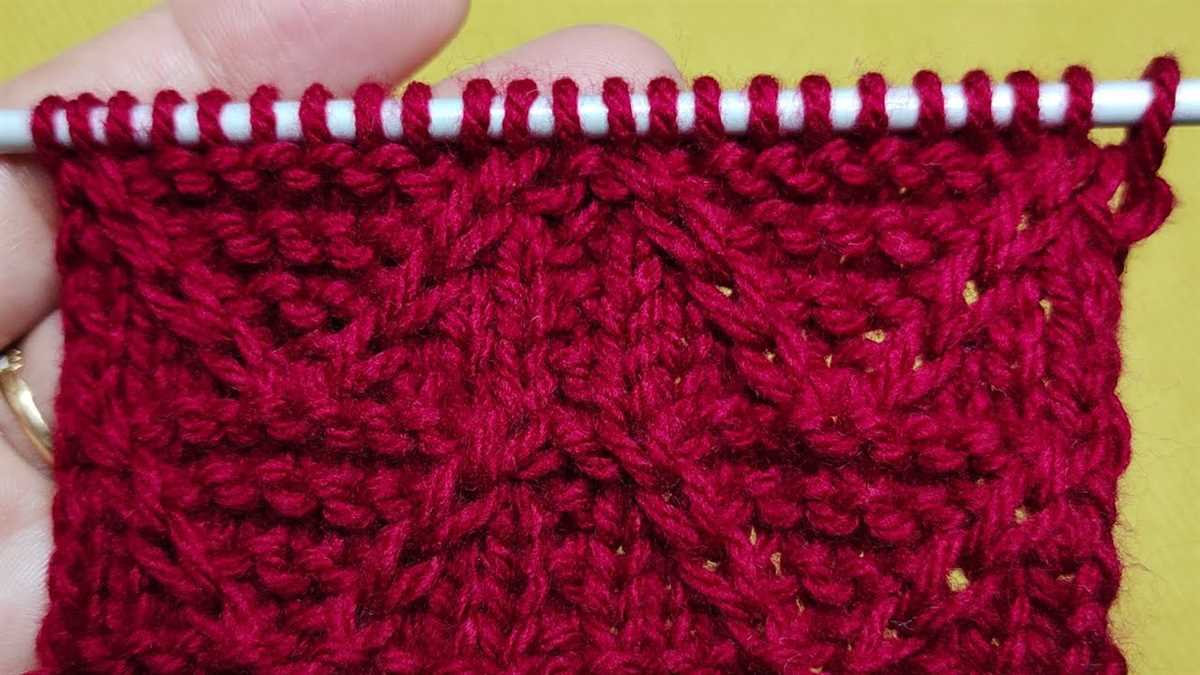
One way to give old knitting patterns a modern twist is to play with color. Modern knitters can experiment with bold color combinations or use variegated yarns to create unique effects and make the pattern more visually appealing.
Furthermore, modern knitters can also modify the sizing and fit of old patterns to make them more suitable for contemporary styles. This can include adjusting the length, width, or adding shaping details to enhance the overall look and comfort of the finished garment.
Preserving tradition with a modern touch
While there are many ways to update and adapt old knitting patterns, it is important to also preserve the essence and history of these designs. Modern knitters can choose to keep certain elements intact, such as traditional stitch patterns or motifs, while making small modifications to ensure the pattern remains relevant to current trends and preferences.
In conclusion, modern adaptations of old knitting patterns offer a great way to combine the timeless beauty of traditional designs with the versatility and creativity of contemporary knitting. By using modern yarns, techniques, color choices, and modifications, knitters can breathe new life into old patterns and create unique and cherished knitted pieces.
Creating your own old knitting patterns
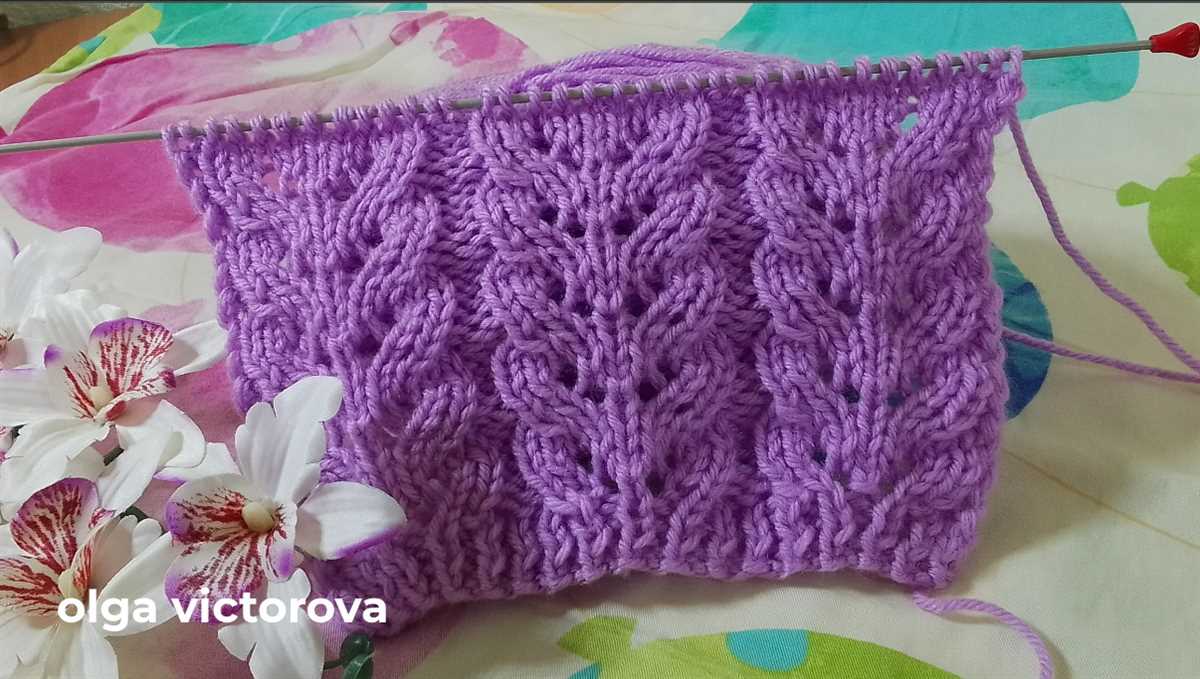
Creating your own old knitting patterns can be a fun and rewarding experience. By taking inspiration from vintage designs and techniques, you can add a unique and nostalgic touch to your knitting projects.
One way to create your own old knitting patterns is to browse through vintage knitting books and magazines. These resources often contain a wealth of patterns and instructions that you can adapt and modify to suit your own style and preferences. Look for patterns that feature classic stitches, intricate lacework, and delicate textures. Old-time designs such as Fair Isle and Aran knitting can also provide inspiration for your own patterns.
Another way to create your own old knitting patterns is to study and learn from antique knitted garments. Museums and historical societies often have collections of vintage knitting pieces that you can examine up close. Pay attention to the construction techniques, stitch patterns, and details of these old garments. By understanding how they were made, you can recreate similar designs or incorporate elements into your own patterns.
Once you have gathered inspiration from vintage resources and antique pieces, it’s time to put your creativity to work. Start by sketching out your ideas and experimenting with different stitch patterns and color combinations. Keep in mind the style and aesthetic of the era you are trying to emulate, whether it’s the elegant glamour of the 1920s or the cozy charm of the 1950s.
As you create your own old knitting patterns, don’t be afraid to add your own unique twist or modernize certain elements. This will give your designs a fresh and contemporary feel while still capturing the charm of the past. Share your patterns with other knitters and see how they interpret and make them their own. Creating your own old knitting patterns is not only a way to pay homage to the past but also a way to contribute to the rich knitting traditions that have been passed down through generations.
Sharing and Selling Old Knitting Patterns Online
The internet has revolutionized the way we share and sell old knitting patterns. With just a few clicks, you can access a vast collection of vintage patterns, connect with fellow knitting enthusiasts, and even turn your hobby into a profitable business. Here, we’ll explore some of the popular platforms and methods for sharing and selling old knitting patterns online.
1. Online Communities and Forums
One of the easiest ways to share and sell old knitting patterns is to join online communities and forums dedicated to knitting. These platforms allow you to interact with like-minded individuals who share a common passion for knitting and vintage designs. You can find dedicated sections or threads where members can share, trade, or sell their old knitting patterns. Some popular knitting forums include Ravelry, Knitting Paradise, and LoveKnitting.
2. Digital Marketplaces

Digital marketplaces have made it incredibly convenient for knitters to sell their old knitting patterns and earn money from their creations. These platforms provide a global audience and take care of the transaction process, making it easier for sellers to focus on their craft. Websites like Etsy, eBay, and Craftsy allow individuals to sell their vintage knitting patterns as instantly downloadable digital files. They offer options to set prices, provide descriptions, and showcase pictures of the patterns, making it easier to attract buyers.
3. Personal Websites or Blogs
For those looking to establish their own brand or share their unique collection of old knitting patterns, creating a personal website or blog can be a great option. This allows you to have complete control over your content and create a dedicated space to showcase and sell your patterns. You can set up an online store, offer free patterns as a way to attract visitors, and even monetize your blog through advertisements or collaborations with knitting-related brands.
Conclusion
Sharing and selling old knitting patterns online has become more accessible than ever before. Whether you choose to join knitting communities and forums, sell on digital marketplaces, or create your own website, the internet provides endless opportunities to connect with fellow knitters and share your love of vintage designs. So, why not dig into your collection of old knitting patterns and start exploring the world of online knitting communities today?