Free Intarsia Knitting Designs

Intarsia knitting is a technique that allows you to create unique and intricate designs on your knitted garments. Unlike other colorwork techniques such as fair isle or stranded knitting, intarsia allows you to work with multiple colors in separate blocks, rather than carrying the yarn across the entire row. This technique opens up endless possibilities for creating stunning patterns and images in your knitting.
If you’re looking for some free intarsia knitting patterns to try out, you’re in luck! There are many resources available online that offer a wide variety of patterns for all skill levels. From simple geometric designs to detailed images of animals or landscapes, there’s something for everyone.
When working with intarsia, it’s important to use a separate ball of yarn for each color block. This helps to avoid tangling and ensures that your finished design is crisp and clear. It’s also helpful to use bobbins or small butterfly clips to keep your yarn organized and prevent it from getting tangled.
Whether you’re a beginner looking to try out your first intarsia project or an experienced knitter searching for some new design inspiration, exploring the world of intarsia knitting can be a fun and rewarding experience. With a little practice and patience, you’ll be able to create beautiful, one-of-a-kind garments that showcase your knitting skills and creativity.
Intarsia Knitting Patterns: A Complete Guide

Intarsia knitting is a technique that allows knitters to create intricate designs and patterns in their projects. It involves using different colors of yarn to knit separate blocks of color, creating a picture or pattern within the fabric. This technique can be used in a variety of knitting projects, from sweaters and blankets to accessories like hats and scarves. In this complete guide to intarsia knitting patterns, we will explore the basics of this technique, how to read and follow a pattern, and provide examples of free intarsia knitting patterns that you can try.
Before you begin knitting an intarsia pattern, it is important to familiarize yourself with the basics of intarsia knitting. This includes understanding how to “trap” or secure the yarn at color changes, how to prevent holes in your knitting, and how to carry the yarn along the back of the work. Additionally, learning how to read an intarsia knitting chart will be helpful in following and understanding patterns.
Reading and Following Intarsia Knitting Patterns
Intarsia knitting patterns typically use a chart or graph to represent the pattern. Each square on the chart represents one stitch, and the different colors in the chart indicate which color of yarn to use for each stitch. It is important to pay attention to any instructions or key provided with the pattern, as they may indicate how many stitches to cast on, what type of stitch to use, or any special techniques required.
When following an intarsia knitting pattern, it is important to keep track of which color yarn you are using for each section of the pattern. You may find it helpful to use stitch markers or different colored yarn bobbins to help keep track of the different colors. It is also important to be mindful of tension when working with multiple colors, as this can affect the overall appearance of the design. Taking the time to practice and swatch the pattern before starting your project can help ensure that you achieve the desired result.
Free Intarsia Knitting Patterns
There are many free intarsia knitting patterns available online for knitters of all skill levels. Whether you are interested in knitting a sweater with a geometric design or a cute animal motif, there is likely a pattern out there that suits your interests. Some popular sources for free intarsia knitting patterns include knitting magazines, knitting websites, and online knitting communities. When searching for a pattern, be sure to read any reviews or comments from other knitters to get an idea of the difficulty level and any potential challenges you may encounter.
In conclusion, intarsia knitting patterns offer knitters the opportunity to create unique and intricate designs in their projects. With a little practice and patience, you can master this technique and create beautiful knitted pieces. By following and understanding the pattern, and using the appropriate techniques, you can create stunning intarsia designs that will impress and delight.
What is Intarsia Knitting and How Does It Work?

Intarsia knitting is a technique that allows you to create intricate and colorful designs in your knitting projects. This technique involves using multiple colors of yarn to create a picture or pattern within your knitting. Unlike stranded knitting, where the yarns are carried along the back of the work, intarsia creates separate blocks of color by twisting the two yarns together at the color change.
To start an intarsia knitting project, you will need multiple balls of yarn in the different colors you want to use. Each color will have its own separate strand of yarn that is used to create the different blocks of color in the design. When you come to a color change, you will drop the old yarn and pick up the new one, twisting the two strands together to ensure there are no gaps or holes in your work.
Intarsia knitting requires careful attention to detail and an understanding of color placement. You will need to follow a chart or pattern that tells you which color to use and where to make the color changes. The chart will include symbols or colors to represent each color, allowing you to easily see where to make the changes in your knitting.
One challenge of intarsia knitting is managing all the different yarn ends. Each color change will leave behind a loose end of yarn that needs to be woven in and secured. You will need to be careful to keep your yarn ends neat and tidy, so they don’t get tangled or unravel.
Overall, intarsia knitting is a fun and creative way to incorporate color and design into your knitting projects. With practice and patience, you can create stunning pictures and patterns, whether you’re knitting a sweater, blanket, or any other project.
Benefits of Using Intarsia Knitting Patterns
Intarsia knitting is a technique that allows you to create intricate designs and patterns in your knitted projects. By using Intarsia knitting patterns, you can easily incorporate complex images or motifs into your work, resulting in unique and eye-catching pieces. There are several benefits to using Intarsia knitting patterns:
1. Creativity and Customization
Using Intarsia knitting patterns gives you the freedom to express your creativity and customize your projects. With these patterns, you can create personalized designs, such as pictures, logos, or initials, that reflect your taste and style. Whether you want to make a special gift or showcase your artistic skills, Intarsia knitting patterns provide endless possibilities for customization.
2. Versatility
Intarsia knitting patterns can be used to create various types of projects, including sweaters, scarves, blankets, and even home decor items. This versatility allows you to experiment with different techniques and materials, ensuring that you never get bored with your knitting. Whether you prefer simple, geometric designs or intricate landscapes, Intarsia knitting patterns can be adapted to suit your preferences and project needs.
3. Skill Development

Working with Intarsia knitting patterns can help you sharpen your knitting skills and expand your repertoire of techniques. As you follow the charts and instructions, you will become more proficient in colorwork, reading patterns, and managing multiple yarns. Intarsia knitting patterns often require precision and attention to detail, which can improve your overall knitting abilities and make you a more confident and experienced knitter.
4. Endless Design Options
The world of Intarsia knitting patterns is filled with endless design options. From intricate geometric patterns to realistic images and landscapes, you can find a pattern that suits your desired aesthetic. Additionally, you can modify existing patterns or create your own designs, allowing you to truly make your knitting projects one-of-a-kind. The possibilities are limited only by your imagination.
5. Relaxation and Enjoyment

Knitting can be a therapeutic and relaxing activity, and using Intarsia knitting patterns adds an extra layer of enjoyment to the process. The focus required to create complex designs can help you clear your mind and reduce stress, making knitting an excellent way to unwind. The satisfaction of seeing your finished project, with all its intricate details, can bring a sense of accomplishment and happiness.
Overall, using Intarsia knitting patterns offers numerous benefits, including the opportunity for creativity and customization, versatility, skill development, endless design options, and relaxation. Whether you are a beginner or an experienced knitter, embracing this technique can take your knitting experience to a whole new level.
Where to Find Free Intarsia Knitting Patterns Online
Intarsia knitting is a technique where different colored yarns are used to create intricate designs and patterns in your knitted projects. If you’re interested in trying out intarsia knitting, but don’t want to spend money on patterns, there are plenty of free options available online. Here are some places where you can find free intarsia knitting patterns.
Ravelry

Ravelry is a popular online community for knitters and crocheters, and it has a vast collection of patterns, including many intarsia knitting patterns. Simply sign up for a free account, and you’ll have access to thousands of patterns created by fellow knitters. Use the search function to narrow down your options and find the perfect intarsia pattern for your project.
Knitting Magazines
Many knitting magazines offer free patterns on their websites, and you may be able to find some intarsia knitting patterns among them. Browse through websites of popular knitting magazines like Knitting Magazine, Interweave Knits, and Knitty to see if they have any free intarsia patterns available for download.
Blogs and Websites
There are plenty of knitting blogs and websites out there that offer free intarsia knitting patterns. Use your favorite search engine to find blogs and websites that specialize in knitting patterns, and look for their free pattern sections. You may be surprised by the variety and quality of intarsia patterns available.
Online Communities

Joining online knitting communities like forums or social media groups can be a great way to find free intarsia knitting patterns. Other knitters often share their patterns and projects, and you can benefit from their experience and expertise. Participate in discussions and ask for pattern recommendations – the community will be happy to help you find what you’re looking for.
Remember, when using free patterns, always check the copyright and terms of use to make sure you’re legally allowed to use and distribute the pattern. Happy knitting!
Tips for Choosing the Right Intarsia Knitting Pattern

Intarsia knitting is a technique that allows you to create beautiful, intricate patterns in your knitted garments. When choosing an intarsia knitting pattern, there are several factors to consider to ensure that it suits your skill level, style, and preferences.
1. Skill Level: Consider your skill level when selecting an intarsia knitting pattern. Some patterns may be more suitable for beginners, with simpler designs and fewer color changes, while others may be more advanced, requiring more complex techniques and colorwork. Choose a pattern that matches your skill level to ensure a successful and enjoyable knitting experience.
2. Design Complexity: Evaluate the complexity of the design in the pattern. Some intarsia patterns feature intricate designs with many color changes and details, while others may have simpler, more repetitive motifs. Consider the amount of time and effort you are willing to invest in the project and choose a design that aligns with your preferences and commitment.
3. Color Palette: Pay attention to the color palette used in the intarsia knitting pattern. Think about whether the colors complement your personal style and preferences. Consider the color combinations and how they will work together in the final knitted piece. Opt for a pattern with a color palette that resonates with you and brings you joy.
4. Size and Type of Project: Intarsia knitting patterns can be used for various types of projects, including sweaters, scarves, blankets, and more. Consider the size and type of project you want to undertake. Ensure that the pattern is compatible with the yarn weight and needle size you plan to use. Choose a pattern that matches your desired project size and style.
5. Resources and Support: Before selecting an intarsia knitting pattern, consider the resources and support available to you. Look for pattern instructions that are clear and easy to follow. Check if the pattern includes any helpful diagrams or charts. Additionally, consider if there are any tutorials or online communities that can provide guidance and support as you work on the pattern.
By considering these tips, you can choose the right intarsia knitting pattern that aligns with your skill level, style, and preferences. Remember to have fun and enjoy the process of creating beautiful, intricate designs with your knitting needles!
Using a Graph to Follow Intarsia Knitting Patterns

Intarsia knitting is a technique that allows you to create intricate designs and images in your knitting projects by using multiple colors of yarn. To successfully follow intarsia knitting patterns, it is helpful to use a graph or chart that visually represents the pattern. This graph can be created by the pattern designer or found in knitting pattern books or websites.
The graph typically consists of a grid where each square represents one stitch. Each color in the pattern is assigned a symbol or a number, which is marked on the corresponding square in the graph. By following the graph row by row, stitch by stitch, you can easily see which color to use and where to place it in your knitting.
When working with an intarsia knitting pattern, it is important to pay attention to the symbols or numbers in the graph and match them with the corresponding yarn colors. You may find it helpful to use highlighter pens or markers to mark off the stitches as you complete them, so you can easily keep track of your progress.
Using a graph to follow intarsia knitting patterns can help you maintain accuracy in your work and ensure that your design turns out as intended. It allows you to visualize the pattern and make any necessary adjustments before you begin knitting. With practice, you will become more comfortable reading and following these graphs, and you can create stunning intarsia designs in your projects.
Common Mistakes to Avoid When Knitting with Intarsia
Knitting with intarsia can be a fun and rewarding technique, but it can also be tricky if you’re not careful. Here are some common mistakes to avoid when working on intarsia knitting projects:
Not securing the yarn properly
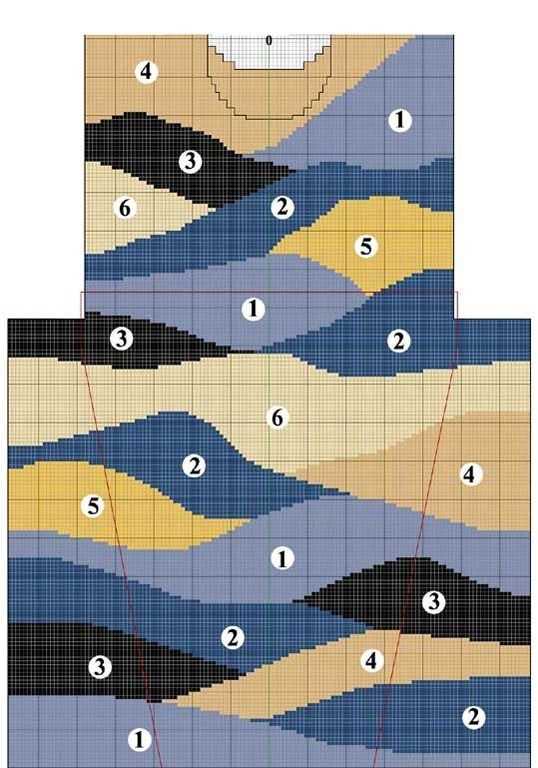
One of the most important aspects of intarsia knitting is securing the yarn properly at color changes. If you don’t secure the yarn correctly, you may end up with loose or uneven stitches, which can ruin the overall look of your project. Make sure to twist the yarns at the color changes to prevent any gaps or holes.
Not checking the tension
Tension is crucial in a successful intarsia project. If your tension is too tight or too loose, it can affect the appearance and fit of your finished piece. Be sure to regularly check your tension throughout the project, especially at color changes, and adjust your knitting accordingly.
Not using bobbins or butterflies

Using bobbins or butterflies to keep your yarn organized is essential when knitting with multiple colors in intarsia. If you don’t use these tools, you may end up with tangled yarn and difficulty in managing the different colors. Take the time to wind your yarn into bobbins or create butterflies for easy color switching.
Not reading the pattern carefully

Intarsia knitting patterns can be intricate and detailed, so it’s important to read them carefully before you begin your project. Make sure you understand the color changes, stitch counts, and any special techniques or instructions mentioned in the pattern. Skipping or misinterpreting a step can lead to a mistake that is difficult to fix later on.
Not blocking your finished piece
Blocking is an essential step in any knitting project, and intarsia is no exception. Blocking helps to even out your stitches, improve the drape of the fabric, and ensure that the colors are evenly distributed. Neglecting to block your finished intarsia piece can result in a less polished and less professional-looking final product.
Avoiding these common mistakes will help you achieve success with your intarsia knitting projects and create beautiful and intricate designs. Take your time, pay attention to detail, and enjoy the process of working with multiple colors to create stunning knitted pieces.
Adapting Intarsia Knitting Patterns for Different Projects
Intarsia knitting is a technique that involves creating patterns or images by using different colored yarns. It allows you to incorporate intricate designs into your knitting projects, whether it’s a sweater, scarf, or even a blanket. However, when working with intarsia patterns, it’s important to understand how to adapt them to suit different projects.
Choosing the Right Pattern:
The first step in adapting an intarsia knitting pattern is choosing the right design for your project. Some patterns may be too large or complex for smaller items like hats or mittens. Consider the scale of the pattern and how it will look on the finished project. It’s also important to keep in mind the number of colors used in the pattern, as this can affect the overall look and feel of the project.
Adjusting Size and Shape:
Once you have chosen a pattern, you may need to make adjustments to its size and shape to fit your project. For example, if you’re adapting a sweater pattern to make a scarf, you may need to shorten the width and length of the pattern. It’s helpful to have a basic understanding of knitting calculations to make these adjustments. Additionally, you may need to modify the number of stitches and rows to ensure the pattern fits nicely within your desired dimensions.
Simplifying the Design:
If you’re working on a smaller project or are new to intarsia knitting, it may be helpful to simplify the design. Look for patterns that use fewer colors or have simpler shapes. This will make it easier to follow the pattern and create a cohesive design. As you become more comfortable with intarsia knitting, you can gradually work on more complex designs.
Experimenting with Yarn:
Another way to adapt intarsia knitting patterns is by experimenting with different types of yarn. Some patterns may call for specific yarn weights or fibers, but you can try using different ones to achieve a different look or texture. For example, using a chunky yarn instead of a fine yarn will result in a bolder and more textured design. Just make sure to swatch before starting your project to ensure the new yarn choice works well with the pattern.
Final Thoughts:
Adapting intarsia knitting patterns for different projects requires some flexibility and creativity. By carefully choosing the right pattern, making appropriate adjustments, simplifying designs if needed, and experimenting with yarn, you can create unique and personalized projects that reflect your style and skill level.
Basic Techniques for Intarsia Knitting

Intarsia knitting is a technique that involves using different colored yarns to create color blocks or patterns within a larger knit piece. It is a fun and creative way to add visual interest to your knitting projects. Here are some basic techniques to get you started with intarsia knitting:
1. Planning Your Design
The first step in intarsia knitting is to plan your design. Decide on the colors you want to use and sketch out the pattern you want to create. You can use graph paper or specialized software to help you visualize how the colors will come together.
Tip: Keep in mind that intarsia knitting involves working with multiple strands of yarn at the same time, so it’s important to plan your design keeping in mind the number of balls of yarn you’ll need and how you’ll manage the yarn tangles.
2. Joining Yarn
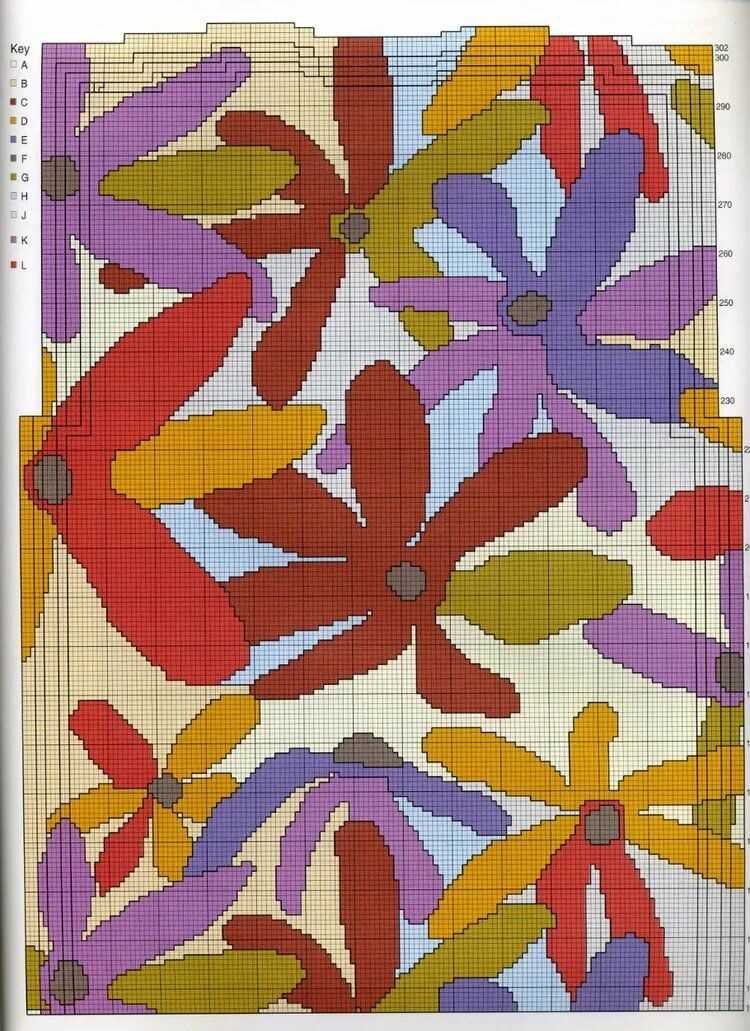
To start a new color block in your design, you’ll need to join a new ball of yarn. To do this, leave a long enough tail of the old color, and then pick up the new color. Drop the old color and start working with the new color. When you reach the end of the color block, drop the new color and pick up the old color again. This technique will help you create clean color changes without any loose ends.
3. Twisting Yarn
One of the challenges of intarsia knitting is preventing gaps between color blocks. To avoid this, you’ll need to twist the yarns at the color change points. When you change colors, bring the new color from under the old color, and then continue knitting. This will help secure the two colors together and prevent any holes from forming.
4. Tension Control
It’s important to maintain consistent tension while working on an intarsia project. Uneven tension can result in puckering or loose stitches. To ensure even tension, make sure to always keep your yarns taut but not too tight. You can use your fingers or a knitting tension tool to help you maintain the right tension as you work.
Tip: It’s a good idea to practice these techniques on a small swatch before starting a larger intarsia project. This will help you get comfortable with the techniques and ensure that your finished project looks clean and professional.
Advanced Techniques for Intarsia Knitting
Intarsia knitting is a technique that allows you to create patterns and designs with different colored yarns. While the basic principles of intarsia are fairly straightforward, there are advanced techniques that can take your intarsia knitting to the next level.
1. Working with complex color charts: As you become more comfortable with intarsia knitting, you can start working with more complex color charts. These charts may have multiple colors per row or require you to carry yarns across long distances. To successfully work with these charts, it’s important to plan your color changes in advance and use bobbins or yarn bobbins to keep your yarn organized.
2. Shaping within intarsia patterns: Intarsia knitting often involves working with large blocks of color, which can make shaping a bit more challenging. However, there are advanced techniques you can use to shape within intarsia patterns. One approach is to use short rows to create curves or angles within your design. Another technique is to incorporate decreases or increases within the color blocks to create shaping while maintaining the pattern.
3. Joining yarns seamlessly: When working with multiple colors in intarsia, it’s important to join yarns seamlessly to avoid unsightly gaps or holes. One technique for seamless joins is to overlap the old and new yarns by a few stitches and twist them together before continuing to knit. Another method is to use a Russian join, which involves weaving the ends of the yarns back into the fabric to create a smooth transition.
4. Creating complex motifs and textures: Advanced intarsia knitting techniques allow you to create intricate motifs and textures within your designs. This can include using different stitch patterns within color blocks, incorporating cables or lacework, or even adding embellishments like beads or sequins. These techniques can turn a simple intarsia pattern into a truly unique and eye-catching piece.
5. Finishing techniques: The final step to mastering intarsia knitting is learning how to finish your projects seamlessly. This includes techniques such as grafting color changes, weaving in ends, and blocking your finished piece to ensure it lays flat and the colors are evenly distributed. Proper finishing techniques can elevate your intarsia knitting and give it a polished and professional look.
By mastering these advanced techniques for intarsia knitting, you can take your projects to the next level and create intricate and visually stunning designs with ease.
Finishing and Blocking Your Intarsia Knitting Project
After completing your intarsia knitting project, it is important to take the time to properly finish and block it. This will help to ensure that the stitches are even and the colors are properly aligned, resulting in a professional-looking finished piece.
1. Weave in Ends: Start by weaving in all the loose ends of yarn from your color changes. This can be done using a tapestry needle, tucking the ends in along the back of the work to secure them. This will give your project a neater appearance and prevent any loose ends from unraveling.
2. Block the Piece: Blocking is an important step in the finishing process, as it helps to shape and even out the stitches. To block your intarsia knitting project, you can follow these steps:
- Wet blocking: Fill a basin or sink with lukewarm water and add a small amount of mild detergent. Immerse the knitted piece in the water, gently squeezing it to allow the water to penetrate the fibers. Let it soak for about 15-30 minutes.
- Remove excess water: Gently squeeze out the excess water from the knitted piece, being careful not to wring or twist it.
- Lay flat to dry: Lay the piece flat on a clean towel or blocking mat, shaping it to the desired dimensions. Use rust-proof pins to secure the edges, if needed. Let it air dry completely.
- Steam blocking: If you prefer, you can also steam block your intarsia knitting project using a steamer or iron with a steam setting. Hover the steamer or iron above the piece, without touching it, and allow the steam to penetrate the fibers. Gently shape the piece as desired.
3. Finishing touches: Once the piece is dry and blocked, inspect it for any remaining loose ends or imperfections. Use a tapestry needle to tidy up any loose threads and make any necessary touch-ups to the colorwork.
By taking the time to properly finish and block your intarsia knitting project, you can ensure that it looks its best and will have a longer lifespan. It is a rewarding process that adds the final touches to your work of art!
Inspiring Examples of Intarsia Knitting Projects
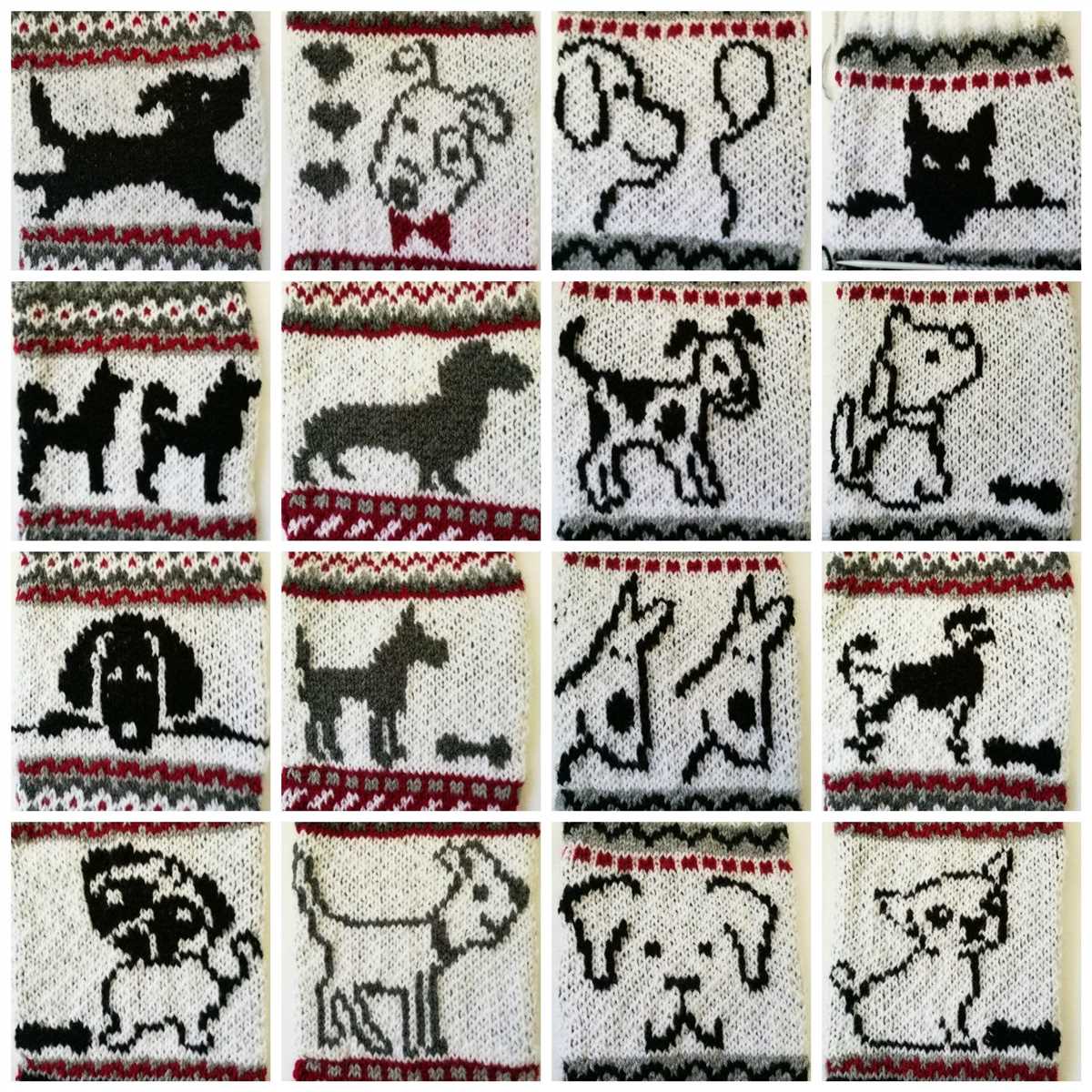
Intarsia knitting is a stunning technique that allows knitters to create intricate colorwork designs in their projects. From simple geometric patterns to elaborate scenes and motifs, intarsia knitting offers endless possibilities for creativity. Here are some inspiring examples of intarsia knitting projects to showcase the beauty of this technique.
1. Colorful Geometric Sweater
One impressive intarsia knitting project is a colorful geometric sweater. With bold and contrasting colors, this sweater features an eye-catching geometric pattern that adds visual interest. The precise placement of colors and clean lines make this project a striking example of intarsia knitting.
2. Nature Landscape Blanket
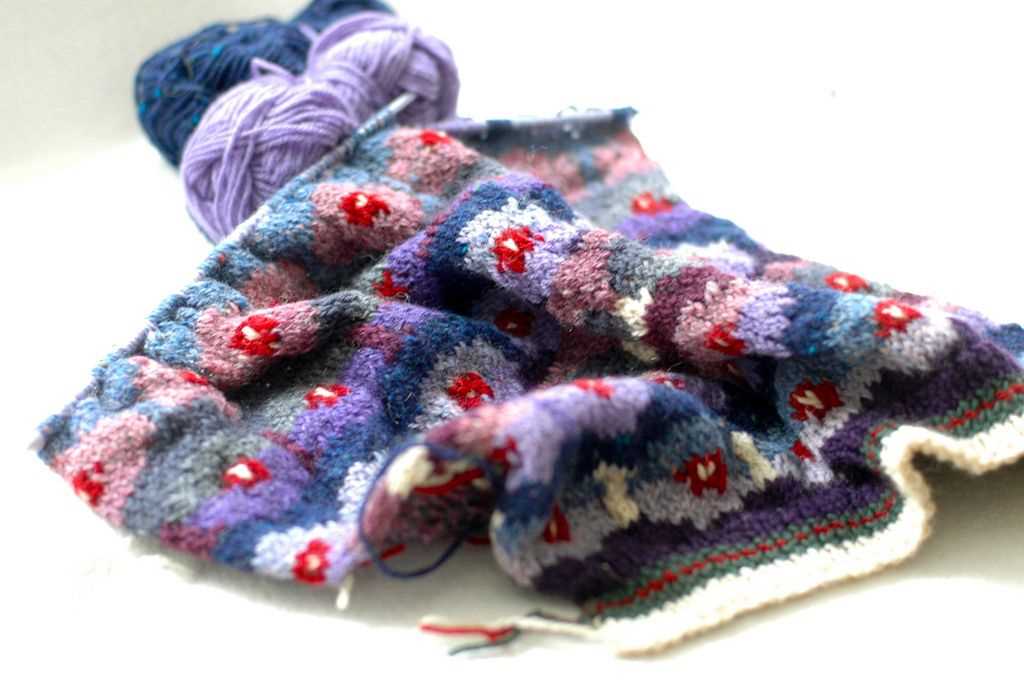
Another captivating example of intarsia knitting is a nature landscape blanket. This project showcases a beautiful scenery, with trees, mountains, and a serene lake. The use of different shades of green, blue, and brown creates a realistic image and brings the landscape to life. It’s a true work of art in the form of knitting.
3. Animal Motif Scarf
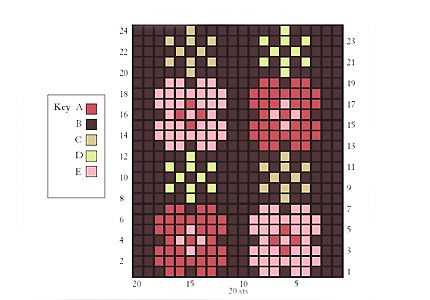
A charming intarsia knitting project can be a scarf featuring adorable animal motifs. Whether it’s a row of cats, a pattern of birds, or a playful design of forest animals, these scarves bring a touch of whimsy to any outfit. The intricate details and lifelike representations make these scarves unique and eye-catching.
In conclusion, intarsia knitting opens up a world of creativity and allows knitters to create stunning colorwork designs. Whether you choose to make a geometric sweater, a nature landscape blanket, or an animal motif scarf, the possibilities are endless. Intarsia knitting projects showcase the beauty of this technique and transform knitting into a form of art.
Q&A:
What is intarsia knitting?
Intarsia knitting is a technique used to create colorwork designs in knitting. Different blocks of color are worked with separate balls of yarn, creating a pattern or picture on the fabric.
Are there any free intarsia knitting patterns available?
Yes, there are many websites and online communities that offer free intarsia knitting patterns. Some popular sites include Ravelry, Knitty, and LoveCrafts. These patterns range from simple geometric designs to intricate pictures and motifs.
Can you recommend a website for free intarsia knitting patterns?
Ravelry is a great website for finding free intarsia knitting patterns. It has a vast collection of patterns uploaded by users, and you can search for specific keywords or categories to find the perfect pattern for your project.
Do I need any special tools or skills for intarsia knitting?
While intarsia knitting does require some additional skills compared to regular knitting, it can be learned with practice. You will need multiple balls of yarn, a tapestry needle for weaving in ends, and the ability to read a color chart or pattern. Basic knitting skills such as casting on, knitting, and purling are also necessary.
Can I use intarsia knitting to make a picture or design on a sweater?
Yes, intarsia knitting can be used to add pictures or designs to sweaters, as well as other garments and accessories. It can be a fun way to personalize your knitting projects and create unique pieces.