Unique Knitting Designs with Sustainable Hemp Yarn
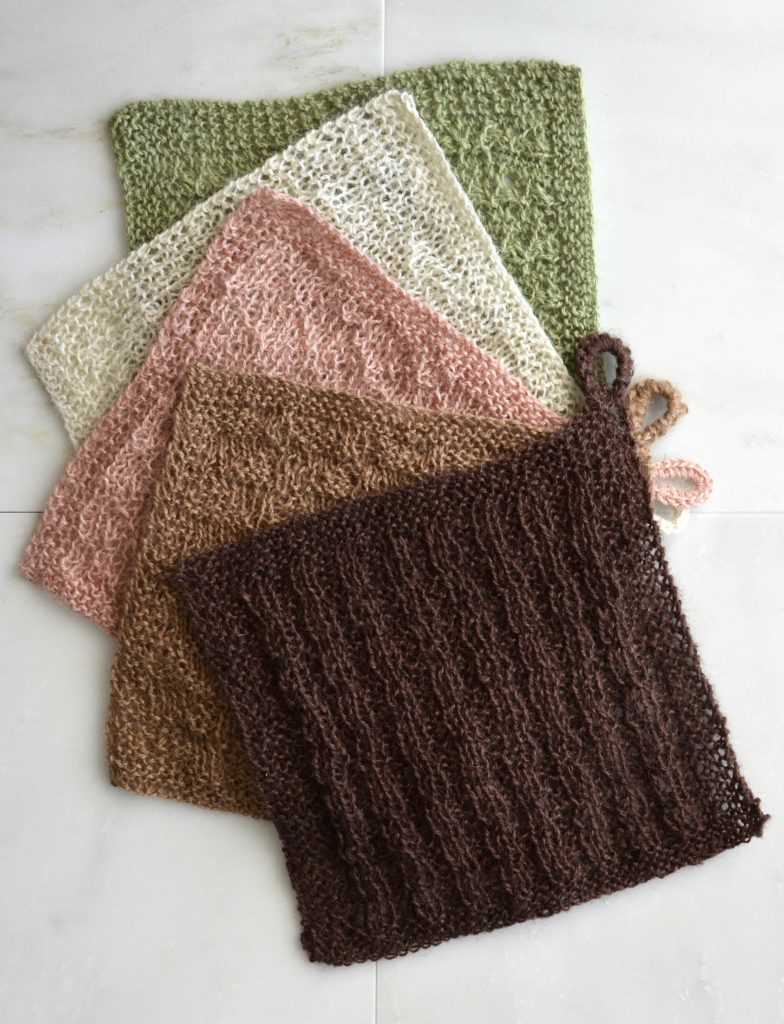
Knitting is a timeless craft that allows individuals to showcase their creativity and produce beautiful and functional items. One versatile and eco-friendly option for knitting is the use of hemp yarn. Hemp yarn is made from the fibers of the hemp plant, which is known for its strength and durability. Not only is hemp a sustainable and renewable resource, but it also produces soft and comfortable fabrics.
There are a variety of knitting patterns that can be created using hemp yarn, ranging from simple accessories to intricate garments. Hemp yarn is perfect for creating lightweight and breathable clothing items, making it an excellent choice for warm weather wear. Additionally, hemp yarn can be blended with other natural fibers, such as cotton or linen, to create unique and textured fabrics.
Hemp yarn is also a popular choice for eco-conscious knitters. Hemp plants require little water and no pesticides or herbicides to grow, making it a sustainable and environmentally friendly option. By choosing to use hemp yarn, knitters can reduce their carbon footprint and support a more sustainable textile industry.
In this article, we will explore various knitting patterns using hemp yarn, discussing their advantages and how to best utilize this eco-friendly fiber. Whether you’re a beginner knitter or an experienced crafter, there is a hemp yarn pattern that will suit your skill level and allow you to create beautiful and sustainable items.
Why choose hemp yarn for knitting?
Hemp yarn is becoming increasingly popular among knitters for a variety of reasons. One of the main advantages of hemp yarn is its durability. Hemp fibers are known for their strength, making them perfect for projects that will be subjected to heavy use or wear. Whether you’re knitting a bag, a sweater, or a rug, hemp yarn will hold up well over time, making your creations last longer.
Another reason to choose hemp yarn is its eco-friendliness. Hemp is a sustainable crop that requires little water and no pesticides, making it an environmentally friendly choice. By using hemp yarn for your knitting projects, you can reduce your carbon footprint and support sustainable farming practices.
Additionally, hemp yarn has a natural antibacterial property, which means that it resists mold and mildew. This makes it a great choice for items that may be exposed to moisture, such as dishcloths or even bath mats. With hemp yarn, you can create beautiful and functional items that not only look great but also stay clean and fresh longer.
Hemp yarn also has a unique texture, which adds an interesting element to your knitting projects. It has a slightly rough and fibrous feel, which some knitters find appealing. It also has a natural sheen, giving your finished items a beautiful and unique look.
Lastly, hemp yarn is versatile and can be used for a wide range of knitting projects. Whether you’re making garments, accessories, or home décor items, hemp yarn can be a great choice. It comes in various weights and colors, allowing you to create different looks and textures.
- Advantages of hemp yarn for knitting:
- Durability
- Eco-friendliness
- Antibacterial properties
- Unique texture
- Versatility
How to choose the right hemp yarn for knitting?
When it comes to knitting with hemp yarn, choosing the right type is essential for achieving the desired results. Here are some factors to consider when selecting hemp yarn for your knitting projects:
1. Fiber Blend:
Check the fiber blend of the hemp yarn you are considering. Some hemp yarns are made solely from hemp fibers, while others may contain a blend of hemp and other natural fibers such as cotton or linen. The fiber blend will affect the yarn’s durability, softness, and drape. Consider your project’s requirements and preferences when deciding on the fiber blend.
2. Thickness:
Hemp yarn comes in various thicknesses or weights, ranging from fine to thick. The thickness of the yarn will determine the gauge of your knitting project and the finished texture. Thinner yarns are suitable for delicate and lightweight designs, while thicker yarns are great for creating cozy and chunky knits. Choose a thickness that matches the desired look and feel of your project.
3. Color and Dyeing:

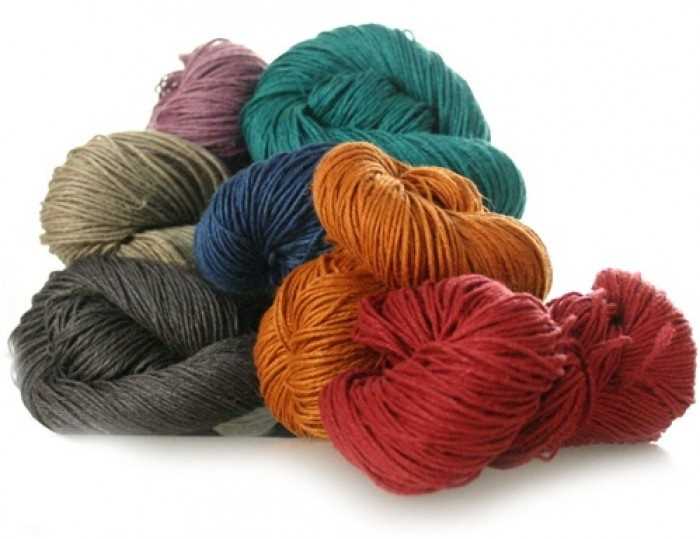
Hemp yarn is available in different natural colors, such as variations of beige and brown. However, if you prefer vibrant or different shades, look for hemp yarn that has been dyed using natural or eco-friendly dyes. Be aware that hemp yarn may have a natural rustic appearance, and the dye may not produce the same vibrant results as on other fibers.
4. Sourcing and Sustainability:
Consider the sourcing and sustainability of the hemp yarn you choose. Look for yarns made from organically grown hemp that is grown without the use of pesticides or herbicides. Additionally, consider supporting fair trade or ethical brands that prioritize environmental and social responsibility in their manufacturing processes.
- Consider the fiber blend of the yarn
- Choose the right thickness for your project
- Consider the color and dyeing process
- Check the sourcing and sustainability of the yarn
By considering these factors, you can choose the right hemp yarn for your knitting projects and enjoy the unique qualities that hemp brings to your designs.
Beginner knitting patterns using hemp yarn
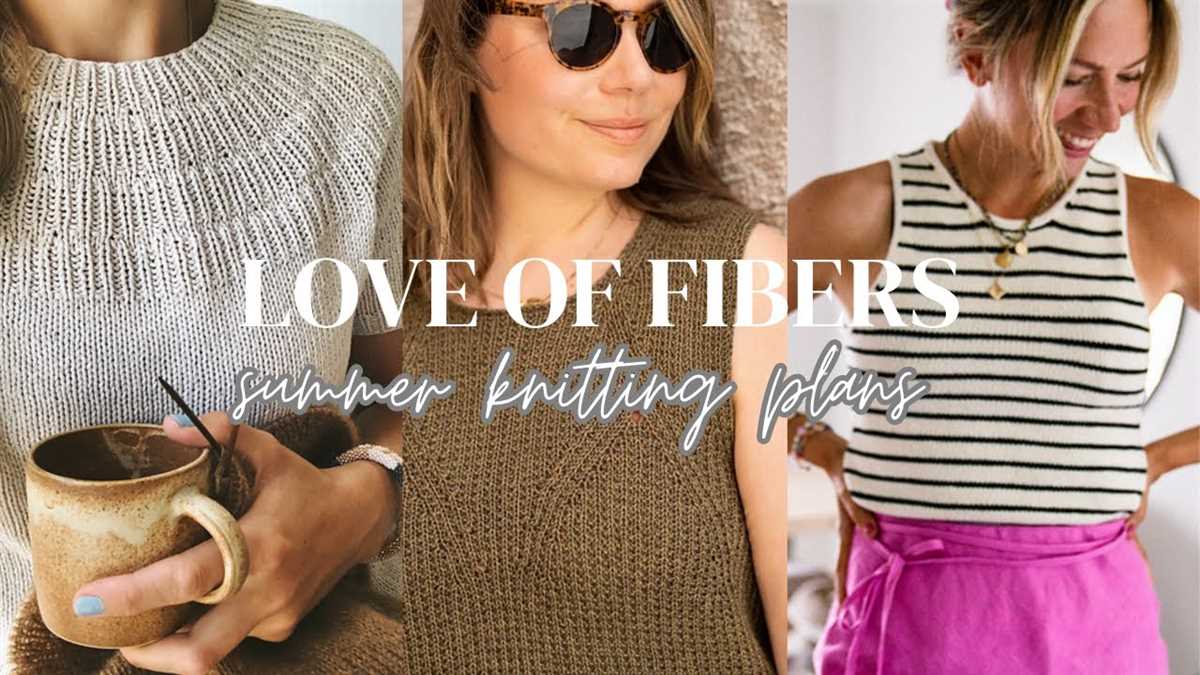
Hemp yarn is a great option for beginner knitters looking to create sustainable and environmentally-friendly projects. Its durability and strength make it ideal for a variety of knitting patterns. If you’re new to knitting and want to try working with hemp yarn, here are a few beginner-friendly patterns to get you started:
1. Dishcloth

A dishcloth is a simple and practical project for beginners. Using hemp yarn for this pattern will create a durable and absorbent cloth that is perfect for cleaning dishes or countertops. The pattern typically involves basic stitches such as knit and purl, making it an excellent choice for beginners to practice their skills.
2. Headband
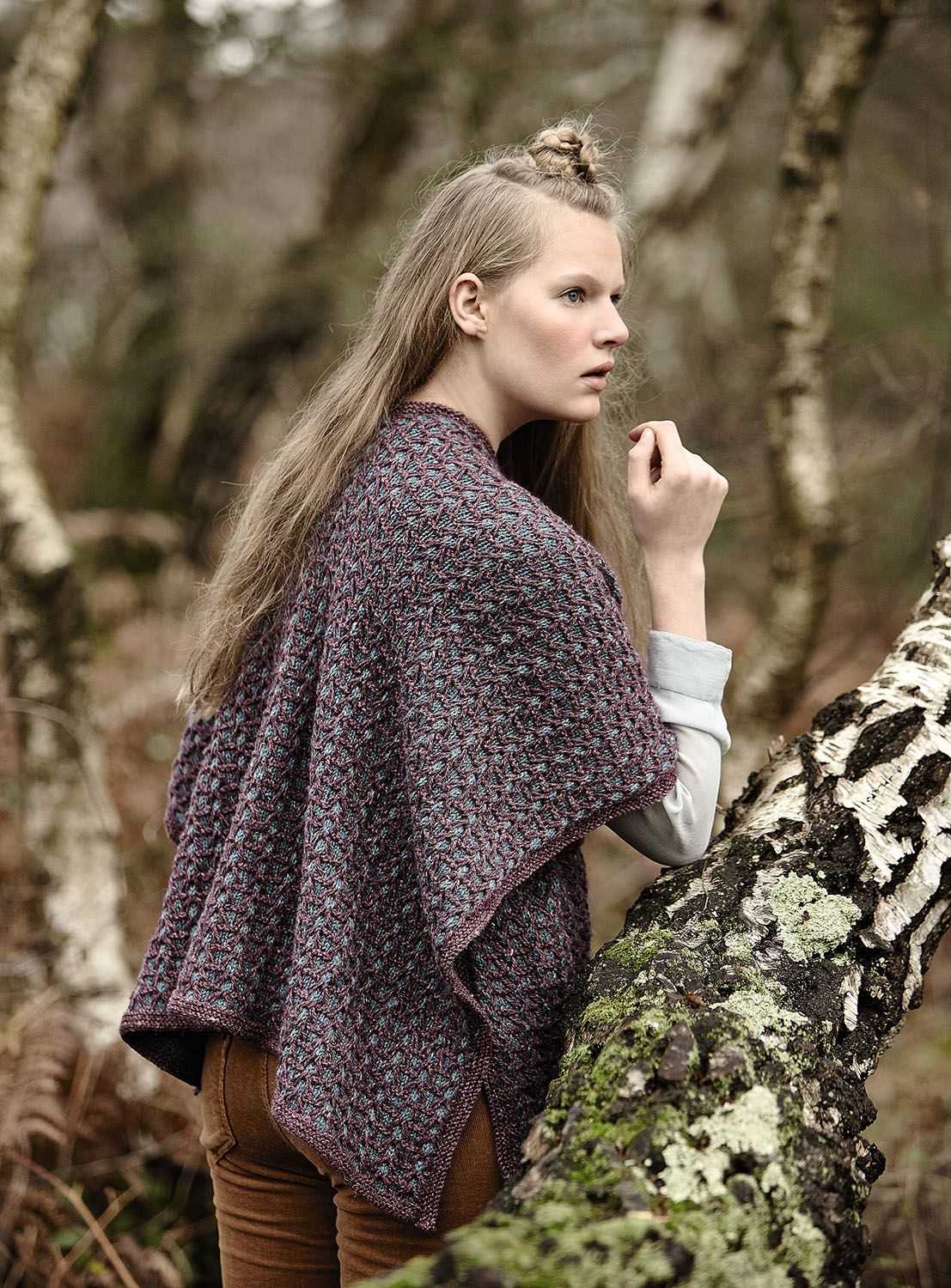
A headband is a stylish and functional accessory that can be easily knit with hemp yarn. This pattern often requires basic knitting techniques such as casting on, knitting in the round, and binding off. With its natural breathability and moisture-wicking properties, hemp yarn will help keep your head cool and comfortable.
3. Scarf
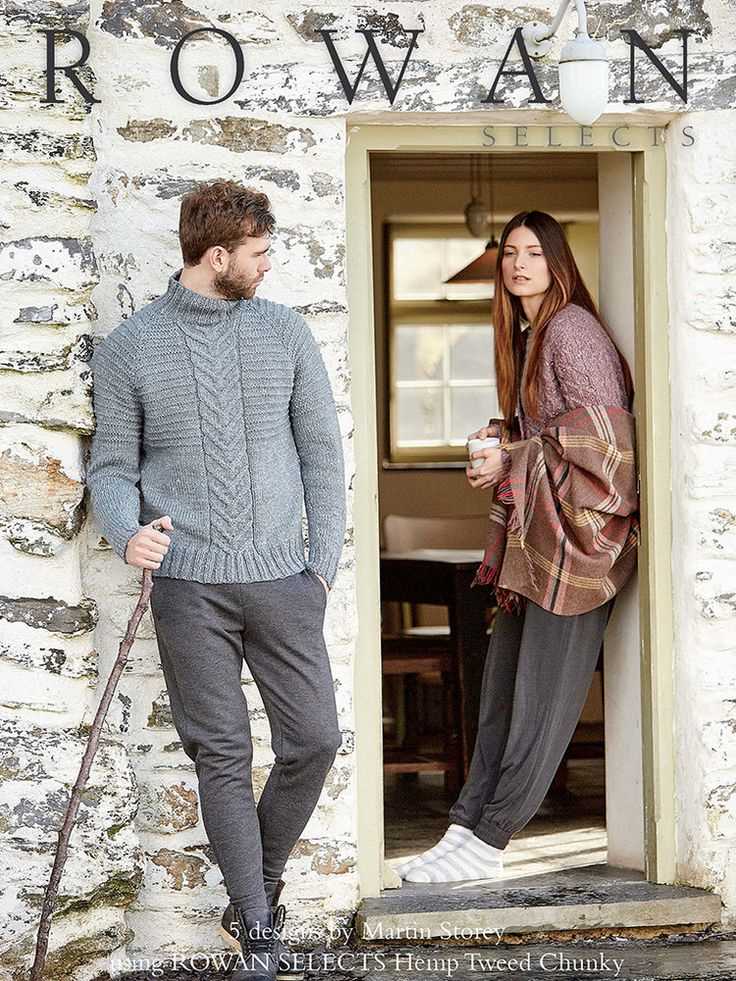
A scarf is a classic and versatile project that is perfect for beginners. Your first scarf with hemp yarn can be a simple garter stitch scarf, which involves knitting every row. The texture and drape of hemp yarn will add a unique touch to your finished scarf, making it an eye-catching accessory.
These beginner knitting patterns using hemp yarn are just a starting point for exploring the world of sustainable knitting. With a little practice and creativity, you’ll be able to expand your skills and create beautiful, eco-friendly projects using hemp yarn.
Advanced knitting patterns using hemp yarn
If you are an experienced knitter looking to take your skills to the next level, trying out advanced knitting patterns using hemp yarn can be a great way to challenge yourself. Hemp yarn is not only durable and environmentally friendly, but it also has a unique texture that adds a special touch to your projects.
One advanced knitting pattern that you can try using hemp yarn is a lace shawl. The natural drape and lightweight feel of hemp yarn make it perfect for creating intricate lace patterns. You can experiment with different stitch patterns, from delicate floral motifs to intricate geometric designs. The end result is a stunning shawl that can be worn year-round and adds an elegant touch to any outfit.
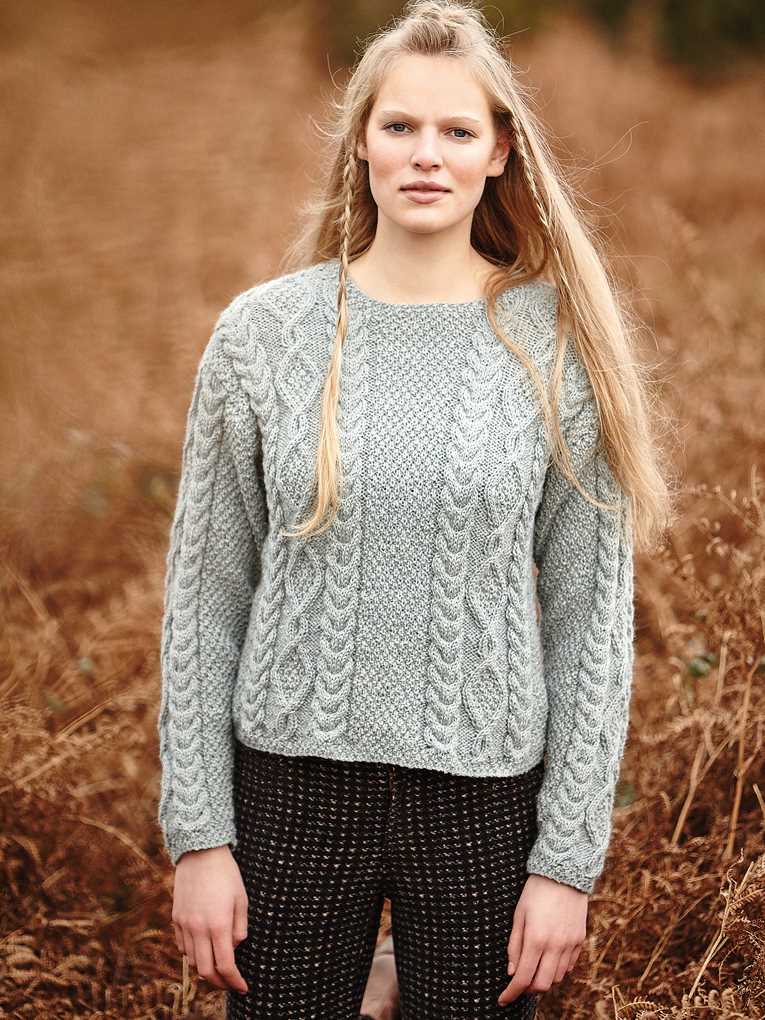
For a more intricate project, you can try knitting a cable sweater using hemp yarn. The rustic look and texture of hemp yarn lend themselves well to cables, adding depth and dimension to your sweater. You can choose from a variety of cable patterns, from simple twists to more complex braided designs. This pattern requires a bit more skill and patience, but the end result is a cozy and stylish sweater that will become a wardrobe staple.
If you are up for a challenge, you can attempt knitting a Fair Isle sweater using hemp yarn. Fair Isle knitting involves creating colorful patterns using multiple strands of yarn at once. The lightweight nature of hemp yarn makes it perfect for Fair Isle knitting, as it allows for comfortable and breathable garments. You can play with different color combinations and motifs, creating a one-of-a-kind sweater that showcases your advanced knitting skills.
Whether you choose to try a lace shawl, a cable sweater, or a Fair Isle project, knitting with hemp yarn will add a unique touch to your advanced knitting patterns. The versatility and durability of hemp yarn allow you to experiment with different stitch patterns and techniques, creating beautiful and functional pieces that you can cherish for years to come.
Knitting Techniques for Working with Hemp Yarn
Hemp yarn is a durable and sustainable material that is becoming increasingly popular in the world of knitting. Its natural fibers provide strength and longevity to knitted projects, making it ideal for creating items that will withstand regular use. Knitting with hemp yarn can be a unique and rewarding experience, but it does require some adjustments to traditional techniques.
Tension: Hemp yarn has less elasticity compared to other types of yarn, so it is important to adjust your tension accordingly. This means knitting with slightly looser stitches to avoid a stiff and rigid fabric. Experiment with different needle sizes and techniques to find the tension that works best for you.
Needle Choice: When working with hemp yarn, it is generally recommended to use needles that have a slightly larger size than what the yarn label suggests. This helps compensate for the lack of stretch in the yarn and gives your stitches more room to breathe. Choose needles that are comfortable for you to work with and allow you to maintain the desired tension.
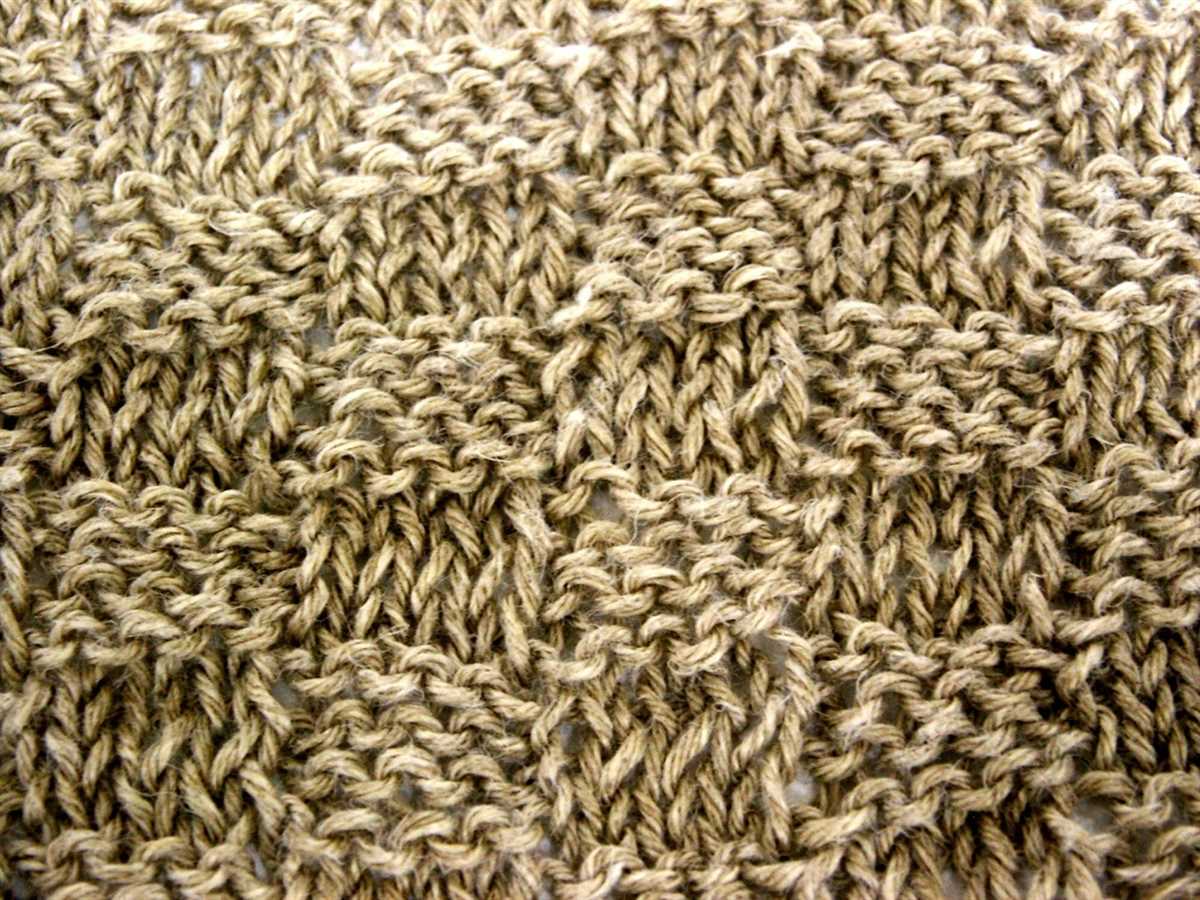
Stitch Selection: Certain stitch patterns may work better with hemp yarn than others. For example, simple and textured stitches tend to showcase the natural qualities of the yarn and create interesting patterns. Avoid complex lace or cable patterns that require a lot of stretch, as hemp yarn may not be able to accommodate them properly.
Finishing Techniques: Hemp yarn can produce a slightly rough texture, especially when worked with tightly. To achieve a smoother and softer finish, blocking and gentle washing can be beneficial. Soaking your finished project in lukewarm water with mild soap, followed by careful stretching and drying, can help soften the yarn and improve its drape.
Project Ideas: Hemp yarn is versatile and can be used for a variety of knitting projects. It is great for creating durable items such as bags, market totes, dishcloths, and even garments like sweaters and hats. Combining hemp yarn with other fibers, such as cotton or bamboo, can also create interesting textures and enhance the properties of the final piece.
In conclusion, knitting with hemp yarn requires some adjustments to traditional techniques, but the results are well worth it. By adjusting your tension, choosing the right needles, selecting appropriate stitch patterns, and using proper finishing techniques, you can create beautiful and long-lasting knitted items that showcase the unique qualities of hemp yarn.
Tips for Successful knitting with Hemp Yarn
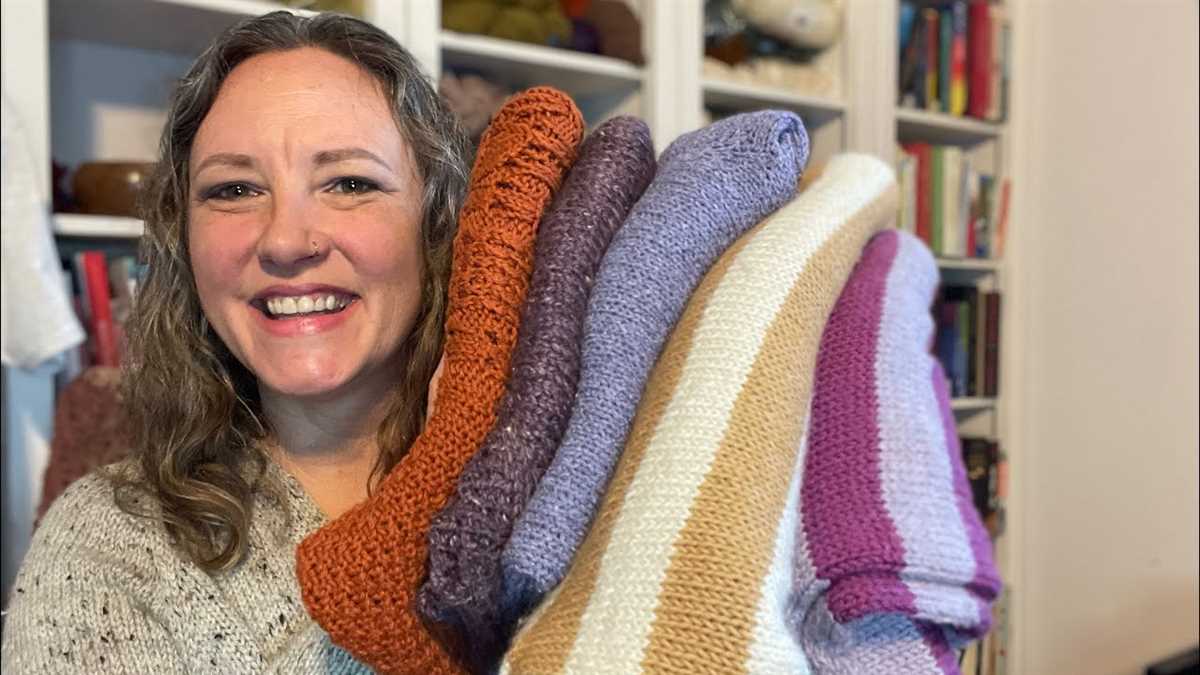
Knitting with hemp yarn can be an enjoyable and rewarding experience. However, as hemp yarn is known for its unique properties, it’s important to keep a few tips in mind to ensure successful knitting projects. These tips will help you make the most of your hemp yarn and create beautiful and durable knitted items.
1. Choose the Right Needle Size
When knitting with hemp yarn, it’s important to select the appropriate needle size for your project. Hemp yarn tends to be stiffer than other fibers, so using larger needles can help create a looser and more flexible fabric. Experiment with different needle sizes to find the one that gives you the desired drape and texture for your project.
2. Soak the Yarn Before Knitting

Before starting your knitting project, it’s recommended to soak the hemp yarn in warm water for about 20 minutes. This will help soften the fibers and make them more pliable, making it easier to work with. Gently squeeze out the excess water and allow the yarn to dry partially before beginning the knitting process.
3. Practice Tension Control
Due to its stiffer nature, hemp yarn can be harder to control when it comes to tension. It’s important to pay close attention to your tension while knitting with hemp yarn to ensure even stitches and a consistent fabric. Taking regular breaks to relax your hands and checking your tension throughout the project can help maintain an even stitch gauge.
4. Avoid Overstretching
Hemp yarn has less elasticity compared to other fibers, so it’s important to avoid overstretching while knitting. Tugging too hard on the yarn can result in uneven stitches and a distorted fabric. Take care to handle the yarn gently and avoid pulling it excessively to maintain the shape and integrity of your knitted item.
By following these tips, you’ll be well-prepared to successfully knit with hemp yarn and create beautiful, durable projects. Whether you’re knitting garments, accessories, or home decor items, the unique qualities of hemp yarn can add a special touch to your knitting projects. Enjoy the process and embrace the natural beauty of this versatile fiber!
Knitting accessories to enhance your hemp yarn projects
When working with hemp yarn, there are several knitting accessories that can help enhance your projects and make the knitting process smoother and more enjoyable. From stitch markers to blocking tools, these accessories can improve the overall outcome of your hemp yarn creations.
1. Stitch markers
Stitch markers are essential when knitting with hemp yarn, as they help you keep track of your stitches and patterns. They can be especially useful when working on intricate lace or cable designs, where it’s easy to lose your place. Opt for stitch markers that are lightweight and easy to move along the needle, so they won’t interfere with the texture of the hemp yarn.
2. Cable needles

If you’re incorporating cable designs into your hemp yarn projects, cable needles are a must-have accessory. These specially shaped needles make it easier to hold stitches to the front or back while creating the cable twists. Look for cable needles with a smooth surface, as hemp yarn can be quite grippy, and you want the stitches to glide effortlessly.
3. Blocking tools
Blocking is an essential step in finishing any knitted project, and it’s no different when working with hemp yarn. Blocking tools, such as blocking mats and pins, help you shape and smooth your finished pieces, giving them a more professional and polished look. Hemp yarn can be quite durable, so using blocking tools can help relax the fibers and improve the drape of your projects.
4. Circular knitting needles
Hemp yarn is often used to create larger projects such as sweaters and blankets. In these cases, circular knitting needles are a great accessory to have. They allow you to comfortably hold a large number of stitches and distribute the weight of your project evenly, reducing strain on your wrists and hands. Circular needles also make it easier to knit in the round, perfect for projects like hats or cowls.
5. Yarn bowls or bags
Managing your hemp yarn while knitting is essential to avoid tangles and keep your project organized. Yarn bowls or bags are practical accessories that can hold your yarn and protect it from dust and pets. Look for bowls or bags with a smooth interior, as hemp yarn can be rough on delicate fibers. Additionally, yarn bowls with a narrow cutout or notch can prevent the yarn from rolling away, ensuring a smooth and uninterrupted knitting experience.
By incorporating these knitting accessories into your hemp yarn projects, you can enhance your knitting process and create beautiful and polished finished pieces. Experiment with different tools and techniques to find what works best for you and enjoy the unique properties of hemp yarn in your knitting endeavors.
Benefits of knitting with hemp yarn
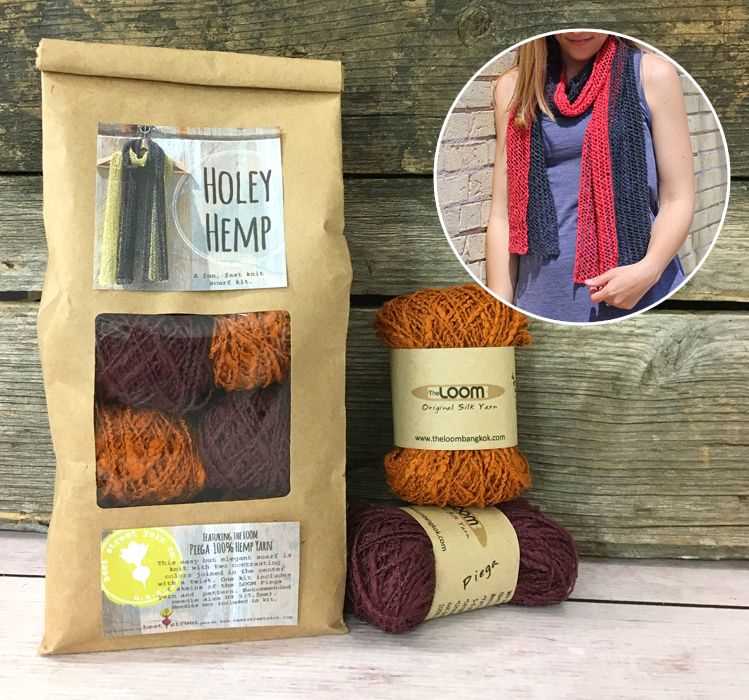
Knitting with hemp yarn offers several distinct benefits over other types of yarn. Not only is hemp yarn incredibly durable and long-lasting, but it also has a number of environmental advantages. The natural fibers of hemp yarn are incredibly strong, making it an ideal choice for projects that require durability, such as bags or accessories. Additionally, hemp yarn has a unique texture that adds a rustic and natural quality to any knitted item.
1. Eco-friendly: One of the main benefits of knitting with hemp yarn is its eco-friendly nature. Hemp is a renewable resource that requires minimal water and no pesticides to grow, making it a more sustainable option compared to other yarns. By choosing hemp yarn, knitters can contribute to reducing their environmental impact.
2. Hypoallergenic: Another advantage of hemp yarn is its hypoallergenic properties. Hemp fibers are naturally resistant to mold, mildew, and bacteria, making it an excellent choice for individuals with allergies or sensitive skin. Those who struggle with wool allergies or other yarn sensitivities can still enjoy the art of knitting with hemp yarn.
3. Versatility: Hemp yarn can be used for a wide range of knitting projects. Its durability makes it perfect for home decor items like rugs, potholders, and dishcloths. Additionally, it can also be used for clothing and accessories, such as sweaters, shawls, and hats. The versatility of hemp yarn allows knitters to experiment with various patterns and create unique and durable pieces.
4. Breathability: Hemp yarn is known for its breathability, making it an excellent choice for projects that will be worn close to the skin. The fibers of hemp allow air to circulate, keeping the wearer cool and comfortable. Knitted garments made from hemp yarn are ideal for warm weather or for individuals who tend to overheat easily.
5. Long-lasting: Knitted items made from hemp yarn are built to last. The strength and durability of hemp fibers ensure that the finished products will withstand regular use and remain in excellent condition for years to come. Whether it’s a knitted bag, a rug, or a sweater, knitting with hemp yarn guarantees longevity and satisfaction.
In conclusion, knitting with hemp yarn provides numerous benefits, including its eco-friendly nature, hypoallergenic properties, versatility, breathability, and long-lasting quality. By choosing hemp yarn for knitting projects, individuals can enjoy both the visual appeal and the environmental advantages of this unique material.
How to care for your knitted items made with hemp yarn?
Knitted items made with hemp yarn require specific care to ensure their longevity and maintain their quality. Here are some tips on how to properly care for your knitted hemp garments:
1. Hand wash with delicate detergent
When it comes to laundering your hemp knitted items, it is best to hand wash them using a delicate detergent. This will help preserve the natural fibers and prevent any damage or shrinkage. Fill a sink or basin with lukewarm water and add a small amount of gentle detergent. Gently agitate the knitted item in the water, making sure to avoid harsh rubbing or twisting. Rinse thoroughly with cool water and gently squeeze out any excess moisture.
2. Lay flat to dry
After washing, it is important to avoid wringing or twisting the knitted item as this can cause it to lose its shape and stretch. Instead, lay the item flat on a clean towel or drying rack to air dry. Avoid placing it directly in sunlight or using a dryer, as this can cause further shrinking or damage to the fibers.
3. Store properly
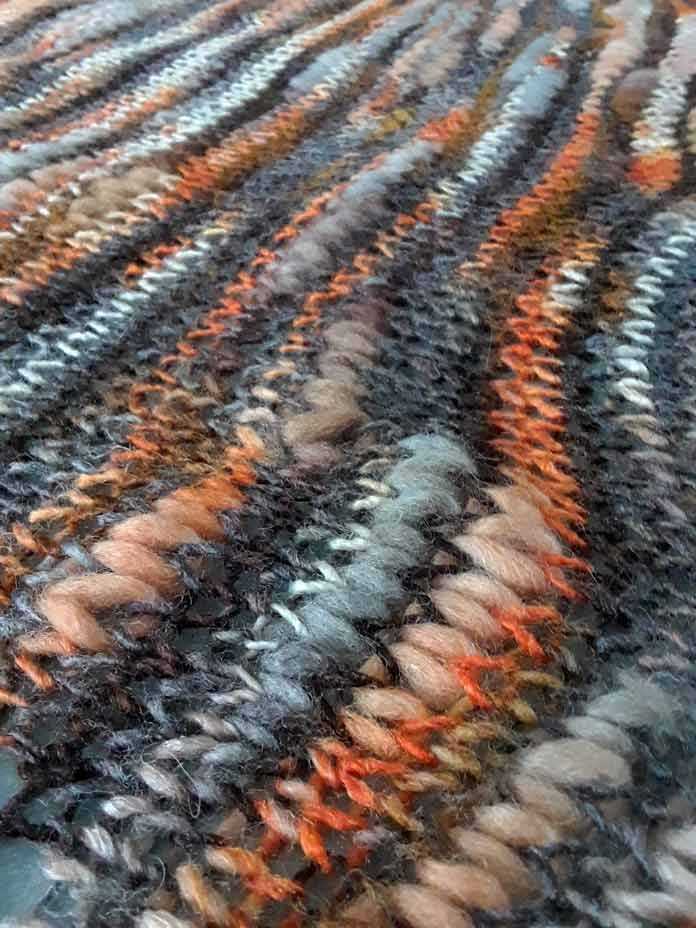
When storing your knitted hemp items, make sure to fold them neatly and place them in a dry, well-ventilated area. Avoid hanging them, as this can cause stretching and distortion of the garment. It is also advisable to use moth repellents or cedar chips to prevent any damage from pests.
4. Iron with care
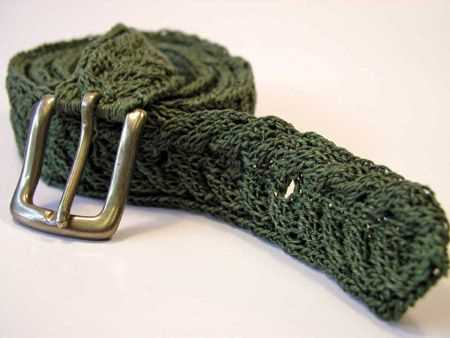
If ironing is necessary, always use a low heat setting and place a cloth or pressing cloth between the iron and the knitted item to prevent direct contact. Gently press the iron over the cloth, avoiding any heavy pressure or dragging motion. Hemp fibers can withstand heat, but excessive heat can cause them to become brittle or scorched.
By following these care instructions, you can ensure that your knitted items made with hemp yarn will remain in excellent condition for years to come.
Where to buy high-quality hemp yarn for knitting?
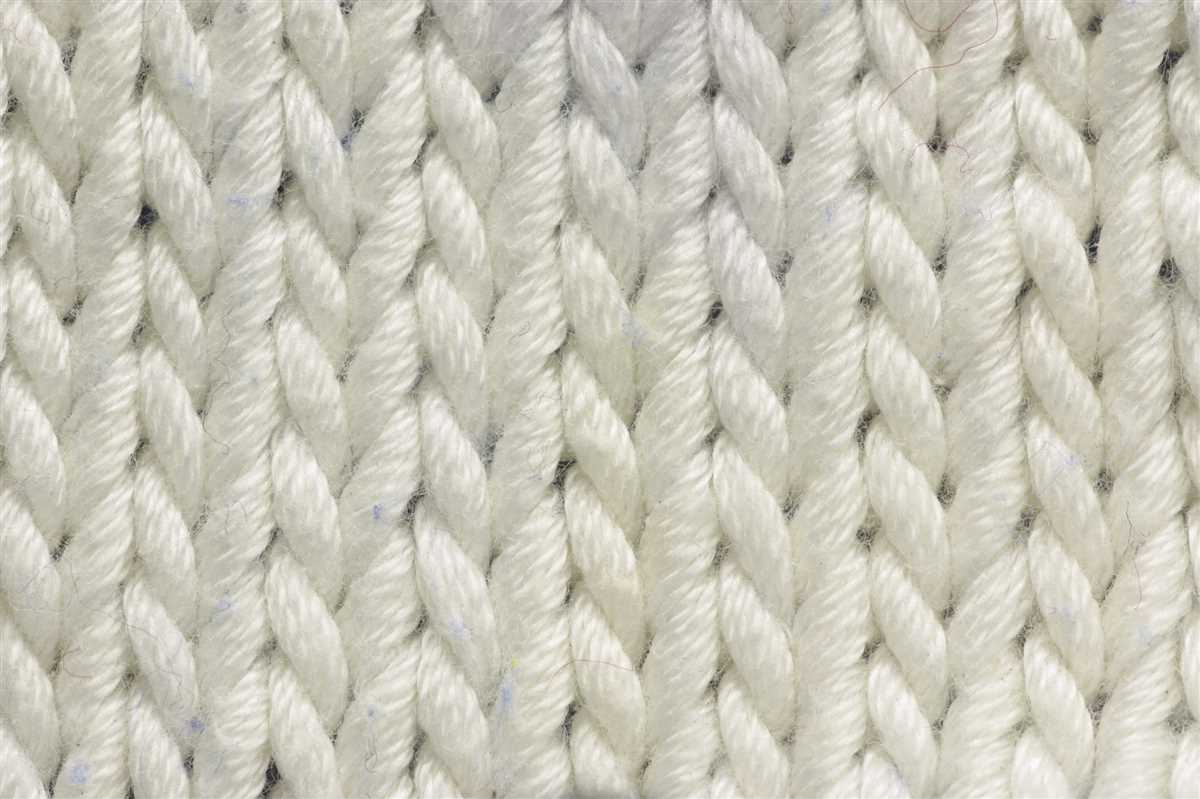
If you’re interested in knitting with hemp yarn, it’s important to find a reliable source that offers high-quality products. Here are some places where you can purchase hemp yarn for your knitting projects:
1. Online retailers:
There are several online retailers that specialize in selling hemp yarn. They offer a wide variety of colors, weights, and blends to choose from. Some popular online stores include:
- Hemp Traders: They offer a diverse selection of hemp yarn, including organic and dyed options.
- Yarnspirations: This online store not only sells hemp yarn but also features knitting patterns and project ideas.
- Amazon: As one of the largest online marketplaces, Amazon offers a range of hemp yarn options from various sellers.
2. Local yarn shops:
Check if there are any local yarn shops in your area that carry hemp yarn. These shops often have a knowledgeable staff who can help you select the right yarn for your project. Additionally, supporting local businesses helps to promote sustainable and eco-friendly practices.
3. Craft fairs and markets:
Attending craft fairs and markets is a great way to discover unique and artisanal hemp yarn. Many independent dyers and spinners showcase their products at these events, giving you the opportunity to find one-of-a-kind yarn for your knitting projects.
4. Hemp farms and co-operatives:
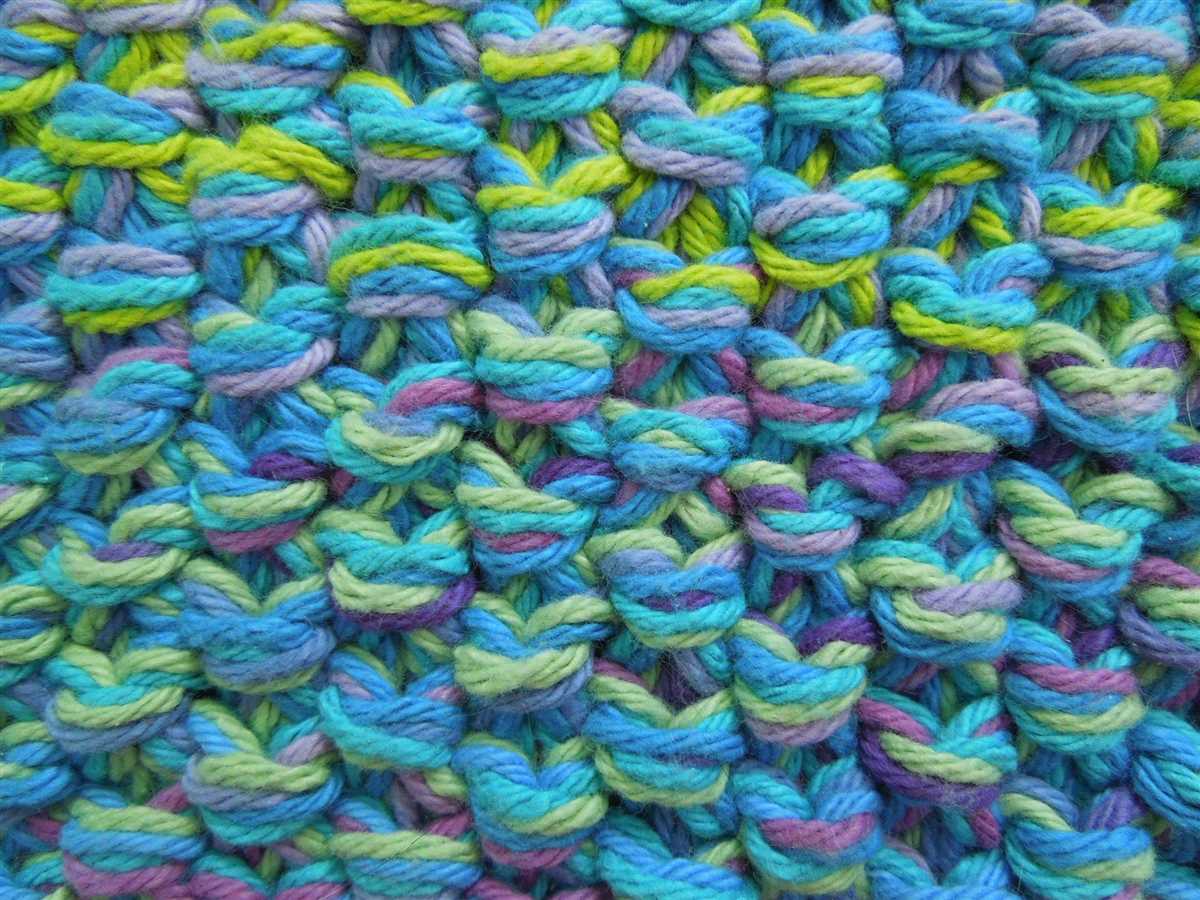
Some hemp farms and co-operatives sell their own hemp yarn directly to consumers. By purchasing from these sources, you can support sustainable farming practices and get a better understanding of the production process behind your yarn.
When buying hemp yarn, it’s important to consider the quality, origin, and ethical practices of the supplier. Look for certifications such as organic or fair-trade to ensure that you’re purchasing a sustainable and responsibly sourced product.
With the increasing popularity of sustainable and eco-friendly alternatives, finding high-quality hemp yarn for knitting is becoming easier. Whether you prefer to shop online or visit local stores, there are plenty of options available to help you create beautiful and environmentally friendly knitted pieces.