How to Knit a Poinsettia: Free Pattern and Tutorial
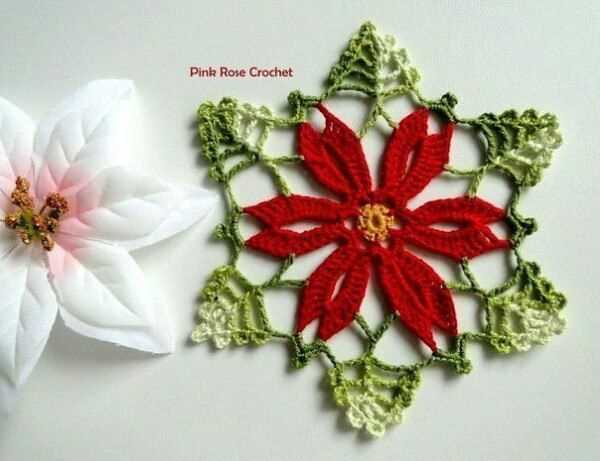
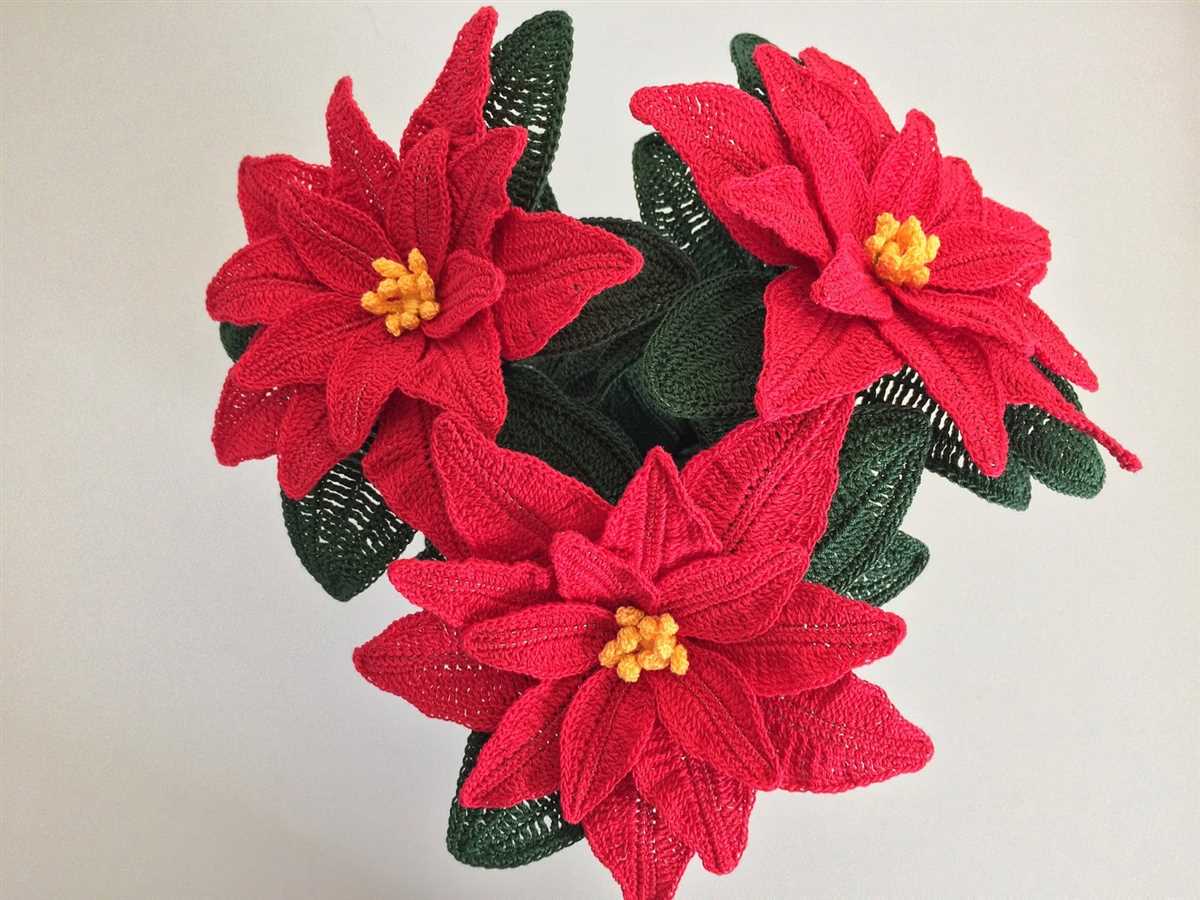
Knitting is a wonderful way to relax and express your creativity. With the holiday season just around the corner, why not try your hand at making some festive knitted decorations? One popular option is a poinsettia knitting pattern, which allows you to create beautiful flowers that can be used to adorn your home or give as gifts.
Poinsettias are well-known for their vibrant red and green colors, making them the perfect addition to your holiday decor. By following a poinsettia knitting pattern, you can create these iconic flowers in a variety of sizes and styles. Whether you prefer a small decoration for a table centerpiece or a larger arrangement for your mantel, there are patterns available to suit your needs.
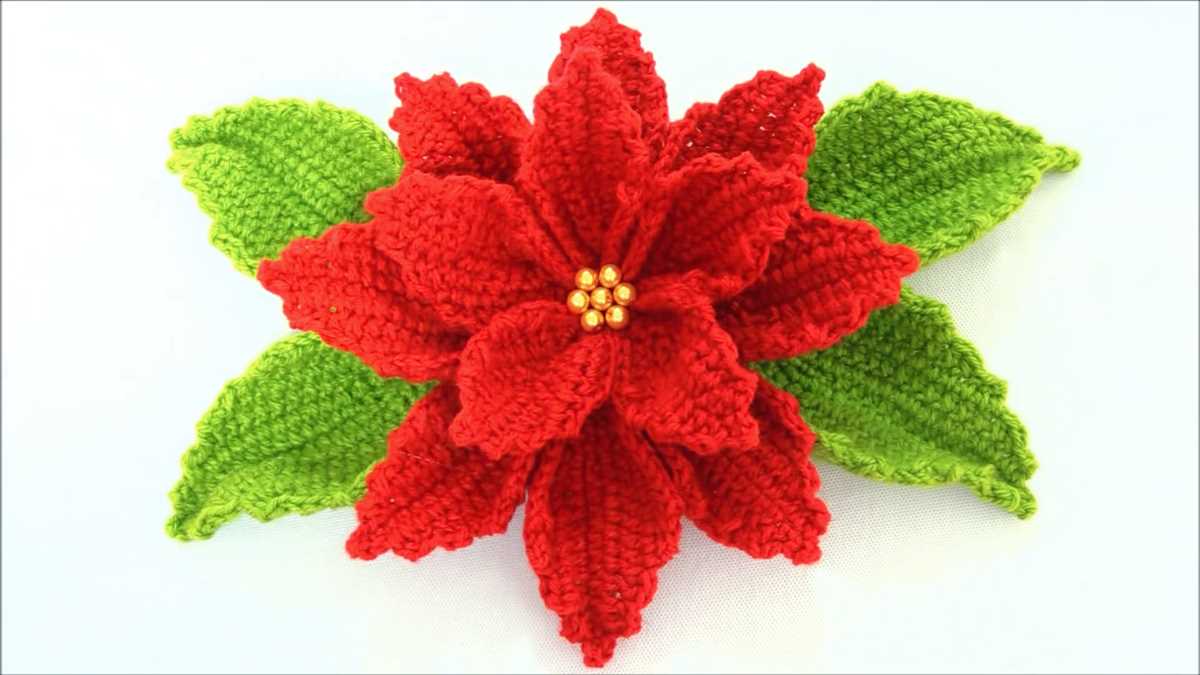
Knitting a poinsettia may seem like a complex project, but with the right pattern and a bit of practice, anyone can create stunning flowers. The pattern typically includes instructions for creating petals, leaves, and a center, which are then sewn together to form a complete flower. The pattern will also specify the type of yarn and knitting needles to use, ensuring that you achieve the desired size and texture for your poinsettias.
History of Poinsettias
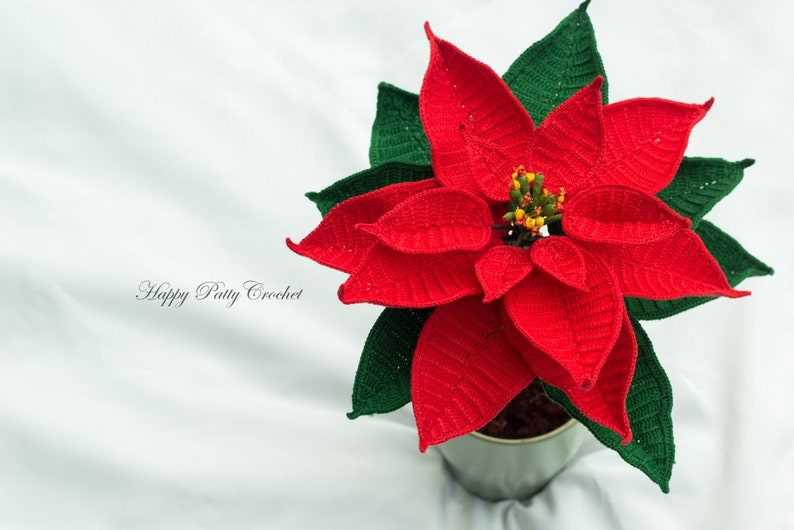
The history of poinsettias dates back to ancient times, with the plant being native to Mexico. The Aztecs, who revered the plant for its beautiful red color and its association with purity, used the sap to make dyes and cosmetics. They also used the plant in religious ceremonies and believed it had medicinal properties.
However, poinsettias gained worldwide recognition thanks to Joel Roberts Poinsett, the first American ambassador to Mexico. In 1828, he discovered the plant during his visit to Mexico and was fascinated by its beauty. Poinsett brought the plant back to the United States and started to cultivate it in his greenhouses, eventually giving it his name – poinsettia.
In the early 20th century, the Ecke family, a renowned florist family from California, played a significant role in popularizing and commercializing poinsettias. They pioneered new techniques for growing and marketing the plants, making them one of the most popular houseplants during the holiday season.
Today, poinsettias are synonymous with Christmas and are a common sight in homes, offices, and churches during the holiday season. The plant’s vibrant red color and unique shape make it a symbol of joy, love, and celebration. It is also believed to bring good luck and prosperity. With its rich history and cultural significance, the poinsettia continues to be one of the most beloved and iconic holiday plants.
Significance of Poinsettias in Knitting
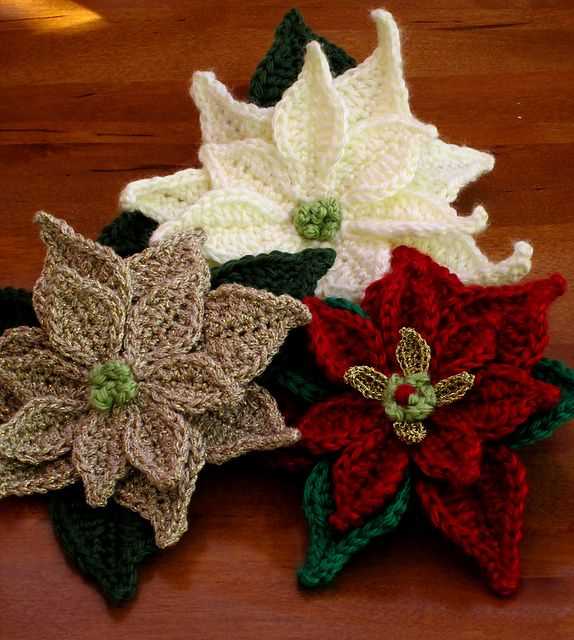
Poinsettias are not only beautiful flowers commonly associated with the holiday season, but they also hold significance in the world of knitting. Knitting patterns inspired by the poinsettia flower are a popular choice among knitting enthusiasts, bringing a touch of festive charm to various knitted creations.
Poinsettia knitting patterns typically feature designs that mimic the intricate shape and vibrant colors of the poinsettia flower. These patterns often incorporate techniques such as colorwork or lace knitting to capture the beauty and detail of the flower petals. Knitting a poinsettia-inspired project allows knitters to showcase their skills while embracing the holiday spirit.
One of the main appeals of using poinsettias in knitting is their symbolic meaning. Poinsettias are often associated with warmth, love, and celebration, making them a perfect choice for holiday-themed knitting projects. By incorporating poinsettia patterns into their knitted creations, individuals can infuse their projects with a sense of joy and holiday cheer.
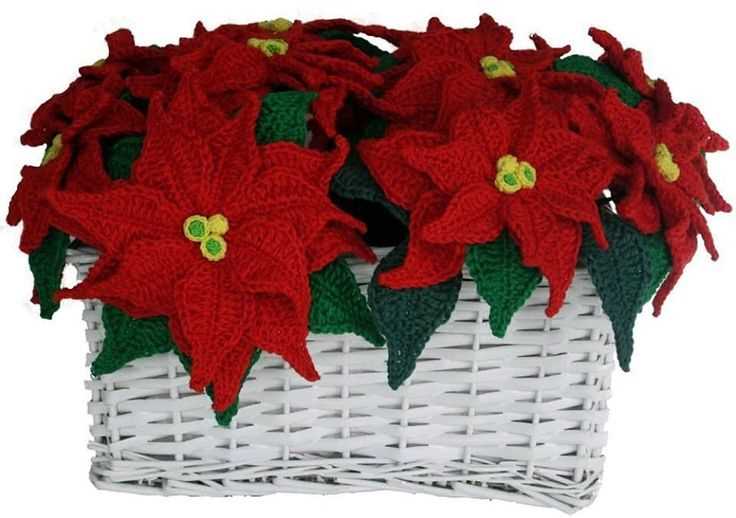
Furthermore, knitting with poinsettia patterns can be a meaningful way to celebrate the winter season and add a special touch to home decor. Knitted poinsettia ornaments, wreaths, or table runners can elevate the festive atmosphere of any space, serving as a reminder of the joy and merriment that accompanies the holiday season.
In conclusion, poinsettias hold a significant place in the world of knitting, inspiring patterns that capture the beauty and symbolism of these beloved flowers. Knitting with poinsettia patterns allows individuals to showcase their skills, embrace the holiday spirit, and create meaningful and festive knitted creations. So, whether you’re a knitting enthusiast or simply appreciate the charm of poinsettias, incorporating this flower into your knitting projects can bring warmth and joy to your winter season.
Materials and Tools Needed

In order to create a beautiful poinsettia using the knitting pattern, you will need a few materials and tools. Here is a list of the items you will require:
- Yarn: You will need red and green yarn to create the petals and leaves of the poinsettia. Make sure to choose a yarn that is suitable for knitting.
- Knitting Needles: To knit the poinsettia, you will need a pair of knitting needles in the appropriate size for your chosen yarn. Check the yarn label for recommended needle size.
- Tapestry Needle: A tapestry needle will be useful for weaving in loose ends and sewing the different parts of the poinsettia together.
- Scissors: A pair of scissors will come in handy for cutting the yarn and trimming any excess.
- Stitch Marker: It can be helpful to use a stitch marker to mark the beginning of your rounds or to indicate specific stitches.
- Stuffing: If you plan to stuff your poinsettia, you will need filling material such as fiberfill or cotton.
These are the basic materials and tools needed to complete the poinsettia knitting pattern. Once you have gathered all the necessary items, you will be ready to start knitting your festive poinsettia!
Picking the Right Yarn
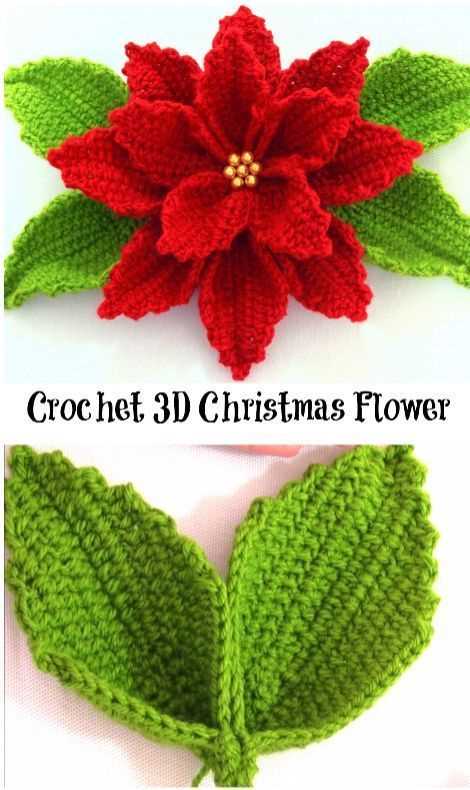
When it comes to knitting the perfect poinsettia, choosing the right yarn is essential. The yarn you select will determine the look, feel, and durability of your finished project. So, how do you pick the right yarn for your poinsettia knitting pattern? Here are a few things to consider.
Fiber Content: The fiber content of the yarn will greatly impact the final result of your poinsettia. For a more realistic and natural-looking flower, opt for a yarn with a high wool or silk content. These fibers will give your poinsettia a beautiful sheen and drape. If you prefer a more structured and sturdy flower, consider using a cotton or acrylic yarn.
Weight: The weight of the yarn is another important factor to consider. For a delicate and intricate poinsettia, choose a fine or lace weight yarn. This will allow you to create intricate details and achieve a lightweight flower. If you prefer a bolder and more substantial poinsettia, opt for a medium or bulky weight yarn. This will result in a larger and more robust flower.
Color: The color of the yarn is, of course, a crucial consideration for a poinsettia knitting pattern. Traditionally, poinsettias are bright red, but you can also experiment with other festive colors like white, pink, or even variegated yarns. Consider the overall look and feel you want to achieve with your finished project, and select a yarn color that best matches your vision.
Texture: Lastly, consider the texture of the yarn. Smooth yarns will create a more polished and refined poinsettia, while textured or boucle yarns can add an interesting dimension to your flower. Think about the desired surface appearance of your poinsettia and select a yarn that will help you achieve that effect.
Remember, knitting a poinsettia should be a fun and enjoyable experience. By carefully selecting the right yarn, you can create a beautiful and unique flower that will bring joy and holiday spirit to any knitting project. Happy knitting!
Choosing the Right Needles
When knitting the Poinsettia pattern, choosing the right needles is essential to achieve the desired result.
Needle size: The first factor to consider is the needle size. The pattern will usually specify a recommended needle size, which is determined by the yarn weight and the desired tension or gauge. It is important to use the correct needle size to ensure that the stitches are even and the final project turns out as expected. If the needle size is too small, the fabric may be too tight and stiff. On the other hand, if the needle size is too large, the fabric may be loose and floppy.
Types of needles:
- Straight needles: Straight needles are the most traditional type of knitting needles. They come in various lengths and materials, such as wood, metal, or plastic. Straight needles are ideal for knitting flat pieces, such as scarves or blankets.
- Circular needles: Circular needles are two short needles connected by a flexible cable. They are suitable for knitting both flat and in the round. Circular needles are particularly useful for larger projects, as the weight of the fabric can rest on the cable and make it more comfortable to hold.
- Double-pointed needles: Double-pointed needles, or DPNs, are used for knitting small circumferences in the round, such as socks or sleeves. They come in sets of four or five needles, with points on both ends. DPNs allow the knitter to work in a continuous circle without the need for seam or stitch markers.
Material: The material of the needles can also affect the knitting experience. Wooden needles are known for their warmth and smoothness, making them a popular choice for many knitters. Metal needles, such as aluminum or stainless steel, are durable and slide easily through the stitches. Plastic needles are lightweight and can be a good option for those with sensitive hands. Ultimately, the choice of material comes down to personal preference.
By carefully considering the needle size, type, and material, knitters can select the right needles for their Poinsettia knitting project. This attention to detail will contribute to the overall success and satisfaction of the finished piece.
Getting Started: Casting On
Before you begin knitting the Poinsettia pattern, you’ll need to cast on your stitches. Casting on is the first step in creating any knitting project and it sets the foundation for the rest of your work.
To cast on for the Poinsettia pattern, you can use a basic knitting technique called the long-tail cast on. This method creates a sturdy and flexible edge, which is important for the flower petals to take shape.
- Step 1: Start by leaving a long tail of yarn, approximately three times the width of your finished project. This tail will be used to create the first row of stitches.
- Step 2: Make a slip knot at the end of the tail, leaving a small loop.
- Step 3: Insert your knitting needle through the loop of the slip knot and pull the tail to tighten the knot around the needle.
- Step 4: Hold the needle with the slip knot in your right hand and the tail of the yarn in your left hand.
- Step 5: With your left hand, bring the yarn over the top of the needle, forming a “yarn over”.
- Step 6: Insert the right needle into the loop on the left needle, going from front to back.
- Step 7: Bring the right needle under the yarn over the top of the left needle, then pull the loop through the stitch.
- Step 8: Slip the new stitch onto the left needle.
- Step 9: Repeat steps 5-8 until you have cast on the required number of stitches for the pattern.
Once you have cast on your stitches, you’re ready to start knitting the Poinsettia pattern. Make sure to follow the instructions and stitch chart carefully to create an accurate and beautiful flower design.
Knitting the Leaves
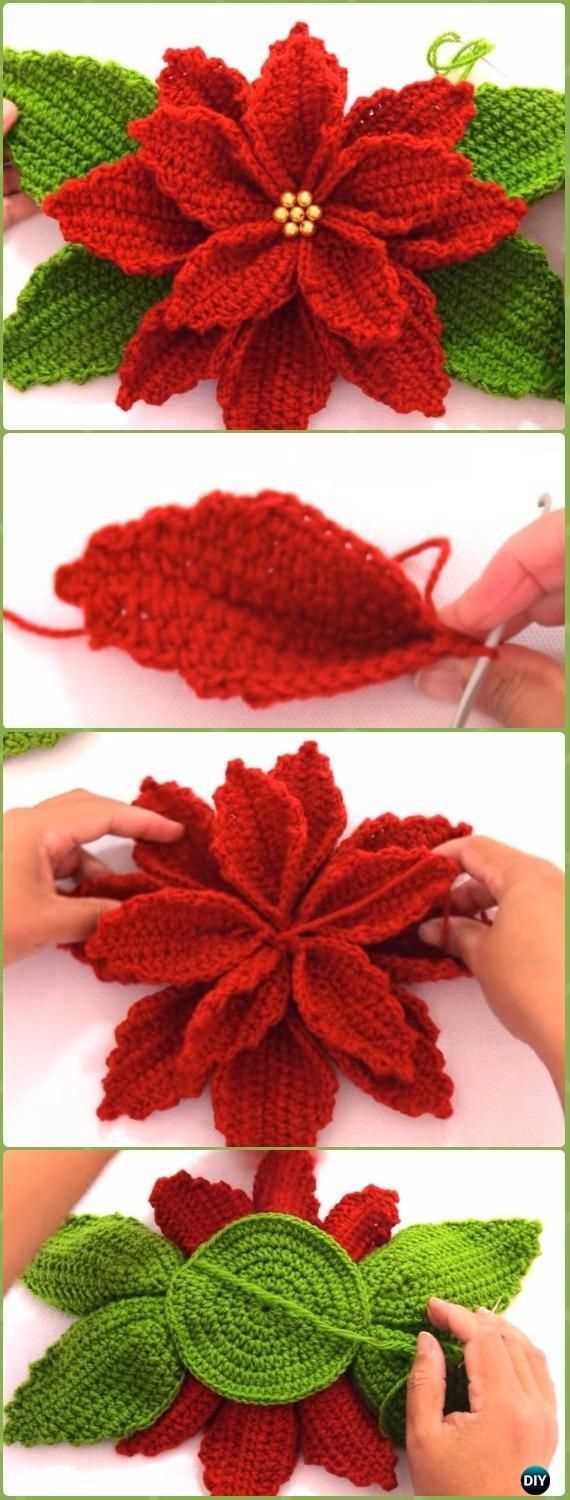
In order to create a beautiful and realistic poinsettia flower, knitting the leaves is an essential step. The leaves of the poinsettia are the most prominent feature of the plant, and carefully knitting them can bring a touch of elegance to your final piece.
To begin knitting the leaves, you will need to gather the necessary materials. This includes the appropriate yarn, knitting needles, and any additional tools or accessories that may be required for the pattern you are following. Once you have all the materials ready, you can start casting on and working on the leaf stitches.
The poinsettia leaves typically have a pointed and elongated shape. To achieve this, you will need to use specific knitting techniques such as increasing and decreasing stitches. This will help create the desired shape and give the leaves a realistic appearance. Pay attention to the pattern instructions and follow them carefully to ensure accurate results.
As you progress with knitting the leaves, it is important to maintain a consistent tension and gauge. This will ensure that all the leaves in your poinsettia flower have the same size and shape. Take your time and focus on achieving even stitches throughout the knitting process.
Once you have completed knitting the leaves, you can move on to assembling the different parts of the poinsettia flower. This may involve stitching the leaves together, attaching them to the flower center, or any other instructions provided by the pattern. Following the pattern instructions will help you create a beautiful and realistic poinsettia flower that you can proudly display or gift to someone special.
Creating the Center of the Poinsettia
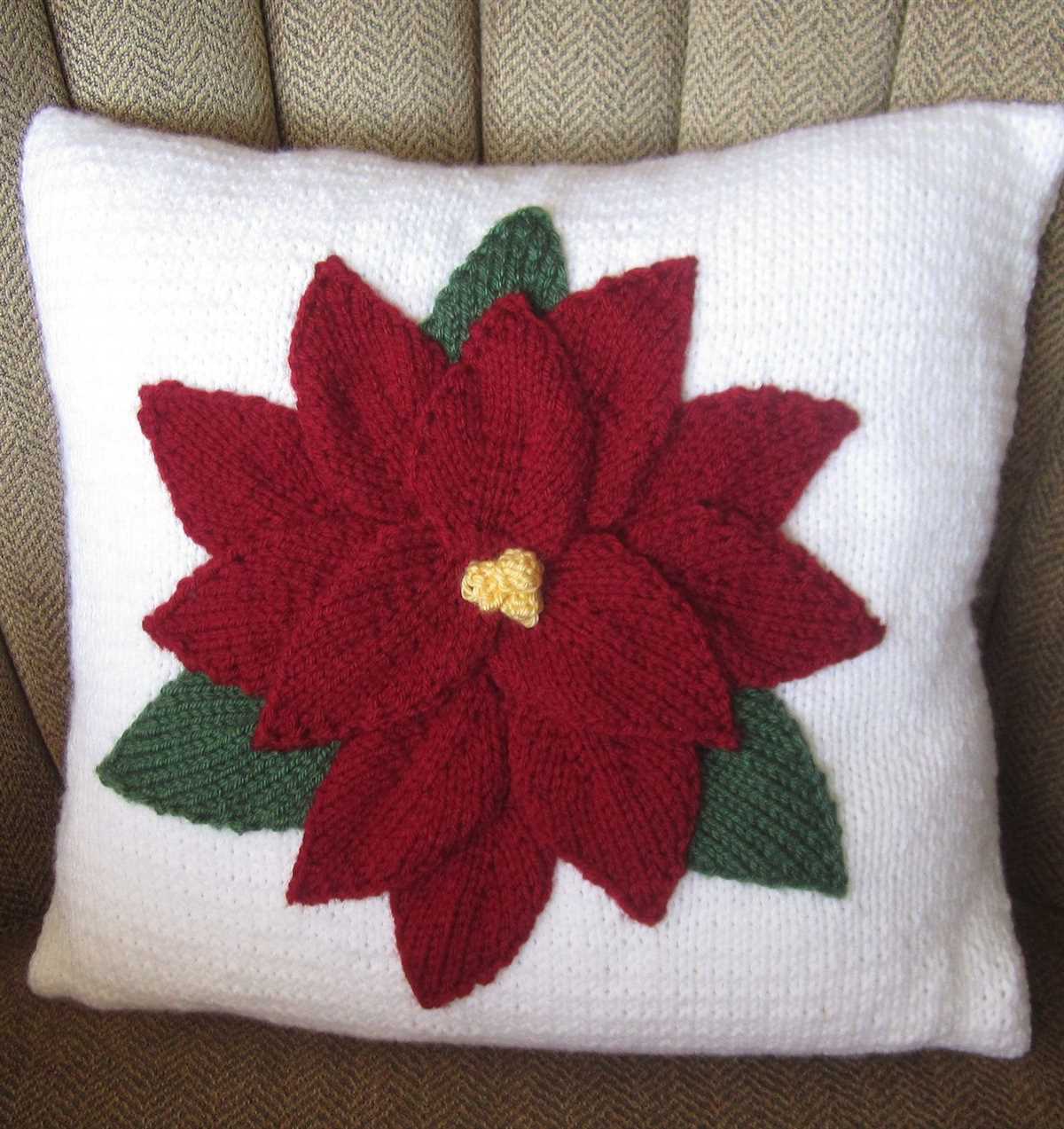
The center of the poinsettia is an important element that gives the flower its distinct appearance. To create the center, you will need to start with a small circular base. To achieve this, you can cast on a small number of stitches, typically around 6 to 8, depending on the size of the flower you want to make. You can use a circular knitting technique or double-pointed needles to knit the center in the round.
Once you have the circular base, you can proceed to create the textured center of the poinsettia. There are various techniques you can use to achieve the desired texture. One popular method is to work a combination of different stitch patterns, such as seed stitch, twisted rib, or even a small cable pattern, to give the center a more three-dimensional look. You can also incorporate small bobbles or beads into the knitting to add extra dimension and visual interest.
When working on the center of the poinsettia, it’s important to pay attention to your tension. You want the center to be tight enough to hold its shape but not too tight that it becomes difficult to work with. Experimenting with different needle sizes and yarn weights can help you achieve the right balance. Additionally, make sure to weave in any loose ends as you go along to avoid any unwanted bulk or lumps in the center of your flower.
To create a realistic center, you can refer to images of real poinsettia flowers for inspiration. Study the details of the center, such as the arrangement of the petals and the color variations, to guide your knitting. By focusing on the details and using your creativity, you can create a beautiful and realistic center for your knitted poinsettia.
Assembling the Poinsettia
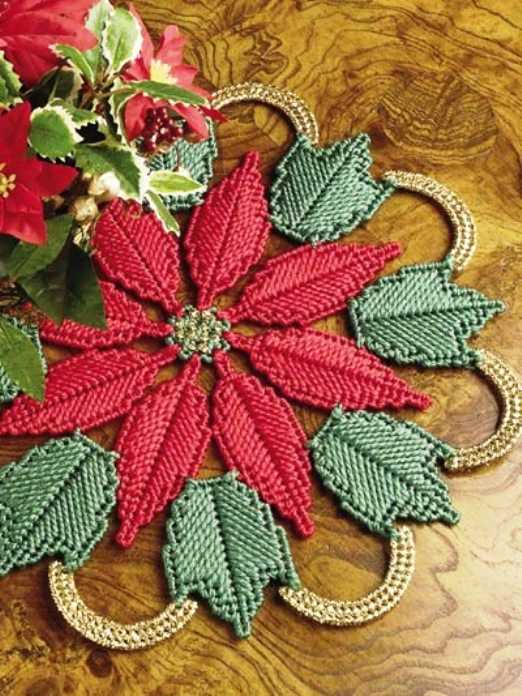
After completing all the individual components of the Poinsettia, it’s time to assemble them together. This process requires careful attention to detail to ensure that the finished flower looks realistic and polished.
Step 1: Prepare the base
Start by preparing the base of the Poinsettia. This can be a plain circular shape made from green yarn or fabric. The size of the base will depend on the desired final size of the flower. Cut out the base and secure any loose ends.
Step 2: Attach the petals
Take the petals that were previously knitted and arrange them around the base. The petals should be evenly spaced and facing outward. Use a needle and thread to carefully sew each petal onto the base, making sure they are secure and don’t move around. Repeat this process until all the petals are attached.
Step 3: Add the center
Now it’s time to add the center of the Poinsettia. Take the knitted center component and place it in the middle of the petals. Sew it onto the base, ensuring that it is secure and doesn’t shift. You can add extra stitches to create texture and dimension.
Step 4: Finishing touches
Once all the components are attached, carefully trim any loose threads or excess yarn. Use a steamer or iron to gently shape the petals and bring out their natural curves. This will give the Poinsettia a realistic look.
With these steps, you can assemble the Poinsettia knitting pattern and create a beautiful flower that can be used as a decoration or a thoughtful gift. Remember to take your time and pay attention to detail to achieve the best results.
Finishing Touches and Care Instructions
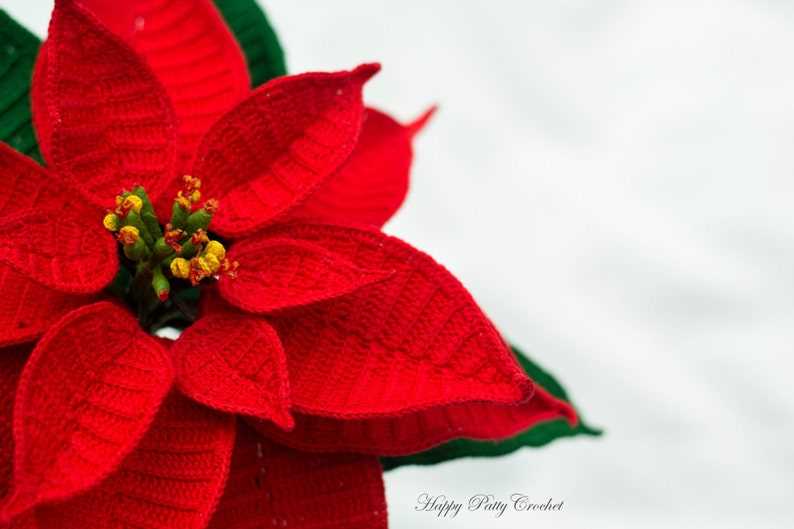
Once you have completed knitting your poinsettia, you can add some finishing touches to enhance its appearance. You can attach a small button or bead in the center of the flower to give it a more realistic look. Additionally, you can sew a pin or clip to the back of the poinsettia, so you can easily attach it to your clothing or accessories.
When it comes to caring for your knitted poinsettia, it’s important to handle it with care to ensure its longevity. Here are some care instructions:
- Spot clean the poinsettia using a mild detergent and lukewarm water.
- Avoid soaking or submerging the knitted flower in water, as this can cause the colors to fade or bleed.
- Avoid exposing the poinsettia to direct sunlight for prolonged periods, as this can cause the yarn to weaken and the colors to fade.
- Store your poinsettia in a cool, dry place to minimize the risk of moisture damage.
- If the poinsettia gets wrinkled, you can use a cool iron to gently steam out the wrinkles, being careful not to apply too much heat.
By following these care instructions, you can enjoy your knitted poinsettia for years to come and add a festive touch to your holiday decorations or outfits.
Q&A:
What is a Poinsettia knitting pattern?
A Poinsettia knitting pattern is a set of instructions that guide you on how to create a knitted Poinsettia flower. It usually includes details on what type of yarn to use, the required needle size, and the specific stitches and techniques to create the flower shape and details.
Where can I find a Poinsettia knitting pattern?
You can find Poinsettia knitting patterns online on various knitting websites, blogs, and through a quick search engine query. Many knitting pattern websites also offer free or paid patterns that you can download and use to create your own Poinsettia flower.
Is a Poinsettia knitting pattern suitable for beginners?
It depends on the complexity of the pattern. Some Poinsettia knitting patterns may be more suitable for experienced knitters, as they may involve advanced stitches or techniques. However, there are also simpler patterns available that beginners can try. It’s important to read through the pattern and understand the instructions before starting the project.
Can I customize a Poinsettia knitting pattern?
Yes, you can customize a Poinsettia knitting pattern to suit your preferences. You can change the yarn color, add embellishments like beads or sequins, or adjust the size of the flower. However, it’s important to remember that making significant modifications to the pattern may require some advanced knitting skills and knowledge of pattern adjustments.