Easy Knit Shawl Pattern

If you have ever wanted to try your hand at knitting a shawl, but felt overwhelmed by complicated patterns and intricate stitches, then this simple shawl knitting pattern is perfect for you. Whether you are a beginner or an experienced knitter looking for a quick and satisfying project, this pattern will guide you through the process step-by-step.
The beauty of this pattern lies in its simplicity. With just a few basic stitches and techniques, you can create a stunning shawl that will keep you warm and stylish. The pattern is easy to customize, allowing you to add your own personal touch with different yarns and colors.
One of the great things about knitting is the sense of accomplishment you feel when you finish a project. With this simple shawl pattern, you will be able to complete a beautiful accessory in no time. Whether you are knitting for yourself or someone else, this shawl will make a lovely gift that is sure to be cherished.
Supplies needed for knitting a simple shawl
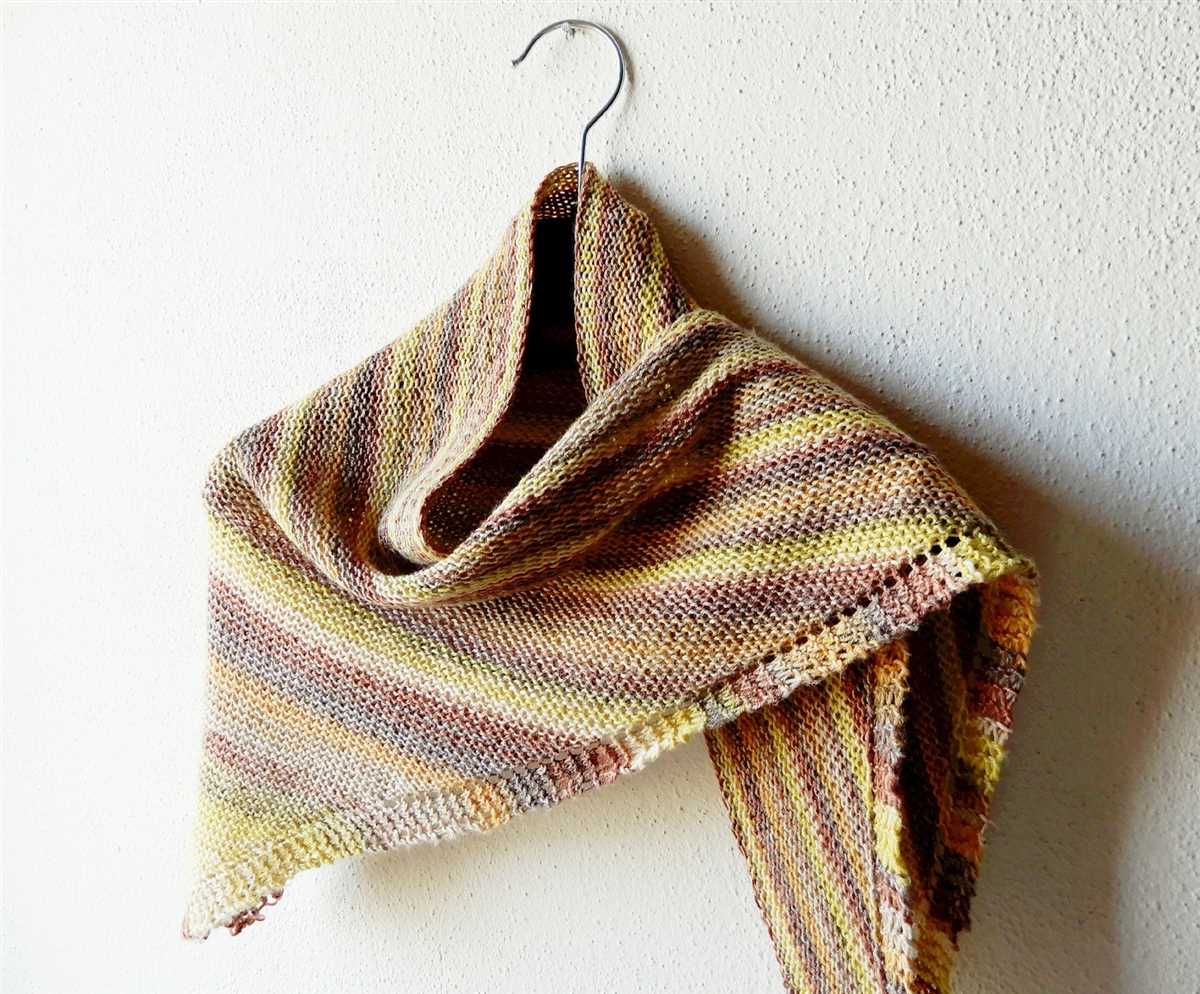
In order to knit a simple shawl, you will need a few essential supplies. These items will ensure that you have everything you need to complete your knitting project without any hitches.
Yarn:

One of the most important supplies for knitting a shawl is the right yarn. You will need a yarn that is suitable for shawl knitting, which is usually a lighter weight yarn. It is recommended to choose a soft and lightweight yarn that drapes well and complements the design of your shawl pattern.
Knitting needles:
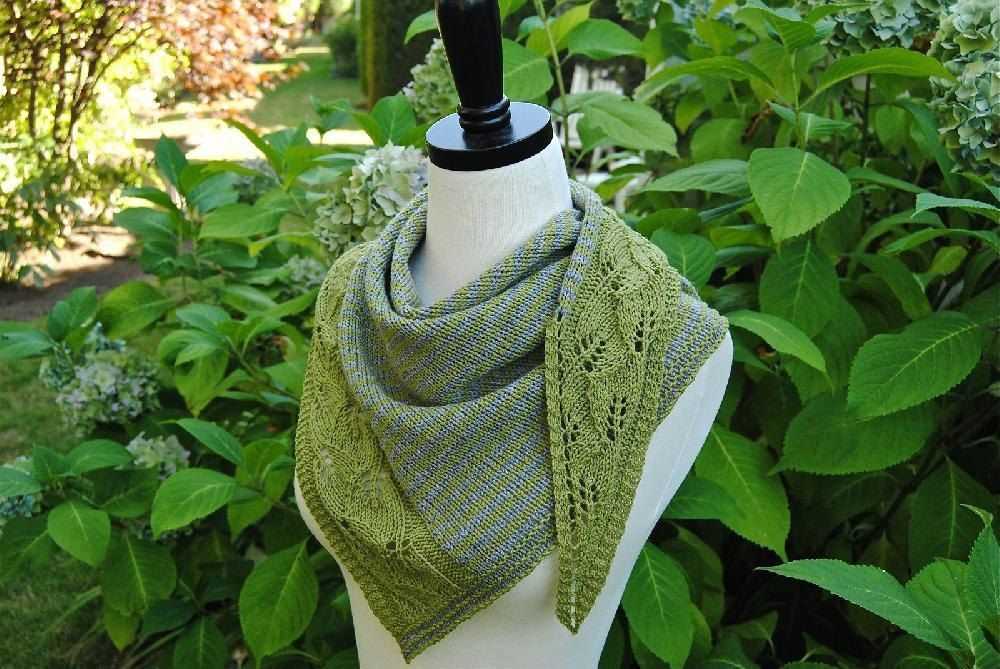
You will also need a pair of knitting needles suitable for the chosen yarn. The size of the needles will depend on the thickness of the yarn and the desired fabric drape. It is advisable to use circular knitting needles for shawl knitting as they provide enough room for the growing number of stitches. Make sure to check the recommended needle size provided in your shawl pattern.
Stitch markers:
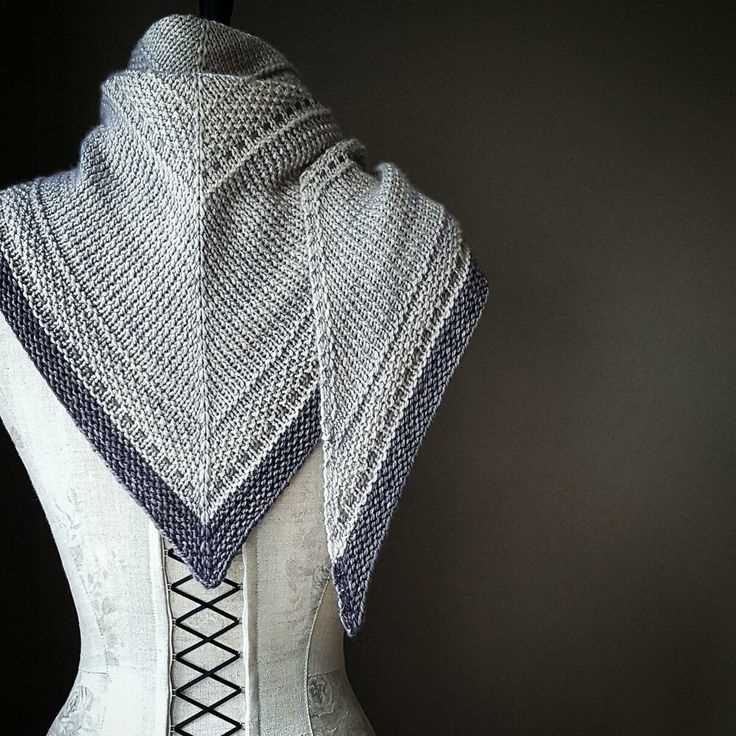
Stitch markers are handy tools that can help you keep track of your stitches and pattern repeats. They can be used to mark the beginning of a row or to indicate specific stitch patterns within the shawl design. Have a few stitch markers on hand to ensure smooth and accurate knitting.
Tapestry needle:
A tapestry needle is essential for weaving in loose ends and finishing touches on your shawl. You will use the tapestry needle to sew in any yarn tails or to secure any loose stitches. Make sure to choose a needle with a blunt tip to avoid splitting the yarn while sewing.
Scissors:
A sharp pair of scissors is essential for cutting your yarn and trimming any excess ends. Make sure to have a dedicated pair of scissors for your knitting projects to avoid using them for other purposes and potentially damaging them.
Pattern and instructions:
Lastly, you will need a shawl knitting pattern and instructions to guide you through the project. You can find simple shawl patterns online, in knitting books, or from knitting magazines. Make sure to read and understand the instructions before starting your project to ensure smooth and successful knitting.
Choosing the right yarn for your shawl
When it comes to knitting a shawl, choosing the right yarn is essential. The yarn you choose will determine the drape, texture, and overall look of the finished shawl. Here are some factors to consider when selecting the perfect yarn for your project.
1. Fiber Content
The fiber content of the yarn is a crucial factor in determining the characteristics of your shawl. Common options for shawls include wool, cotton, silk, and blends of various fibers. Each fiber has its own unique qualities. For example, wool is known for its warmth and elasticity, while silk adds a luxurious sheen to the finished product. Consider the desired drape, softness, and warmth of your shawl, and choose a fiber that aligns with your preferences.
2. Weight and Thickness
The weight and thickness of the yarn will affect the size and overall look of your shawl. Yarns are typically categorized into different weights, such as lace, fingering, sport, DK, worsted, and bulky. Lace weight yarns create delicate and airy shawls, while bulky yarns result in thicker and warmer shawls. Consider the pattern you plan to use and the desired finished look, and choose a yarn weight that complements your design.
3. Color and Texture
The color and texture of the yarn can greatly enhance the visual appeal of your shawl. Whether you prefer solid colors, variegated, or self-striping yarns, consider the effect you want to achieve. Additionally, the texture of the yarn, such as smooth, fuzzy, or textured, can add depth and interest to the finished shawl. Experiment with different color and texture combinations to create a unique and eye-catching shawl.
4. Care Instructions
Lastly, consider the care instructions for the yarn. Some yarns may require special care, such as handwashing or dry cleaning, while others may be machine washable. Think about the practicality of the yarn and whether it aligns with your lifestyle and preferences. It’s essential to choose a yarn that will maintain its beauty and shape even after multiple washes and wears.
By considering these factors, you can choose the perfect yarn for your shawl project and create a beautiful and functional accessory that you’ll love to wear or gift to others.
Selecting the appropriate needles for your shawl
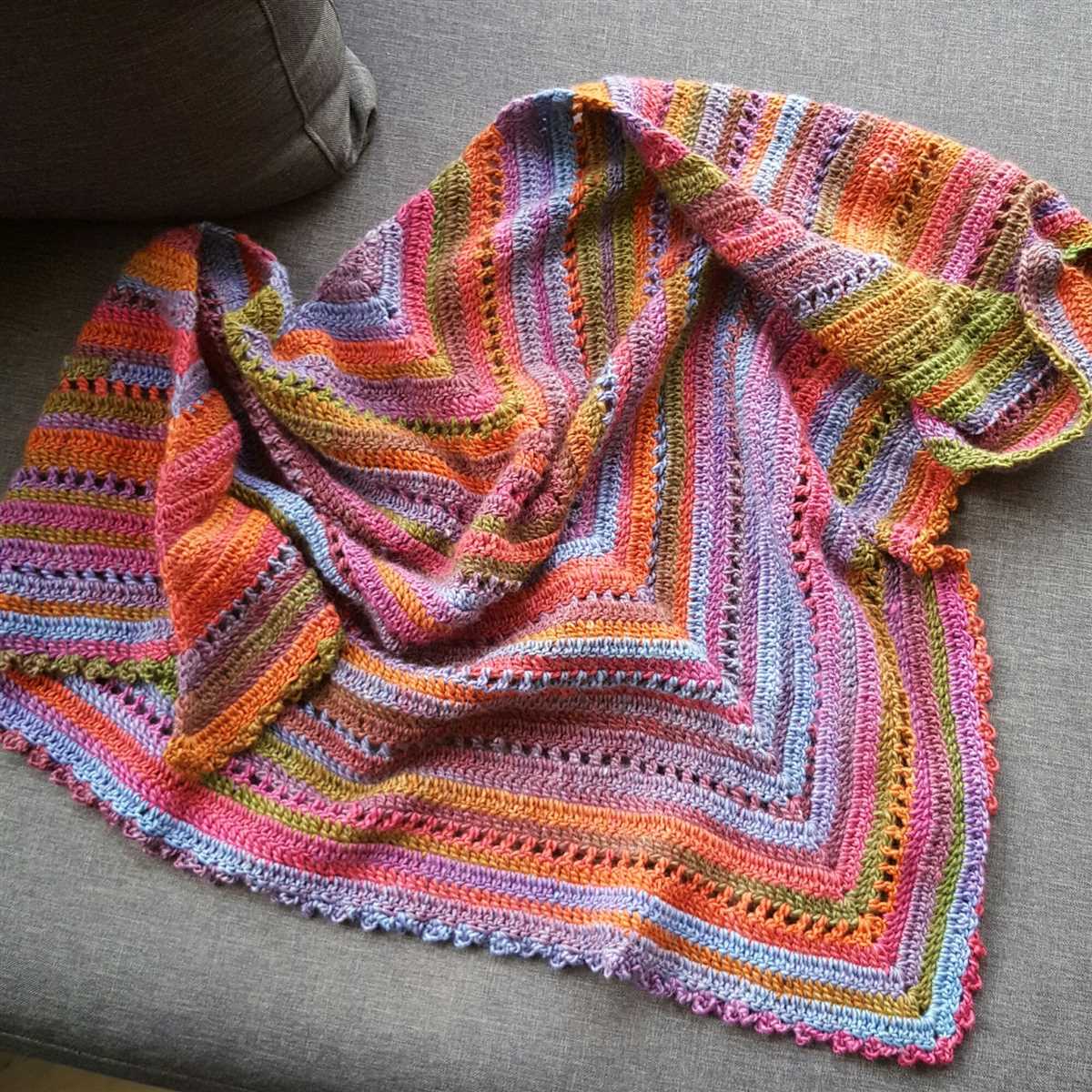
When choosing the needles for your shawl knitting project, it’s important to consider both the size and material of the needles. The size of the needles will determine the gauge and overall size of your shawl, while the material will affect the drape and texture of the finished product.
Size: The size of your needles will depend on the thickness of yarn you are using and the desired outcome of your shawl. Generally, larger needles create looser, more open stitches, while smaller needles result in tighter, denser stitches. If you want a delicate and airy shawl, opt for larger needles, such as US size 8 or larger. For a denser and warmer shawl, choose smaller needles, such as US size 4 or smaller.
Material: The material of your needles can greatly impact the texture and drape of your shawl. Different materials have different levels of flexibility and smoothness. Bamboo needles are lightweight and flexible, making them ideal for delicate and lightweight yarns. Metal needles, such as stainless steel or aluminum, are sturdy and smooth, providing excellent stitch definition. They are particularly suitable for heavier yarns and intricate stitch patterns. Lastly, there are also plastic needles, which are lightweight and affordable, but may not have the same level of smoothness as bamboo or metal.
In summary, when selecting needles for your shawl, consider the size in relation to your desired gauge, as well as the material’s impact on the texture and drape of the finished product. By choosing the appropriate needles, you can ensure that your shawl turns out exactly as you envision.
Casting on stitches for your shawl
If you’re ready to start knitting your shawl, the first step is to cast on your stitches. Casting on is how you create the foundation row of stitches that you will work with throughout your project. There are several different methods for casting on, but for a simple shawl, the long tail cast on is often a good choice.
To begin the long tail cast on, you will need a long tail of yarn. Estimate the amount of yarn you’ll need by wrapping the yarn around your needle as many times as the number of stitches you plan to cast on. You’ll want to add a little extra yarn for insurance, so don’t be afraid to give yourself a generous tail.
- Make a slipknot by making a loop in the yarn, crossing the yarn over itself, and pulling the working end through the loop. Place the slipknot on your knitting needle and tighten it, leaving a loop big enough for the needle to go through comfortably.
- Hold the needle with the slipknot in your right hand and the tail end of the yarn in your left hand. With your right hand, insert the needle into the loop on your left needle and bring the needle back under the loop.
- With your right hand, loop the yarn around the end of the needle, making sure to catch the tail end of the yarn as well.
- Use your right hand to pull the loop through the slipknot.
- Repeat steps 2-4 until you have cast on the desired number of stitches. Make sure to keep the stitches snug, but not too tight.
Once you have cast on all your stitches, you are ready to start knitting your shawl! The long tail cast on creates a neat and flexible edge, making it a great choice for many knitting projects.
Knitting the main body of the shawl
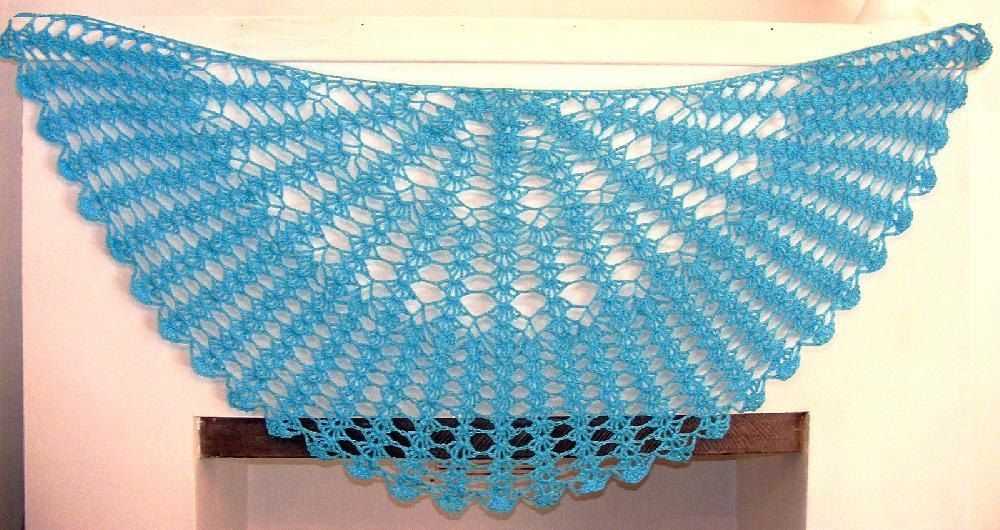
Once you have cast on your desired number of stitches, you can begin knitting the main body of the shawl. This is where the bulk of the knitting will take place, and you will see the shawl start to take shape. You will continue knitting in your chosen stitch pattern until the main body of the shawl reaches your desired length.
During this stage, it’s important to keep track of your stitch count to ensure that you’re on track and not unintentionally adding or dropping stitches. You can use stitch markers or simply count your stitches at regular intervals to make sure everything is correct.
As you knit the main body of the shawl, it’s a good idea to periodically check your work to ensure that the size and shape are coming out as expected. Take a step back and hold up your shawl to see how it drapes and if any adjustments need to be made. This will help you catch any mistakes or inconsistencies early on and make the necessary adjustments.
To add visual interest, you may want to incorporate lace or cable patterns into the main body of the shawl. These can create beautiful texture and design elements. Make sure to follow the pattern instructions carefully and keep track of any pattern repeats to ensure that your lace or cables line up correctly.
As you work on the main body of the shawl, take your time and enjoy the process of creating something beautiful with your own two hands. Knitting can be a relaxing and meditative practice, and each stitch brings you closer to a finished shawl that you can be proud of. Don’t rush the process, and remember that it’s okay to take breaks and come back to your knitting when you’re feeling refreshed and focused.
Adding lace or decorative stitch patterns to your shawl
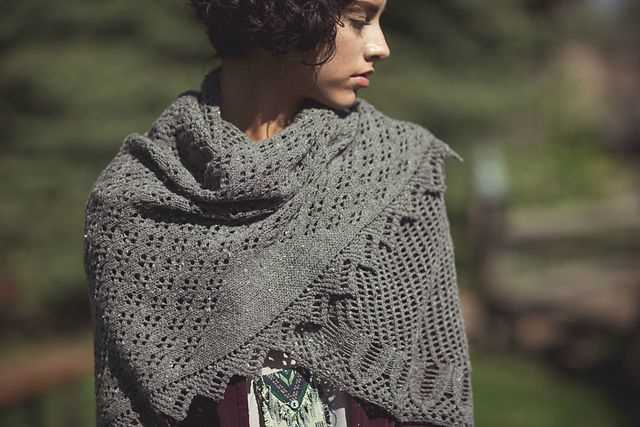
One way to elevate the look of your shawl is by incorporating lace or decorative stitch patterns into your knitting project. These patterns can add visual interest and complexity to your finished piece, making it stand out from the crowd.
When it comes to lace patterns, you have a wide range of options to choose from. From delicate floral motifs to intricate geometric designs, lace patterns can create an elegant and sophisticated look for your shawl. You can find numerous lace stitch patterns in knitting books or online resources, allowing you to experiment and find the perfect pattern that suits your taste.
Using lace stitch patterns adds a touch of femininity and delicacy to your shawl. The airy and openwork nature of lace creates a sense of lightness, making it a great choice for spring and summer shawls. You can choose to incorporate lace throughout the entire shawl or use it as a border or focal point to add a decorative element to your design.
If you prefer a more textured look, consider using decorative stitch patterns. These stitch patterns often feature unique combinations of knits, purls, and cabling, creating a visually interesting and three-dimensional effect. Whether you opt for a classic cable pattern or a more modern twist stitch, decorative stitch patterns can add depth and dimension to your shawl.
Remember to choose stitch patterns that complement the overall design and yarn weight of your shawl. It’s important to swatch and test the stitch pattern before committing to it in your project, as different stitch patterns may require different knitting techniques and tension.
Adding lace or decorative stitch patterns to your shawl can take it from simple to stunning, adding a touch of elegance and uniqueness to your finished piece. So why not explore different stitch patterns and unleash your creativity to create a one-of-a-kind shawl that showcases your knitting skills?
Shaping the shawl: increasing and decreasing stitches
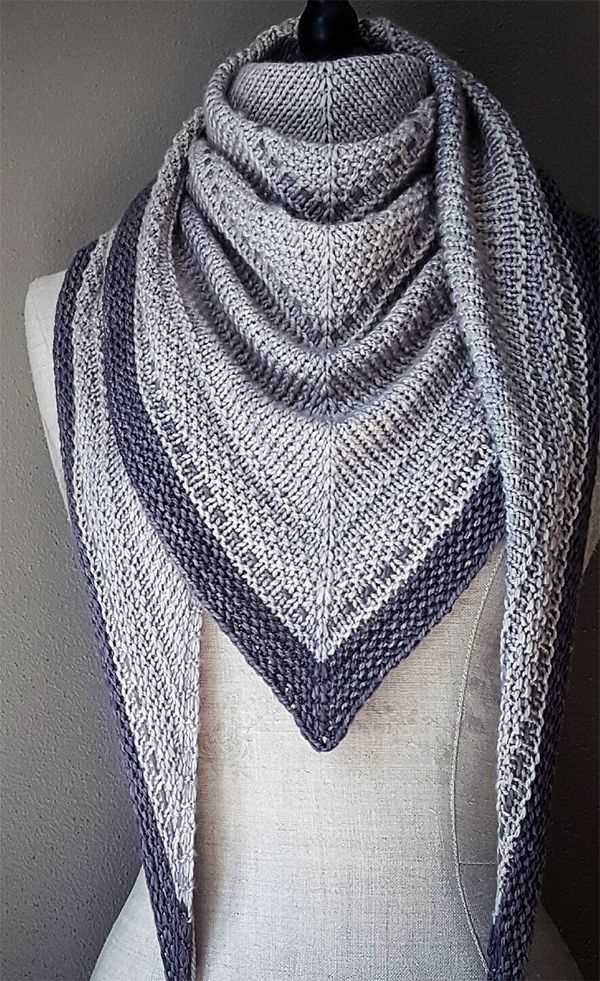
In order to create a shawl with a desired shape, it is necessary to know how to increase and decrease stitches. These techniques allow you to change the number of stitches in each row, shaping the shawl as you go.
Increasing stitches: There are several ways to increase stitches in knitting. One common method is the yarn over (YO) increase. To do a yarn over, you simply bring the yarn from the back of the work to the front, creating a new loop on the right-hand needle. This new loop counts as a stitch and will create a small hole in the fabric. Another method is the knit front and back (kfb) increase, where you knit into the front and back of the same stitch, creating two stitches out of one.
Decreasing stitches: Decreasing stitches is an important technique for shaping a shawl. One common decrease method is the knit two together (k2tog) decrease, where you knit two stitches together as if they were one stitch. This decrease creates a slightly slanted stitch and reduces the number of stitches by one. Another common decrease is the slip slip knit (ssk), where you slip two stitches knitwise one by one, then insert the left-hand needle into the front loops of the slipped stitches and knit them together.
By strategically placing increases and decreases in your knitting, you can create different shapes and designs within your shawl. For example, increasing stitches at the beginning and end of each row will create a triangular shape, while increasing at the center will create a crescent shape. Similarly, decreasing stitches at regular intervals can create a scalloped edge or a pointed shape. These shaping techniques give you the freedom to customize your shawl and create a unique garment that suits your style.
Binding off stitches to finish your shawl
Once you have finished knitting your shawl and are happy with the size and shape, it’s time to bind off the stitches to finish it off. Binding off creates a neat edge and prevents the stitches from unraveling.
To bind off, start by knitting the first two stitches as normal. Then insert the left needle into the first stitch on the right needle and lift it over the second stitch and completely off the right needle. This is the basic technique for binding off, also known as “knitting two stitches together”.
Continue binding off the stitches by knitting two stitches together and lifting the previous stitch over until you have reached the end of the row. Make sure to keep the tension of the yarn consistent to ensure an even edge.
If you want a decorative edge, you can try different binding off techniques such as picot bind off or lace bind off. These techniques add a special touch to your shawl and make it stand out.
Once you have bound off all the stitches, cut the yarn, leaving a long tail. Thread the tail through the last stitch, pull it tight to secure, and weave in the ends using a tapestry needle. Your shawl is now complete and ready to be worn or gifted!
Blocking and Finishing Touches for Your Shawl
Once you have completed knitting your shawl, it’s time to give it the finishing touches it deserves. The final steps of blocking and adding those extra details will truly bring out the beauty of your creation.
Blocking: Blocking is an essential step in knitting any shawl. It involves gently stretching and shaping the shawl to the desired dimensions, allowing the stitches to settle in place and the lacework to open up. To block your shawl, you will need blocking mats, rustproof T-pins, and a spray bottle of water. Lay your shawl flat on the blocking mats, pinning the edges and gently stretching it to the desired size. Mist the shawl with water to help it hold its shape. Allow it to dry completely before unpinning. Blocking will ensure that your shawl looks polished and professional.
Finishing Touches: Once your shawl is blocked, it’s time to add those final touches that will make it truly unique. You can add fringe or tassels to the edges of your shawl for a decorative touch. Another option is to add a picot bind-off, which creates a delicate picot edge along the bound-off edge of your shawl. You can also add beads or sequins to your shawl by stringing them onto your yarn during the knitting process or sewing them on afterwards. Adding these little details will give your shawl that extra sparkle and make it a truly special piece.
Whether you choose to block your shawl or add some finishing touches, taking the time to give your shawl that final attention to detail will make all the difference. It’s these small steps that elevate a simple shawl to a beautiful and unique accessory.
Ideas for styling and wearing your finished shawl
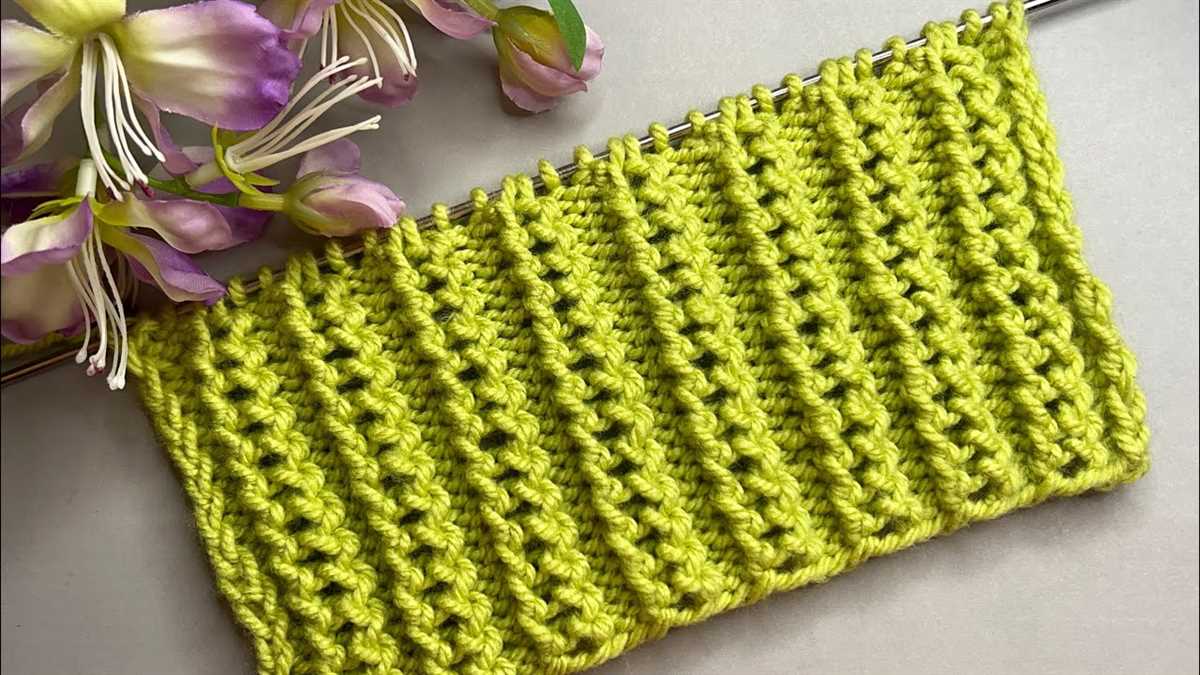
Once you’ve completed your beautiful shawl, there are many ways to style it and incorporate it into your wardrobe. Here are some ideas to get you started:
- Classic Wrap: Drape the shawl over your shoulders and let it hang loosely for an elegant and effortless look.
- Neck Scarf: Fold the shawl in half diagonally to create a triangle shape. Wrap it around your neck, leaving the pointed end hanging down, and secure it with a pin or a knot.
- Poncho Style: Fold the shawl in half diagonally to create a triangle shape. Place the folded corner on your shoulder and secure it with a shawl pin or a brooch, letting the other two ends hang freely.
- Belted Shawl: Fold the shawl in half diagonally to create a triangle shape. Wrap it around your waist and secure it with a belt to transform it into a stylish boho-inspired skirt.
- Headscarf: Fold the shawl into a narrow band and tie it around your head, leaving the ends loose or tucking them in for a neat look.
- Shawl Collar: Fold the shawl in half diagonally to create a triangle shape. Place the folded corner on your back and drape the other two ends over your shoulders, securing them with a shawl pin or a brooch. This gives the illusion of a shawl collar and adds a touch of elegance to any outfit.
With these styling options, you can easily incorporate your finished shawl into your everyday outfits or dress it up for special occasions. The versatility of a shawl allows you to express your personal style and experiment with different looks. Whether you prefer a classic, boho, or chic style, your knitted shawl will become a versatile and fashionable accessory in your wardrobe.