Exploring Intricate Block Knitting Designs

Block knitting patterns is a popular technique in the world of knitting that involves creating intricate designs by combining multiple blocks of different colors and textures. This technique allows knitters to experiment with patterns and create unique and captivating pieces.
One of the advantages of block knitting is its versatility. Knitters can create a wide range of designs, from simple and geometric to complex and abstract. The possibilities are endless, and the final result is often a work of art.
Block knitting patterns can be used to create various items, such as blankets, scarves, shawls, and even garments. This technique is particularly popular among knitters who enjoy creating visually stunning and eye-catching pieces.
What are Block Knitting Patterns?
Block knitting patterns are a type of knitting technique where different sections or blocks of a garment or accessory are created separately and then stitched together. This method allows for greater flexibility in creating unique patterns and designs, as each block can be worked with different stitches, colors, or textures.
One common type of block knitting pattern is the patchwork style, where each block is knitted separately and then sewn together to form larger sections. This can create a visually interesting design and allows for the use of different colors and textures in each block. Another type of block knitting pattern is the modular style, where blocks are joined together as you go, creating a seamless finished piece.
Benefits of Block Knitting Patterns

- Endless design possibilities: With block knitting patterns, you have the freedom to create unique designs by combining different stitches, colors, and textures in each block.
- Easy customization: Because each block is knitted separately, it is easy to modify the size or shape of a pattern to fit your preferences.
- Portable projects: Block knitting patterns typically involve working on smaller sections at a time, making them great for on-the-go knitting.
- Opportunity for stash busting: Block knitting patterns can be a great way to use up leftover scraps of yarn, as each block can be made with a different yarn.
- Enhanced texture: By using different stitches or stitch patterns in each block, block knitting patterns can create visually interesting and textured finished pieces.
Overall, block knitting patterns offer a fun and versatile approach to knitting, allowing you to create unique and customizable designs with endless possibilities. Whether you’re a beginner or an experienced knitter, this technique can add a new dimension to your knitting projects.
How to Create Block Knitting Patterns

Block knitting patterns are a great way to add visual interest to your knitting projects. By using different colors, textures, and stitch patterns, you can create unique and eye-catching designs. Here are some steps to help you create your own block knitting patterns:
1. Choose your colors
Start by selecting the colors you want to use in your block knitting pattern. Consider using a combination of neutral colors and bold, contrasting colors to create a balanced and visually appealing design. You can also experiment with different shades of the same color to add depth and dimension to your pattern.
2. Select your stitch patterns

Next, choose the stitch patterns you want to use in your block knitting pattern. You can use classic stitch patterns like garter stitch, stockinette stitch, or ribbing, or you can explore more intricate stitch patterns like cables, lace, or colorwork. Mixing and matching different stitch patterns can result in a dynamic and textured pattern.
3. Plan your blocks
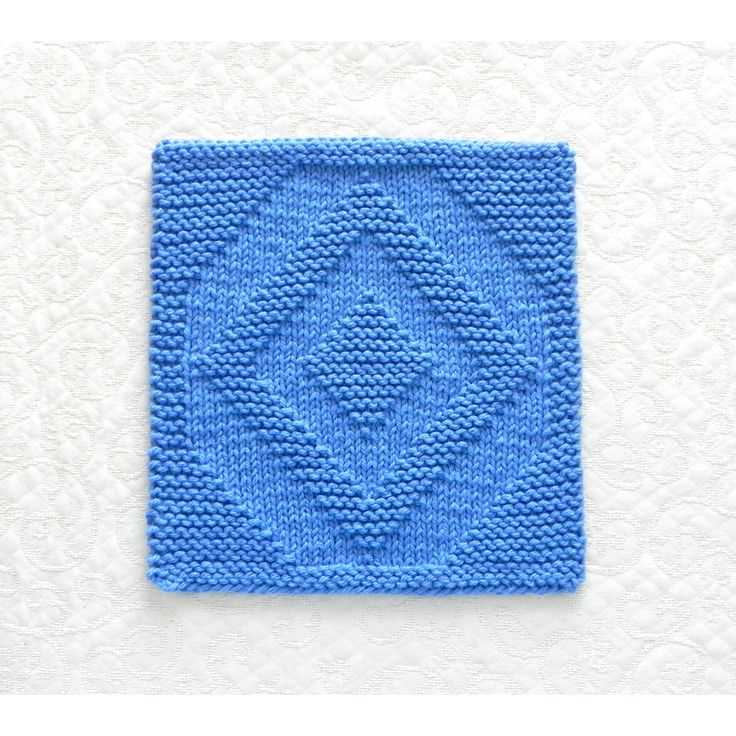
Once you have selected your colors and stitch patterns, it’s time to plan out your blocks. Decide on the size and shape of each block and determine how they will fit together to create the overall pattern. Sketching your design on graph paper can help you visualize the pattern and make any necessary adjustments before you start knitting.
4. Knit your blocks

With your design planned out, it’s time to start knitting your blocks. Follow the stitch patterns you have chosen and use the colors as indicated in your design. Be sure to keep track of each block as you knit to ensure accuracy and consistency throughout your project.
5. Seam and finish
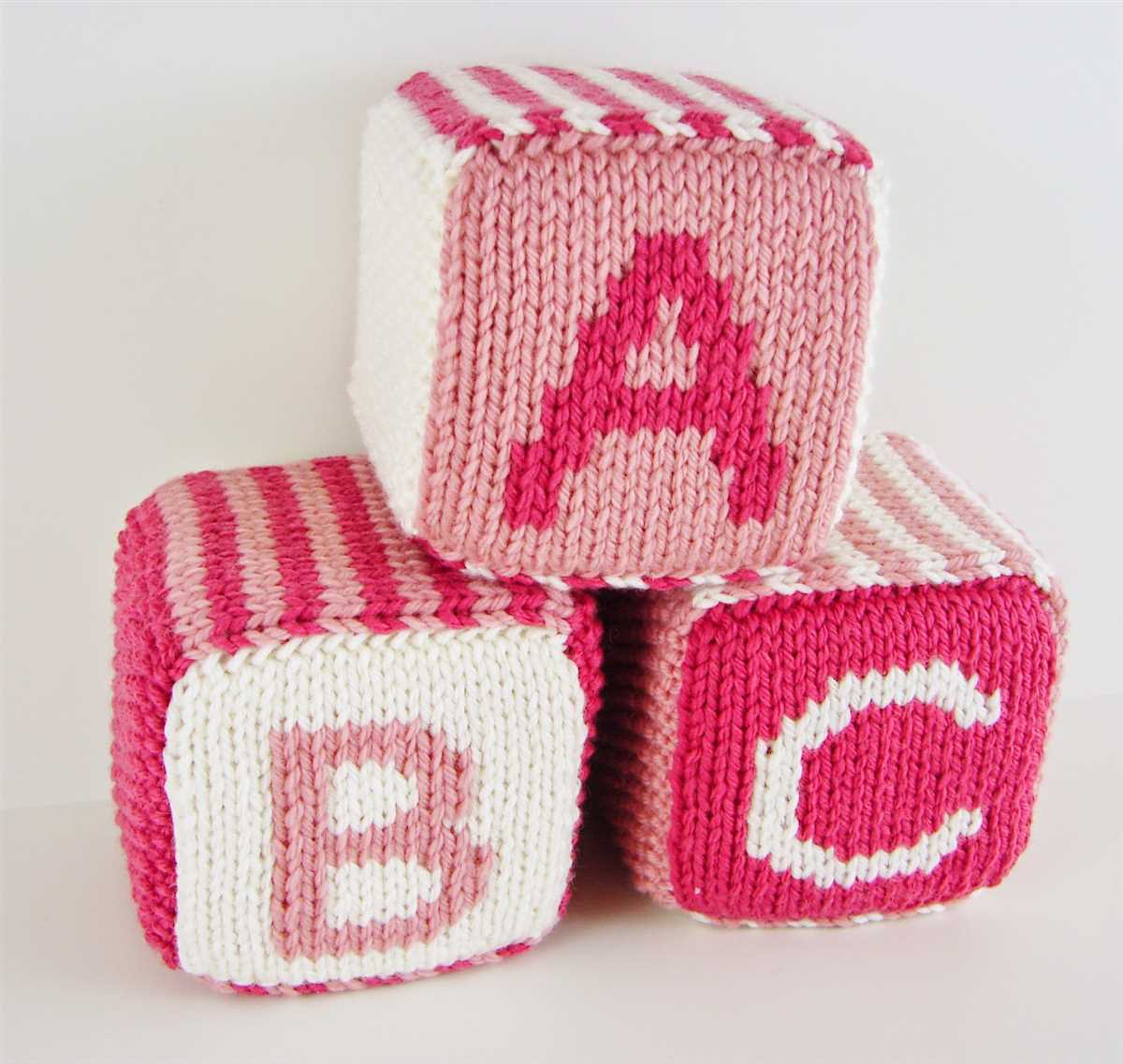
Once you have completed all your blocks, it’s time to seam them together to create your finished piece. Use a suitable seaming technique, such as mattress stitch or whip stitch, to join the blocks seamlessly. After seaming, weave in any loose ends and block your finished piece to give it a polished and professional look.
Creating block knitting patterns allows you to unleash your creativity and make one-of-a-kind projects. With careful planning and attention to detail, you can create stunning designs that showcase your knitting skills.
Benefits of Using Block Knitting Patterns
Block knitting patterns are a popular choice among knitters for several reasons. These patterns offer a variety of benefits that make them appealing to both beginners and experienced knitters alike.
Ease of Use
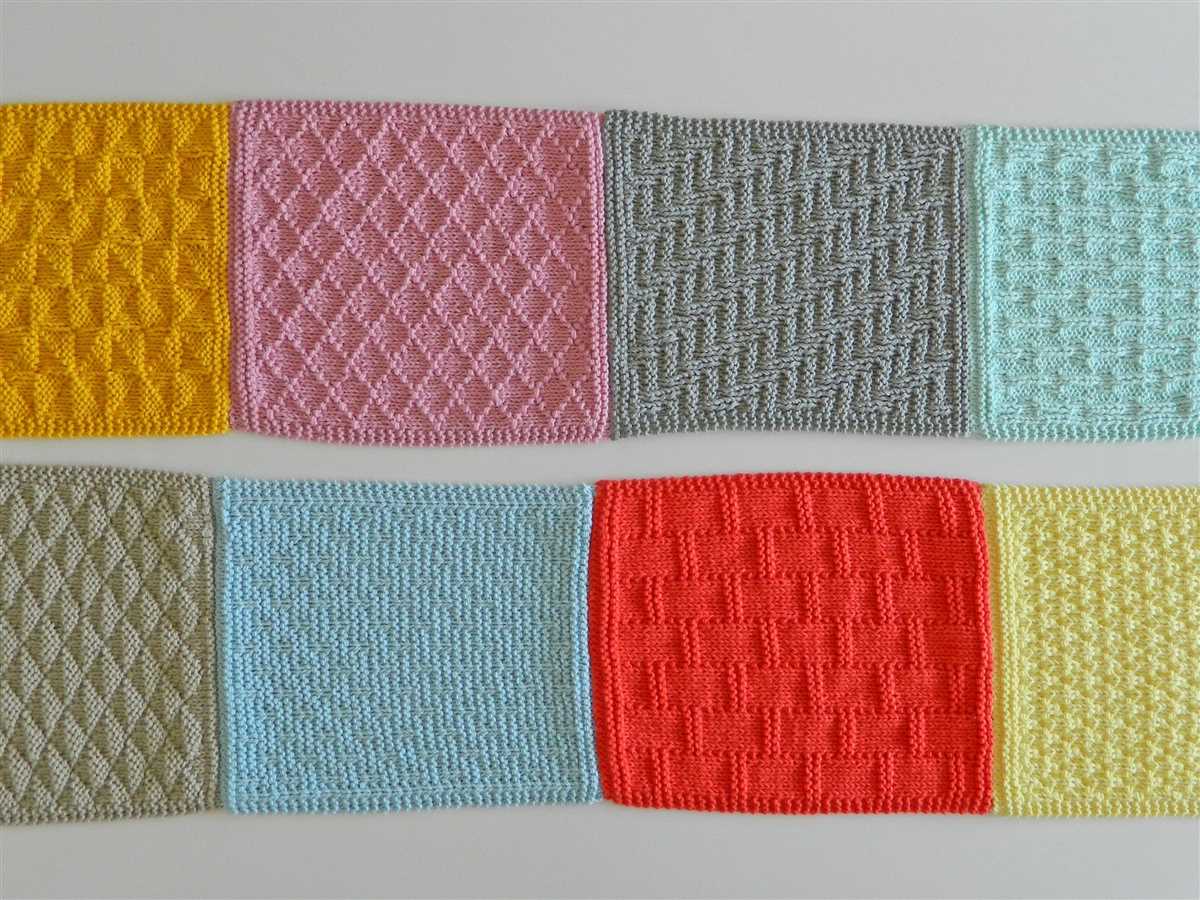
One of the main advantages of using block knitting patterns is their simplicity and ease of use. These patterns typically involve working with blocks of stitches, which are repeated throughout the project. This repetitive nature makes it easier for knitters to memorize the pattern and knit without constantly referring to the instructions. Whether you’re a beginner looking to practice your knitting skills or a more experienced knitter looking for a relaxing project, block knitting patterns can provide an enjoyable knitting experience.
Versatility
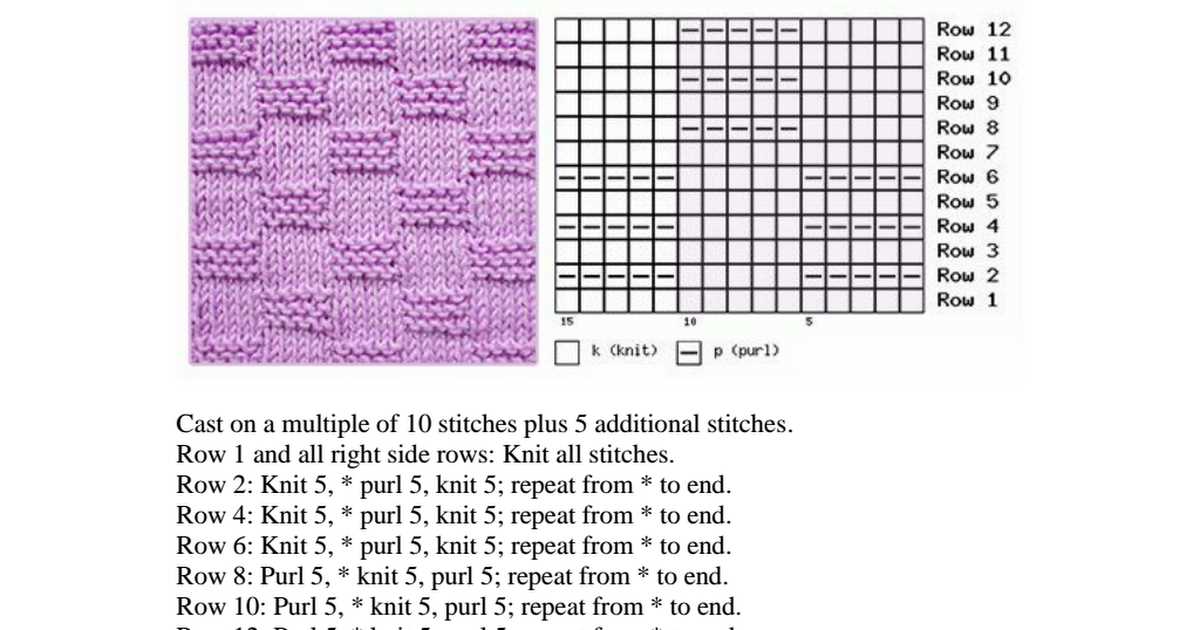
Block knitting patterns are incredibly versatile, offering a wide range of design possibilities. With block knitting, you can create various textures, color patterns, and shapes by simply arranging and combining different blocks. This versatility allows knitters to personalize their projects and experiment with different stitch patterns and color combinations. Whether you’re knitting a blanket, sweater, hat, or scarf, block knitting patterns provide endless options for customization and creativity.
Efficiency

Another advantage of using block knitting patterns is that they can be quite efficient. Since the blocks are repeated throughout the pattern, knitters can often complete their projects more quickly compared to complex patterns that require constant stitch changes. This efficiency makes block knitting patterns ideal for those who are short on time or prefer to see their progress quickly. Additionally, block knitting patterns are great for using up leftover yarn, as you can easily adapt the project size by adding or removing blocks as needed.
Clear Structure
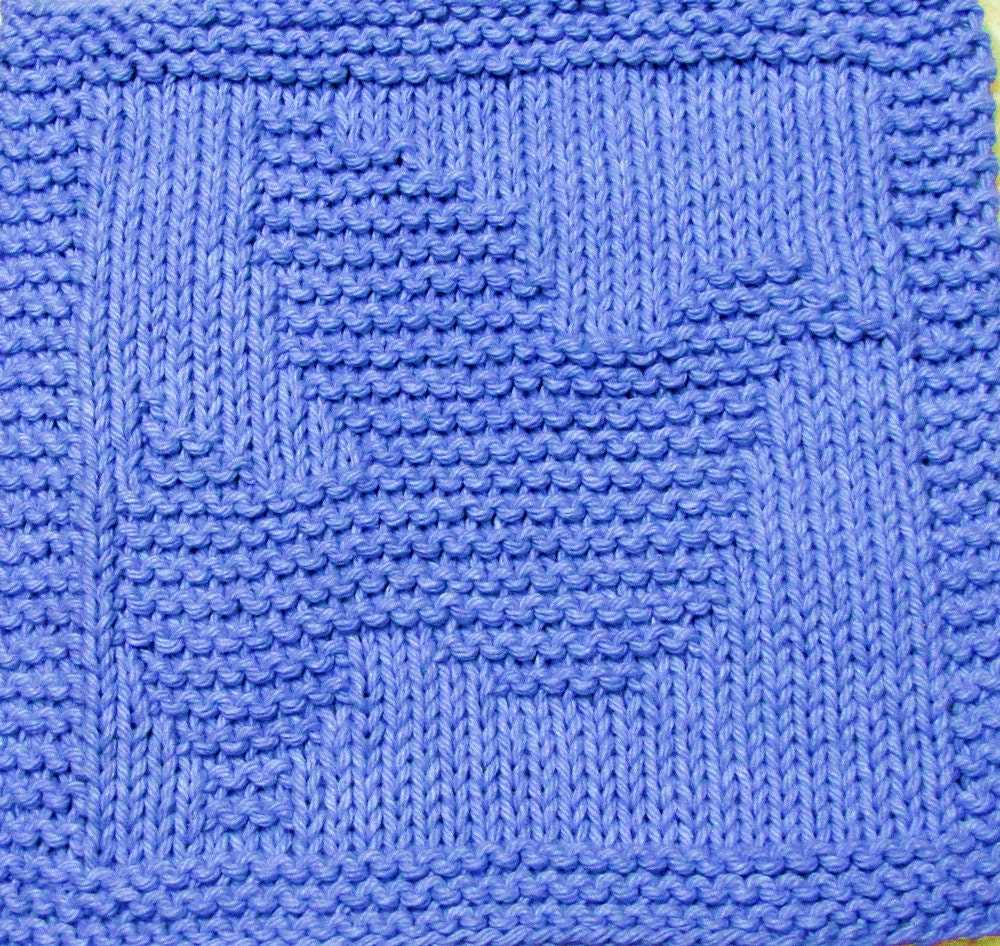
Block knitting patterns provide a clear structure and organization, which can be beneficial for both knitters and pattern designers. The repetitive nature of block knitting makes it easier to create and share patterns, as the instructions can be simplified and standardized. This clear structure also allows knitters to easily follow the pattern and track their progress, ensuring that they stay on track throughout the project. Additionally, block knitting patterns often include charts or diagrams, which some knitters find helpful for visualizing the design and understanding the stitch placement.
In conclusion, block knitting patterns offer several benefits, including ease of use, versatility, efficiency, and a clear structure. Whether you’re new to knitting or an experienced knitter, these patterns provide an enjoyable and customizable knitting experience. So, next time you’re looking for a knitting project, consider trying out a block knitting pattern and see the many advantages it has to offer.
Tips for Choosing Block Knitting Patterns

If you’re an avid knitter looking to try your hand at block knitting, it’s important to choose the right patterns for your project. Block knitting involves creating individual squares or blocks that are later stitched together to create a larger piece, such as a blanket or a scarf. Here are some tips to help you choose the perfect block knitting patterns:
1. Consider the Skill Level:

When selecting block knitting patterns, it’s essential to consider your skill level. Some patterns may be more suitable for beginners, while others may require advanced knitting techniques. It’s important to choose a pattern that matches your skill level to ensure a successful and enjoyable knitting experience.
2. Determine the Size:
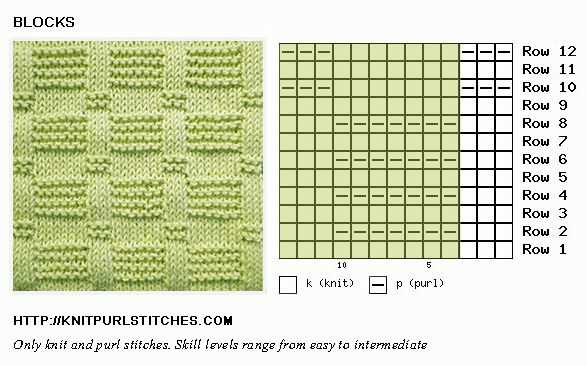
Before choosing a block knitting pattern, determine the size of the final piece you want to create. Block knitting allows you to easily customize the size of your project by adjusting the number of blocks you make. Whether you’re making a small baby blanket or a large throw, make sure the pattern you choose provides instructions for the desired dimensions.
3. Consider the Design:
The design of the block knitting pattern is also an important consideration. Some patterns feature simple, geometric shapes, while others may incorporate more intricate stitch patterns or colorwork. Consider your personal style and preferences when choosing a design. Additionally, think about how the design will look when the blocks are stitched together to create the final piece.
4. Explore Different Techniques:

Block knitting provides an opportunity to explore different knitting techniques and stitch patterns. Take this chance to try something new and expand your knitting skills. Look for patterns that incorporate techniques you want to learn or stitches you want to practice. This can make the block knitting process even more exciting and rewarding.
By following these tips, you can choose block knitting patterns that are both suitable for your skill level and appealing to your personal style. Enjoy your block knitting journey and create beautiful, unique pieces with this versatile technique.
Popular Block Knitting Patterns

Block knitting patterns have become increasingly popular among knitting enthusiasts. These patterns involve creating blocks or squares of different colors and textures, which are then knitted together to create a larger finished piece. The versatility and creativity of block knitting patterns have made them a favorite among both beginners and experienced knitters.
One popular block knitting pattern is the log cabin design. This pattern involves creating rectangular blocks with alternating colors to resemble a traditional log cabin. The blocks are then stitched together in a specific pattern to create a stunning finished blanket or throw. The log cabin pattern can be easily customized by choosing different color combinations and sizes of blocks.
Another popular block knitting pattern is the patchwork design. This pattern involves creating square or rectangular blocks with different stitch patterns, colors, and textures. These blocks are then sewn together in a patchwork style, resulting in a visually striking finished piece. The patchwork pattern allows for endless possibilities in terms of color and stitch combinations, making it a favorite among creative knitters.
- The basketweave pattern is another popular choice for block knitting. This pattern creates a textured and woven look by alternating between knit and purl stitches in a specific pattern. The blocks are then knitted together to create a cozy and visually appealing finished item, such as a scarf or blanket.
- The checkerboard pattern is also highly popular among knitters. This pattern involves creating square blocks with alternating colors to resemble a classic checkerboard. The blocks are then stitched together to create various items, such as blankets, pillows, or even garments.
In addition to these popular block knitting patterns, there are numerous other options available, such as the honeycomb pattern, the cable pattern, and the diamond pattern. Each pattern offers its own unique design and challenge, allowing knitters to continually expand their skills and create beautiful and personalized pieces.
Whether you’re a beginner or an experienced knitter, trying out different block knitting patterns can be a fun and rewarding experience. Start with a simple pattern, and gradually work your way up to more complex designs. With endless possibilities for customization, block knitting patterns offer the perfect opportunity to showcase your creativity and create one-of-a-kind pieces.
How to Customize Block Knitting Patterns
Block knitting patterns are a great way to create beautiful, geometric designs in your knitted projects. These patterns are made up of repeating blocks of stitches or motifs, which can be combined in different ways to create unique and customized designs. Here are some tips on how to customize block knitting patterns to make them your own.
1. Choose the right yarn: One of the easiest ways to customize a block knitting pattern is to choose a different yarn. Different yarns can give a different look and feel to your project, so experiment with different fibers, weights, and colors to find the perfect combination for your design.
2. Modify the block size: If you want to create a larger or smaller project than the original pattern, you can modify the size of the blocks. You can either add or remove repeats of the stitch or motif within each block, or you can adjust the number of stitches and rows per block. Just make sure to recalculate your gauge and yarn requirements when making these modifications.
3. Mix and match blocks: Another way to customize block knitting patterns is to mix and match different blocks. You can choose blocks from different patterns or create your own block designs to combine in a single project. Play with different combinations and arrangements to create unique and visually interesting results.
4. Add embellishments: To further customize your block knitting pattern, consider adding embellishments. You can add beads, buttons, embroidery, or other decorative elements to individual blocks or throughout the project. This can add texture, color, and interest to your knitted piece.
5. Experiment with stitch patterns: While block knitting patterns typically involve repeating blocks of stitches, you can also experiment with different stitch patterns within each block. Try different cable, lace, or texture patterns to create a varied and dynamic design.
6. Combine techniques: Don’t be afraid to combine different knitting techniques in your block knitting patterns. You can mix knitting, purling, cabling, lace, and colorwork techniques within each block or throughout the project. This can create unique and complex designs that showcase your knitting skills.
Customizing block knitting patterns allows you to put your own personal touch on your knitted projects. Whether it’s through yarn choice, block size modifications, mixing and matching, adding embellishments, experimenting with stitch patterns, or combining techniques, there are endless possibilities for creating unique and beautiful designs.
Block Knitting Patterns for Beginners
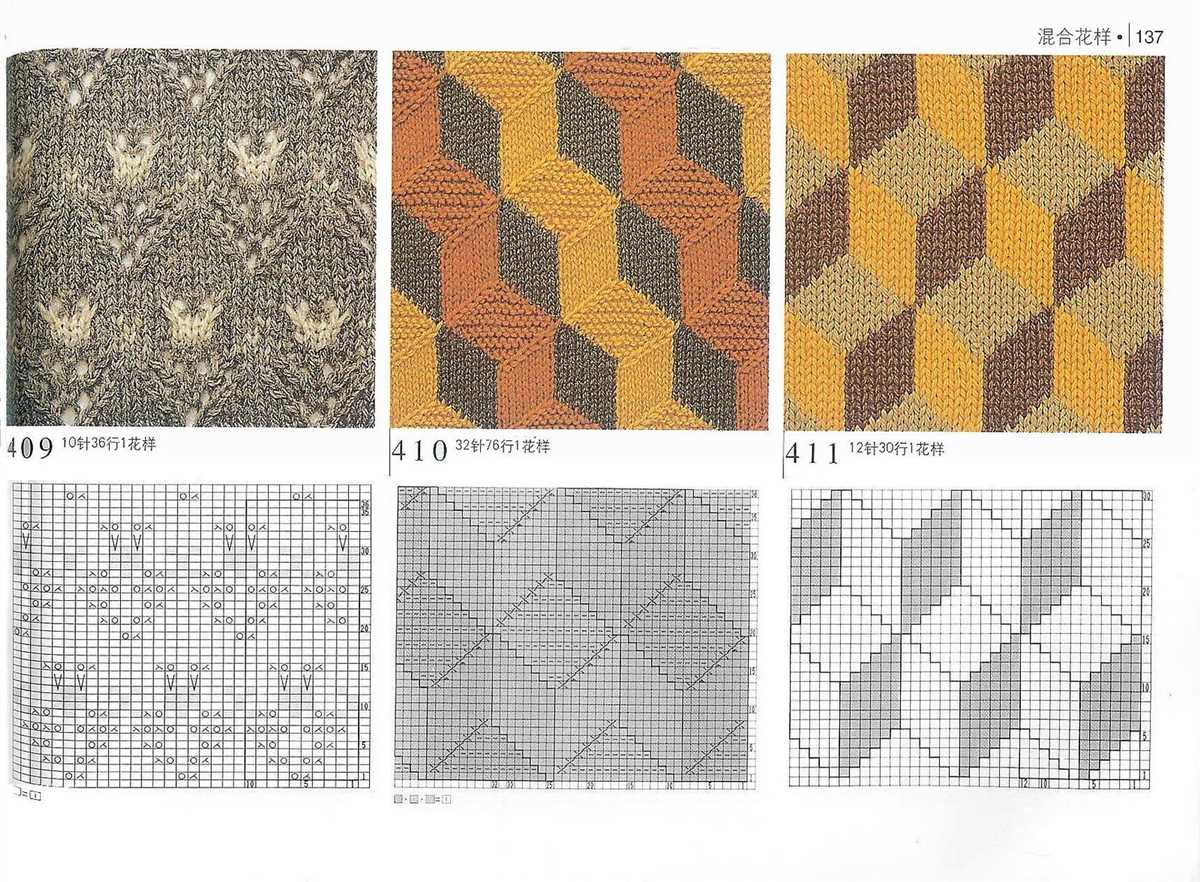
If you’re new to knitting, block knitting patterns are a great place to start. These patterns consist of simple repeating blocks of stitches, making them easy to understand and follow along. Whether you’re looking to knit a scarf, blanket, or even a sweater, there are block knitting patterns available for all skill levels.
One popular block knitting pattern for beginners is the garter stitch pattern. This pattern involves knitting every row, creating a textured fabric that is both stretchy and sturdy. The garter stitch pattern is perfect for beginners because it only requires knowledge of the basic knit stitch, making it easy to memorize and complete.
Another beginner-friendly block knitting pattern is the stockinette stitch pattern. This pattern alternates between knit and purl rows, creating a smooth and flat fabric. The stockinette stitch is great for showcasing the texture of yarn and is commonly used in projects like scarves and sweaters.
If you’re looking for a block knitting pattern that allows you to get creative, the seed stitch pattern is a great choice. This pattern alternates between knit and purl stitches within each block, creating a textured fabric with a raised appearance. The seed stitch pattern is versatile and can be used for a variety of projects, from dishcloths to hats.
As a beginner, it’s important to choose block knitting patterns that match your skill level and allow you to practice and improve your knitting techniques. By starting with simple block patterns and gradually challenging yourself with more complex designs, you’ll gain confidence in your knitting abilities and be able to tackle more advanced projects in the future.
Advanced Techniques for Block Knitting Patterns
Block knitting patterns are a popular choice for knitters who want to create intricate and visually stunning designs. While basic block knitting patterns provide a solid foundation for a variety of projects, advanced techniques can take your knitting to the next level. These techniques allow you to incorporate more complex patterns, textures, and colors into your block knitting projects.
1. Lace knitting: Lace knitting involves creating delicate and intricate patterns using a combination of knit and purl stitches. By incorporating lace patterns into your block knitting, you can add an elegant and sophisticated touch to your finished projects. Lace knitting is often used in shawls, scarves, and delicate garments.
2. Colorwork: Colorwork techniques, such as stranded knitting or intarsia, can be used to create stunning visual effects in block knitting patterns. Stranded knitting involves knitting with multiple colors in the same row, while intarsia involves knitting separate blocks of color and joining them together. These techniques can be used to create bold geometric designs or intricate pictorial motifs.
3. Cable knitting: Cable knitting involves crossing stitches over each other to create intricate braided or twisted patterns. This technique can be used to add texture and dimension to your block knitting projects. Cable knitting is often used in sweaters, hats, and other winter accessories.
4. Entrelac knitting: Entrelac knitting is a technique that creates a woven appearance by knitting small blocks that are joined together as you work. This technique can be used to create unique geometric patterns and textures in your block knitting. Entrelac knitting is often used in blankets, scarves, and bags.
5. Tuck stitches: Tuck stitches are created by picking up stitches from previous rows and knitting them together with the current row. This technique can be used to create raised or textured patterns in your block knitting projects. Tuck stitches can add depth and interest to your designs.
By incorporating these advanced techniques into your block knitting patterns, you can create truly beautiful and unique projects. Whether you choose to experiment with lace knitting, colorwork, cable knitting, entrelac knitting, or tuck stitches, these techniques will allow you to expand your knitting skills and create stunning pieces that will impress both yourself and others.
Block Knitting Patterns for Different Garments

Block knitting patterns are a versatile and practical way to create different garments. By using specific block patterns, you can easily customize the size and shape of your knitted pieces, allowing you to create garments that fit perfectly and flatter your body type. Whether you’re knitting a sweater, a scarf, or even a hat, block knitting patterns can help you achieve professional-looking results.
One popular use of block knitting patterns is for sweaters. Sweaters often require shaping to fit various parts of the body, such as the bust, waist, and hips. By using block patterns, you can easily adjust the measurements of each section, ensuring a comfortable and flattering fit. Additionally, block knitting allows you to create different sleeve lengths and necklines, allowing you to customize your sweater to suit your personal style.
Another common use of block knitting patterns is for scarves. Scarves are a popular accessory that can add style and warmth to any outfit. By using block knitting patterns, you can create scarves with decorative stitch patterns or textured designs. Block knitting also allows you to adjust the width and length of your scarf, ensuring that it’s the perfect size for wrapping around your neck or draping over your shoulders.
Hats are another garment that can be created using block knitting patterns. Whether you prefer a beanie, a slouchy hat, or a beret, block knitting patterns can help you achieve the desired shape and fit. You can adjust the length and width of the brim, as well as the circumference of the hat itself, ensuring a snug and comfortable fit. Additionally, block knitting patterns allow for creative colorwork and stitch patterns, allowing you to create unique and eye-catching hats.
Block Knitting Patterns vs. Traditional Knitting Patterns
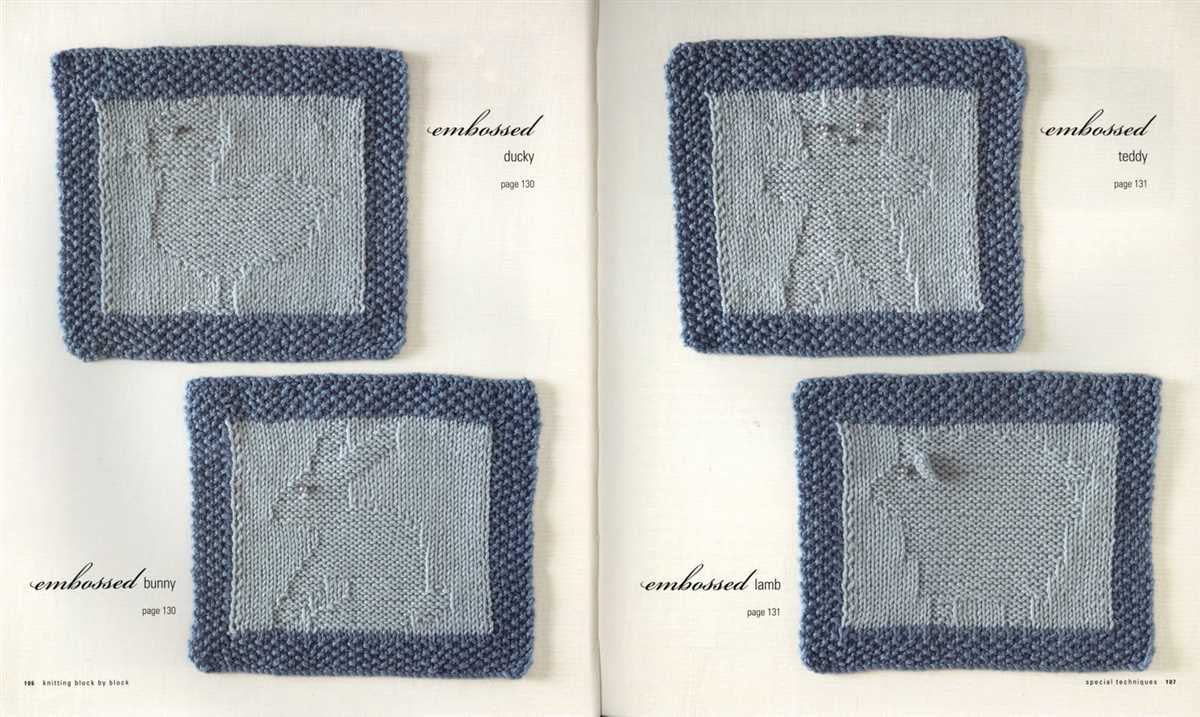
When it comes to knitting patterns, there are two main approaches: block knitting patterns and traditional knitting patterns. Each of these methods has its own advantages and can be used to create unique and beautiful knitted items.
Block Knitting Patterns:
Block knitting patterns are a modern approach to knitting that involves creating individual blocks or motifs and then assembling them to create a larger piece. This technique allows for more flexibility and creativity, as each block can be designed separately and combined in various ways. Block knitting patterns often result in visually striking and intricate designs, with each block showcasing different stitches or patterns.
One of the main benefits of block knitting patterns is that they can be easily customized and modified. Knitters can choose different block designs, colors, and stitch patterns to create their own unique piece. Block knitting patterns also lend themselves well to experimenting with different textures and yarns, making it a versatile option for creating one-of-a-kind knitted items.
Traditional Knitting Patterns:
Traditional knitting patterns, on the other hand, follow a set sequence of stitches and rows to create a complete piece. These patterns often come with specific instructions on stitch counts, row repeats, and shaping techniques. Traditional knitting patterns are great for beginners or those who prefer a more structured approach to knitting.
One of the advantages of traditional knitting patterns is that they are typically easier to follow, as they provide step-by-step instructions. They are also great for creating classic designs and simple garments, such as sweaters, scarves, or hats. Traditional knitting patterns are often created with specific yarn weights and needle sizes in mind, which can make it easier to find suitable materials for the project.
Whether you choose to follow a block knitting pattern or a traditional knitting pattern, both approaches offer a wealth of creative possibilities. It ultimately comes down to personal preference and the desired outcome. Some knitters may enjoy the freedom and flexibility of block knitting, while others may prefer the structure and simplicity of traditional patterns. Regardless of the method chosen, knitting is a timeless craft that can bring joy and satisfaction to those who practice it.
Where to Find Block Knitting Patterns
Block knitting patterns are widely available and can be found in various sources. Whether you prefer to browse online or get inspiration from physical books and magazines, there are plenty of options to choose from. Here are some popular places to find block knitting patterns:
- Online knitting pattern databases: Websites like Ravelry, LoveKnitting, and KnittingPatternCentral offer a vast collection of block knitting patterns. These platforms allow you to search for patterns based on your preferences, such as difficulty level, knitting technique, and project type. Many of these websites also have user reviews and ratings for added guidance.
- Knitting blogs and websites: Numerous knitting bloggers and knitting-centric websites share their block knitting patterns for free or for purchase. These platforms often provide step-by-step instructions, helpful tips, and even video tutorials to assist knitters in creating their blocks.
- Knitting magazines and books: Traditional knitting publications, both in print and digital formats, feature block knitting patterns. These magazines and books often include a variety of patterns, from beginner-friendly designs to more complex ones, along with helpful visuals and detailed instructions. Some popular knitting magazine titles include Vogue Knitting, Interweave Knits, and Simply Knitting.
- Social media platforms: Social media platforms like Instagram and Pinterest are excellent sources for discovering block knitting patterns. Many knitting enthusiasts and designers share their unique patterns on these platforms, making it easy for you to find inspiration and access patterns directly from the creators.
When searching for block knitting patterns, make sure to consider your skill level, the project type you want to create, and the specific stitches and techniques you are interested in. Exploring different sources will provide you with a wide range of patterns to choose from and help you find the perfect block knitting project to work on.