Creating a Knitting Pattern for Soothing Dementia Blankets

Knitting for a loved one with dementia can be a comforting and therapeutic activity. Creating a special blanket that provides warmth and sensory stimulation can be a beautiful way to show your support and love. This article will guide you through a simple knitting pattern that is ideal for individuals with dementia.
When designing a blanket for someone with dementia, it’s important to consider their specific needs and sensory preferences. Many individuals with dementia find soothing comfort in textures and colors that are familiar to them. The blanket should be soft, easy to care for, and durable. Soft acrylic or cotton yarns are ideal for this project.
The pattern we have chosen for this dementia blanket is straightforward and beginner-friendly. It features a simple garter stitch, which creates a textured fabric that is gentle on the skin. The blanket is knit in small, manageable sections, making it easy to work on while allowing for customization and personal touches.
Not only will the finished blanket provide warmth and sensory stimulation for your loved one, but the process of knitting it can also be beneficial for both you and the recipient. Knitting has been shown to reduce stress and anxiety, improve dexterity, and promote relaxation. It can also provide a sense of accomplishment and purpose, which is particularly valuable for individuals with dementia.
What is dementia?
Dementia is a progressive neurological disorder characterized by a decline in cognitive function, memory loss, and changes in behavior. It is not a specific disease, but rather a term used to describe a wide range of symptoms that affect a person’s ability to think, reason, and remember. Dementia is most commonly seen in older adults, but can also occur in younger people.
One of the key features of dementia is the deterioration of memory and thinking skills, which can make it challenging for individuals to perform everyday tasks. This can include difficulties with communication, problem-solving, and decision-making. As the disease progresses, individuals may also experience changes in behavior, personality, and emotions.
There are several types of dementia, with Alzheimer’s disease being the most common form. Other types include vascular dementia, Lewy body dementia, and frontotemporal dementia. Each type has its own set of symptoms and progression patterns, but they all share the common characteristic of affecting cognitive function.
Unfortunately, there is currently no cure for dementia. However, there are various treatments and interventions available to help manage the symptoms and improve quality of life for individuals with the condition. These can include medication, therapy, and support services.
It is important to note that dementia not only affects the individuals who have it, but also their loved ones and caregivers. It can be emotionally and physically challenging to care for someone with dementia, and support systems are crucial in ensuring the well-being of everyone involved.
Benefits of knitting for dementia patients
Knitting can provide numerous benefits for dementia patients. It is a simple and repetitive task that can help promote relaxation and reduce anxiety. The tactile nature of knitting can offer comfort and stimulation for the senses, making it an ideal activity for those dealing with memory loss and cognitive decline.
Mental stimulation: Engaging in knitting requires concentration and attention, which can help stimulate the brain and improve cognitive function in dementia patients. Following knitting patterns, counting stitches, and focusing on the task at hand can help keep the mind active and sharp.
Improved motor skills: Knitting involves intricate hand movements, which can help maintain and improve fine motor skills in dementia patients. Manipulating yarn and knitting needles can enhance dexterity, coordination, and hand-eye coordination, which tend to decline in individuals with dementia.
Sense of accomplishment: Completing a knitting project can provide a sense of accomplishment and boost self-esteem for dementia patients. Seeing the final product, whether it’s a blanket, a scarf, or a hat, can bring a sense of pride and satisfaction, promoting a positive mood and sense of well-being.
Social interaction: Knitting can also be a social activity, allowing dementia patients to engage with others and form connections. Joining knitting groups or participating in knitting circles can provide opportunities for social interaction, conversation, and support, helping to reduce feelings of isolation and loneliness.
Calming and soothing: The repetitive and rhythmic motions of knitting can have a calming and soothing effect, promoting relaxation and reducing stress and anxiety. The focus on the knitting task and the comforting feel of the yarn can help create a sense of peace and tranquility for dementia patients, which can be particularly beneficial during periods of agitation or restlessness.
Choosing the right knitting pattern

When it comes to choosing a knitting pattern, it’s important to consider several factors to ensure a successful and enjoyable knitting experience. Whether you’re a beginner or an experienced knitter, finding the right pattern can make all the difference in creating a beautiful and functional piece.
1. Skill level: One of the first things to consider when choosing a knitting pattern is your skill level. If you’re a beginner, it’s best to start with simple patterns that utilize basic stitches and techniques. As you become more confident and skilled, you can gradually tackle more complex patterns with intricate designs and stitch patterns.
2. Purpose: Think about what you want to create with your knitting. Are you looking to make a cozy sweater, a trendy accessory, or a practical blanket? Different patterns will be suited for different purposes. For example, if you’re knitting for someone with dementia, a blanket pattern specifically designed to provide comfort and stimulation may be the best choice.
3. Yarn choice: Consider the type and weight of yarn that the pattern calls for. Choosing the right yarn can greatly impact the final result of your project. Some patterns may specify a specific brand or type of yarn, while others may offer more flexibility. Take into account factors such as fiber content, texture, and color when selecting your yarn.
4. Size and fit: Pay attention to the size and fit of the finished garment or item. Some patterns may include multiple size options, while others may require customization for a perfect fit. Make sure to check the gauge and measurements provided in the pattern to ensure that your finished piece will fit as desired.
5. Personal style: Lastly, consider your personal style and preferences when choosing a knitting pattern. Look for patterns that match your aesthetic and align with the types of items you enjoy knitting and wearing. Whether you prefer classic designs, modern trends, or unique and whimsical pieces, there is a knitting pattern out there for you.
By taking these factors into consideration, you can make an informed decision when choosing a knitting pattern that will result in a satisfying and successful knitting project.
Materials and tools needed

To create a dementia blanket, you will need a few materials and tools. The key materials include:
- Yarn: Choose soft and durable yarn that is easy to work with. Acrylic or cotton yarn is often recommended for this type of project.
- Knitting needles: Select a pair of knitting needles that are appropriate for the yarn thickness. The size will depend on your personal knitting tension, but a set of US size 8 or 9 needles is a good starting point.
- Tapestry needle: This needle will be used for weaving in ends and sewing any final seams.
In addition to these materials, you may also want to consider using stitch markers, scissors, and a measuring tape to help with the knitting process.
It is important to note that the exact materials needed may vary depending on the specific pattern you are following. Some patterns may call for specific types of yarn or additional tools, so be sure to read through the instructions carefully before starting your project.
Step-by-step instructions for knitting a dementia blanket
A dementia blanket can provide comfort and security to individuals with dementia. It can help stimulate their senses and provide a familiar and soothing sensation. Knitting a dementia blanket can be a rewarding project that allows you to create something meaningful and useful. Follow these step-by-step instructions to create your own dementia blanket.
Materials:
- Chunky yarn in various colors
- Size 10 knitting needles
- Scissors
Step 1: Choose your yarn
Choose soft and cozy chunky yarn in various colors. Opt for yarns with different textures and thicknesses to provide tactile stimulation.
Step 2: Determine the size
Decide on the size of your blanket. A typical size for a dementia blanket is around 36 inches by 36 inches, but you can adjust it according to your preference.
Step 3: Cast on stitches
Using size 10 knitting needles, cast on the desired number of stitches for your blanket. This will depend on the width you want to achieve. A common number of cast-on stitches is 120.
Step 4: Knit rows
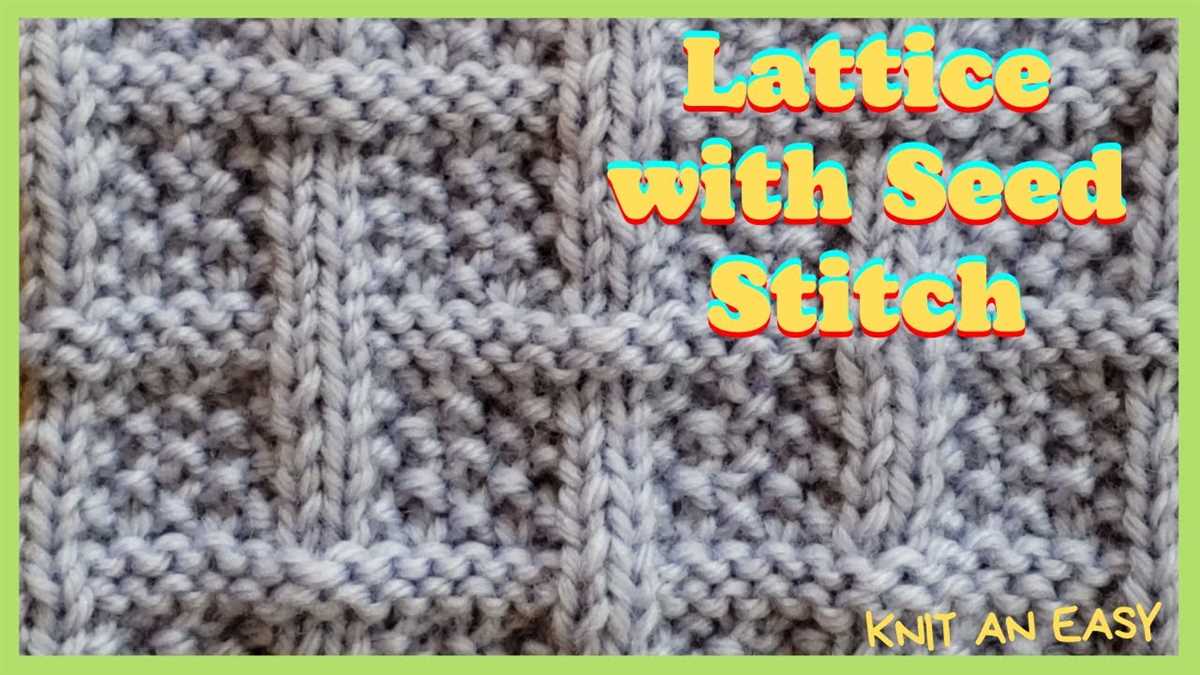
Start knitting rows in your chosen pattern. You can use a simple garter stitch, knitting every row, or experiment with other patterns like seed stitch or basketweave stitch.
Step 5: Change colors and textures
To add visual and tactile interest to the blanket, change colors and textures as you go. Introduce new yarns every few rows or whenever you feel like it. This will create a visually stimulating and comforting piece.
Step 6: Continue knitting
Continue knitting rows until your blanket reaches the desired length. Remember to vary the colors and textures to keep the blanket engaging.
Step 7: Bind off
When you are satisfied with the size of your blanket, bind off the stitches by knitting two together and passing the first stitch over the second stitch. Cut the yarn, leaving a long tail, and pull it through the final loop on the needle to secure the edge.
Step 8: Finishing touches
Weave in any loose ends and trim them. You can also add a border to your blanket using a different color or texture if desired.
Voila! You have successfully knitted a dementia blanket. This unique and comforting item can provide warmth and sensory stimulation for individuals with dementia.
Tips for knitting with dementia patients
Knitting can be a therapeutic activity for dementia patients, providing them with a sense of purpose, relaxation, and comfort. Here are some tips to make knitting with dementia patients a successful and enjoyable experience:
1. Simplify the pattern
Choose simple knitting patterns that are easy to follow and understand. Use large-print patterns with clear instructions and minimal complexity. This will help the patients feel confident and engaged in the knitting process.
2. Provide tactile cues
Dementia patients may have difficulty understanding verbal instructions, so it’s important to provide tactile cues. Use different textures of yarn or knitting needles to help patients identify the beginning and end of each row. This will make it easier for them to follow the pattern and keep track of their progress.
3. Break the task into smaller steps
Breaking the task of knitting into smaller, manageable steps can help dementia patients stay focused and avoid feeling overwhelmed. Guide them through each step, reminding them of the process and offering support when needed. Celebrate their progress and encourage them along the way.
4. Create a calm and familiar environment
Knitting can be a calming activity, but it’s essential to create a calm and familiar environment for dementia patients. Choose a quiet space with minimal distractions, and play soft, soothing music to create a relaxed atmosphere. This will help patients feel more comfortable and focused on their knitting.
5. Practice patience and flexibility
When knitting with dementia patients, it’s important to practice patience and flexibility. Understand that they may have difficulty following instructions or remembering certain steps. Be patient with them, offer gentle reminders, and adapt the knitting process to their abilities and preferences. Remember, the goal is to provide a positive and enjoyable experience for the patients.
Alternative knitting techniques for dementia patients
Knitting can be a therapeutic activity for individuals with dementia, providing them with a sense of purpose and accomplishment. However, the traditional knitting techniques may pose challenges for those with cognitive decline. Fortunately, there are alternative techniques that can be adjusted to suit the needs of dementia patients.
Simple stitches: Instead of complex knitting patterns, using simple stitches like garter stitch or stockinette stitch can be beneficial for dementia patients. These stitches involve repetitive movements and are easier to remember, reducing frustration and confusion.
Ribbing: Incorporating ribbing into knitting projects can be helpful for dementia patients as it provides tactile stimulation and promotes sensory engagement. Ribbing involves alternating knit and purl stitches, creating a textured surface that can be visually and physically stimulating.
Chunky yarns: Opting for thicker yarns and larger needles can make knitting easier for individuals with dementia. The larger size of the knitting needles and the texture of chunky yarns can make it simpler for patients to manipulate and handle the knitting materials.
Color-coded patterns: For those with visual impairments or difficulties following complex patterns, color-coded knitting patterns can be beneficial. Assigning different colors to different stitches or rows can help dementia patients maintain their focus and easily identify the next step in their knitting project.
Assistive tools: Using assistive tools such as knitting looms or circle knitting needles can make the knitting process more accessible for individuals with dementia. These tools eliminate the need to hold multiple needles and can simplify the knitting technique, making it easier for patients to engage in the activity.
By exploring these alternative knitting techniques, caregivers and loved ones can provide dementia patients with an enjoyable and therapeutic knitting experience. These adjustments can help minimize frustration and maximize the benefits of knitting for individuals with cognitive decline.
How to personalize a dementia blanket
Personalizing a dementia blanket can provide comfort and familiarity to individuals with dementia. By incorporating meaningful elements and following a few simple steps, you can create a customized blanket that can help soothe and engage their senses.
Gather personal items
Start by gathering personal items that hold sentimental value to the person with dementia. These can include photographs, pieces of fabric or clothing, or small trinkets. These items will serve as reminders of important memories and can be integrated into the design of the blanket.
Create a theme

Choose a theme that resonates with the individual’s interests or past experiences. This could be a favorite hobby, a beloved pet, or a significant location. Incorporate elements related to the theme into the blanket design, such as using colors that represent a certain sports team or including images of animals or landscapes.
Add personal touches
In addition to the theme, add personal touches that are specific to the individual. This could include embroidering their name or initials onto the blanket, including their birthdate or a special quote that holds meaning to them. These personal touches will make the blanket feel even more special and tailored to their individuality.
Create sensory elements
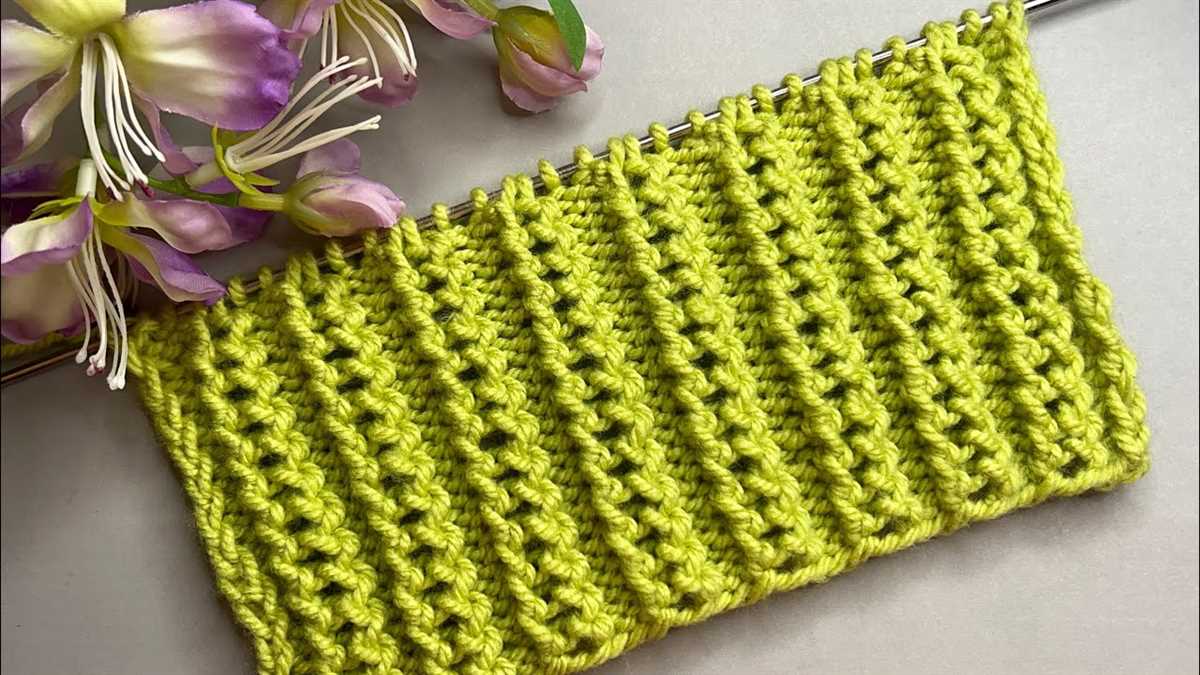
Consider adding sensory elements to the blanket to engage the person with dementia. This could include incorporating different textures, such as soft fur or knobbly yarn, or attaching buttons or beads that can be manipulated. These sensory elements can provide tactile stimulation and help keep the individual engaged and comforted.
Document memories
As you create the personalized dementia blanket, take the opportunity to document and share memories. Write down stories or anecdotes related to the items or themes you’ve incorporated, or include a small photo album with pictures and captions. This will not only enhance the personalization of the blanket but also serve as a cherished keepsake for the person with dementia and their loved ones.
Incorporating personal items, creating a theme, adding personal touches, creating sensory elements, and documenting memories are all steps you can take to personalize a dementia blanket. This thoughtful and personalized gift can provide comfort, stimulation, and a connection to cherished memories for individuals living with dementia.
Additional resources for knitting patterns
If you’re looking for more knitting patterns to try out, here are some additional resources to consider:
1. Knitting magazines and books
Knitting magazines and books often contain a wide variety of knitting patterns for all skill levels. They provide step-by-step instructions along with detailed diagrams and pictures to help you create beautiful projects. Some popular knitting magazines include Vogue Knitting, Interweave Knits, and Knit Simple. For books, you can check out titles like “The Knitter’s Handbook” by Montse Stanley or “Knitting without Tears” by Elizabeth Zimmermann.
2. Online knitting communities and forums
There are numerous online knitting communities and forums where knitters from all over the world share their patterns and projects. Ravelry, for example, is a popular website with a vast collection of knitting patterns for all types of projects. You can browse through different categories, find patterns based on your skill level, and even connect with other knitters to get advice or inspiration. Other online knitting communities include LoveKnitting and Knitting Paradise.
3. YouTube tutorials
YouTube is a great resource for visual learners who prefer to watch someone demonstrate knitting techniques and patterns. Many experienced knitters and knitting channels on YouTube offer tutorials and step-by-step instructions for various knitting projects. Whether you’re a beginner or an advanced knitter, you’re likely to find helpful videos for your skill level. Some popular knitting channels on YouTube include VeryPink Knits, Studio Knit, and Knit Purl Hunter.
4. Local yarn stores and knitting groups
Don’t forget to check out your local yarn stores and knitting groups for knitting patterns. Yarn stores often have pattern booklets or individual patterns available for purchase. They may also offer knitting classes or workshops where you can learn new techniques and get access to exclusive patterns. Knitting groups, on the other hand, can provide a great opportunity to meet fellow knitters, share patterns, and get recommendations for new patterns.
5. Pattern databases and websites
There are several websites and databases dedicated to knitting patterns where you can find a wide range of options. Some popular pattern databases include KnittingPatternCentral, AllFreeKnitting, and Lion Brand Yarn’s pattern library. These websites usually allow you to search for patterns based on various criteria such as project type, skill level, and yarn weight. You can also find patterns specifically designed for dementia blankets or other special needs projects.
With these additional resources, you’ll have plenty of options to explore and expand your knitting skills and project repertoire. Whether you prefer printed materials, online communities, or in-person interactions, there is something for everyone in the knitting world.
Success Stories and Testimonials
Over the years, many individuals and organizations have shared their success stories and testimonials regarding the use of dementia blankets made from our knitting pattern. These heartwarming accounts demonstrate the positive impact these blankets can have on individuals with dementia and their loved ones.
Here are just a few of the inspiring stories we have received:
- Martha’s Story: Martha, a caregiver for her elderly mother who has dementia, shared how the blanket provided a sense of comfort and familiarity for her mother. She mentioned that her mother often holds onto the blanket, and it seems to calm her during moments of confusion or distress.
- St. Mary’s Memory Care Facility: The staff at St. Mary’s Memory Care Facility implemented the use of dementia blankets made from our knitting pattern as part of their therapeutic programs. They noticed a significant reduction in anxiety and agitation among residents during group activities, with several individuals expressing a preference for the blankets.
- Amy’s Testimonial: Amy, a granddaughter of a woman with dementia, described how the blanket became a cherished item for her grandmother. She mentioned that the vibrant colors and soft texture brought joy to her grandmother’s life and sparked conversations and memories within their family.
These success stories and similar testimonials highlight the power of a simple knitted blanket in improving the well-being and quality of life for individuals with dementia. They also serve as a reminder of the importance of empathy, compassion, and creative solutions in dementia care.
| Name | Relationship | Testimonial |
|---|---|---|
| Martha | Caregiver | “The blanket provides comfort and calmness during difficult moments.” |
| St. Mary’s Memory Care Facility | Care Facility Staff | “Significant reduction in anxiety and agitation among residents.” |
| Amy | Granddaughter | “The blanket brings joy and sparks conversations within our family.” |
If you have a success story or testimonial regarding the use of dementia blankets made from our knitting pattern, we would love to hear from you. Please contact us and share your experiences.
Q&A:
What is a dementia blanket knitting pattern?
A dementia blanket knitting pattern is a set of instructions that guide you through the process of knitting a specific type of blanket designed for individuals with dementia. These patterns often incorporate the use of textured or contrasting colors to provide sensory stimulation and help soothe individuals with dementia.
Are dementia blanket knitting patterns different from regular blanket knitting patterns?
Yes, dementia blanket knitting patterns are specially designed to meet the specific needs of individuals with dementia. These patterns often focus on incorporating sensory elements and using certain colors and textures to promote a sense of comfort and calmness.
Where can I find dementia blanket knitting patterns?
You can find dementia blanket knitting patterns online on various knitting and crafting websites. There are also books and magazines dedicated to knitting patterns for individuals with dementia that you can find at your local library or bookstore.
What materials do I need to knit a dementia blanket?
The materials you will need to knit a dementia blanket include knitting needles, yarn in various colors and textures, scissors, and a tapestry needle. The specific materials required may vary depending on the pattern you choose.
Are dementia blanket knitting patterns suitable for beginners?
While some dementia blanket knitting patterns can be more complex, there are also patterns available that are suitable for beginners. It’s important to choose a pattern that matches your skill level and comfort with knitting. Starting with a simpler pattern can help you build confidence and skills before moving on to more complex designs.
What is a dementia blanket knitting pattern?
A dementia blanket knitting pattern is a set of instructions that guides knitters on how to create a special blanket designed for people with dementia. The pattern typically includes specific stitch counts, color choices, and sometimes interactive elements such as different textures or sensory elements to help soothe and engage individuals with dementia.