Effortless lace cowl knitting pattern

Knitting a cozy and stylish cowl is a great way to add a touch of elegance to any outfit, and this easy lace cowl knitting pattern is perfect for beginners who want to try their hand at lace knitting. With its simple yet stunning design, this pattern is sure to become a staple in your winter wardrobe.
The beauty of this lace cowl is that it looks much more complicated than it actually is. The pattern features a classic lace stitch that creates a delicate and airy design, making it perfect for layering over a simple t-shirt or sweater. The openwork pattern is not only visually appealing, but it also allows the cowl to drape beautifully when worn.
This pattern is designed with beginners in mind, so even if you’ve never tried lace knitting before, you can easily tackle this project. The pattern includes detailed instructions and helpful tips to guide you through each step, so you can confidently create a gorgeous cowl that you’ll be proud to wear or give as a gift.
Easy Lace Cowl Knitting Pattern

The Easy Lace Cowl Knitting Pattern is a great choice for knitters of all skill levels who want to enhance their wardrobe with a stylish accessory. This pattern features a beautiful lace stitch that adds an elegant touch to any outfit. Whether you’re a beginner knitter looking for a new challenge or an experienced one wanting a quick project, this pattern is perfect for you.
Materials:
- Yarn: Choose a soft and lightweight yarn in your preferred color. Lace weight or fingering yarn is recommended.
- Needles: Use circular or straight knitting needles in the appropriate size for your yarn.
- Stitch markers
- Tapestry needle
- Scissors
Instructions:
- Cast on the desired number of stitches. The lace pattern can be easily adjusted to fit your preferences.
- Row 1: *Knit 2 together, yarn over. Repeat from * to the end of the row.
- Row 2: Knit all stitches.
- Repeat rows 1 and 2 until the cowl reaches your desired length.
- Bind off all stitches.
- Weave in any loose ends and block the cowl if necessary.
This lace cowl knitting pattern is not only easy to follow, but it also creates a beautiful and delicate accessory that you can wear with pride. It’s a versatile piece that can be worn in various ways, whether draped loosely around your neck or wrapped snugly for extra warmth. Give it a try and enjoy creating your own unique lace cowl!
What is a lace cowl?

A lace cowl is a type of knitted accessory that is worn around the neck. It is similar to a scarf but is typically shorter and wider, often made in a loop or circular shape. The term “lace” refers to the intricate and delicate stitch patterns used in the design of the cowl.
Lace cowls are often made using fine yarns and thin knitting needles to create a lightweight and airy fabric. The lace stitch patterns typically feature a series of yarn overs and decreases, creating an openwork design with holes and intricate motifs. This results in a cowl that is not only visually appealing but also provides warmth while allowing the skin to breathe.
A lace cowl can be a versatile accessory that can be worn in different styles. It can be draped loosely around the neck for a casual and effortless look, or wrapped multiple times for added warmth and coziness. The delicate and feminine nature of lace cowls makes them suitable for both everyday wear and special occasions.
Many knitters enjoy making lace cowls because they offer an opportunity to practice and showcase their skills in lace knitting. The stitch patterns used in lace cowls can vary from simple and repetitive to more complex and intricate, depending on the desired level of challenge. With the wide range of lace stitch patterns available, there is always a new design to explore and create.
Whether you are a beginner knitter looking to expand your skills or an experienced knitter seeking a new project, a lace cowl is a great option. With its combination of elegance and functionality, a lace cowl can be a beautiful addition to any wardrobe.
Benefits of knitting a lace cowl
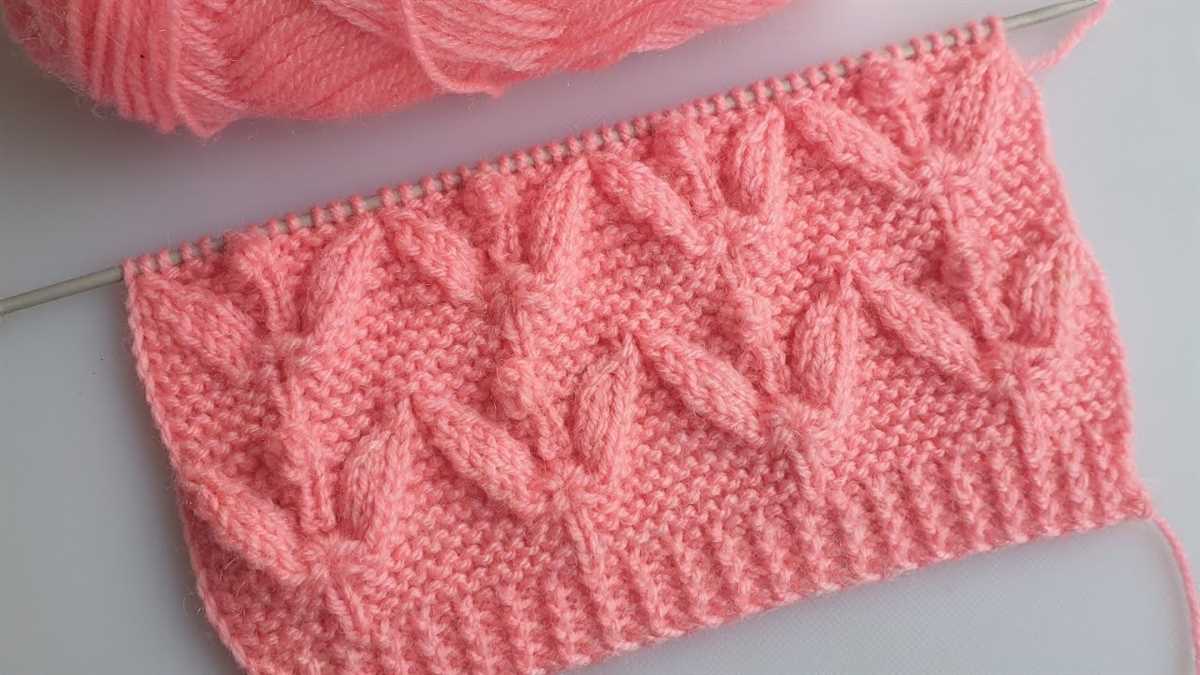
Knitting a lace cowl can be a delightful and rewarding experience. Whether you are an experienced knitter or a beginner, there are numerous benefits to making your own lace cowl.
1. Creativity: Knitting a lace cowl allows you to unleash your creativity and make something unique. You can choose from a variety of lace patterns and experiment with different yarns and color combinations to create a cowl that reflects your personal style.
2. Relaxation: Knitting is known for its therapeutic effects. The repetitive motions of knitting can help reduce stress and promote relaxation. Knitting a lace cowl can be a calming and meditative activity that allows you to unwind after a long day.
3. Versatility: A lace cowl can be a versatile accessory that can be worn in different ways. You can wear it loosely draped around your neck for a casual and relaxed look, or you can double it up for extra warmth during colder days. It can also be styled as a headband or even a scarf, making it a practical and multifunctional piece.
4. Portability: Knitting a lace cowl is a portable project that can be taken anywhere. Whether you are commuting, traveling, or simply relaxing outdoors, you can easily carry your knitting supplies and work on your cowl whenever you have a spare moment. It is a great way to make productive use of your time and keep your hands busy.
5. Gift-giving: A hand-knit lace cowl can make a thoughtful and personalized gift for friends and loved ones. You can customize the color and pattern to suit their style and preferences, and the effort and care that goes into making a hand-knit gift will surely be appreciated.
Overall, knitting a lace cowl offers a range of benefits, from creative expression and relaxation to versatility and portability. It is a rewarding and enjoyable project that can result in a beautiful and functional accessory. So why not grab your yarn and needles and start knitting your own lace cowl today?
Materials needed for knitting a lace cowl
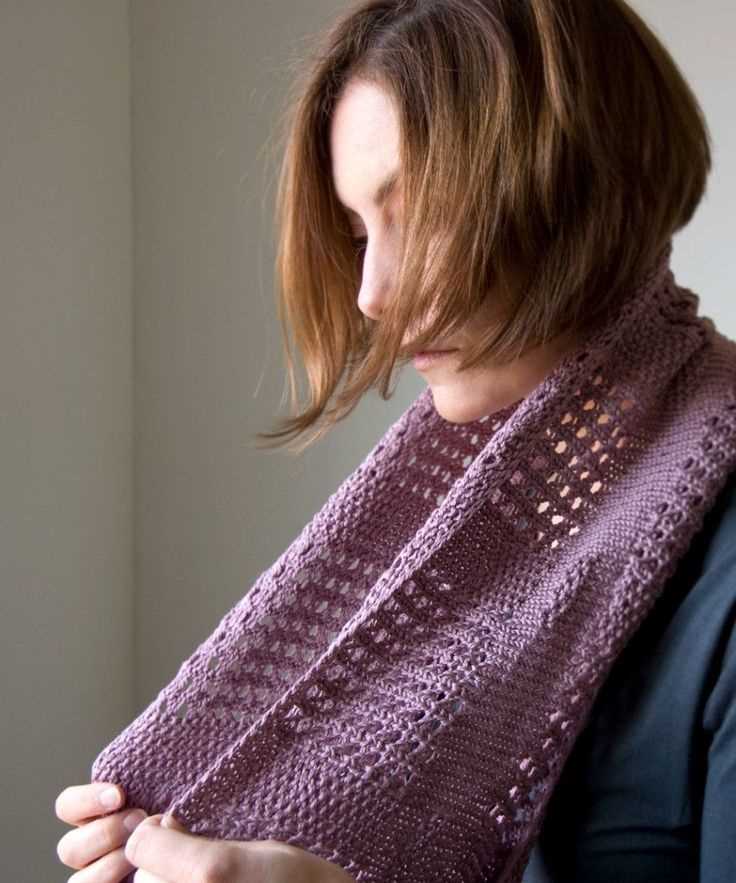
In order to knit a lace cowl, you will need a few basic materials. These items will ensure that you have everything necessary for a successful knitting project.
To begin, you will need a set of knitting needles. The size of the needles will depend on the pattern and the desired gauge. It’s always a good idea to have a few different sizes on hand, as you may need to adjust the needle size to achieve the correct tension.
Yarn: Choose a yarn that is suitable for the cowl pattern you plan to knit. Lace cowls typically require a lightweight yarn with good drape, such as a fingering weight or lace weight yarn. Consider the fiber content as well, as different fibers will have different qualities and behaviors when knitted up.
Stitch markers: These small rings or clips are used to mark specific stitches in your knitting. They are especially useful when working with lace patterns, as they can help you keep track of complex stitch combinations and pattern repeats.
Tapestry needle: A tapestry needle is essential for weaving in loose ends and finishing your project. Make sure to choose a needle with a large enough eye to accommodate the yarn you are using.
Pattern: Lastly, you will need a lace cowl knitting pattern. This can be found in a pattern book, online, or you can create your own. Make sure to read and understand the pattern before you begin knitting, as it will provide important instructions and stitch counts.
By gathering these materials, you will be well-prepared to start knitting your own lace cowl. With a bit of patience and practice, you will soon have a beautiful and cozy accessory to wear or gift to others.
Choosing the right yarn for your lace cowl project
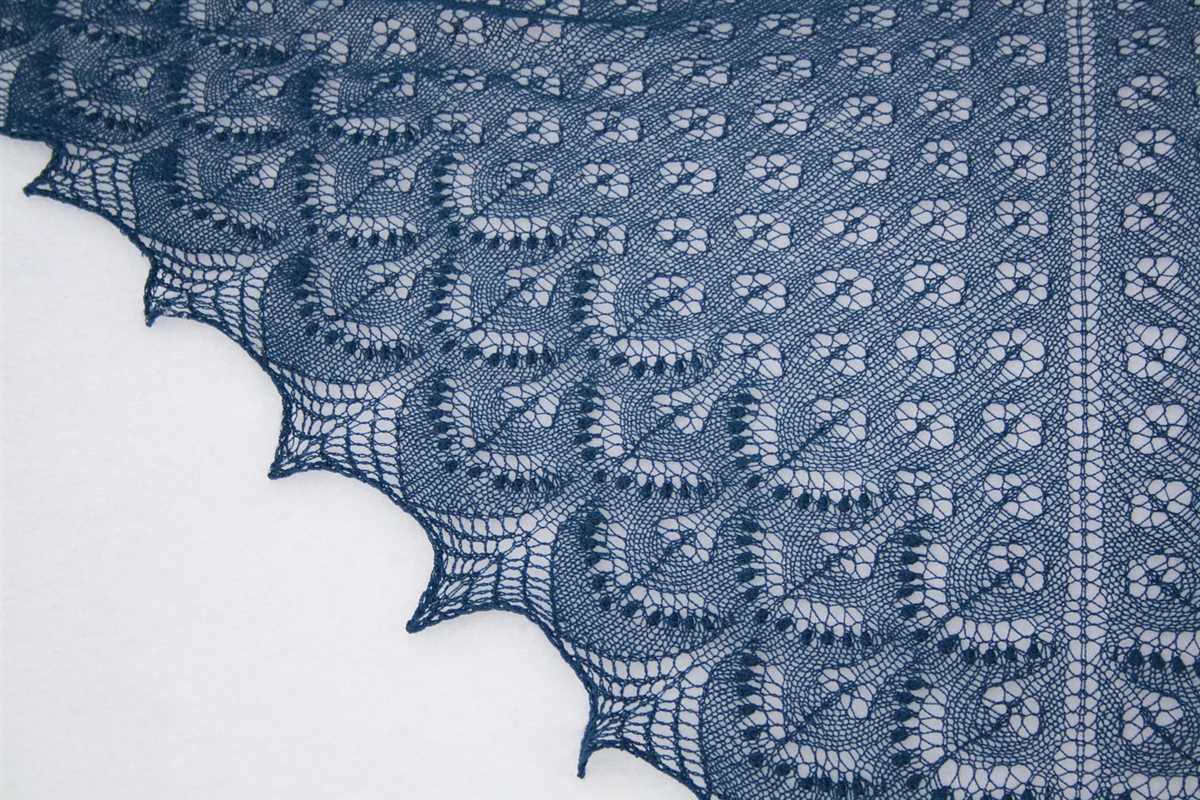
When it comes to knitting a lace cowl, choosing the right yarn is key to achieving the desired result. The type of yarn you choose will greatly influence the overall look and feel of your finished project.
Weight and texture: The weight and texture of the yarn will determine how the lace pattern will show up. For a delicate and airy look, consider using a lace weight yarn. This yarn is typically very fine and lightweight, which allows the lace stitches to stand out beautifully. If you prefer a slightly thicker and more substantial cowl, a fingering weight yarn would be a great choice. It will still give you enough drape, but with a bit more structure.
Fiber content: Another important factor to consider is the fiber content of the yarn. Different fibers have different properties, which can affect the warmth and breathability of your cowl. If you’re looking for a cozy and warm cowl, wool or alpaca yarn would be a great choice. These fibers are known for their insulation properties and will keep you snug during cooler weather. For a more lightweight and breathable cowl, cotton or silk yarn would be a good option. These fibers are ideal for wearing in warmer climates or during transitional seasons.
Color and dyeing technique: The color and dyeing technique of the yarn can also play a role in the overall look of your lace cowl. Solid or semi-solid colors will showcase the lace pattern in its full glory, allowing the intricate stitches to shine. If you prefer a more variegated or speckled look, consider choosing a yarn that has been hand-dyed or has unique color variations. This can add an extra level of visual interest to your cowl.
Final considerations: Lastly, it’s important to consider the care instructions and durability of the yarn. Depending on how frequently you plan on wearing and washing your cowl, you’ll want to choose a yarn that can hold up well over time. Make sure to read the label and check if the yarn requires special care or if it can be easily machine washed.
Overall, the yarn you choose for your lace cowl project will greatly impact the final outcome. Take the time to consider the weight, fiber content, color, and care instructions before making your decision. With the right yarn, you’ll be on your way to creating a beautiful and elegant lace cowl that you’ll love to wear or gift to someone special.
Getting started: Casting on and creating the foundation row
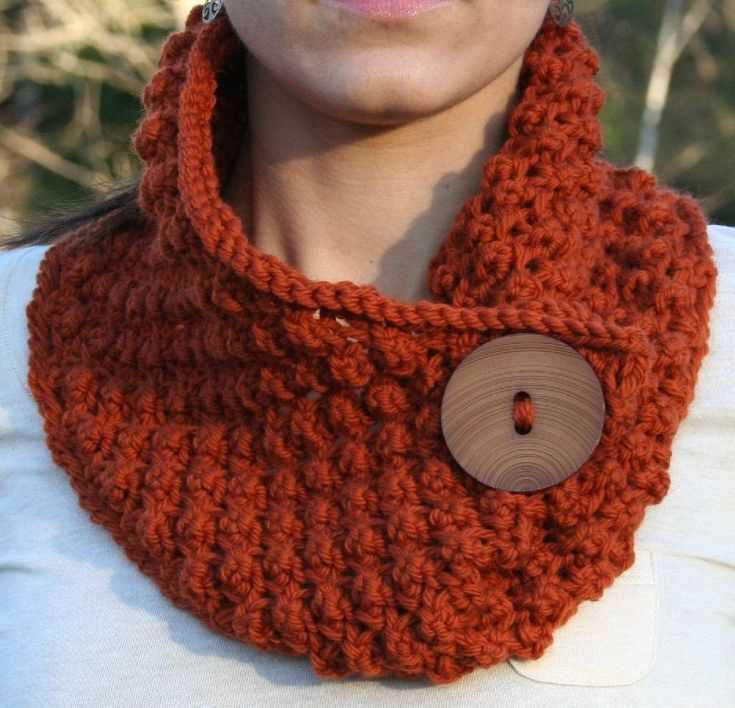
Before you begin knitting your easy lace cowl, you will need to cast on and create the foundation row. This sets the stage for the rest of your project and ensures that your cowl has the correct number of stitches.
To cast on, you can use your preferred method. You might choose to use the long-tail cast on, the knit cast on, or any other technique that you are comfortable with. The important thing is to ensure that you cast on the specified number of stitches as indicated in your pattern.
Once you have cast on your stitches, it’s time to create the foundation row. This is typically done by knitting across all of the cast on stitches. However, in some lace patterns, you may need to purl or do a combination of knit and purl stitches to establish the lace pattern.
As you knit across the foundation row, make sure to pay attention to any specific instructions in your pattern. This could include things like yarn overs, decreases, or other lace-specific techniques. These details are crucial for achieving the desired lace pattern and overall look of your cowl.
If you’re new to lace knitting, it’s a good idea to take it slow and carefully follow each step of the pattern. As you become more comfortable with the techniques and stitches, you can start to experiment and make the pattern your own.
Following the lace pattern: Instructions for knitting the main body of the cowl

Once you have cast on and completed the ribbing section of the cowl, you are ready to begin knitting the main body of the cowl using the lace pattern. The lace pattern adds a delicate and intricate design to the cowl, making it a beautiful accessory to wear.
To follow the lace pattern, you will need to repeat a series of stitches and yarn overs throughout each row. The pattern may include a combination of knit and purl stitches, as well as decreases and yarn overs to create the lace effect.
It is important to pay close attention to the instructions for each row of the lace pattern. The pattern will specify the stitches and yarn overs to be worked, and any decreases that need to be made. The instructions may be written out line by line, or they may be presented in the form of a chart.
As you work each row of the lace pattern, take care to maintain the correct stitch count and to keep track of any pattern repeats. This will ensure that the lace design is consistent and properly aligned. If you make a mistake, it is best to correct it as soon as possible to avoid any further errors.
Continue knitting the main body of the cowl following the lace pattern until you have reached the desired length. Once you have completed the lace section, you can move on to finishing the cowl by knitting the final rows and binding off.
With these instructions, you can confidently knit the main body of the cowl using the lace pattern, creating a beautiful and unique accessory to enjoy or give as a gift.
Adding a decorative border to your lace cowl

Adding a decorative border to your lace cowl is a great way to customize your knitting project and add a touch of flair to your finished piece. There are many different ways to approach adding a border, from simple ribbing or garter stitch to more intricate lace patterns. The choice of border will depend on the overall design and aesthetic you are aiming for.
Simple Ribbing: One of the easiest ways to add a decorative border to your lace cowl is to use a simple ribbing pattern. This involves alternating knit and purl stitches to create a stretchy and textured border. It can be as narrow or as wide as you like, depending on the desired effect. Simple ribbing is a versatile option that works well with a wide range of lace patterns.
Lace Border: If you want to create a more intricate and delicate look, adding a lace border to your lace cowl is a great option. There are numerous lace patterns to choose from, ranging from simple to complex. You can select a pattern that complements the main lace pattern of your cowl or opt for a contrasting design. Knitting a lace border requires more attention to detail and concentration, but the end result is often stunning.
When adding a border to your lace cowl, it is important to consider the overall balance and proportion of the design. For example, if you have a wide lace pattern in the body of your cowl, you might want to opt for a narrower border. On the other hand, if the main lace pattern is quite intricate and delicate, a wider border can create a nice frame and highlight the lacework.
Before you start knitting the border, it is a good idea to make a swatch to test out the pattern and see if it complements the main lace pattern. You can also try different needle sizes to achieve the desired tension and drape. Once you have chosen the border pattern and determined the number of stitches needed, you can begin knitting the border onto your lace cowl. Make sure to follow the instructions carefully and pay attention to any specific stitch counts or repeat sections. Once the border is complete, you can block your cowl to enhance the lacework and give it a professional finish.
Finishing touches: Binding off and blocking your lace cowl

After completing the final row of your easy lace cowl, it’s time to bind off and block your project to give it a professional and polished finish. The binding off process involves securing the stitches so that they do not unravel.
To bind off your lace cowl, simply knit the first 2 stitches as usual. Next, use the left needle to lift the first stitch over the second stitch and off the right needle. Knit the next stitch and repeat the process of lifting the previous stitch over the newly knit stitch. Continue this pattern until you have only 1 stitch remaining, then cut the yarn leaving a long tail and pull it through the last stitch to secure.
Once the binding off is complete, it’s time to block your lace cowl. Blocking is a vital step in knitting lace to help open up the stitches and ensure the pattern is fully visible. To block your cowl, you will want to soak it in lukewarm water with a mild detergent for about 15-20 minutes. Gently squeeze out the excess water, being careful not to wring or twist the fabric.
Next, lay your cowl flat on a clean towel and gently press out any remaining water. Arrange the cowl into the desired shape, making sure to pull and stretch the lace pattern to open it up. Pin the edges and corners of the cowl to the towel using rust-resistant pins, making sure the fabric is taut but not overly stretched. Leave the cowl to dry completely, which usually takes about 24 hours.
Once the cowl is dry, carefully remove the pins and admire your finished masterpiece. The binding off and blocking process ensures that your lace cowl will maintain its shape and drape beautifully when worn. Now it’s time to show off your new accessory and enjoy the compliments!
Tips and tricks for knitting a lace cowl
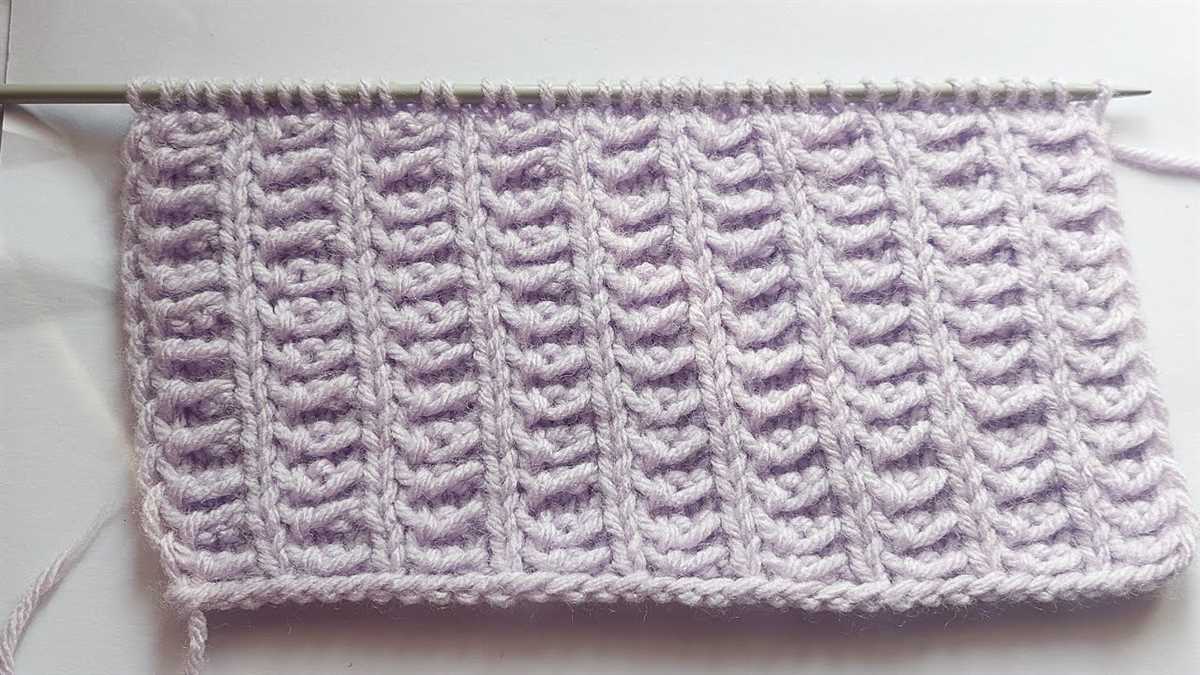
Knitting a lace cowl can be a fun and rewarding project, but it can also present some challenges. Here are some tips and tricks to help you successfully knit your lace cowl:
1. Choose the right yarn and needles

When knitting a lace cowl, it’s important to choose a yarn and needle size that will create the desired drape and stitch definition. A lace weight or fingering weight yarn is commonly used for lace knitting, but you can also experiment with other weights. Make sure to swatch and check your gauge before starting to ensure the correct fit.
2. Use stitch markers

Stitch markers are essential when knitting lace patterns, as they can help you keep track of your progress and make it easier to identify any mistakes. Place stitch markers between pattern repeats or at specific points to help you stay organized and avoid getting lost in complex lace charts.
3. Count your stitches regularly

Lace knitting often involves intricate patterns and stitch increases or decreases. To avoid mistakes and ensure the integrity of your lace cowl, count your stitches regularly to make sure you haven’t accidentally dropped or added any stitches. This will save you from having to rip back your work later on.
4. Use lifelines
Lifelines are an invaluable tool when knitting lace. They are threads that are threaded through a row of stitches, usually after completing a lace pattern repeat. If you make a mistake or need to rip back, lifelines can help you easily pick up your stitches without losing your progress. It’s best to thread a lifeline through every few rows or at key points in your pattern to ensure you have a safety net.
5. Block your finished cowl
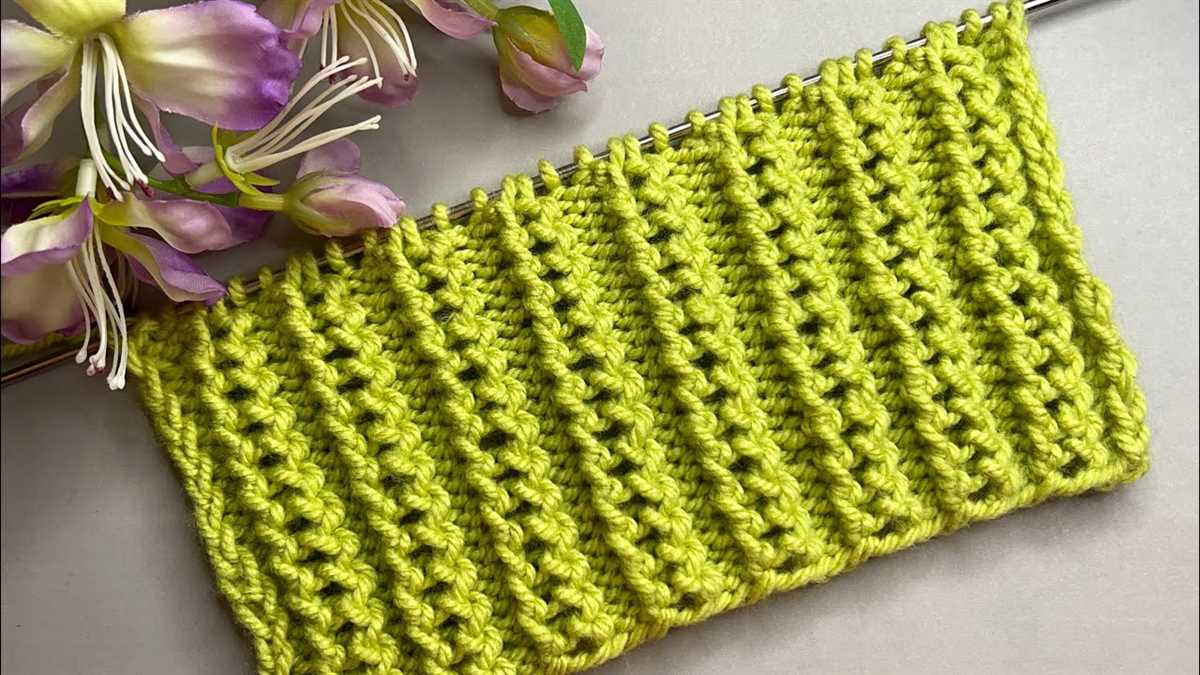
Blocking is an essential step in lace knitting to bring out the stitch pattern and give your cowl its final shape. After completing your lace cowl, soak it in cool water with mild detergent, then gently squeeze out the excess water. Lay it flat on a towel, shape it to the desired dimensions, and let it dry completely. Blocking will help smooth out any uneven stitches and create a polished finished product.
With these tips and tricks in mind, you’ll be well-equipped to tackle your lace cowl knitting project and create a beautiful and intricate accessory.
Styling and wearing your lace cowl
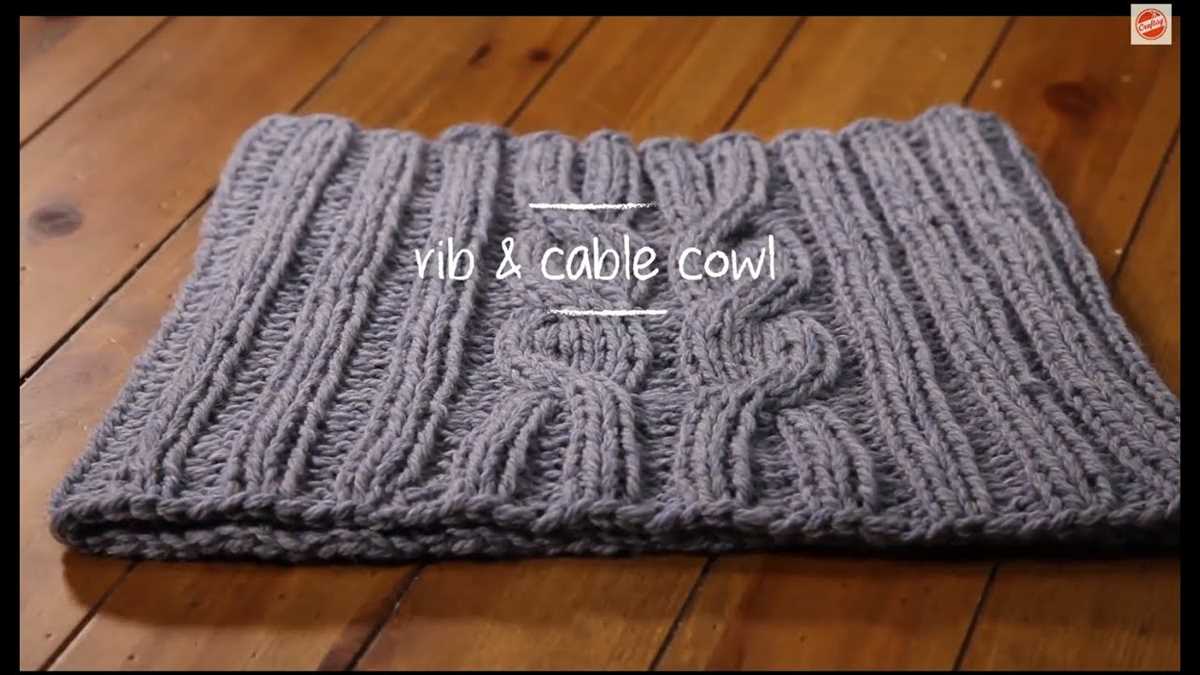
Once you have finished knitting your lace cowl, it’s time to style and wear it with your favorite outfits. The delicate lace pattern adds a touch of elegance to any look, and the lightweight nature of the cowl makes it perfect for layering.
Here are some tips for styling and wearing your lace cowl:
- Layering: The lace cowl can be worn over a plain t-shirt or sweater to add a pop of texture and style. It can also be layered under a jacket or coat for added warmth and a fashionable touch.
- Accessorize: You can accessorize your lace cowl with a belt or brooch to add a personal touch and create different looks. Play around with different accessories to achieve various styles.
- Formal occasions: The lace cowl is perfect for formal occasions, such as weddings or parties. Pair it with a dress or a tailored suit for a sophisticated and polished look.
- Casual outfits: Don’t be afraid to incorporate your lace cowl into your casual everyday outfits. Wear it with jeans and a t-shirt for a chic and effortless look.
Overall, the lace cowl is a versatile accessory that can elevate your outfits and add a touch of elegance. Whether you’re dressing up for a special occasion or looking to enhance your everyday style, the lace cowl is a perfect choice. Put your knitting skills to use and enjoy experimenting with different looks and styles with your new lace cowl.