Adorable Knitted Octopus Pattern for Tiny Premature Babies
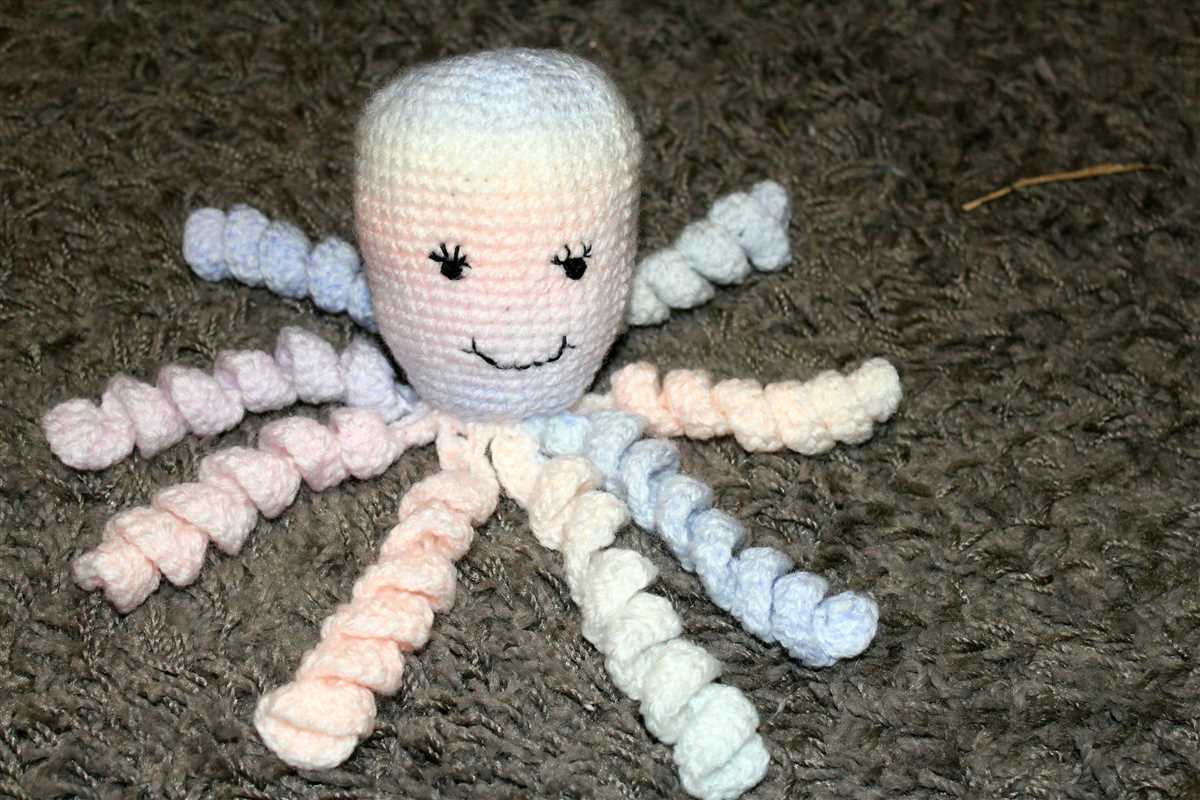
Knitting toys can be a fulfilling and rewarding hobby, especially when you know that your creations are bringing comfort to those in need. One popular toy that has gained recognition for its therapeutic benefits is the knitted preemie octopus. These cute and cuddly creatures are designed specifically for premature babies in neonatal intensive care units (NICUs) to provide them with a sense of security and promote healthy development.
The knitted preemie octopus pattern is a simple yet meaningful project that can be completed by knitters of all skill levels. The pattern typically involves using a soft, washable yarn and small knitting needles to create a small octopus toy that fits perfectly in a preemie’s tiny hands.
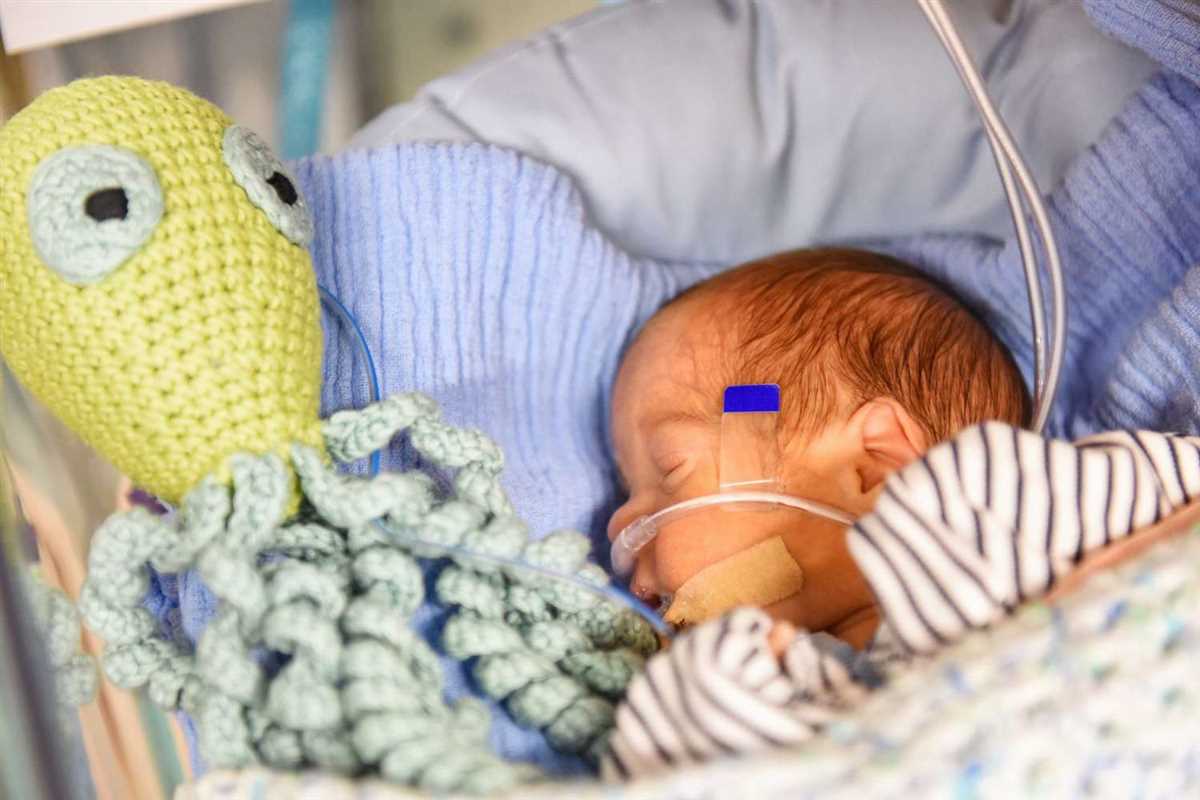
The tentacles of the octopus are specifically designed to resemble the umbilical cord, which helps premature babies feel a sense of comfort and security. Research has shown that the presence of a soft toy like the knitted preemie octopus can have a calming effect on babies, reduce their stress levels, and even improve their breathing and heart rates.
If you’re interested in contributing to this heartwarming cause, there are many resources and online communities available that provide the knitted preemie octopus pattern for free. By knitting and donating these toys to hospitals and NICUs, you can make a difference in the lives of premature babies and their families.
What is a preemie octopus?
A preemie octopus, also known as a preemie octo or a preemie toy, is a small knitted or crocheted octopus designed to comfort premature babies in neonatal intensive care units (NICUs). These cute and cuddly creatures are specially made to provide a sense of security and companionship to preemies, who may be separated from their parents and in need of extra support during their early days.
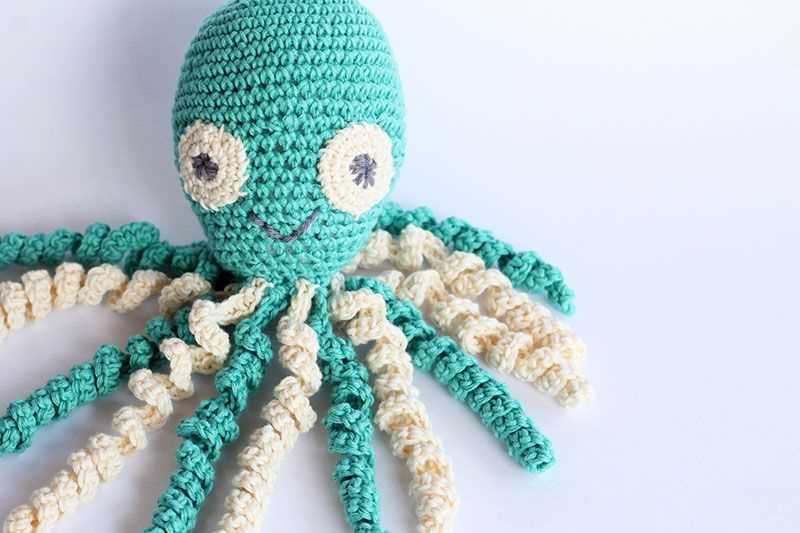
Preemie octopuses are crafted using soft, washable yarn and are made with high attention to safety. Their tentacles are carefully designed to be just the right length and thickness, allowing premature babies to grab and hold onto them. The soft texture and gentle feel of the octopus’s body aim to provide a comforting touch and sensory stimulation for the preemie, helping to create a soothing and nurturing environment.
Benefits of using preemie octopuses
- Emotional support: The presence of a preemie octopus can help alleviate feelings of anxiety, fear, and loneliness in premature babies. The octopus serves as a cuddly companion, offering comfort and a sense of security.
- Sensory stimulation: The different textures and shapes of the octopus’s body and tentacles provide tactile stimulation for preemies, which can enhance their sensory development and overall well-being.
- Reduced risk of self-extubation: Preemie octopuses can be used to keep newborns calm and prevent them from unintentionally pulling out or touching medical equipment, such as breathing tubes or IV lines.
- Parental bonding: When a preemie octopus is placed close to a baby’s skin, it can absorb the parent’s scent. This transfer of scent can help promote bonding between the baby and their parents, even when they are physically separated.
In summary, preemie octopuses are handmade toys designed to provide emotional support, sensory stimulation, and additional comfort for premature babies in neonatal care. These small creatures can have a big impact on a preemie’s well-being and can contribute to a positive and nurturing environment during their time in the NICU.
Why are preemie octopuses important?
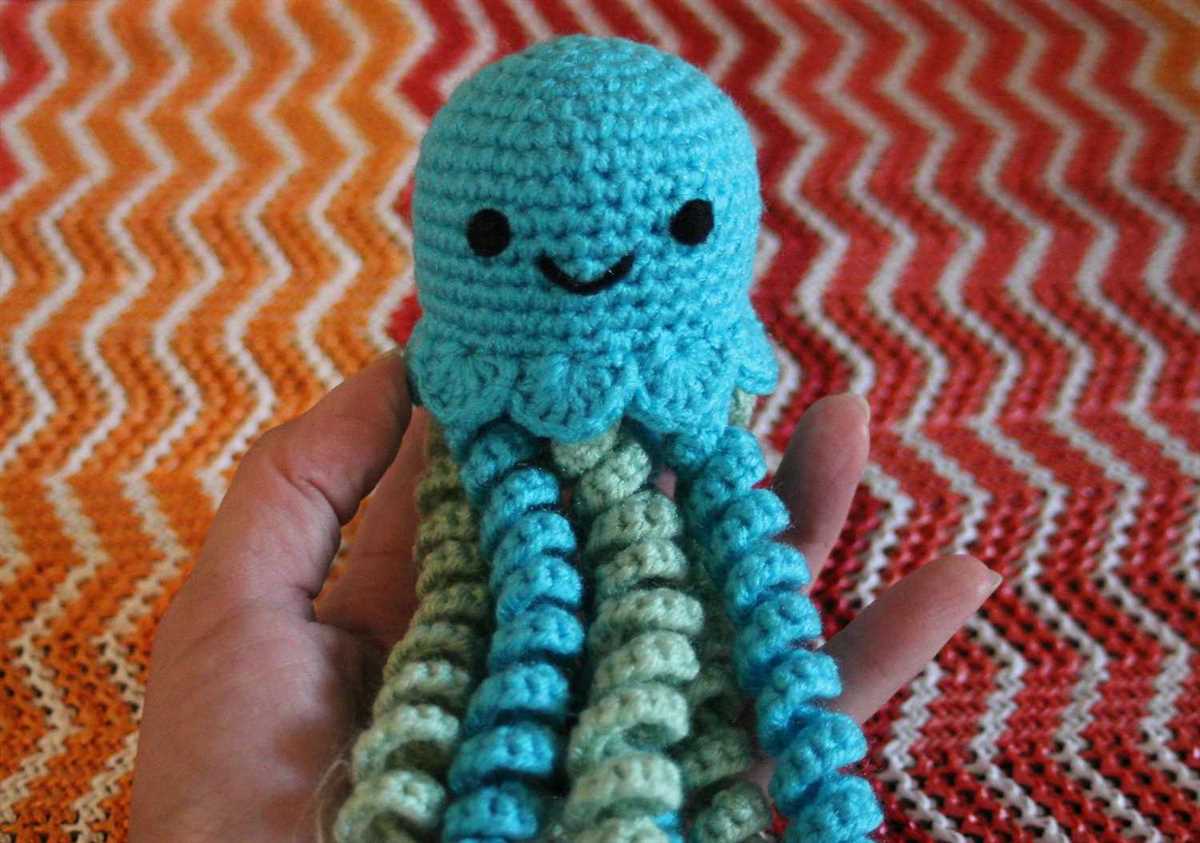
The use of preemie octopuses in neonatal units has become increasingly popular in recent years. These small, knitted toys provide comfort and support to premature babies during their time in the hospital. The unique design of the octopus, with its tentacles resembling the umbilical cord, helps to mimic the soothing environment of the womb.
Reduces stress and promotes development
Research has shown that preemie octopuses can help reduce stress levels in premature babies. The soft texture and gentle touch of the toy can provide a sense of security and comfort, which can be especially important for infants who are separated from their mothers or are in isolation. This can result in more stable heart rates and improved breathing patterns.
Furthermore, the use of preemie octopuses can aid in the development of fine motor skills. Babies are naturally drawn to the octopus tentacles and often grasp and explore them. This helps to promote hand-eye coordination and strengthens their grip, which is crucial for future feeding and self-feeding.
Provides a sense of companionship
Being in the hospital can be a lonely and overwhelming experience, especially for premature babies. The presence of a preemie octopus can provide a sense of companionship and comfort, making the hospital environment feel less intimidating. The octopus becomes a familiar and safe object for the babies to interact with, helping them to feel more at ease.
Moreover, preemie octopuses can also serve as a source of emotional support for parents. Seeing their baby interact with the toy and derive comfort from it can be a reassuring and heartwarming sight. It can help ease parents’ worries and provide them with a sense of hope and joy during a challenging time.
In conclusion, preemie octopuses play an important role in the care and well-being of premature babies. They contribute to reducing stress levels, promoting development, and providing a sense of companionship. The knitted toys have become a cherished and valuable resource in neonatal units, bringing comfort and support to both babies and their families.
Materials needed for knitting a preemie octopus

If you are interested in knitting a preemie octopus, there are a few materials that you will need to get started. These materials will help you create a soft and comforting toy that is safe for premature babies.
To knit a preemie octopus, you will need the following:
- Yarn: Choose a soft and lightweight yarn that is suitable for babies. It is recommended to use 100% cotton or acrylic yarn, as these materials are hypoallergenic and easy to clean.
- Knitting needles: Select a set of knitting needles that match the recommended yarn weight. The size of the needles will depend on your personal knitting style and the desired gauge of the project.
- Tapestry needle: This needle will be used for weaving in the loose ends of yarn and assembling the octopus.
- Stuffing: You will need a filling material, such as polyester fiberfill or cotton stuffing, to fill the body of the octopus. Make sure it is soft and safe for babies.
- Scissors: A pair of sharp scissors will be essential for cutting the yarn and trimming any excess threads.
These are the basic materials needed for knitting a preemie octopus. Additionally, you may want to have stitch markers, a row counter, and a tape measure on hand to help you keep track of your progress and ensure the correct size of the octopus.
Step-by-step instructions for knitting a preemie octopus
If you would like to knit a Preemie Octopus for a premature baby, follow these step-by-step instructions:
Materials you will need:
- Size 3mm knitting needles
- DK weight yarn in your chosen colors
- Tapestry needle for sewing up the octopus
- Fiberfill stuffing
Instructions:

- Begin by casting on 24 stitches using your chosen color of DK weight yarn.
- Work in a small stockinette stitch for the first 6 rows, knitting one row and purling the next.
- Switch to a contrasting color for the next 10 rows, continuing in stockinette stitch.
- Return to your original color and knit a few rows in stockinette stitch until you have a total of 24 rows.
- Decrease one stitch at each end of the next row, leaving you with 22 stitches.
- Repeat step 5 every second row until you have 8 stitches remaining.
- Continue knitting with these 8 stitches for another 4 rows.
- On the next row, decrease one stitch at each end, leaving you with 6 stitches.
- Knit these 6 stitches for another 4 rows.
- Next, increase one stitch at each end of the next row, leaving you with 8 stitches.
- Continue knitting with these 8 stitches for another 4 rows.
- Repeat steps 9-11 three more times, increasing and knitting 4 rows on each section, until you have a total of 32 stitches.
- Knit another 4 rows with these 32 stitches.
- Bind off all stitches.
- Thread your tapestry needle with yarn and sew up the bottom of the octopus, leaving a small opening for stuffing.
- Stuff the octopus with fiberfill until it is firm but still soft.
- Sew up the remaining opening.
Once you have completed these steps, you will have a knitted Preemie Octopus ready to provide comfort and support to a premature baby. Remember to always use soft materials and avoid any loose or small parts that could be a choking hazard.
Tips for successful knitting
Knitting can be a rewarding and relaxing hobby, but it can also be frustrating if you encounter difficulties along the way. Here are some tips to help you achieve successful knitting results:
1. Choose the right needles and yarn

Using the appropriate needles and yarn for your project is crucial for achieving the desired outcome. Consider the recommended needle size and yarn weight specified in the pattern, and make sure to match them as closely as possible. Using the wrong size needles can result in a finished project that is too tight or too loose.
2. Make a gauge swatch
Before starting your project, it’s important to make a gauge swatch to ensure that your tension matches the pattern. A gauge swatch is a small sample piece that allows you to measure your stitches and rows per inch. If your tension doesn’t match the pattern, you may need to adjust your needle size or yarn weight to achieve the correct gauge.
3. Read and follow the pattern carefully
When knitting from a pattern, it’s essential to read and understand the instructions before you begin. Take note of any abbreviations or special techniques mentioned in the pattern, and make sure to follow them precisely. It can be helpful to highlight or mark your progress in the pattern to keep track of where you are.
4. Practice good tension control
Consistent tension is key to creating even and professional-looking stitches. To achieve good tension, try to relax and avoid pulling the yarn too tightly or loosely. Experiment with different wrapping styles and holding techniques to find a comfortable and consistent method that works for you.
5. Take breaks and rest your hands
Knitting for long periods can lead to hand fatigue and strain. It’s important to take regular breaks and stretch your hands and fingers to prevent injury. If you start to feel pain or discomfort, listen to your body and allow yourself time to rest. Pacing yourself and taking breaks will ultimately lead to a more enjoyable knitting experience.
- Choose the right needles and yarn
- Make a gauge swatch
- Read and follow the pattern carefully
- Practice good tension control
- Take breaks and rest your hands
How to properly stuff a preemie octopus

In the world of knitting, making preemie octopuses has become a popular and meaningful way to support premature babies in neonatal units. These small, soft toys can provide comfort and a sense of security to these tiny beings. However, stuffing the octopuses properly is crucial to ensure their safety and effectiveness.
Choose the right stuffing material: When it comes to stuffing a preemie octopus, it’s essential to choose a hypoallergenic and washable material. Polyester fiberfill or toy stuffing is a common choice that provides a soft and lightweight texture. Ensure that the filling doesn’t contain any small, hard particles that could pose a choking hazard.
Distribute the stuffing evenly: To create a well-shaped and huggable octopus, it’s important to distribute the stuffing evenly throughout its body. Start by gently stuffing the head and tentacles, making sure to reach the tips to ensure they are well-rounded. Avoid overstuffing, as it can make the toy too firm and less comforting for the baby.
Securely close the stuffing opening: After filling the preemie octopus, it’s crucial to securely close the opening to prevent the stuffing from coming out. Use an invisible stitch or a sewing machine to carefully sew the opening shut. Double-check for any loose threads or potential openings that could allow the stuffing to escape.
Regularly inspect the octopus: It’s important to inspect the preemie octopus regularly to ensure that the stuffing remains intact and in place. If any signs of wear or damage are detected, it’s essential to replace or repair the toy to maintain its safety and efficacy.
In conclusion, properly stuffing a preemie octopus is a key step in creating a safe and comforting toy for premature babies. By choosing the right stuffing material, distributing it evenly, securely closing the opening, and regularly inspecting the octopus, you can ensure that these knitted toys bring joy and comfort to those who need it most.
Safety precautions while working with preemie octopuses
When creating or handling preemie octopuses, it is important to prioritize safety to ensure the well-being of both the crafter and the recipient. Here are some safety precautions to keep in mind:
1. Materials:
Use baby-safe materials to create the octopuses. Make sure to choose yarn that is soft, hypoallergenic, and free from any loose threads or fibers that could pose a choking hazard to the preemie. It is also recommended to use natural fibers, such as cotton or bamboo, to reduce the risk of allergic reactions.
2. Clean working environment:
Before starting to work on the preemie octopuses, ensure that your workspace is clean and free from any dust, dirt, or other potential contaminants. Wash your hands thoroughly and make sure your tools, such as knitting needles or crochet hooks, are clean and sanitized.
3. Size and shape:
Follow the pattern instructions carefully to ensure that the size and shape of the octopuses are appropriate for preemies. Avoid using any small parts or embellishments that could easily detach and become a choking hazard. Keep in mind that the octopus should be soft and cuddly, without any sharp or hard edges.
|h3>4. Quality control:
Regularly inspect the octopuses for any signs of wear and tear, loose parts, or unraveling stitches. If you notice any issues, it is important to repair or replace the octopus to maintain its safety. Make sure to provide care instructions to the recipient, emphasizing the need to regularly check the octopus’s condition and contact you if any concerns arise.
5. Proper storage and care:
Encourage the recipient to follow the recommended care instructions to keep the preemie octopus clean and safe. This may include handwashing with mild detergent, avoiding excessive heat or sunlight exposure, and storing the octopus in a clean and dry place when not in use. Regularly reinforce the importance of safety precautions to both the crafters and recipients to ensure a positive and secure experience with the preemie octopuses.
How to donate knitted preemie octopuses
If you have a talent for knitting and would like to contribute to a good cause, consider donating knitted preemie octopuses. These small, stuffed toys are designed specifically for premature babies in neonatal intensive care units (NICUs) to provide comfort and support during their stay. These octopuses are believed to simulate the feel of the umbilical cord, providing a sense of security to premature babies and reducing their stress levels.
To donate knitted preemie octopuses, there are a few steps you can follow:
- Find a reputable organization: Start by researching organizations or hospitals that accept donations of knitted preemie octopuses. Look for organizations that have established programs and guidelines for these donations, ensuring that your contribution will make a difference to the babies in need.
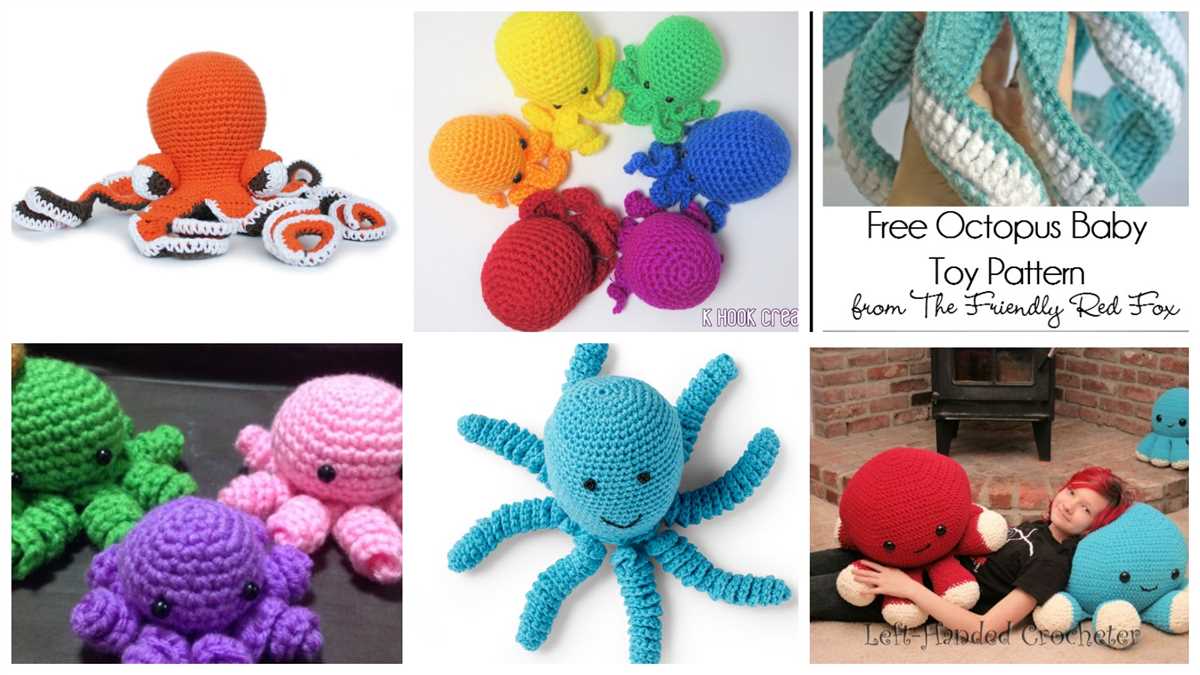
- Get the pattern: Look for a knitting pattern specifically designed for preemie octopuses. These patterns are available online for free, and they usually include specific instructions on the size, type of yarn, and recommended stitches to use.
- Choose suitable materials: Select soft and hypoallergenic yarn that is safe for the delicate skin of premature babies. It’s important to follow the guidelines provided by the organization or hospital regarding the type of yarn and stuffing to use.
- Start knitting: Once you have the pattern and materials, start knitting preemie octopuses following the instructions provided. Pay attention to detail and ensure that your stitches are tight and secure, as the toys need to withstand frequent cleaning and handling.
- Complete and sanitize: Once you finish knitting the octopuses, make sure to securely tie off any loose ends. It’s important to thoroughly sanitize the toys before donating them, as they will be given to vulnerable babies. Follow the instructions provided by the organization or hospital regarding the cleaning process.
- Contact the organization: Get in touch with the organization or hospital to coordinate the donation. They may have specific drop-off locations or instructions on how to send the knitted octopuses to ensure they reach the babies in need.
- Spread the word: Encourage others to join this meaningful cause by sharing information about the donation opportunity through social media, knitting groups, or local community organizations. The more people who contribute, the more premature babies can benefit from these comforting toys.
By donating knitted preemie octopuses, you can make a positive impact on the lives of premature babies and their families. Your contribution will provide comfort and support during a critical time, helping these babies thrive and grow.
Success stories of preemie octopuses
Since the introduction of knitted preemie octopuses, they have been bringing comfort and joy to premature babies in hospitals worldwide. These crocheted creatures have become more than just toys, they have become symbols of hope and strength for both the babies and their families.
One success story comes from a hospital in Australia, where a premature baby named Lily was struggling to adjust to her new environment. The medical team decided to introduce a knitted octopus to her incubator, and the results were remarkable. Lily began to grasp onto the octopus’s tentacles, providing her with a sense of security and comfort. Her heart rate stabilized, and she was able to gain weight more quickly. Today, Lily is a thriving toddler, and her family credits the preemie octopus for playing a significant role in her recovery.
The Knitted Octopus Project:
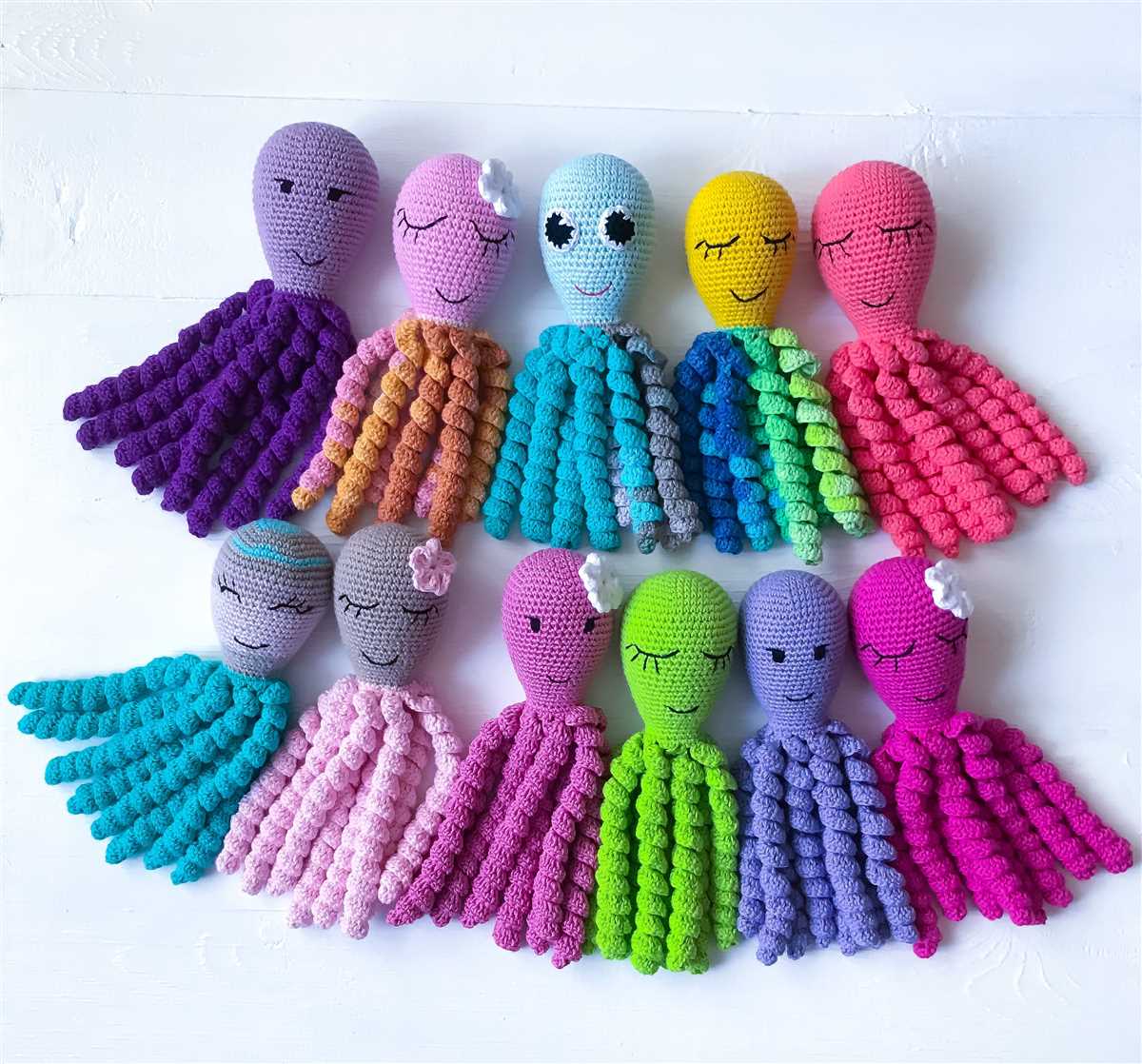
Another success story comes from Denmark, where a group of dedicated volunteers started the Knitted Octopus Project. These individuals spend their free time knitting and crocheting octopuses for premature babies in local hospitals. The project has gained tremendous support, with hundreds of octopuses being donated each month. The positive impact of these knitted toys has been evident in the hospitals, with staff reporting improved sleep patterns, reduced agitation, and increased weight gain in the preemie babies who receive them.
The Knitted Octopus Project has expanded beyond Denmark and has reached hospitals in countries like the UK, US, and Canada. It has become a global movement, with knitters around the world joining forces to provide comfort to premature babies. The success stories continue to pour in, demonstrating the power of these small, handmade octopuses to make a big difference in the lives of these vulnerable little ones.
Frequently asked questions about knitting preemie octopuses
In this section, we will address some common questions related to knitting preemie octopuses. If you are new to this craft or have some doubts, the following information will help clear them up.
1. What is a preemie octopus?
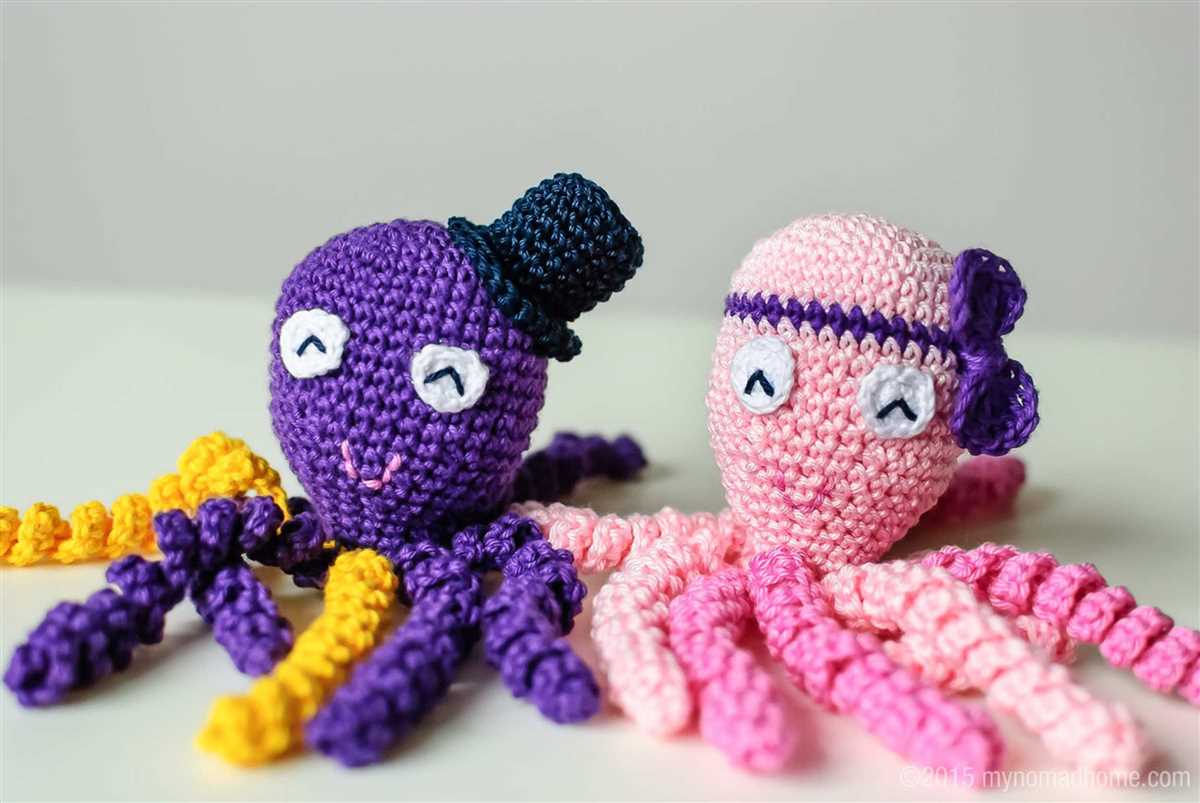
A preemie octopus is a small stuffed toy, usually knitted, designed to provide comfort and support to premature babies in neonatal intensive care units (NICUs). The tentacles of the octopus are believed to mimic the umbilical cord and create a soothing environment reminiscent of the womb.
2. How do I choose the right pattern?
When choosing a pattern for knitting preemie octopuses, it is important to look for designs that meet the safety guidelines specified by hospitals. These guidelines usually recommend using cotton yarn, ensuring the octopus is tightly knitted to prevent fiber shedding, and avoiding the use of buttons or other small parts that could pose a choking hazard.
3. Are there specific yarns I should use?
It is generally recommended to use 100% cotton yarn when knitting preemie octopuses. Cotton is a breathable and hypoallergenic material that is less likely to cause skin irritation in delicate newborns. Acrylic yarns or blends may be more prone to shedding, which can be harmful to the babies.
4. How should I wash the preemie octopus?
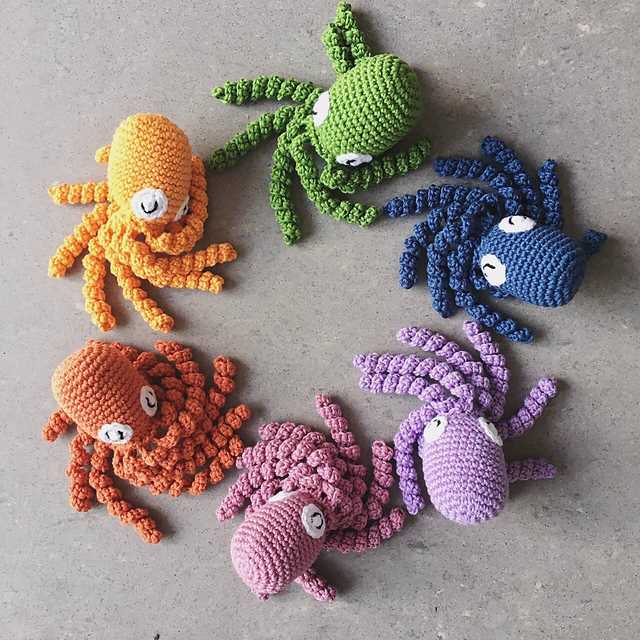
To keep the preemie octopus clean and hygienic, it is important to follow the washing instructions provided by the hospital or the pattern you are using. Typically, this involves washing the octopus in warm water using a gentle detergent, rinsing thoroughly, and allowing it to air dry. It is advisable to use a laundry bag or a pillowcase to protect the octopus during machine washing.
5. Can I donate my knitted preemie octopuses?
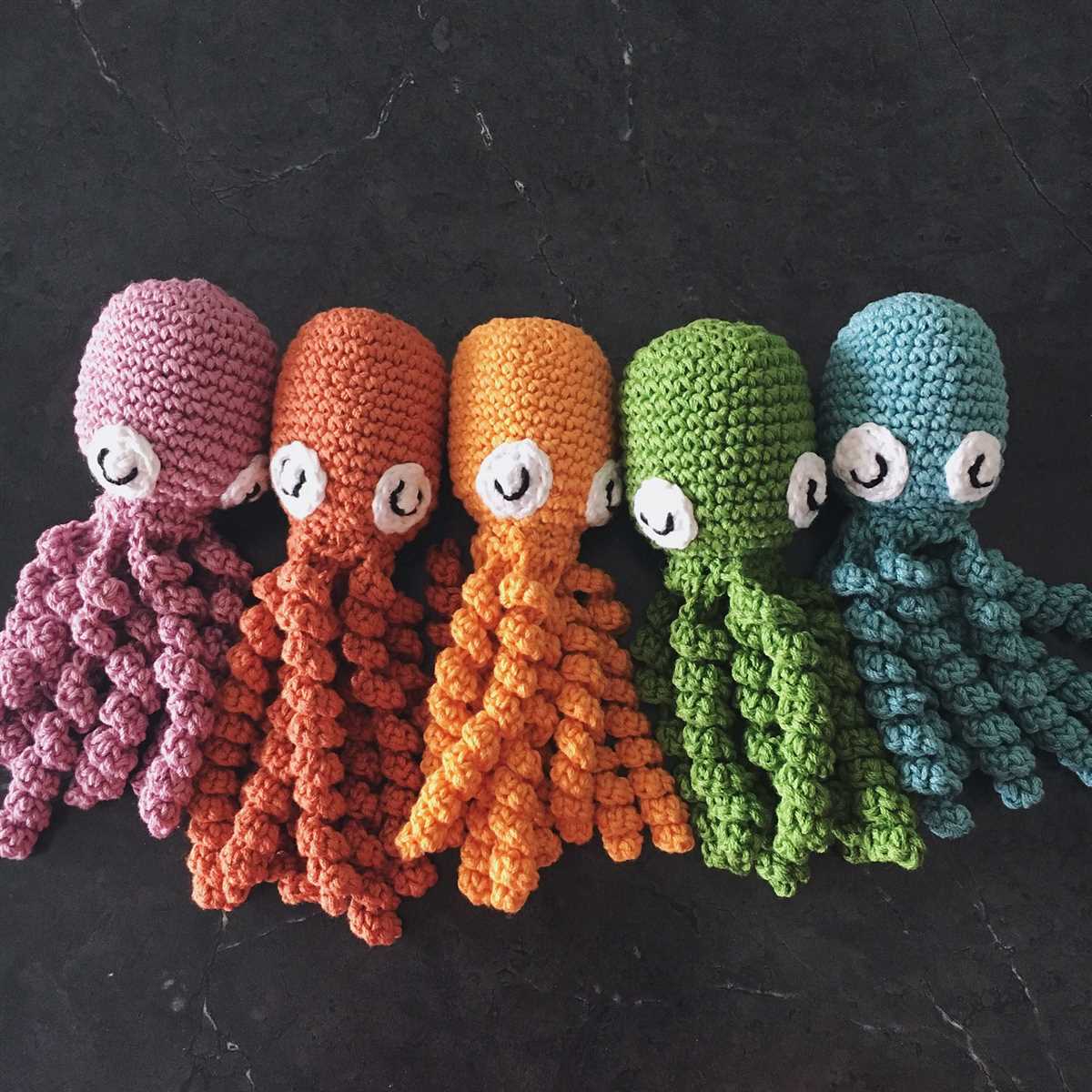
Absolutely! Many hospitals and organizations accept donations of knitted preemie octopuses to distribute to their NICU units. Before donating, it is best to contact your local hospitals or charities to understand their specific requirements and guidelines for donations. They may have specific patterns, color preferences, or other guidelines to ensure the safety and suitability of the octopuses for the babies.
- In summary, knitting preemie octopuses can be a rewarding and meaningful craft. Always prioritize the safety and well-being of the babies when choosing patterns, yarns, and cleaning methods. Donating your creations can help bring comfort to premature babies and their families during their time in the NICU.
Final thoughts on knitted preemie octopus pattern

Knitting a preemie octopus using the knitted preemie octopus pattern can be a rewarding and fulfilling experience. Not only does it provide a way to give back and support premature babies, but it also allows knitters to showcase their skills and create something special for the little ones.
The knitted preemie octopus pattern offers both beginners and advanced knitters the opportunity to contribute to a good cause. The pattern is relatively simple and easy to follow, making it accessible to knitters of all levels. However, there is also room for creativity and personalization, allowing knitters to add their unique touch to each octopus.
By creating knitted preemie octopuses, knitters can provide comfort and solace to premature babies in a way that is both soft and safe. The tentacles of the octopus resemble the umbilical cord, which can help soothe and calm babies, providing them with a sense of security during their stay in the hospital.
Additionally, knitted preemie octopuses can also serve as a reminder to parents and families that they are not alone. The octopuses act as a symbol of support, reminding families that there are others who care and are rooting for the well-being and growth of their little ones.
In conclusion, the knitted preemie octopus pattern is a wonderful way for knitters to give back and make a difference in the lives of premature babies and their families. Whether you are an experienced knitter or just starting out, consider picking up your knitting needles and creating a knitted preemie octopus to provide comfort, joy, and support to those who need it most.
Q&A:
Where can I find a knitted preemie octopus pattern?
You can find knitted preemie octopus patterns on various websites, such as Ravelry, Etsy, and LoveCrafts. Many knitting blogs also offer free patterns for these adorable creatures.
What size should a knitted preemie octopus be?
A knitted preemie octopus should be around 4 to 6 inches tall. This size is recommended to ensure that it is safe for premature babies to use and cuddle.
What materials do I need to knit a preemie octopus?
To knit a preemie octopus, you will need a small amount of soft yarn, such as cotton or acrylic, in various colors. You will also need knitting needles in an appropriate size, usually around US size 5 or 6. Optional materials include stuffing, safety eyes, and a yarn needle for sewing and finishing.
Can I modify the pattern to make a larger octopus?
Yes, you can modify the pattern to make a larger octopus. Simply use bulkier yarn and larger needles to create a bigger toy. Keep in mind that if you are making it for premature babies, you should stick to the recommended size for safety reasons.
Are there any specific knitting techniques I need to know to make a preemie octopus?
The basic knitting techniques you will need to know to make a preemie octopus include casting on, knitting and purling stitches, increasing and decreasing stitches, and binding off. Some patterns may also include more advanced techniques, such as working in the round or using basic colorwork.