Converting Knitting Patterns for Different Sizes

Knitting is a timeless craft that allows us to create beautiful and functional garments. Whether you’re a beginner or an experienced knitter, one common challenge is converting knitting patterns to fit different sizes. Many patterns come in a specific size, but what if you want to make the same design for someone who is smaller or larger? That’s when understanding knitting pattern size conversion becomes crucial.
Knitting pattern size conversion involves adjusting the pattern’s instructions to create a garment that fits a different size than the one specified. It requires some basic math skills and an understanding of garment construction. By making changes to the number of stitches, rows, and measurements, you can create a perfectly fitting garment for anyone.
Understanding knitting pattern size conversion is especially useful for those who like to personalize their knitting projects or want to knit for others. It allows you to take your favorite pattern and adapt it to fit different body types, ensuring a perfect fit every time. With a few simple calculations and measurements, you can create custom-made garments that are comfortable and flattering.
Knitting Pattern Size Conversion

When following a knitting pattern, it is important to understand how to convert the sizes if needed. Knitting patterns often provide instructions for multiple sizes, but the sizes may not always match the measurements of the person you are knitting for. This is where size conversion comes in.
Understanding the Pattern
Before attempting to convert sizes, it is essential to understand the original pattern and its measurements. The pattern will usually include a size chart or instructions on how to measure. Take note of the key measurements such as bust, waist, and hip circumference, as well as the finished measurements of the garment.
Size Conversion Formula
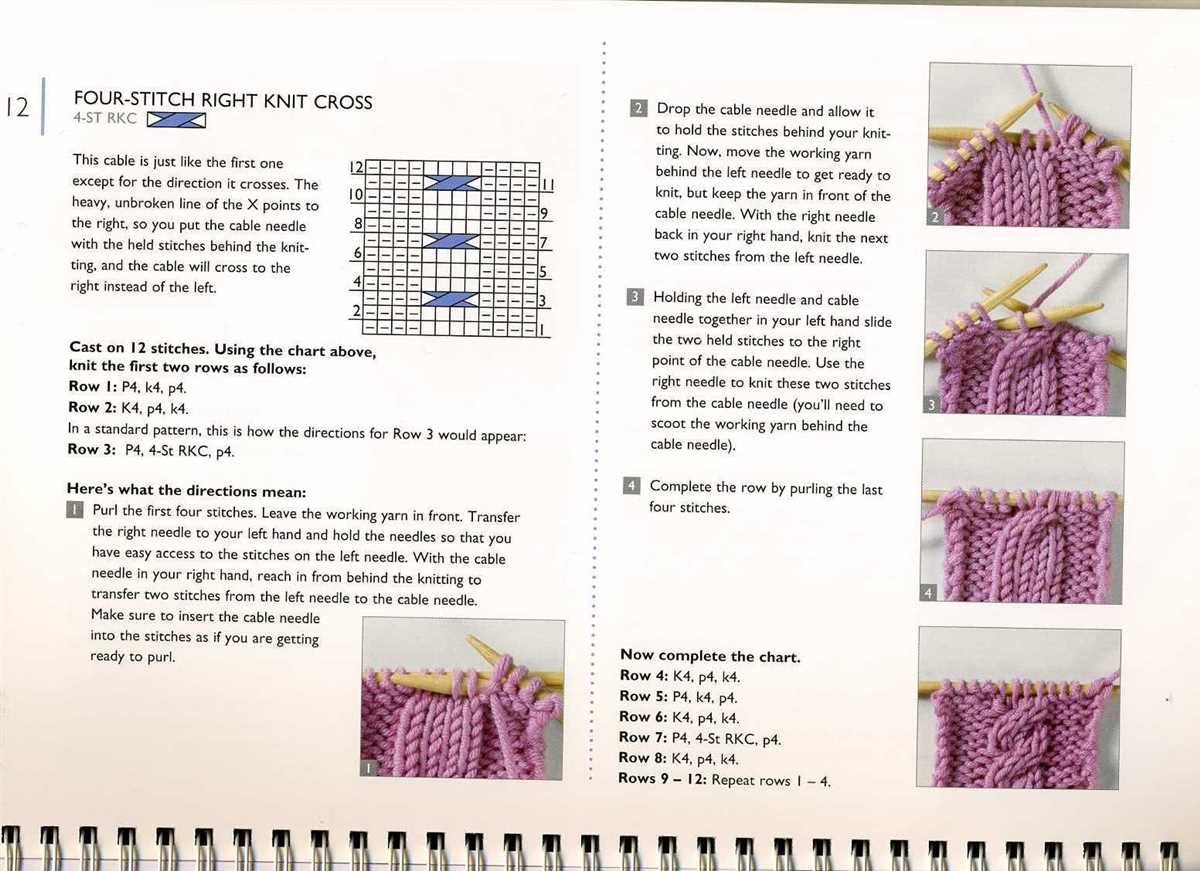
The size conversion formula will depend on the specific pattern and the desired size. Usually, the pattern will provide a gauge, which is the number of stitches and rows per inch. By comparing the gauge to the desired measurements, you can calculate the necessary adjustments.
To convert the pattern to a different size, you will need to determine how many stitches or rows are needed for each measurement. For example, if the pattern calls for 20 stitches per 4 inches of bust circumference, and you need a bust circumference of 36 inches, you would calculate 36 divided by 4 (the original measurement) which equals 9. Then, multiply 9 by the number of stitches per inch (in this case, 20) to get 180 stitches.
Repeat this calculation for each measurement, and make adjustments accordingly. Be sure to check the sizing chart provided in the pattern to ensure that the converted measurements align with the desired size.
By understanding the pattern, using the correct size conversion formula, and making careful calculations, you can confidently adapt a knitting pattern to any desired size.
Understanding Knitting Sizes
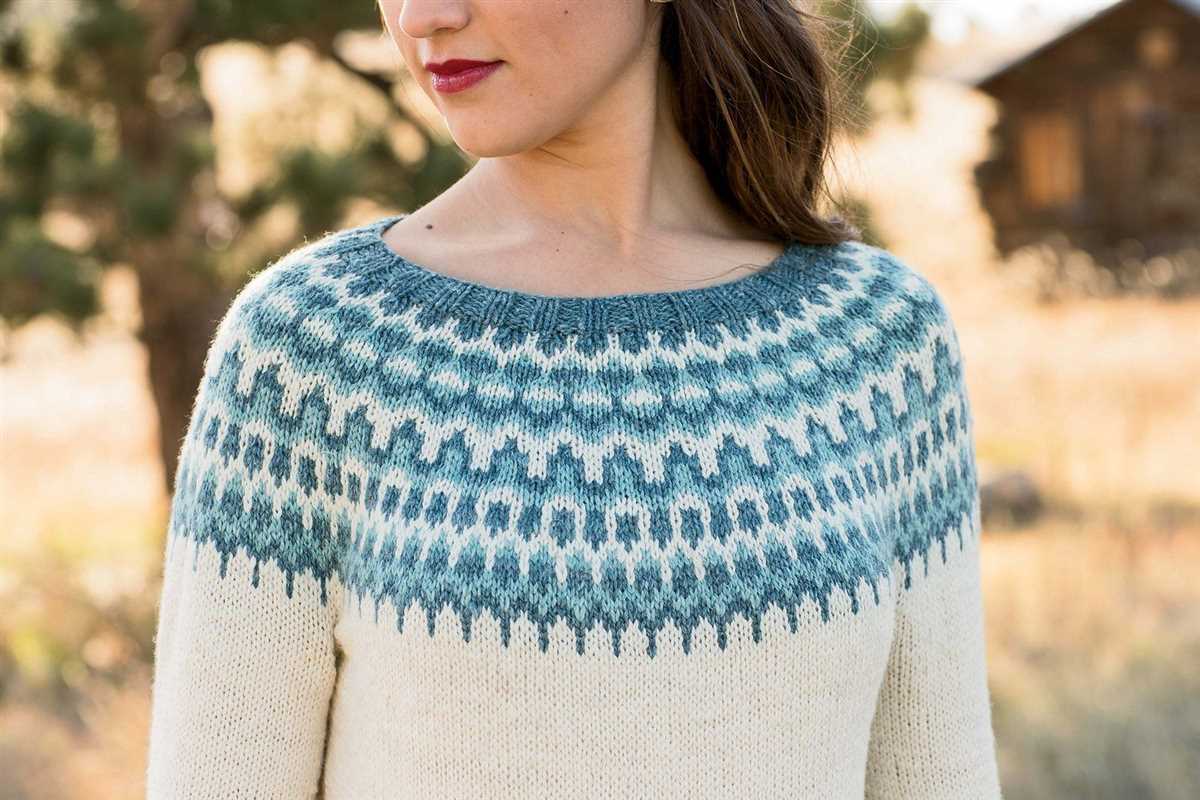
When it comes to knitting, understanding sizes is important to ensure that your finished project fits properly. Knitting patterns often come with different size options, and it’s crucial to know how to convert them correctly.
1. Taking Measurements
The first step in understanding knitting sizes is to take accurate measurements of the person who will be wearing the finished garment. This includes measuring the bust, waist, hip, arm length, and other relevant areas. By having these measurements on hand, you can compare them to the sizing chart provided in the knitting pattern and select the appropriate size to knit.
2. Converting Sizes
If you find that the knitting pattern you want to use doesn’t have the exact size you need, you can convert the pattern to fit your measurements. This involves some simple math to adjust the stitch and row counts. You can also make modifications to the pattern by adding or subtracting stitches to achieve the desired size.
3. Understanding Ease
Ease refers to the difference between the measurements of the finished garment and the measurements of the person wearing it. There are three types of ease: negative ease (where the finished garment is smaller than the body measurement), zero ease (where the garment matches the body measurement), and positive ease (where the garment is larger than the body measurement). Understanding ease is crucial when choosing the right size for your knitting project.
4. Checking Gauge
Gauge is the number of stitches and rows in a specific measurement. It is essential to check the gauge mentioned in the knitting pattern to ensure that your stitches match the required measurements. Adjusting your needle size or tension can help achieve the correct gauge and ultimately the right size for your project.
5. Swatching
Before starting your knitting project, it’s always a good idea to create a swatch. By knitting a small sample of the pattern, you can check if you are achieving the correct gauge and make any necessary adjustments before knitting the entire garment. Swatching helps ensure that your final piece will be the correct size and fit.
Conclusion
Understanding knitting sizes is an essential part of successfully completing any knitting project. By taking accurate measurements, converting sizes if necessary, considering ease, checking gauge, and swatching, you can ensure that your finished garment fits perfectly and is a joy to wear.
Why Size Conversion is Important

When it comes to knitting patterns, size conversion plays a crucial role in ensuring that the finished garment fits correctly. Knitting patterns often come in a specific size, such as small, medium, or large. However, these sizes can vary greatly depending on the brand or designer. That’s why it’s important to understand how to convert knitting patterns to suit your desired size.
Accurate Fit: Proper size conversion ensures that the finished garment fits you or the intended recipient perfectly. This is especially important when knitting garments that require precise measurements, such as sweaters or cardigans. By converting the pattern to the appropriate size, you can avoid ending up with a garment that is too tight or too loose.
Customization: Size conversion allows you to customize a knitting pattern to your specific measurements. Everyone’s body is unique, and by converting the pattern, you can ensure that the garment is tailored to your individual size and shape. This allows for a more personalized and comfortable fit.
Pattern Availability: Not all knitting patterns are available in every size. By knowing how to convert knitting patterns, you can open up a wider range of options and have access to a larger selection of patterns. This means you won’t be limited to knitting patterns that only come in your size, giving you more creative freedom in your knitting projects.
International Patterns: Knitting patterns can come from various countries, and each may have their own sizing standards. Being able to convert knitting patterns allows you to work with patterns from different regions and adapt them to your desired size. This is especially beneficial if you enjoy knitting patterns from international designers or want to explore different knitting styles from around the world.
In conclusion, size conversion in knitting patterns is crucial for achieving an accurate fit, allowing for customization, expanding pattern availability, and working with international patterns. By understanding how to convert knitting patterns to suit your desired size, you can ensure that the finished garment fits perfectly and meets your individual preferences.
Converting Knitting Patterns from Metric to Imperial

When knitting patterns are originally written in metric measurements, it can be a bit challenging for those who are more familiar with the imperial system. However, with a few simple conversions, it is possible to easily translate these patterns into the desired measurements. Here are some steps to help you convert knitting patterns from metric to imperial.
Step 1: Understand the Conversion

Before you can begin converting your knitting patterns from metric to imperial, it’s important to understand the conversion factors. The key conversion factor for length is 1 inch equals 2.54 centimeters. For weight, 1 ounce equals 28.35 grams.
Step 2: Convert Needle Sizes and Gauge

One of the first things you’ll need to convert is the needle size. Most knitting patterns provide both the metric and imperial size, but if yours only has the metric measurement, you’ll need to convert it. For example, a metric size 4mm needle is roughly equivalent to a US size 6 needle. You can find conversion charts online to help you identify the imperial size.
In addition to needle sizes, you’ll also need to convert the gauge of the pattern. Gauge refers to the number of stitches and rows per inch. If the pattern provides the metric gauge (e.g., 22 stitches and 30 rows per 10 centimeters), you’ll need to calculate the equivalent imperial gauge. Simply multiply the metric gauge by the conversion factor for length (2.54) to get the stitches and rows per inch.
Step 3: Adjust Measurements

Finally, you’ll need to adjust the measurements in the pattern to match your desired size. This may involve converting centimeters to inches for garment dimensions or grams to ounces for yarn quantities. Using the conversion factors mentioned earlier, you can easily make the necessary adjustments.
By following these steps, you’ll be able to convert knitting patterns from metric to imperial without any difficulty. Just remember to double-check your conversions and measurements to ensure accuracy. Happy knitting!
Converting Knitting Patterns from Imperial to Metric

Knitting patterns are often written using imperial measurements, such as inches and ounces. However, if you prefer to use metric measurements, it is important to know how to convert these imperial measurements to metric ones. This way, you can easily follow any knitting pattern, regardless of the measurement system it uses.
When converting knitting patterns from imperial to metric, you will need to convert measurements of length, width, and weight. For length measurements, one inch is equivalent to 2.54 centimeters. So, if a pattern instructs you to knit a piece that is 10 inches long, you would need to convert it to 25.4 centimeters.
To convert width measurements, such as stitch counts, you can use the same conversion factor of 2.54 centimeters per inch. For example, if a pattern requires you to cast on 50 stitches, you would need to cast on 127 centimeters if using metric measurements.
When it comes to converting weight measurements, ounces can be converted to grams. One ounce is equivalent to approximately 28.3 grams. If a knitting pattern specifies that you need 4 ounces of yarn, you would need to use approximately 113 grams of yarn when working in metric.
By understanding how to convert knitting patterns from imperial to metric measurements, you can confidently work with patterns from different sources and ensure your projects turn out the right size. Remember to always double-check your conversions and make adjustments as needed to achieve the desired results.
Using Knitting Pattern Size Charts

When following a knitting pattern, it is important to ensure that the finished garment will fit correctly. Knitting pattern size charts provide valuable information on the sizes and measurements for different parts of the body, helping you select the right size to work on. These charts typically include measurements for the bust, waist, and hip, as well as the length of the garment. By referring to the chart and comparing it with your own measurements, you can make adjustments or choose the appropriate size to achieve a perfect fit.
One way to use a knitting pattern size chart is to find the size that corresponds to your bust measurement. Start by measuring the fullest part of your bust and then locate that measurement on the chart. The chart will usually provide a range of sizes, so you may need to select the size that is closest to your measurement. It is important to note that knitting patterns often include ease, which is the amount of additional room built into the garment for a comfortable fit. Consider the amount of ease specified in the pattern and choose a size accordingly.
Another important measurement to consider is the waist measurement. Locate your waist measurement on the knitting pattern size chart and choose the corresponding size. This will ensure that the knitted garment fits comfortably around the waist without being too tight or loose. Similarly, you can use the hip measurement provided on the chart to select the right size for a good fit around the hips.
It is also helpful to pay attention to the length measurements provided on the knitting pattern size chart. This will give you an idea of how long the finished garment will be. If you prefer a longer or shorter length, you can make adjustments to the pattern accordingly. Additionally, the chart may include information on the length of sleeves or other details, allowing you to customize the pattern to your desired specifications.
By using knitting pattern size charts, you can confidently select the right size and make adjustments as needed to ensure a well-fitting and flattering finished garment. These charts serve as a valuable tool in achieving knitting success and creating personalized and comfortable garments.
Tips for Adjusting Knitting Patterns to Fit Different Sizes
When it comes to knitting, following a pattern is a great way to ensure that your project turns out just right. However, not all patterns are designed to fit every size. If you find a pattern you love but it’s not in your desired size, don’t worry! Here are some tips for adjusting knitting patterns to fit different sizes.
1. Gauge is Key
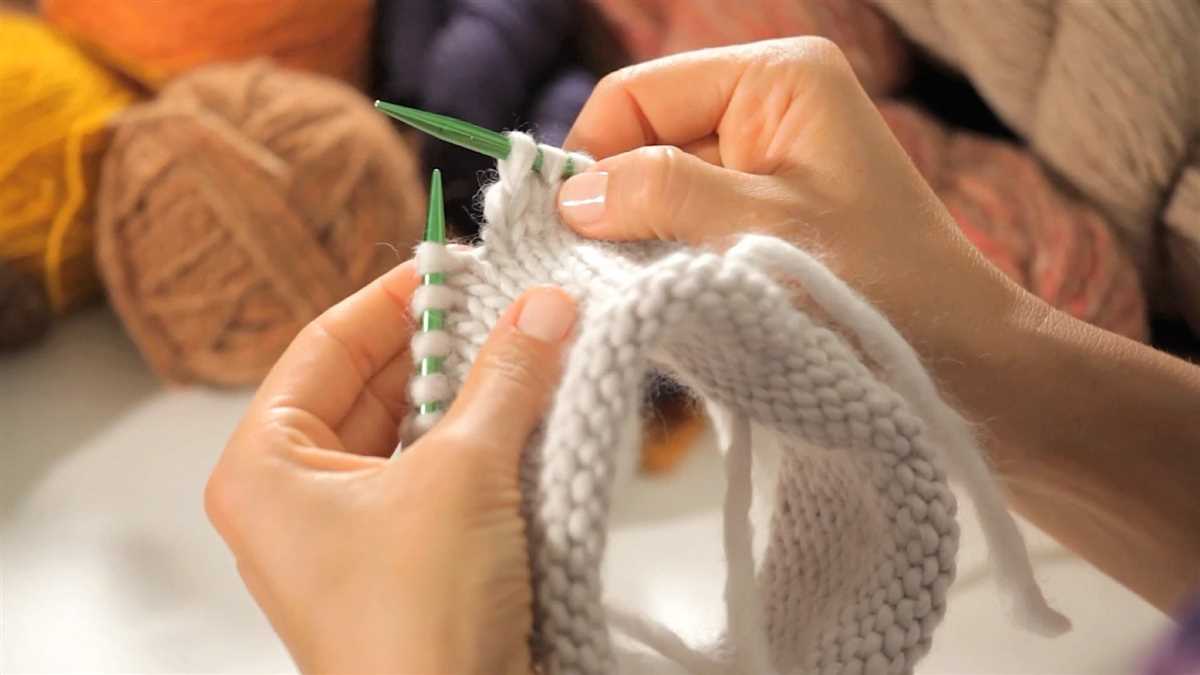
Before you start making any adjustments, it’s important to knit a swatch and check your gauge. Different yarns and needles can result in variations in tension, so it’s crucial to match the gauge specified in the pattern. If your gauge is off, it can affect the overall fit of your finished garment.
2. Use the Measurements

Take accurate measurements of the person you’re knitting for, including bust, waist, hip, and arm circumference, as well as the desired garment length. Compare these measurements to the size chart provided in the pattern. If there is no size chart, use your gauge swatch and some basic math to calculate the number of stitches and rows needed to achieve the desired size.
3. Adjusting Stitch Counts

If the pattern provides stitch counts for different sizes, you can simply follow the instructions for the size closest to the measurements you need and make minor adjustments as necessary. For example, if you’re working a sweater and need more stitches for the larger size, you can evenly distribute the additional stitches throughout the pattern.
4. Altering Decreases and Increases

In patterns that include shaping, such as raglan sleeves or waist shaping, you may need to adjust the number and placement of decreases or increases to achieve the right fit. Again, make sure to evenly distribute any changes to maintain the integrity of the pattern.
5. Adding or Removing Rows
If you need to adjust the length of a garment, you can add or remove rows before or after shaping sections. Keep in mind that this may also affect the amount of yarn required for the project.
Remember, adjusting knitting patterns to fit different sizes may require some trial and error. It’s always a good idea to make notes as you go along, so you can replicate your modifications if you plan to make the pattern again in the future. With these tips, you’ll be able to enjoy knitting your favorite patterns in the perfect size for you or your loved ones.
Common Knitting Pattern Sizing Issues

When working with knitting patterns, it is common to encounter sizing issues. These can arise due to differences in measurement systems, variations in gauge, and discrepancies between the intended fit and the final garment. Understanding and addressing these issues is important to ensure a successful knitting project.
Differences in Measurement Systems: Knitting patterns may use different measurement systems, such as inches or centimeters. It is crucial to correctly convert measurements to match the pattern’s specifications. This can be done by using a conversion chart or calculator to ensure accurate sizing.
Variations in Gauge: Gauge refers to the number of stitches and rows per inch or centimeter. Knitting with a different gauge than specified in the pattern can result in a garment that is either too large or too small. To avoid this issue, it is important to swatch and measure your gauge before starting the project. Adjusting your needle size or yarn weight can help achieve the correct gauge and sizing.
Discrepancies Between Intended Fit and Final Garment: The intended fit of a knitting pattern might not align with your preferences or body shape. Some patterns may have a loose or relaxed fit, while others are more fitted. It is essential to consider your body measurements and desired fit when choosing a size and making adjustments to the pattern. Making modifications to the pattern, such as adding or removing stitches, can help achieve a better fit.
By addressing these common sizing issues, knitters can ensure that their finished projects fit well and meet their expectations. Taking the time to understand and adapt patterns to individual measurements and preferences can lead to successful and satisfying knitting projects.
Converting Knitting Patterns for Babies and Children

When it comes to knitting patterns for babies and children, it’s important to ensure that the sizes are adjusted correctly. Babies and children come in all shapes and sizes, so it’s essential to have a pattern that fits them perfectly. Converting knitting patterns for babies and children may seem daunting at first, but with a few simple steps, it can be easily done.
Understanding the Sizes: Before getting started with converting a knitting pattern, it’s important to have a clear understanding of the sizes. Most knitting patterns for babies and children come with size charts that indicate the measurements for each size. These charts typically include measurements for the chest, length, sleeve length, and sometimes even the head circumference. Make sure to take accurate measurements of the child before starting the conversion process.
Calculate Gauge and Adjustments: Once the measurements are taken, the next step is to calculate the gauge. Gauge refers to the number of stitches and rows per inch in a knitting pattern. By knitting a gauge swatch with the chosen yarn and needles, you can determine the number of stitches and rows needed to achieve the desired size. If the gauge doesn’t match the pattern’s gauge, adjustments will be necessary.
Converting Stitch Counts: When adjusting the stitch counts, it’s important to consider the ratio between the original size and the desired size. For example, if the desired size is 20% smaller than the original size, the stitch count should be reduced by 20%. Similarly, if the desired size is 30% larger than the original size, the stitch count should be increased by 30%. Keep in mind that altering the stitch count may also affect the pattern’s design, so careful consideration is necessary.
Modifying Lengths: In addition to adjusting the stitch counts, it may be necessary to modify the lengths of various parts of the knitting pattern. This can be done by adding or subtracting rows or rounds. For example, if the desired length is 10% longer than the original length, additional rows can be added accordingly. Similarly, if the desired length is 15% shorter, some rows can be omitted. Make sure to keep track of these modifications to ensure consistency throughout the project.
Test and Adjust: Once the adjustments are made, it’s important to test the modified pattern by knitting a small sample. This will help identify any further adjustments that may be needed before starting the actual project. Keep in mind that every knitting project is unique, and it takes practice to master the art of converting knitting patterns for babies and children. Don’t be afraid to make changes and experiment to achieve the perfect fit!
Converting Knitting Patterns for Plus Sizes
Knitting is a versatile craft that allows you to create unique pieces of clothing. However, finding patterns for plus-size garments can sometimes be a challenge. If you’re struggling to find patterns that fit your measurements, don’t worry! Converting knitting patterns for plus sizes is possible and can open up a whole new world of possibilities for your wardrobe.
When it comes to converting knitting patterns for plus sizes, there are a few key steps to follow:
- Know your measurements: Take accurate measurements of your bust, waist, hips, and any other areas that may affect the fit of your garment. This will help you determine the appropriate size to convert the pattern to.
- Choose the right size: Once you have your measurements, refer to the pattern’s size chart. Select the size closest to your measurements, keeping in mind that it’s easier to adjust a slightly larger garment than a smaller one.
- Adjust the pattern: Use your measurements to adjust the pattern accordingly. This may involve adding additional stitches or rows, modifying the shaping, or altering the length. Remember to take into account any stitch patterns or design elements in the original pattern.
- Test your gauge: Knit a gauge swatch using the yarn and needles specified in the pattern. Compare your gauge to the pattern’s gauge and make any necessary adjustments. This will help ensure that your finished garment will fit properly.
- Be open to modifications: Not all patterns are easily convertible to plus sizes, and that’s okay. Don’t be afraid to make modifications or even combine elements from different patterns to create a garment that fits and flatters your body shape.
Converting knitting patterns for plus sizes requires patience and practice, but the end result is well worth the effort. By following these steps and learning to make adjustments, you’ll be able to create beautiful garments that fit you perfectly and showcase your knitting skills.
Remember, knitting is all about creativity and self-expression. So embrace the challenge of converting patterns for plus sizes, and let your unique style shine through in every stitch!
Q&A:
What should I do if the knitting pattern I have is in a different size than the one I want to make?
If the knitting pattern you have is in a different size than the one you want to make, you can try to convert the pattern to your desired size. This can be done by adjusting the number of stitches and rows according to your gauge. You may also need to modify the shaping and measurements to fit your desired size.
How can I convert a knitting pattern from one size to another?
To convert a knitting pattern from one size to another, you will first need to know your gauge. Measure your gauge by knitting a swatch with the recommended yarn and needle size. Then, compare your gauge to the gauge listed in the pattern. You can adjust the number of stitches and rows to match your gauge, which will result in a different size. Additionally, you may need to make adjustments to the shaping and measurements to fit your desired size.
Can I convert a knitting pattern to a larger size?
Yes, you can convert a knitting pattern to a larger size. To do this, you will need to adjust the number of stitches and rows according to your gauge. You may also need to make adjustments to the shaping and measurements to fit the larger size. Keep in mind that converting a pattern to a larger size may require more yarn and take more time to complete.
Can I convert a knitting pattern to a smaller size?
Yes, you can convert a knitting pattern to a smaller size. To do this, you will need to adjust the number of stitches and rows according to your gauge. You may also need to make adjustments to the shaping and measurements to fit the smaller size. Keep in mind that converting a pattern to a smaller size may require less yarn and take less time to complete.
What if my gauge doesn’t match the gauge listed in the knitting pattern?
If your gauge doesn’t match the gauge listed in the knitting pattern, you will need to adjust the number of stitches and rows to match your gauge. This will result in a different size. You may also need to make adjustments to the shaping and measurements to fit your desired size. Keep in mind that changing the gauge may affect the final measurements and fit of the knitted garment.