Easy knitting pattern for towel toppers
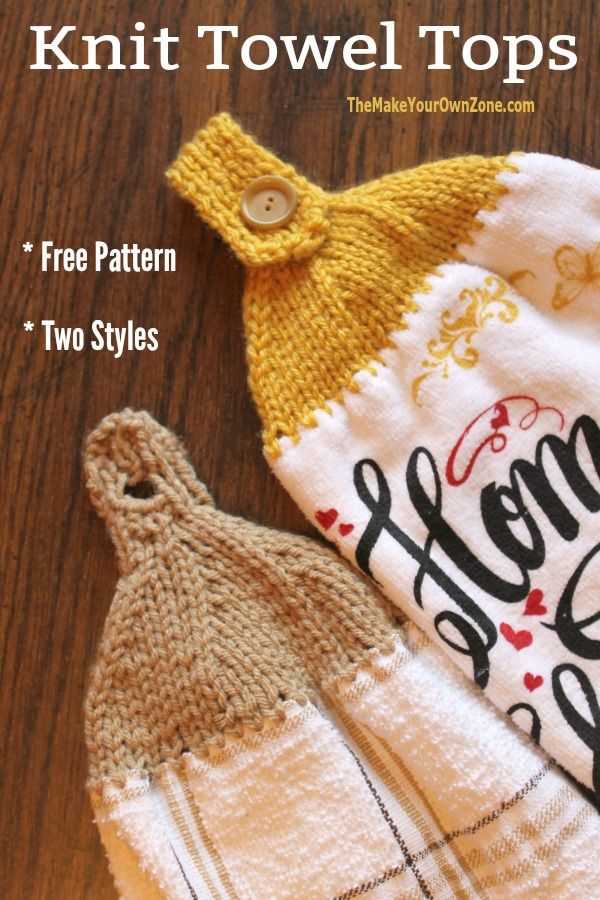
Knitted towel toppers are a wonderful way to add a touch of style and practicality to your kitchen or bathroom. These handy accessories keep your towels securely in place, preventing them from falling off the towel bar and ending up on the floor. Plus, they add a charming decorative element to your home.
Making your own knitted towel toppers is a fun and rewarding knitting project. Whether you’re a beginner or an experienced knitter, you can easily create beautiful towel toppers to match your kitchen or bathroom decor. In this article, we will provide you with a pattern for a basic knitted towel topper that you can customize to fit your own style.
To start, you will need a few basic knitting supplies, including yarn, knitting needles, and a tapestry needle. You can choose any type of yarn you like, but for best results, we recommend using a cotton yarn. Cotton is durable and absorbent, making it perfect for kitchen or bathroom use. Additionally, you will need a towel to attach your topper to. You can either choose a towel with a built-in loop or sew on a loop yourself.
With all your supplies ready, you are now ready to begin knitting your towel topper. Following the pattern below, you will create a garter stitch band that wraps around the towel, with a buttonhole for attaching the topper to the towel bar. The topper is knitted separately and then sewn onto the band. Once completed, your knitted towel topper will add a touch of elegance and functionality to your home.
Pattern for Knitted Towel Toppers
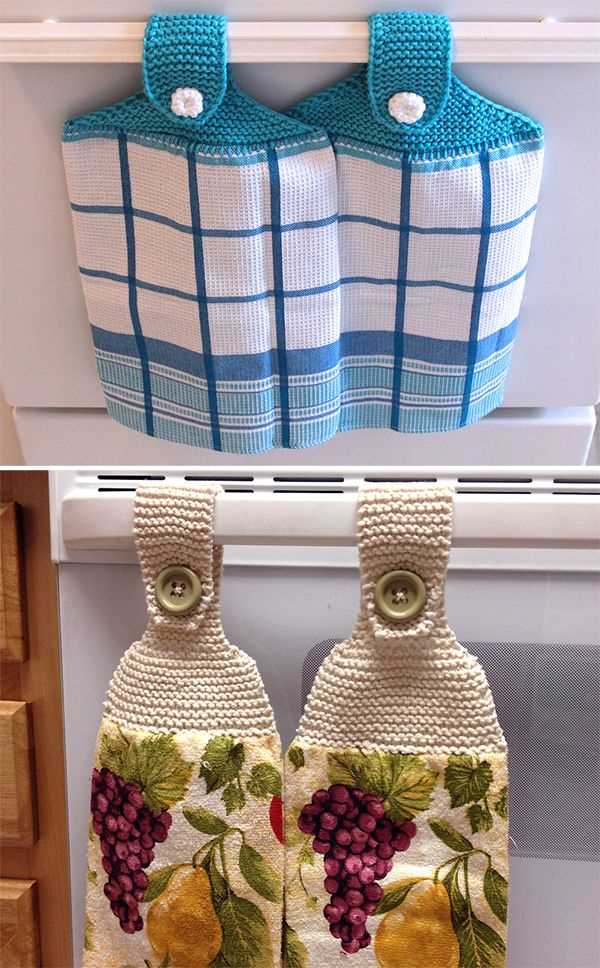
Knitted towel toppers are a quick and easy way to add a decorative touch to your kitchen or bathroom towels. They can be used to hang towels on hooks or handles, keeping them easily accessible while also adding a touch of style to your space. If you enjoy knitting and want to try your hand at creating towel toppers, here is a simple pattern to get you started.
To create a knitted towel topper, you will need some basic knitting supplies, including yarn, knitting needles, and a tapestry needle. For this pattern, you will also need a button or two to attach the topper to your towel.
Materials:
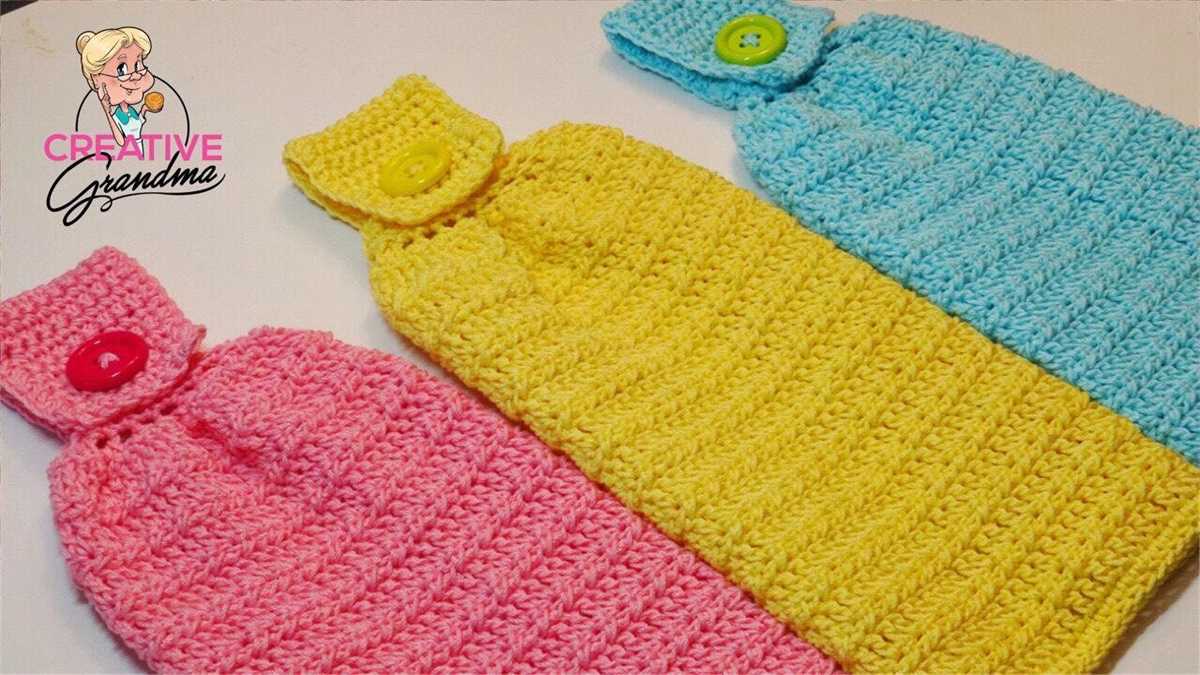
- Medium-weight yarn (color of your choice)
- Size 8 knitting needles
- Tapestry needle
- Buttons
- Scissors
Instructions:

- Cast on 40 stitches.
- Row 1: Knit
- Row 2: Purl
- Repeat Rows 1 and 2 until your work measures approximately 8 inches.
- Bind off all stitches.
- With your tapestry needle, sew the two ends of your work together to form a loop.
- Attach buttons to the top of your towel topper, evenly spaced apart.
- Slip the topper over the handle of your towel, securing it in place with the buttons.
This simple pattern can be easily customized to match your decor by choosing different colors of yarn or adding embellishments such as ribbons or bows. Knitted towel toppers also make great gifts for friends and family, and they can be completed relatively quickly, making them an enjoyable project for knitters of all skill levels.
Choosing the Right Yarn
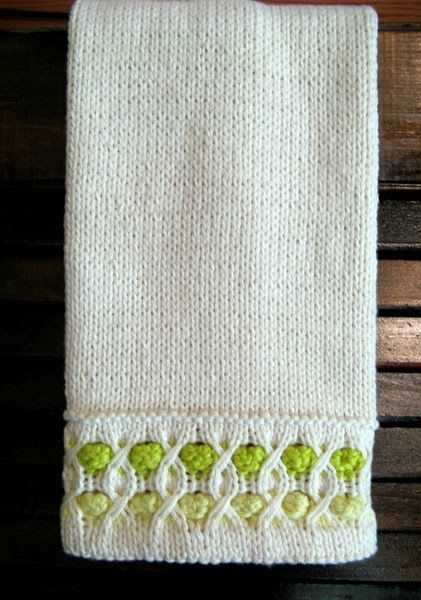
When knitting towel toppers, it is important to choose the right yarn to ensure that the finished product is not only functional but also visually appealing. The yarn you choose will determine the texture, drape, and durability of the towel topper, so it is crucial to consider a few key factors before making your selection.
Type of Yarn
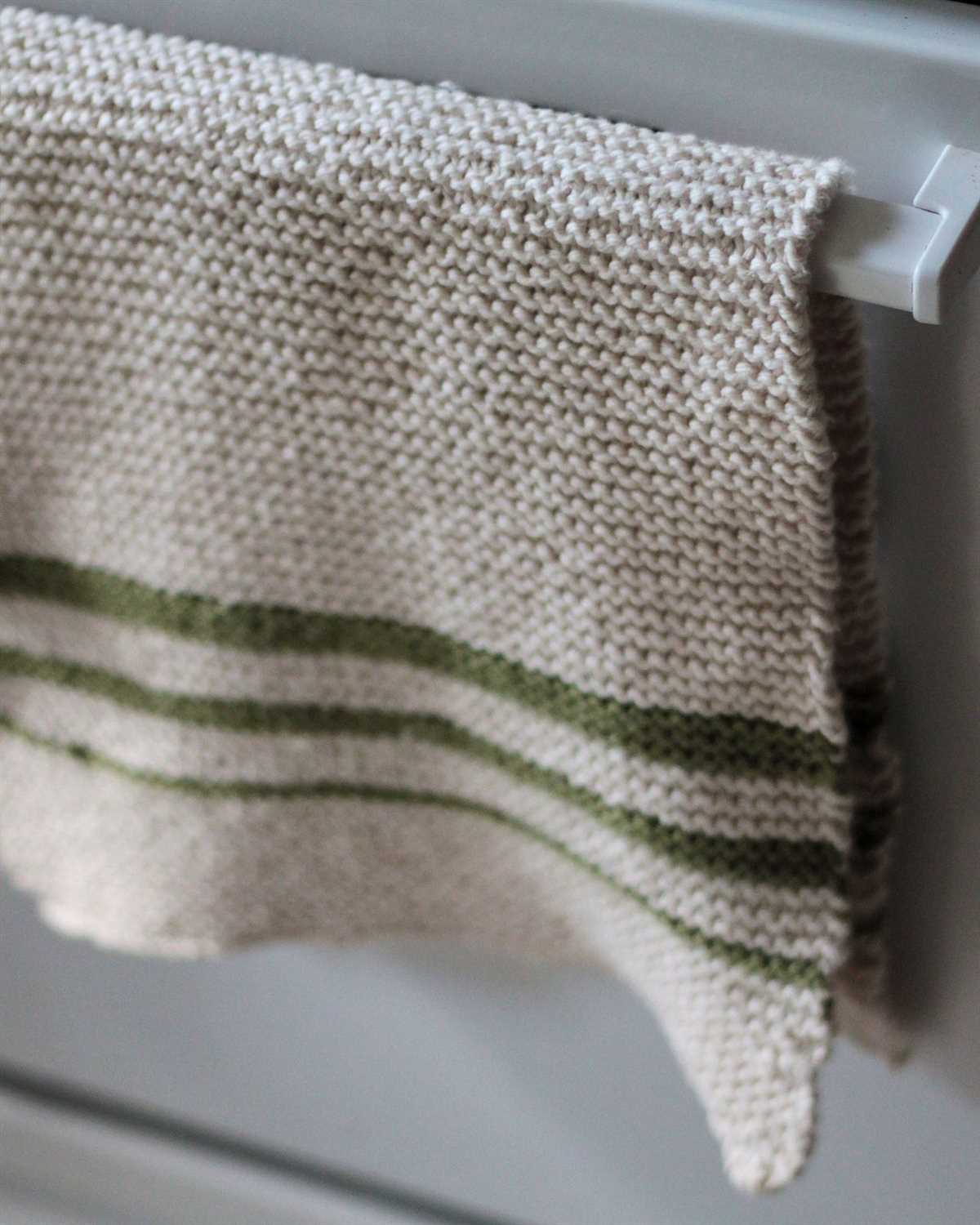
There are various types of yarn that can be used for knitting towel toppers, including cotton, acrylic, and blends. Cotton yarn is a popular choice for towel toppers as it is absorbent, soft, and durable. Acrylic yarn, on the other hand, offers a wider range of colors and is often more affordable. Blends, which combine different fibers, can provide a combination of properties from each type of yarn.
Weight of Yarn
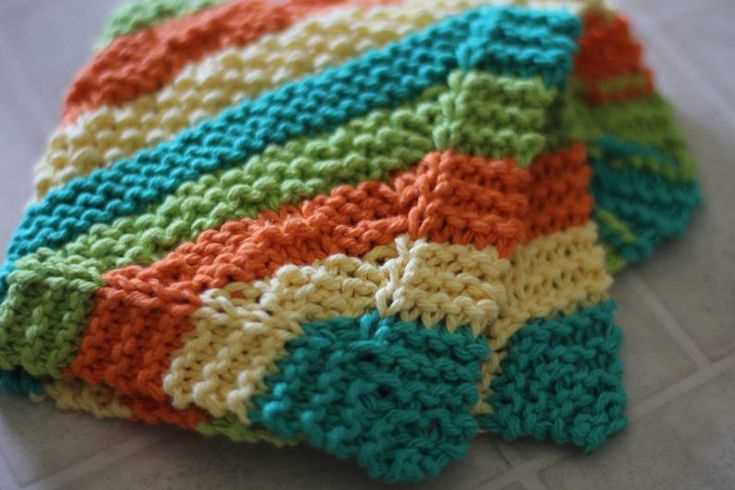
The weight of the yarn will determine the thickness and bulkiness of the towel topper. For a lightweight and delicate towel topper, you can choose a lace or fingering weight yarn. Worsted or aran weight yarn will create a medium-weight towel topper, while bulky or super bulky weight yarn will result in a thick and cozy towel topper.
Color and Pattern
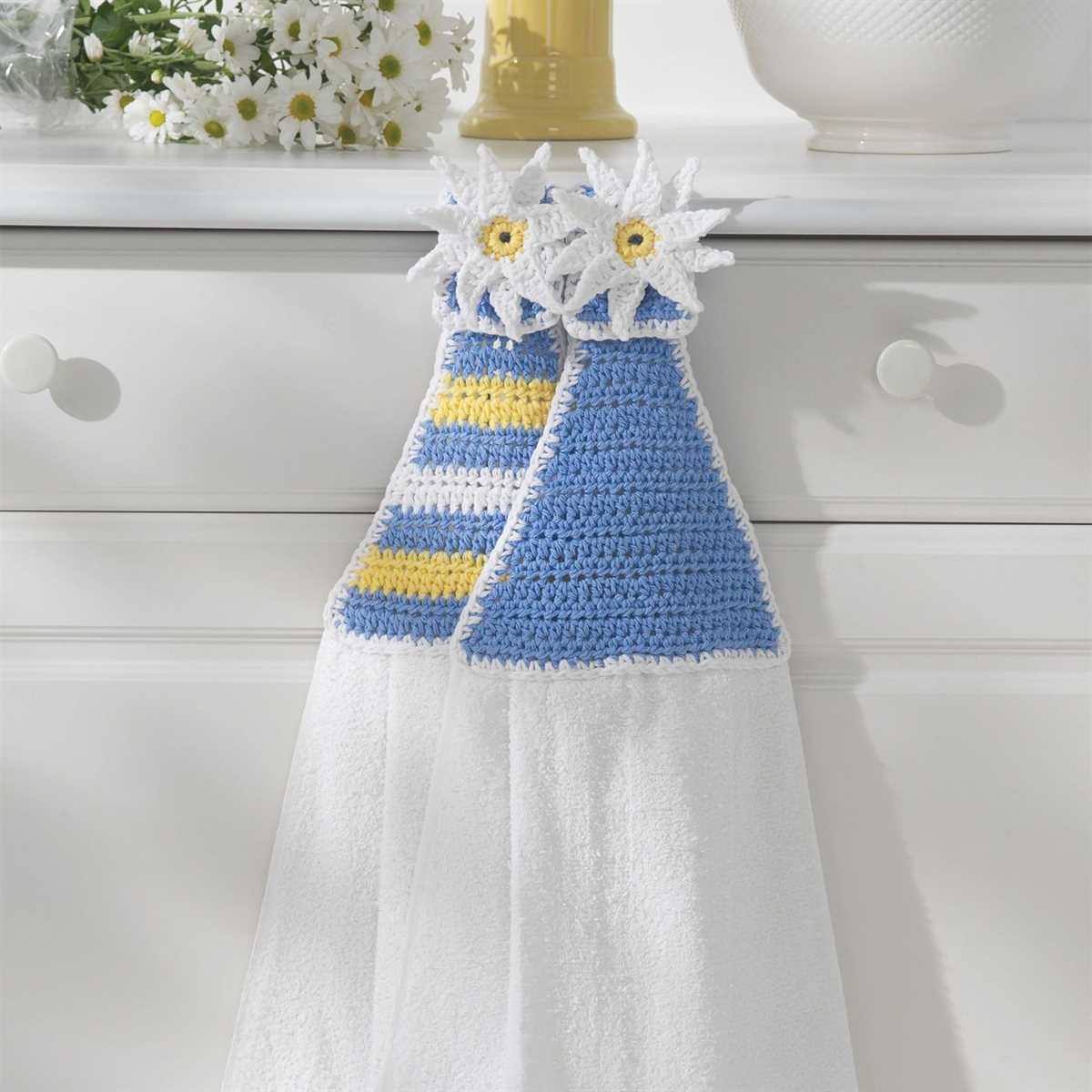
The color and pattern of the yarn can greatly impact the overall look of the towel topper. For a classic and timeless look, you can opt for neutral colors such as white, cream, or pastels. Alternatively, you can choose bold and vibrant colors to add a pop of color to your kitchen or bathroom. It is also important to consider the pattern you will be using for your towel topper and how the yarn color will complement or enhance the design.
Texture and Care Instructions
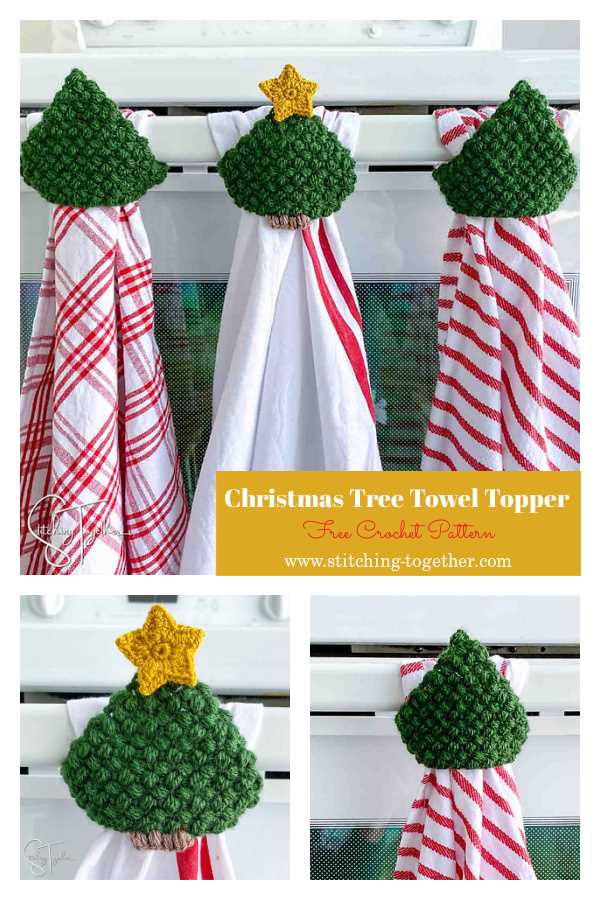
Lastly, consider the texture and care instructions of the yarn. Some yarns may have a smooth and silky texture, while others may have a more textured or boucle appearance. Additionally, check the care instructions of the yarn to ensure that it is suitable for the intended use of the towel topper. Cotton yarn, for example, is often machine washable and easy to care for, making it an ideal choice for kitchen towel toppers.
By considering these factors, you can choose the right yarn for your knitted towel toppers, resulting in beautiful and functional additions to your home.
Selecting the Appropriate Needles
When it comes to knitting towel toppers, choosing the right needles is crucial for achieving the desired results. The type and size of needles you use will depend on your yarn weight and personal preference.
Needle Type: There are various types of knitting needles available, including straight needles, circular needles, and double-pointed needles. Straight needles are commonly used for flat knitting, while circular needles are ideal for projects that require a larger number of stitches. Double-pointed needles are often used for knitting in the round, such as when creating a buttonhole for the towel topper.
Needle Size: The size of the needles you choose will depend on the thickness of the yarn you are using. The yarn label should indicate the recommended needle size range. It’s important to use the correct needle size to ensure that your stitches are neither too tight nor too loose. Experimenting with different needle sizes can help you achieve the desired tension for your towel topper.
Other Factors to Consider: In addition to needle type and size, you may also want to consider the material of the needles. They can be made from various materials, including metal, wood, and plastic. Each material has its own unique characteristics, such as weight, flexibility, and grip. Some knitters prefer the smoothness of metal needles, while others may find that wooden needles provide better control. Ultimately, choosing the right needles is a matter of personal preference and experimentation.
Understanding Knitting Techniques for Towel Toppers
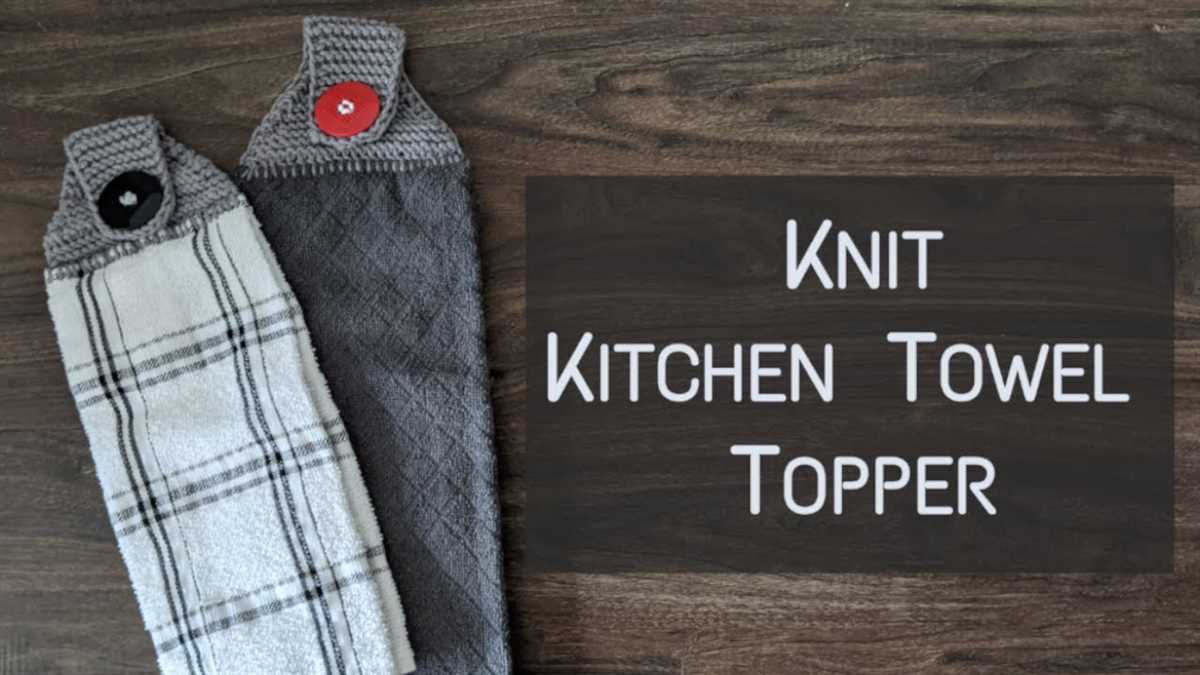
Knitting towel toppers is a fun and practical way to enhance the functionality of your kitchen towels. By adding a knitted topper, you can easily hang the towel on a handle, hook, or knob, ensuring that it stays in place and is always within reach when you need it. Understanding the various knitting techniques for towel toppers can help you create beautiful and functional additions to your kitchen.
One of the most common techniques used for knitting towel toppers is the garter stitch. This simple yet versatile stitch creates a thick and textured fabric that is perfect for towel toppers. To create a garter stitch towel topper, you will need to knit every row, resulting in a series of ridges that add visual interest to the piece.
Another popular technique for towel toppers is the seed stitch. The seed stitch is created by alternating knit and purl stitches in a specific pattern. This stitch creates a textured fabric that looks like scattered seeds, hence its name. The seed stitch is great for adding a touch of elegance to your towel toppers.
For those who prefer a more intricate design, the cable stitch is an excellent choice. Cable stitches are created by crossing stitches over each other, usually using a cable needle. This technique adds depth and dimension to the towel topper, making it stand out. Cable stitches can be combined with other stitch patterns to create unique and eye-catching designs.
In addition to these techniques, there are plenty of other knitting stitches and patterns that can be used for towel toppers. Exploring different stitches and combinations can help you unleash your creativity and create personalized towel toppers that reflect your style and taste.
Casting On Correctly
When starting a knitting project, one of the most important steps is casting on. This is the process of creating the first row of stitches on your knitting needle. It is crucial to cast on correctly in order to ensure that your project starts off on the right foot and that your stitches are even and secure.
One commonly used method for casting on is the long-tail cast on. To do this, you will need to estimate the length of yarn you will need for your project and leave a long tail before making your first loop. Hold the tail in your left hand and the working yarn in your right hand, then make a loop with the working yarn by wrapping it around your thumb and holding it in place with your index finger. Insert the needle through the loop from front to back, then bring the needle under the tail and pull it through the loop, creating a new loop on your needle.
Another method is the knitted cast on. With this method, you start with a slip knot on your needle, then insert the right-hand needle into the slip knot from front to back. Wrap the working yarn around the right-hand needle counterclockwise, then pull the yarn through the slip knot and place the new loop on the left-hand needle. Repeat this process until you have cast on the desired number of stitches.
It is important to pay attention to your tension when casting on. You don’t want your stitches to be too tight or too loose. Experiment with different tension levels to find what works best for you. Additionally, make sure to count your stitches as you go to ensure that you are casting on the correct number for your pattern.
By taking the time to cast on correctly, you will set yourself up for success in your knitting project. Practicing different casting on methods and finding the one that works best for you will help you create a strong foundation for your knitting and set the stage for a beautiful finished piece.
Basic Knitting Stitch Patterns
Knitting stitch patterns are the building blocks of any knitted project. They are the combinations of different stitches that create the texture and design of the finished piece. Understanding and mastering basic knitting stitch patterns is essential for every knitter, whether you are a beginner or an experienced crafter.
One of the most basic stitch patterns is the garter stitch. It is created by knitting every row, resulting in a fabric with a bumpy texture. The garter stitch is great for beginners as it is simple to learn and creates a fabric that lies flat and doesn’t curl at the edges.
Garter Stitch
- To create the garter stitch, simply knit every row.
- Repeat this pattern for the desired length.
- The garter stitch is reversible, meaning it looks the same on both sides.
Another common stitch pattern is the stockinette stitch. It is created by alternating rows of knit stitches and purl stitches, resulting in a fabric with a smooth and even texture. The stockinette stitch is widely used in various knitting projects, from sweaters to scarves to blankets.
Stockinette Stitch
- To create the stockinette stitch, knit one row and purl one row.
- Repeat these two rows for the desired length.
- The right side of the fabric will have the smooth and even texture, while the wrong side will have a purl texture.
These are just a few examples of basic knitting stitch patterns. There are countless other stitch patterns that can be used to create unique and beautiful designs. As you gain more experience and confidence in your knitting skills, you can explore and experiment with different stitch patterns to create your own customized projects.
Increasing and Decreasing Stitches
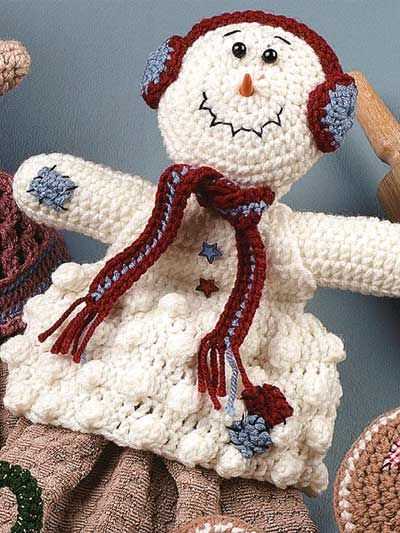
In knitting, increasing and decreasing stitches are techniques used to create shaping and texture in your project. By adding or removing stitches, you can change the size or shape of your knitted piece. These techniques are commonly used in projects such as garment shaping, lace patterns, and decorative designs.
Increasing stitches: To increase stitches, you can use different methods depending on the desired effect and pattern instructions. One of the most common ways is the yarn over (YO) technique, where you simply wrap the yarn around the needle without knitting or purling. This creates an extra stitch on the needle. Another method is the knit front and back (KFB) increase, where you knit into the front and back of the same stitch to create two stitches. Increasing stitches can be done at any point in your knitting, and it is important to follow your pattern instructions for the correct placement and technique.
Decreasing stitches: Decreasing stitches is the opposite of increasing and is used to shape your knitted piece or create decorative effects. One common method of decreasing stitch is the knit two together (K2tog) technique, where you knit two stitches together as if they were one. This decreases the stitch count by one. Another method is the slip, slip, knit (SSK) decrease, where you slip two stitches knitwise, then knit them together through the back loop. This also decreases the stitch count by one. Like increasing stitches, decreasing stitches can be done at any point in your knitting, and it is important to follow the pattern instructions for the correct placement and technique.
By mastering the skill of increasing and decreasing stitches, you can take your knitting projects to the next level. These techniques allow you to create shaping, add texture, and personalize your designs. Whether you are knitting a garment, a lace shawl, or a decorative towel topper, understanding and using increasing and decreasing stitches can greatly enhance your knitting journey. Practice these techniques with different patterns and experiment with different methods to expand your knitting repertoire.
Creating Buttonholes
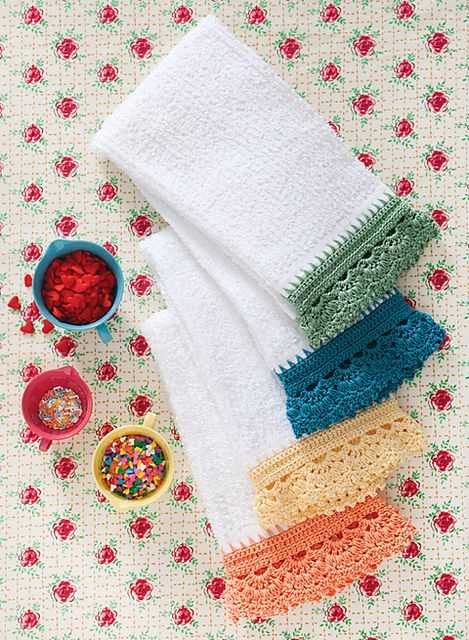
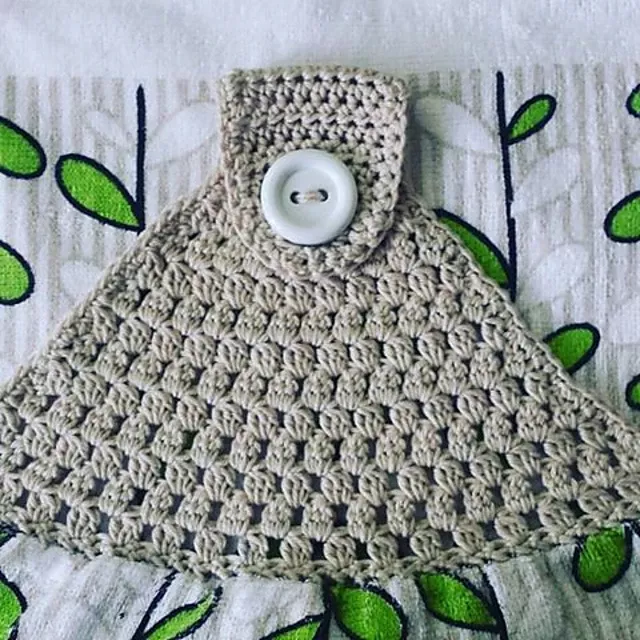
Buttonholes are an essential part of any knitted towel topper pattern, as they allow you to easily attach the topper to a towel. Creating buttonholes in your knitting can seem daunting at first, but with a bit of practice, you’ll be adding buttonholes with ease!
To create a buttonhole, you’ll need to work a series of decreases and yarn overs in your knitting. The exact instructions will vary depending on the pattern you’re working on, but the general idea is the same. You’ll work the decreases over a certain number of stitches, creating a gap that the button can go through.
- Start by carefully reading through the instructions in your pattern to determine where and how many buttonholes you need to make.
- When you reach the designated spot for a buttonhole, follow the instructions for the specific decrease and yarn over techniques required.
- Make sure to keep track of your stitches as you work the buttonhole, as mistakes can be difficult to fix once you’ve moved on to the next row.
Once you’ve completed the buttonholes, you can continue knitting the rest of your towel topper as instructed. The buttonholes will provide a neat and secure way to attach the topper to your towel, making it easy to remove for washing or decorating purposes.
Remember, practice makes perfect when it comes to knitting buttonholes. Don’t be discouraged if your first few attempts are a bit wonky – with time and experience, you’ll soon be creating buttonholes like a pro!
Finishing Touches: Blocking and Weaving in Ends
Once you have completed knitting your towel topper, there are a few finishing touches that will give your project a polished look. Two of these important steps are blocking and weaving in ends.
Blocking is the process of stretching and shaping your finished knitted piece to its intended size and dimensions. It helps even out stitches, open up lace patterns, and give your project a more professional appearance. To block your towel topper, start by soaking it in lukewarm water with a wool wash or mild detergent. Gently squeeze out the excess water, being careful not to wring or twist the fabric. Lay the towel topper flat on a clean towel, using pins to shape it to the desired size and shape. Allow it to dry completely before removing the pins.
Weaving in ends is another crucial step in the finishing process. When you finish a yarn color or complete your project, you will have loose ends of yarn that need to be secured. Using a tapestry needle, thread the loose end through the knitted stitches on the wrong side of your work. Weave the yarn in and out of the stitches in a zigzag or diagonal pattern, making sure it is secure and will not come undone with wear or washing. Trim any excess yarn, and your ends will be neatly hidden.
Further Tips and Considerations
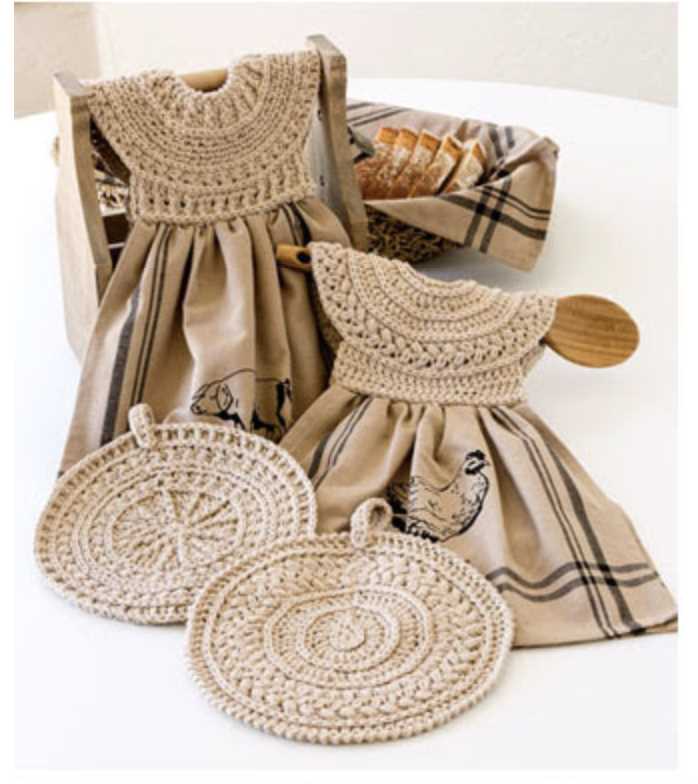
- When blocking, be sure to check the care instructions for your yarn. Some fibers may require special treatment, such as avoiding heat or steam.
- Blocking can also be done using steam. Carefully hover a steam iron over the knitted piece, being cautious not to touch the fabric directly.
- Always weave in ends as you go, rather than waiting until your project is complete. This will save you time and make the finishing process easier.
- If you’re unsure about blocking or weaving in ends, consider consulting a knitting tutorial or asking for guidance from an experienced knitter.
Adding Embellishments
When knitting towel toppers, you have the opportunity to add embellishments to give them a personal touch. Embellishments can be used to add texture, color, or design elements to your knitted towel topper.
Ribbons and bows: Adding a ribbon or bow to your towel topper is a simple yet effective way to add a touch of elegance. You can knit a buttonhole into your pattern and thread a ribbon through it, or simply attach a pre-made bow using a stitch or fabric glue.
Buttons: Buttons can be used to add both style and functionality to your towel topper. They can be stitched onto the knitted fabric to create a decorative focal point, or they can be functional buttons that can be used to secure the towel topper onto a towel rack or handle.
Embroidery: Embroidery can be used to add intricate designs or patterns to your towel topper. You can use embroidery floss or yarn to create colorful motifs or monograms. Embroidered flowers, animals, or geometric patterns can add a charming and unique touch to your knitted towel topper.
Seed beads: Adding seed beads is another way to add texture and visual interest to your knitted towel topper. You can thread the beads onto your yarn and incorporate them into your knitting pattern. The beads can be placed randomly or in a specific pattern, depending on the desired effect.
Lace trim: If you want to add a touch of femininity to your towel topper, consider attaching lace trim. You can either knit lace into your pattern or attach pre-made lace trim using a whipstitch or fabric glue. Lace trim can add elegance and daintiness to your knitted towel topper.
By adding embellishments to your knitted towel toppers, you can create unique and personalized items that will impress both yourself and your guests. Whether it’s a ribbon, button, embroidery, beads, or lace trim, there are endless possibilities for adding embellishments to make your towel topper stand out.
Conclusion
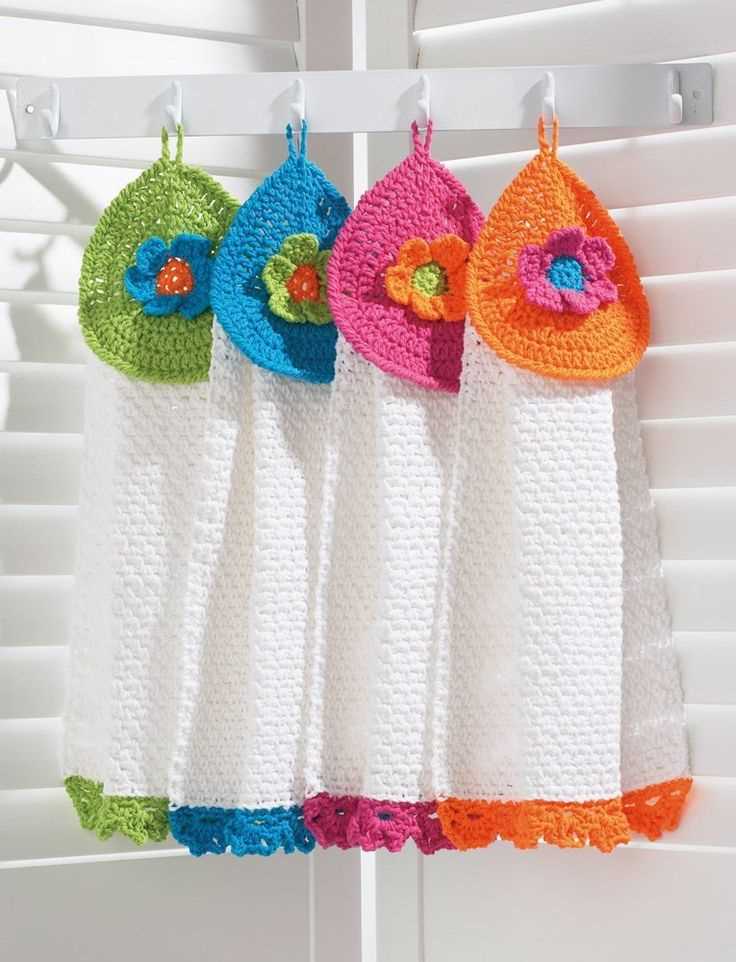
Knitting towel toppers can be a fun and practical project for any knitter. Whether you’re a beginner or an experienced knitter, this printable knitting pattern for towel toppers provides a step-by-step guide to help you create beautiful and functional additions to your kitchen or bathroom.
By following the pattern instructions and using the recommended materials, you’ll be able to create towel toppers that are not only decorative but also durable. These towel toppers will make your kitchen or bathroom more organized and stylish.
Remember to customize your towel toppers by choosing your favorite yarn colors and decorative buttons. You can also experiment with different stitch patterns to add your unique touch to the designs.
With this printable knitting pattern, you’ll have all the instructions you need to create towel toppers that make for great gifts or personalized additions to your own home. Happy knitting!