Discover the Versatility of Reversible Knitting Stitches

Knitting is a beloved craft that has been around for centuries. It allows us to create beautiful and functional garments with just a few simple tools – knitting needles and yarn. One of the most fascinating aspects of knitting is the wide variety of stitch patterns that can be created. From intricate lace to cozy cables, there is no shortage of techniques to explore.
One particularly intriguing category of stitch patterns is reversible knitting. Unlike traditional knitting stitch patterns that have a right side and a wrong side, reversible patterns look the same on both sides. This means that the finished garment can be worn inside-out or with the wrong side facing without sacrificing the overall aesthetic.
Reversible knitting stitch patterns are not only visually appealing, but they also offer practical benefits. For example, a scarf or shawl with a reversible pattern can be worn with either side showing, allowing for more versatility in styling. Additionally, reversible stitch patterns are perfect for items that will be seen from both sides, such as blankets or cowls.
If you are new to reversible knitting stitch patterns, don’t be intimidated. With a little practice, you can easily master these patterns and create stunning projects that are as beautiful on the inside as they are on the outside.
What are Reversible Knitting Stitch Patterns?

Reversible knitting stitch patterns are stitch patterns that look the same on both sides of the fabric. Unlike traditional knitting patterns, where one side may have a different texture or appearance than the other, reversible knitting stitch patterns create a symmetrical design that is identical on both sides.
These stitch patterns are achieved by using specific knitting techniques and combinations of stitches that create a balanced design that is reversible. The stitches used in reversible knitting patterns are usually simple and easy to execute, making them suitable for knitters of all skill levels.
Reversible knitting stitch patterns are particularly useful for projects where both sides of the fabric will be visible, such as scarves, shawls, blankets, and cowls. They eliminate the need to worry about which side should be the right side, as both sides are equally attractive. This also makes reversible knitting stitch patterns a great choice for projects that may be seen from different angles or flipped over frequently.
Some popular examples of reversible knitting stitch patterns include ribbing, seed stitch, garter stitch, and basketweave. These stitch patterns can be combined or used individually to create a wide variety of designs and textures.
In addition to their aesthetic appeal, reversible knitting stitch patterns also offer practical benefits. They create a double-sided fabric that is warmer and more insulating than traditional knitting patterns, as both sides of the fabric contribute to the overall thickness and warmth of the knitted piece.
Overall, reversible knitting stitch patterns are a versatile option for knitters who want to create symmetric and visually appealing fabric that is equally attractive from both sides. Whether for fashion or function, these stitch patterns open up a world of possibilities for knitters to explore and create beautiful and practical hand-knit items.
The Definition of Reversible Knitting Stitch Patterns

Reversible knitting stitch patterns are knitting patterns that produce a fabric that looks the same on both sides. Unlike traditional knitting stitches, which have a distinct “right” and “wrong” side, reversible stitches create a pattern that is identical on both sides. This makes reversible knitting stitch patterns ideal for projects where both sides of the fabric will be visible, such as scarves, blankets, or shawls.
What sets reversible knitting stitch patterns apart is their unique construction. These patterns are designed to be worked in a way that creates the same pattern on both sides of the fabric, often using different techniques and stitch combinations than traditional knitting patterns. The result is a reversible fabric that can be worn or used interchangeably without the need to hide the wrong side.
There are many different types of reversible knitting stitch patterns, each with its own unique characteristics. Some reversible stitch patterns are achieved by working the same combination of stitches on both the right and wrong sides of the fabric, while others use specific techniques, such as cables or lace, to create a reversible effect. Some reversible stitch patterns may have a distinct texture or pattern on one side and a simpler design on the other, while others have a more symmetrical appearance on both sides.
- Reversible knitting stitch patterns offer versatility and flexibility in knitting, allowing for the creation of beautiful and functional garments and accessories.
- These patterns can be used to create reversible scarves, blankets, hats, and other items that can be worn or used on either side.
- The construction of reversible knitting stitch patterns often requires careful attention to detail and may involve more advanced techniques, such as increases, decreases, or working with multiple colors.
- With the availability of a wide range of reversible knitting stitch patterns, knitters can choose from simple, beginner-friendly designs to more complex, challenging patterns.
- Whether you prefer a classic, timeless look or a more modern, intricate design, there is a reversible knitting stitch pattern out there to suit your style and skill level.
How Reversible Knitting Stitch Patterns Work

Reversible knitting stitch patterns are a clever technique that allows the same pattern to be worked on both sides of a knitted fabric. This means that the pattern remains the same, regardless of whether you’re looking at the right side or the wrong side of the fabric. This makes reversible patterns ideal for scarves, shawls, and other accessories where both sides will be visible.
The key to creating reversible knitting stitch patterns lies in the way the stitches are manipulated. Traditional knitting patterns have a distinct right side and wrong side, with different instructions for each. In contrast, reversible patterns are designed so that the instructions are the same for both sides. This is achieved by using reversible stitches and techniques that create the same effect on both sides of the fabric.
One common technique used in reversible knitting stitch patterns is called “mirroring.” This involves working a stitch or series of stitches on the right side of the fabric, and then working the exact same stitch or stitches in reverse order on the wrong side. By mirroring the stitches, the pattern is effectively created on both sides of the fabric.
Another technique used in reversible knitting stitch patterns is “double knitting.” This involves working the fabric with two sets of needles and yarn, creating a double-layered fabric that is fully reversible. Double knitting allows for intricate colorwork and complex stitch patterns to be reversible, as both sides of the fabric are completely identical.
Overall, reversible knitting stitch patterns are a great way to add versatility to your knitting projects. Whether you prefer the simplicity of mirroring stitches or the complexity of double knitting, these techniques allow you to create beautiful fabrics that look just as good on both sides.
Benefits of Using Reversible Knitting Stitch Patterns

Reversible knitting stitch patterns offer several benefits for knitters of all skill levels. These patterns are designed in such a way that they look the same on both sides, allowing for a versatile finished project. Here are some of the key benefits of using reversible knitting stitch patterns:
- Efficiency: Reversible knitting stitch patterns save time and effort. Since the pattern is the same on both sides, you don’t have to constantly flip your work to check the right side. This makes the knitting process faster and more efficient.
- Flexibility: With reversible knitting stitch patterns, you have the freedom to choose whether you want to showcase one side or both. This versatility opens up possibilities for creating reversible scarves, blankets, and other accessories that can be worn or displayed from either side.
- Visual appeal: Reversible knitting stitch patterns often have intricate designs that look beautiful on both sides. This adds a professional and polished look to your finished projects. Whether you knit for yourself or to give as gifts, reversible patterns can create stunning and eye-catching items.
- Learning opportunities: Working with reversible knitting stitch patterns can enhance your knitting skills. These patterns often involve more complex techniques, such as cables, lace, and twisted stitches. By practicing these techniques, you can expand your knitting repertoire and become a more versatile knitter.
- Mistake-proof: Reversible knitting stitch patterns offer a safety net for mistakes. If you make a mistake on one side of the work, it won’t be as noticeable because both sides look similar. This can alleviate some of the stress and frustration that comes with making mistakes while knitting.
In conclusion, reversible knitting stitch patterns provide efficiency, flexibility, visual appeal, learning opportunities, and a mistake-proof knitting experience. Whether you are a beginner or an experienced knitter, incorporating reversible patterns into your projects can enhance your skills and create stunning finished items.
Versatility
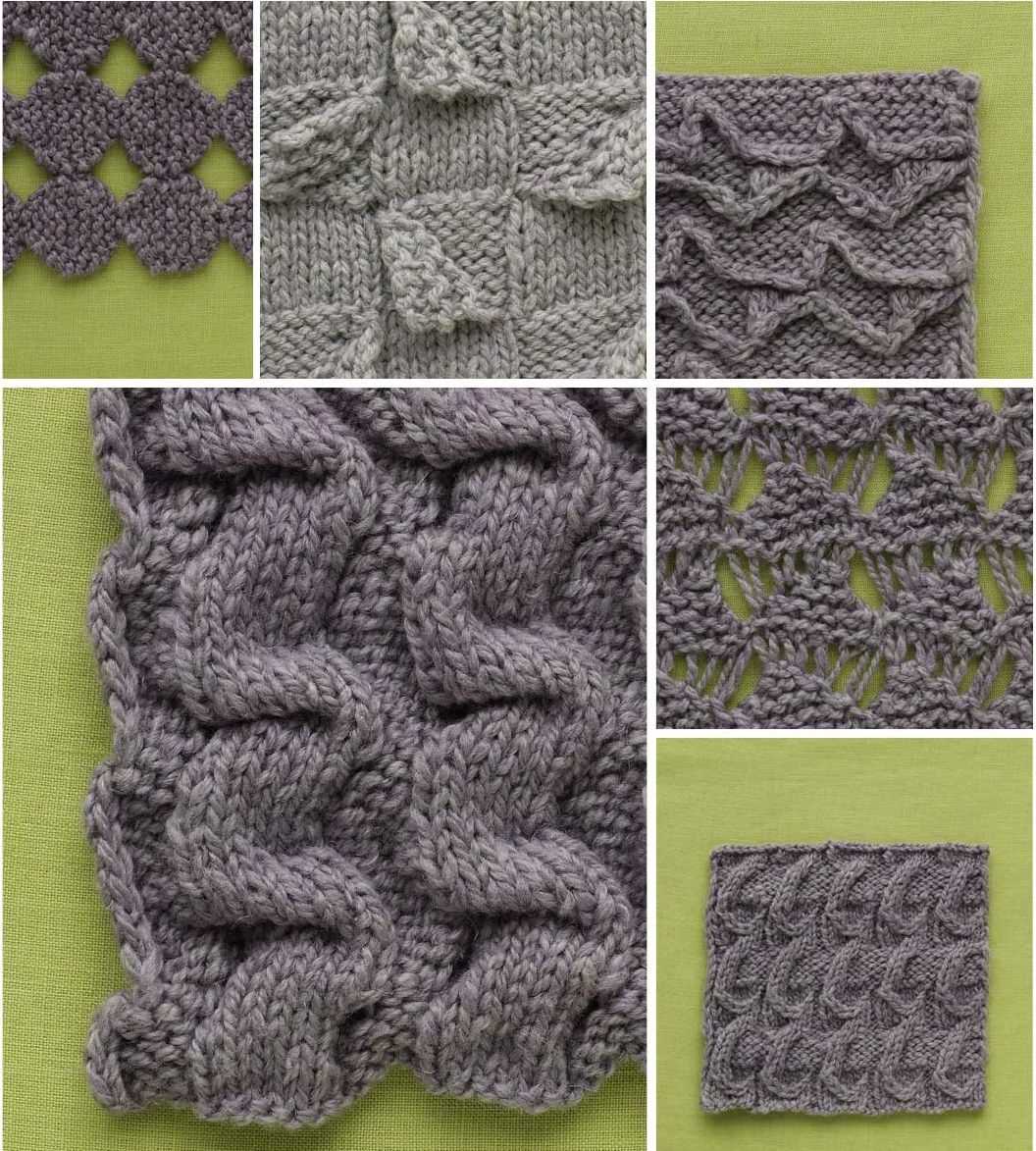
The beauty of reversible knitting stitch patterns lies in their versatility. These patterns can be used to create a wide range of projects, from scarves and shawls to sweaters and blankets. With a reversible stitch pattern, you don’t have to worry about the wrong side showing, so you can use it for any project where both sides will be visible. This opens up a world of possibilities for knitters who want to create beautiful and functional pieces.
One of the key advantages of reversible stitch patterns is their ability to provide different looks on each side. This means that you can choose which side to show based on your personal preference or the desired effect for your project. For example, if you’re knitting a scarf and want a more textured look, you can choose to show the side with more purl stitches. On the other hand, if you prefer a smoother and cleaner look, you can choose to show the side with more knit stitches. This versatility allows you to customize your project to suit your own style and taste.
Reversible stitch patterns can also be combined with other stitch patterns to create unique designs. You can mix and match different reversible patterns to create interesting textures and visual effects. For example, you can combine a reversible cable pattern with a reversible lace pattern to create a scarf with both cable and lace motifs. This versatility in combining different stitch patterns allows you to create truly original and personalized projects.
Time-saving

When it comes to knitting, time is of the essence. With reversible knitting stitch patterns, you can save valuable time by eliminating the need to constantly flip your work to check the front and back sides.
Reversible knitting stitch patterns are designed specifically to create a fabric that looks the same on both sides. This means you don’t have to worry about which side is the right side and which is the wrong side, making it easier and faster to work on your project.
One time-saving technique that can be used with reversible knitting stitch patterns is the use of charts. Charts provide a visual representation of the pattern, allowing you to quickly see how each stitch is worked. This eliminates the need to constantly refer back to written instructions, saving you time and reducing the chances of making mistakes.
Another time-saving aspect of reversible knitting stitch patterns is the ability to easily fix mistakes. Because the fabric looks the same on both sides, any mistakes you make can be easily identified and corrected without having to unravel your work. This means you can fix mistakes on the go, without having to go back and redo large sections of your knitting.
In conclusion, reversible knitting stitch patterns not only create beautifully reversible fabrics, but they also save you valuable time by eliminating the need to constantly flip your work, providing visual charts for easy reference, and allowing for quick and easy mistake-fixing. Incorporating these patterns into your knitting projects can greatly enhance your knitting experience and help you complete your projects more efficiently.
Aesthetically Pleasing

One popular type of aesthetically pleasing knitting stitch pattern is the reversible stitch. Reversible stitches are patterns that look the same on both sides of the fabric, creating a beautiful and polished finished piece. This is particularly useful for scarves, shawls, and blankets, where both sides of the fabric will be visible. Reversible stitches can range from simple knit-purl combinations to more complex lace or cable patterns, but their visual impact is always stunning.
Another aspect that adds to the aesthetics of knitting is color selection. The choice of colors can completely transform a project, creating different moods, styles, and visual effects. Some knitters prefer a monochromatic palette, allowing the stitch pattern to take center stage. Others enjoy experimenting with bold and contrasting colors, creating eye-catching and vibrant pieces. The possibilities are endless, and the color choices can greatly enhance the beauty of the knitting work.
Furthermore, attention to detail is crucial for achieving aesthetically pleasing results. Taking the time to ensure even tension and consistent stitch size can make a significant difference in the final appearance of the project. Carefully blocking and finishing the piece can also enhance its overall aesthetic appeal. These small details may seem insignificant, but they contribute greatly to the final result and create a more polished and professional look.
In conclusion, aesthetics play a vital role in knitting. Aesthetically pleasing stitch patterns, reversible stitches, careful color selection, and attention to detail can all create stunning and visually appealing knitting projects. Whether it’s a simple scarf or a complex lace shawl, the beauty of knitting lies not only in the warmth and functionality of the finished piece but also in the overall visual impact it creates.
Popular Reversible Knitting Stitch Patterns

Reversible knitting stitch patterns are highly popular among knitters of all skill levels. These patterns are versatile and allow you to create beautiful designs that look the same on both sides. Whether you’re making a scarf, hat, or sweater, reversible stitch patterns add an extra level of sophistication to your knitting projects.
1. Double Seed Stitch: This stitch pattern is a variation of the traditional seed stitch. It creates a textured fabric that is reversible, making it ideal for scarves and blankets. The double seed stitch involves alternating between knit and purl stitches, creating a pattern that looks the same on both sides.
2. Waffle Stitch: The waffle stitch is a popular choice for creating cozy blankets and garments. It features a raised, textured pattern that resembles the waffle weave, hence the name. The waffle stitch is reversible and is created by alternating knit and purl stitches in specific sequences.
3. Fisherman’s Rib Stitch: This stitch pattern creates a dense, stretchy fabric that is perfect for creating warm and cozy garments. It’s similar to the traditional rib stitch but with a twist. The fisherman’s rib stitch is reversible and features a beautiful vertical pattern that is achieved by slipping stitches and working twisted knits and purls.
4. Reversible Cable Stitch: Cable stitches are a classic choice for adding texture and interest to knitting projects. The reversible cable stitch takes the traditional cable stitch a step further by making it look the same on both sides. This is achieved by using a combination of knit, purl, and cable techniques, resulting in a stunning reversible cable pattern.
5. Linen Stitch: The linen stitch creates a tight, woven-like fabric that is perfect for blankets and scarves. It features a simple repeating pattern of slip stitches, making it easy to memorize. The linen stitch is reversible and creates a beautiful textured fabric that looks the same on both sides.
6. Herringbone Stitch: The herringbone stitch is a classic pattern that resembles the bones of a fish. It creates a diagonal, textured pattern that is reversible. The herringbone stitch is achieved by working slip stitches and crossing stitches over each other, resulting in a visually appealing reversible design.
7. Brioche Stitch: The brioche stitch is a more advanced stitch pattern that creates a thick, squishy fabric. It’s reversible and has a unique ribbed texture that is achieved by working a combination of slipped stitches and yarn overs. The brioche stitch is perfect for creating cozy accessories and garments.
These are just a few examples of popular reversible knitting stitch patterns. Whether you’re a beginner or an experienced knitter, incorporating reversible stitch patterns into your projects will not only enhance their visual appeal but also showcase your knitting skills. Get creative and experiment with different stitch patterns to create unique and stunning reversible designs.
Garter Stitch
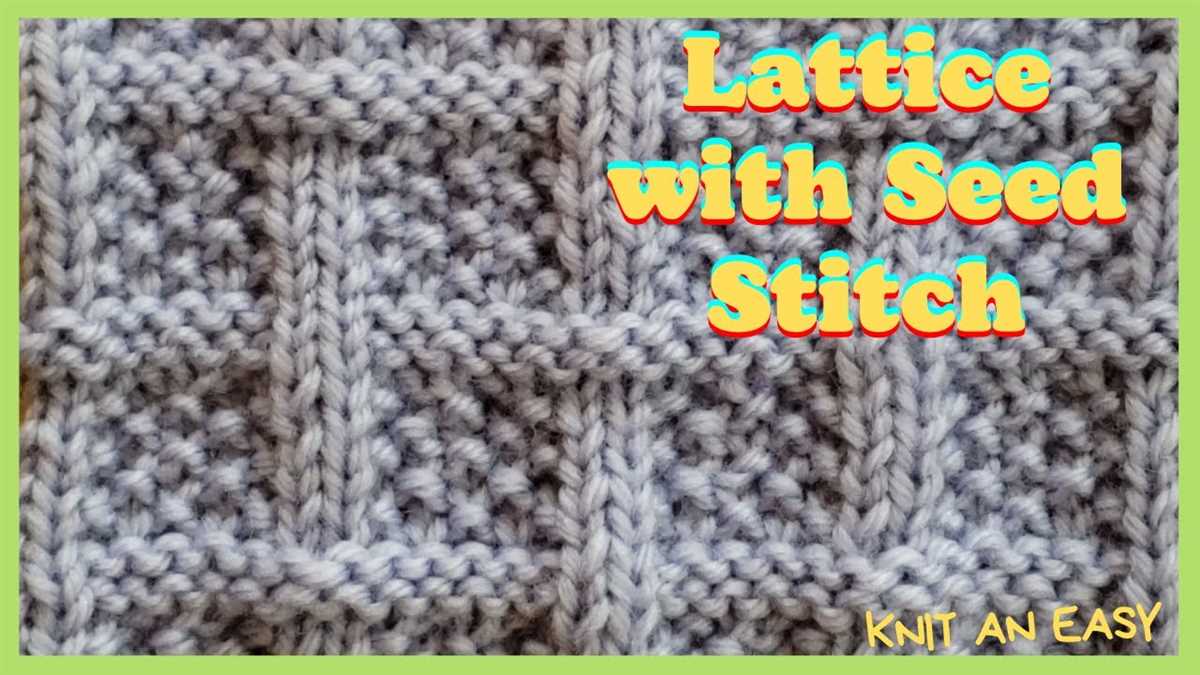
One of the most basic and versatile knitting stitch patterns is the garter stitch. It is made by knitting every row, creating a series of ridges that give the fabric a textured look. The garter stitch is reversible, meaning that both the right and wrong sides of the fabric look identical. This makes it a great option for scarves, blankets, and other items where both sides will be visible. It is also a popular choice for beginners as it only requires knowledge of the basic knit stitch.
To knit the garter stitch, simply knit every stitch in each row. This creates a fabric that is dense and warm. The simplicity of the garter stitch makes it a great choice for showcasing the texture and color of the yarn. It can be used with any weight of yarn and is especially well-suited for thicker yarns.
The garter stitch can be used on its own for a simple and classic look, or it can be combined with other stitch patterns to create more intricate designs. It can be alternated with other stitches, such as the stockinette stitch, to create stripes and patterns. It can also be used as a border or edging for other stitch patterns, adding a finished look to the project.
- Reversible texture
- Simple and versatile
- Suited for any weight of yarn
- Can be combined with other stitch patterns
Whether you’re a beginner or an experienced knitter, the garter stitch is a useful and timeless stitch pattern that can be used in a variety of projects. Its reversible nature and simplicity make it a go-to choice for many knitters. Give it a try and see how you can incorporate the garter stitch into your next knitting project!
Seed Stitch

The seed stitch is a simple and versatile knitting stitch pattern that creates a texture similar to scattered seeds. It is created by alternating knit and purl stitches across the rows, resulting in a beautiful and reversible fabric. The seed stitch is often used for borders, edges, or entire garments, as it adds visual interest and dimension to the knitwear.
To knit the seed stitch, you will need an odd number of stitches. Begin by knitting the first stitch, then purl the next stitch. Repeat this pattern across the row, ending with a knit stitch. On the next row, purl the first stitch, then knit the next stitch. Continue this pattern, alternating between knitting and purling, for the desired length. Remember to always end the row with the opposite stitch as you began.
Benefits of the seed stitch:
- Reversibility: The seed stitch creates a fabric that looks the same on both sides, making it perfect for scarves, blankets, or any item where both sides will be visible.
- Texture: The alternating knit and purl stitches create a raised texture, adding depth and interest to your knitted fabric.
- Ease of knitting: The seed stitch is a beginner-friendly pattern that only requires knowledge of the basic knit and purl stitches. It is a great stitch to practice and improve your knitting skills.
The seed stitch can be combined with other stitch patterns to create unique designs. It can be used as a border or edging for cables, lace, or other more intricate stitch patterns. By alternating between the seed stitch and other patterns, you can create beautiful and intricate designs in your knitting projects.
Reversible Knitting Stitch Patterns

In knitting, a reversible stitch pattern is one that looks the same on both sides of the fabric. This means that no matter which side of the garment is facing out, the stitch pattern will still be visible and attractive. Reversible stitch patterns are especially useful for items such as scarves, shawls, and blankets, where both sides will be visible.
Rib Stitch

One of the most popular reversible knitting stitch patterns is the rib stitch. The rib stitch creates a fabric with alternating columns of knits and purls, which results in a stretchy and textured fabric. It is commonly used for cuffs, collars, and borders, but can also be used for larger sections of a garment.
To work the rib stitch, you alternately knit and purl stitches across the row. The most common type of rib stitch is the 1×1 rib, where you alternate one knit stitch with one purl stitch. This creates a fabric that is completely reversible, with the knits and purls appearing the same on both sides.
Other variations of the rib stitch include the 2×2 rib, where you alternate two knit stitches with two purl stitches, and the seed stitch rib, where you alternate one knit stitch with one purl stitch for the first row, and then alternate one purl stitch with one knit stitch for the following rows. These variations create different textures and patterns, but are still reversible.
The rib stitch is not only reversible but also stretchy, which makes it a versatile and popular choice for many knitting projects. It is relatively easy to learn and can be combined with other stitch patterns to create unique designs. Whether you are a beginner or an experienced knitter, the rib stitch is a great option to add texture and elasticity to your projects.