Delicate Waves: A Knitting Pattern Inspired by the Scallop Shell

Knitting is a versatile craft that offers endless possibilities for creating beautiful and intricate designs. One such design is the scallop shell knitting pattern. This pattern features a repeating motif that resembles the shape of a scallop shell, making it a perfect choice for a variety of knitting projects.
The scallop shell knitting pattern is not only visually appealing but also adds a touch of elegance and sophistication to any knitted item. Whether you’re knitting a sweater, scarf, or even a baby blanket, incorporating this pattern can instantly elevate your project to the next level.
What makes the scallop shell knitting pattern particularly interesting is its versatility. It can be worked with any type of yarn and needle size, allowing you to customize the pattern to suit your preferences and the specific requirements of your project. From delicate laceweight yarn for a dainty shawl to chunky yarn for a cozy winter hat, this pattern can be adapted for a wide range of knitting projects.
If you’re new to knitting or haven’t tried working with lace patterns before, don’t be intimidated! The scallop shell knitting pattern is surprisingly easy to learn, with only a few basic stitches and techniques required. With a little practice, you’ll be able to create intricate and beautiful scallop shell motifs that will impress everyone who sees your finished project.
Scallop Shell Knitting Pattern: Create Beautiful Shell Motifs

Scallop shell knitting patterns are a delightful way to add an elegant touch to your knitting projects. These patterns, inspired by the natural beauty of seashells, can be used to create stunning motifs on various knitted items, such as scarves, shawls, blankets, and even garments.
The scallop shell pattern typically involves a combination of knit and purl stitches, along with basic shaping techniques to achieve the distinct shell-like texture. By following a chart or written instructions, you can create intricate designs that resemble the graceful curves and intricate details of real scallop shells.
How to Knit the Scallop Shell Pattern
To knit the scallop shell pattern, you will need basic knitting skills, including the ability to knit, purl, increase, and decrease stitches. It is important to choose the right yarn and needle size to achieve the desired texture and drape for your project.
Here is a basic step-by-step guide to knitting the scallop shell pattern:
- Cast on the required number of stitches.
- Follow the pattern chart or written instructions to knit the required rows, alternating between knit and purl stitches, and increasing and decreasing as indicated.
- Continue knitting in pattern until the desired length or number of shell motifs is achieved.
- Bind off the stitches and weave in any loose ends.
Once you have mastered the basic scallop shell pattern, you can experiment with different variations, such as incorporating colorwork or adding embellishments like beads or sequins. The possibilities are endless, and you can let your creativity shine through in your knitting projects.
What is a Scallop Shell Knitting Pattern?
A scallop shell knitting pattern is a design motif often used in knitting projects. It is inspired by the shape and texture of scallop shells found in the ocean. This pattern creates a beautiful and intricate design that can be incorporated into various knitting projects, such as scarves, shawls, blankets, and even clothing.
The scallop shell knitting pattern typically consists of repetitive rows or rounds of stitches that create the unique shape and texture of a scallop shell. The pattern often includes increases and decreases to form the scallop shape, as well as various stitch combinations to create the texture and detail of the shell.
Creating a scallop shell pattern requires intermediate to advanced knitting skills and knowledge of different stitch techniques. Knitters need to be familiar with techniques such as yarn overs, knit two together (k2tog), purl two together (p2tog), and slip slip knit (ssk).
The scallop shell knitting pattern can be customized in terms of size, color, and yarn choice. It can be knit with any type of yarn, from lightweight cotton to chunky wool, depending on the desired outcome. Different colors can also be used to enhance the shell-like appearance of the pattern.
Once mastered, the scallop shell knitting pattern can be a versatile and eye-catching design element in various knitting projects. It adds a touch of elegance and sophistication to any garment or accessory, making it a popular choice among knitters looking to create unique and intricate pieces.
Materials Needed for the Scallop Shell Knitting Pattern
In order to knit the Scallop Shell pattern, you will need several materials to get started. These materials include:
- Yarn: Choose a yarn in the weight and color you prefer. The recommended yarn for this pattern is a medium weight yarn, but you can also experiment with different weights to achieve different effects.
- Knitting Needles: You will need a pair of knitting needles that are appropriate for the yarn weight you have chosen. The size of the needles will depend on the thickness of the yarn and your personal knitting tension.
- Stitch Markers: Stitch markers are helpful for keeping track of your progress and marking important sections in the pattern. You can use store-bought stitch markers or make your own with small pieces of contrasting yarn.
- Tapestry Needle: A tapestry needle is used for weaving in loose ends and sewing pieces together, so it’s essential to have one on hand.
- Scissors: A pair of scissors will be needed for cutting yarn and trimming any excess. Make sure to have a sharp and durable pair of scissors for clean cuts.
These are the basic materials you will need to start knitting the Scallop Shell pattern. Once you have gathered all the necessary materials, you can begin casting on and following the instructions to create beautiful scallop shell motifs.
Choosing Yarn and Needles for the Scallop Shell Knitting Pattern
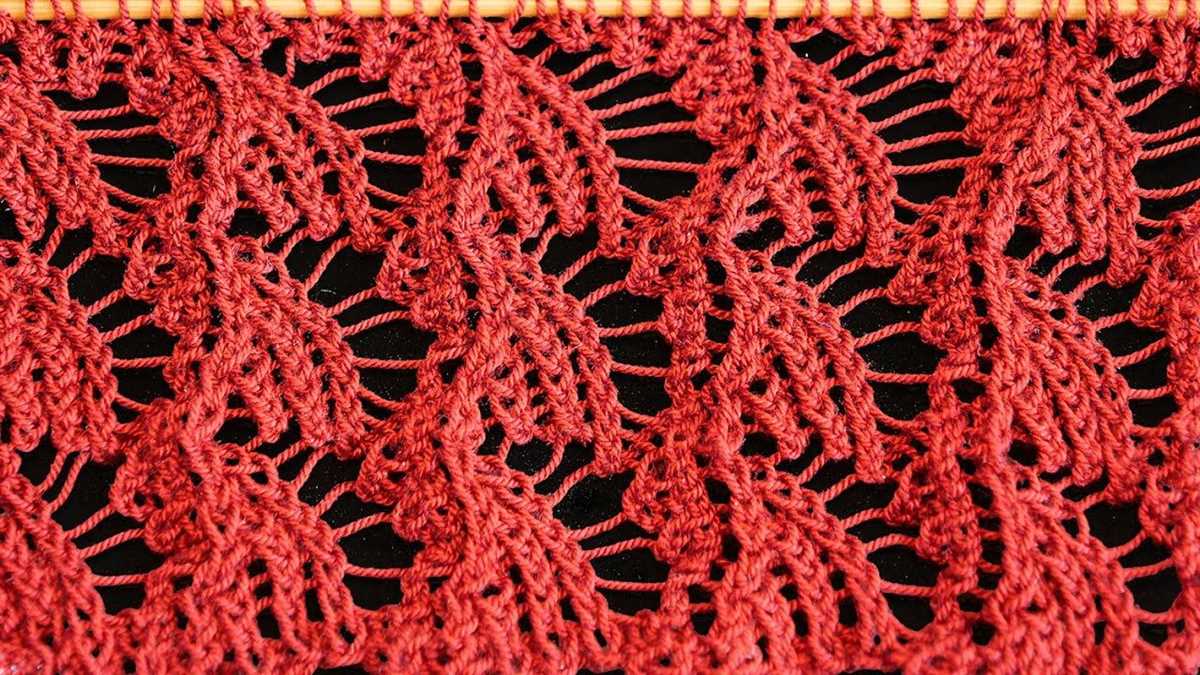
The yarn and needles you choose for the Scallop Shell knitting pattern will greatly impact the final look and feel of your finished project. In order to achieve the desired outcome, it’s important to consider the following factors when selecting your materials.
Type of Yarn
When choosing yarn for the Scallop Shell knitting pattern, you should opt for a lightweight and soft yarn that will drape nicely when worn. Yarns made from natural fibers, such as cotton or bamboo, are great choices as they offer breathability and comfort. Avoid using bulky or heavy yarns, as they can make the shell stitches appear dense and lose their delicate texture.
Yarn Weight

The weight of your yarn will also influence the overall look of your Scallop Shell knitting pattern. Depending on the desired outcome, you can choose a yarn weight that ranges from fine to light worsted. Finer yarns will create delicate, lacy shells, while slightly heavier yarns will result in more defined and structured shells. Consider the season and purpose of your project when selecting the yarn weight.
Needle Size

The needle size you choose will determine the tension and gauge of your knitting. For the Scallop Shell pattern, it’s recommended to use a needle size that will allow you to achieve the desired stitch definition while still maintaining a loose and airy feel. Start with the needle size recommended by the yarn manufacturer, and adjust as needed to achieve the desired fabric. Always make a gauge swatch before starting your project to ensure the correct needle size is used.
By carefully selecting your yarn and needle size for the Scallop Shell knitting pattern, you can create a beautiful and versatile piece that showcases the intricate shell pattern and meets your desired look and feel.
Step-by-Step Instructions for the Scallop Shell Knitting Pattern
The scallop shell knitting pattern is a beautiful and intricate design that can add a touch of elegance to any knitted project. Whether you’re knitting a scarf, hat, or a cozy blanket, this pattern is sure to impress. Follow these step-by-step instructions to create your own scallop shell masterpiece.
Materials Needed:
- Yarn: Choose any color and weight yarn of your preference.
- Knitting needles: Select the appropriate size for your yarn.
- Stitch markers: Optional, but helpful for keeping track of your progress.
- Tapestry needle: For weaving in loose ends.
Instructions:
- Cast on the desired number of stitches for your project.
- Row 1: Knit all stitches.
- Row 2: Purl all stitches.
- Row 3: Knit 1, *yo, k2tog, k4; repeat from * to the end of the row.
- Row 4: Purl all stitches.
- Row 5: Knit 3, *yo, k2tog, k4; repeat from * to the last 2 stitches, yo, k2tog.
- Row 6: Purl all stitches.
- Repeat rows 3-6 until your project reaches the desired length.
- End with rows 1-2: Knit all stitches on row 1 and purl all stitches on row 2.
- Bind off all stitches.
- Weave in any loose ends with a tapestry needle.
- Block your finished project to reveal the full beauty of the scallop shell pattern.
Now you’re ready to show off your stunning scallop shell knitting pattern! Whether it’s a cozy scarf to keep you warm or a delicate baby blanket, this pattern is sure to impress. Experiment with different yarn colors and weights to create unique variations of the scallop shell design. Happy knitting!
Tips for a Neat and Professional Finish

When knitting a scallop shell pattern, it’s important to pay attention to the details to achieve a neat and professional looking finish. Here are some tips to help you along the way:
1. Use high-quality yarn: To ensure a clean and polished finish, it’s important to choose a yarn that is of good quality. Opt for yarn that has a smooth texture and good stitch definition.
2. Maintain consistent tension: Consistency in your tension is vital for achieving an even and professional finish in your knitting. Make sure to check your tension regularly and adjust as needed to ensure all your stitches are the same size.
3. Block your work: Blocking is an essential step in knitting, especially for achieving a professional finish. After completing your scallop shell pattern, wet blocking or steam blocking can help to even out your stitches and create a smooth and polished appearance.
4. Pay attention to stitch markers: When knitting a scallop shell pattern, stitch markers can be incredibly helpful for keeping track of your progress and ensuring that your pattern is correct. Make sure to place them accurately, especially at the beginning and end of each shell repeat.
5. Weave in ends neatly: When you finish your knitting, take the time to weave in your yarn ends neatly. This will give your project a professional look and prevent any loose ends from unraveling over time.
6. Use a tapestry needle for finishing touches: If you need to sew any seams or do any additional finishing work, opt for a tapestry needle. This type of needle has a dull and blunted tip, making it easier to work with and preventing it from splitting the yarn.
By following these tips, you can ensure that your scallop shell knitting pattern turns out neat, professional, and visually appealing. Happy knitting!
Using the Scallop Shell Knitting Pattern in Projects
The Scallop Shell knitting pattern is an elegant and versatile design that can be used in various knitting projects. Whether you are creating a cozy scarf, a decorative pillow cover, or even a delicate lace shawl, the Scallop Shell pattern adds a touch of beauty and intricacy to your finished piece.
The scallop shell pattern features a series of interlocking loops that resemble the shape of a seashell. This unique pattern creates a textured and dimensional effect, making your knitting project stand out from the rest. With its mesmerizing design, the Scallop Shell pattern is perfect for adding a touch of sophistication and elegance to your knitting projects.
One of the great things about the Scallop Shell pattern is its versatility. This pattern works well with a variety of yarn weights and fiber types, allowing you to customize your project to your liking. Whether you prefer a chunky and cozy scarf made with bulky yarn or a delicate lace shawl created with a fine, lightweight yarn, the Scallop Shell pattern can easily adapt to your chosen materials.
When incorporating the Scallop Shell pattern into your knitting projects, you can get creative with color combinations and different stitch variations. Experiment with different shades of yarn to create contrasting or gradient effects, or even try using multiple colors within the same scallop shell motif. Additionally, you can also incorporate other stitch patterns alongside the Scallop Shell pattern, such as ribbing or cables, to add even more visual interest to your project.
Whether you are a beginner or an experienced knitter, the Scallop Shell pattern is relatively easy to master. By following a set of simple instructions and practicing the stitch repetition, you can quickly get the hang of creating the scallop shell motif. This pattern is a great way to enhance your knitting skills and create beautiful and intricate projects that are sure to impress.
In conclusion, the Scallop Shell knitting pattern is a versatile and captivating design that can elevate your knitting projects to the next level. With its intricate loops and stunning texture, this pattern adds a touch of elegance and sophistication to any piece. So, whether you are a beginner or an expert knitter, consider incorporating the Scallop Shell pattern into your next project to create a stunning and unique finished piece.
Scallop Shell Variations and Embellishments
When knitting a scallop shell pattern, there are many variations and embellishments that can be incorporated to add unique details and make the design truly your own. These variations allow for customization and creativity in your knitting projects.
Color variations: One way to create interest in a scallop shell pattern is by using different colors. You can use multiple colors for each individual scallop, or create a gradient effect by transitioning from one color to another. This can add depth and dimension to your knitting.
Texture variations: Another way to enhance a scallop shell pattern is by incorporating different textures. You can experiment with different stitch patterns, such as cables, lace, or bobbles, to create a more intricate and visually appealing design. This can add a touch of elegance or whimsy to your knitting.
Shell-shaped buttons: To further accentuate the scallop shell design, consider adding shell-shaped buttons as embellishments. These buttons can be sewn onto the finished project, such as a cardigan or hat, to provide a decorative element and reinforce the theme of the pattern.
Sequins or beads: For a touch of sparkle and glamour, you can incorporate sequins or beads into your scallop shell pattern. These embellishments can be sewn onto the fabric in strategic locations, such as the center of each scallop, to catch the light and add a touch of luxury to your knitting.
Contrasting edging: To make the scallop shell pattern stand out even more, consider adding a contrasting edging. This can be achieved by knitting a different color or stitch pattern along the edges of the project, such as the border of a blanket or the cuffs of a sweater. This will create a visually striking contrast and make the scallop shell pattern pop.
Combining multiple patterns: Finally, you can take your scallop shell knitting to the next level by combining it with other patterns. For example, you can alternate rows of scallop shell stitch with rows of a different stitch pattern, such as ribbing or basketweave, to create a unique and eye-catching design.
With these variations and embellishments, you can create stunning and personalized scallop shell knitting projects that are sure to impress.
Expert Tips and Techniques for the Scallop Shell Knitting Pattern
Knitting the scallop shell pattern can add a touch of elegance and whimsy to any knitting project. Whether you are knitting a scarf, shawl, or even a blanket, the scallop shell pattern can create a beautiful texture that will surely catch everyone’s eye. Here are some expert tips and techniques to help you master this delightful knitting pattern.
Choose the Right Yarn:
When knitting the scallop shell pattern, it is important to choose the right yarn that will complement the design. A lightweight yarn, such as a fingering or sport weight, works best for this intricate pattern as it allows the shells to stand out and creates a delicate and airy look. Opt for a yarn with good stitch definition to enhance the details of the scallop shell pattern.
Practice Proper Stitch Tension:
One of the key factors in achieving a beautiful scallop shell pattern is maintaining consistent stitch tension throughout your project. Make sure to knit and purl with the same level of tension to produce symmetrical shells. If your stitches are too tight, the shells may appear squished together, while loose stitches can result in distorted shells. Take your time to practice and adjust your tension as needed to achieve the desired outcome.
Use Stitch Markers:

Stitch markers can be incredibly helpful when knitting the scallop shell pattern, especially if you are working on a large project or have many pattern repeats. Placing stitch markers between each shell can help you keep track of your progress and ensure that you don’t accidentally skip or add stitches. You can also use different-colored markers to mark the beginning of each pattern repeat for easier navigation.
Experiment with Color:
The scallop shell pattern lends itself well to color experimentation. You can play with different color combinations to create stunning effects. Consider using a variegated or self-striping yarn to add dimension to your shells or try alternating colors for each shell row to create a contrasting effect. Don’t be afraid to let your creativity shine through and make your scallop shell pattern uniquely yours.
Block Your Finished Project:

To truly showcase the beauty of the scallop shell pattern, it is essential to block your finished project. Blocking helps even out the stitches, define the shape of the shells, and give your knitting a polished look. Follow the blocking instructions for your specific yarn to ensure the best results. With a properly blocked project, the scallop shells will appear more defined and the overall texture will be enhanced.
By following these expert tips and techniques, you can confidently knit the scallop shell pattern and create beautiful, eye-catching pieces. Whether you are a beginner or an experienced knitter, this pattern allows for endless possibilities and is sure to impress. So grab your needles and embark on a new knitting adventure with the scallop shell pattern!
Common Mistakes to Avoid when Knitting the Scallop Shell Pattern

When knitting the scallop shell pattern, it’s important to be aware of some common mistakes that can occur. By avoiding these mistakes, you can ensure that your finished project turns out as intended.
1. Miscounting Stitches

One of the most common mistakes when knitting the scallop shell pattern is miscounting stitches. This can lead to an uneven or distorted pattern. It’s important to carefully count your stitches after each row to ensure accuracy. Using stitch markers can also be helpful in keeping track of your stitches.
2. Confusing Knit and Purl Stitches
The scallop shell pattern typically involves a combination of knit and purl stitches. It’s important to pay attention to the pattern instructions and properly execute each stitch. Confusing or incorrectly knitting or purling stitches can disrupt the pattern and result in an uneven or distorted look.
3. Not Maintaining Tension
Consistent tension is crucial when knitting the scallop shell pattern. If your tension varies throughout the project, the finished piece may have uneven stitches or a warped appearance. Take time to ensure that your tension remains consistent by using the appropriate knitting needles and practicing proper technique.
4. Ignoring Pattern Repeats

The scallop shell pattern often involves repeating a specific set of stitches or pattern sequence. It’s important to carefully follow the pattern instructions and not skip or ignore any designated repeat sections. Ignoring pattern repeats can result in an incomplete or distorted scallop shell pattern.
5. Not Blocking the Finished Project
Blocking is an essential step in knitting the scallop shell pattern. It helps to even out the stitches, enhance the pattern’s definition, and give the finished project a polished look. Neglecting to block your finished project may result in a less pronounced and less visually appealing scallop shell pattern.
Avoiding these common mistakes can help you achieve the desired results when knitting the scallop shell pattern. By paying attention to stitch counts, executing the correct stitches, maintaining consistent tension, following pattern repeats, and blocking your finished project, you can create a beautiful and well-executed scallop shell design.
Exploring Inspirational Projects Featuring the Scallop Shell Knitting Pattern
If you’re an avid knitter looking for new and exciting patterns, then the scallop shell knitting pattern may be just what you need. This beautiful and intricate design resembles the delicate curves of a seashell, adding a touch of elegance and sophistication to any project.
One of the most popular projects featuring the scallop shell knitting pattern is a cozy scarf. The intricate shell pattern adds visual interest and texture to the scarf, making it a versatile and stylish accessory. Whether you choose to use a single color or experiment with different shades, the scallop shell pattern will turn an ordinary scarf into a statement piece.
To show off the scallop shell pattern even more, you can try knitting a pair of gloves. The delicate design of the shells adds a subtle and feminine touch to the gloves, turning them into a fashion-forward accessory. Whether you choose to knit the entire glove in the shell pattern or just add a few shells as an accent, the end result will be a pair of unique and eye-catching gloves.
- Another exciting project featuring the scallop shell knitting pattern is a baby blanket. The soft and cozy texture of the shells will provide warmth and comfort to your little one, while the elegant design will make the blanket a beautiful heirloom piece.
- If you’re looking to add a touch of elegance to your home decor, you can try knitting a set of scallop shell coasters. The intricate shell pattern will add a sophisticated and stylish element to your coffee table or dining table, making these coasters both functional and decorative.
- For those who love accessories, knitting a scallop shell headband can be a fun and rewarding project. The delicate curves of the shells will add a feminine and whimsical touch to any outfit, making this headband a versatile accessory for both casual and formal occasions.
Whether you’re a beginner or an experienced knitter, exploring inspirational projects featuring the scallop shell knitting pattern can be a fun way to challenge your skills and create beautiful and unique items. So why not give it a try and see what amazing creations you can come up with?
FAQs: Answering Your Scallop Shell Knitting Pattern Questions

Thank you for your interest in the scallop shell knitting pattern! In this section, we have compiled a list of frequently asked questions to help address any concerns or queries you may have. Whether you’re a beginner or an experienced knitter, we hope this will provide the information you need to confidently tackle this beautiful pattern.
If you don’t find the answer to your question here, don’t hesitate to reach out to us. We’re always here to help!
1. Can I use any type of yarn for the scallop shell knitting pattern?

Answer: Yes, you can use any type of yarn for this pattern. However, keep in mind that different yarn weights and fiber contents may result in variations in the size and drape of the finished project. We recommend using a yarn that is appropriate for the project you have in mind.
2. How can I adjust the size of the scallop shell pattern?
Answer: To adjust the size of the scallop shell pattern, you can simply add or subtract stitches and rows. If you want to make the pattern larger, you can add extra repeats of the stitch pattern or increase the number of stitches and rows. Conversely, if you want to make the pattern smaller, you can omit repeats or decrease the number of stitches and rows. Just make sure to adjust your stitch count accordingly.
3. What are the recommended knitting skills for tackling the scallop shell pattern?
Answer: The scallop shell pattern is suitable for intermediate to advanced knitters. It requires basic knitting stitches such as knit, purl, yarn over, and decreasing stitches. Additionally, familiarity with reading knitting charts and pattern repeats will be helpful for understanding and following the instructions.
4. Can I sell items made using the scallop shell knitting pattern?
Answer: Yes, you are allowed to sell items that you make using the scallop shell knitting pattern. However, please respect the designer’s copyright by not distributing or selling the pattern itself. It’s always a good idea to credit the pattern designer when showcasing or selling your finished products.
5. Are there any video tutorials available for the scallop shell knitting pattern?
Answer: Yes, there are several video tutorials available online that demonstrate how to knit the scallop shell pattern. A quick search on popular video-sharing platforms should yield some helpful results. Watching these tutorials can be especially beneficial if you’re a visual learner or prefer step-by-step instructions.
6. What if I encounter difficulties while knitting the scallop shell pattern?
Answer: If you encounter difficulties while knitting the scallop shell pattern, don’t panic! Take a deep breath and try to identify the specific issue you’re facing. If you’re unsure, you can refer to online forums, knitting communities, or even reach out to the pattern designer for assistance. Remember, knitting is a skill that improves with practice, so don’t be discouraged.
7. Can I modify the scallop shell pattern to suit my preferences?
Answer: Absolutely! Feel free to modify the scallop shell pattern to suit your preferences. You can experiment with different stitch combinations, yarn choices, or even incorporate additional design elements. Knitting is a creative craft, and adapting patterns is part of the fun. Just remember to keep track of your modifications if you want to replicate them in the future.
We hope this FAQ section has been helpful in addressing any concerns or questions you may have had about the scallop shell knitting pattern. Happy knitting!