Stylish and intricate shawl knitting patterns from Shetland
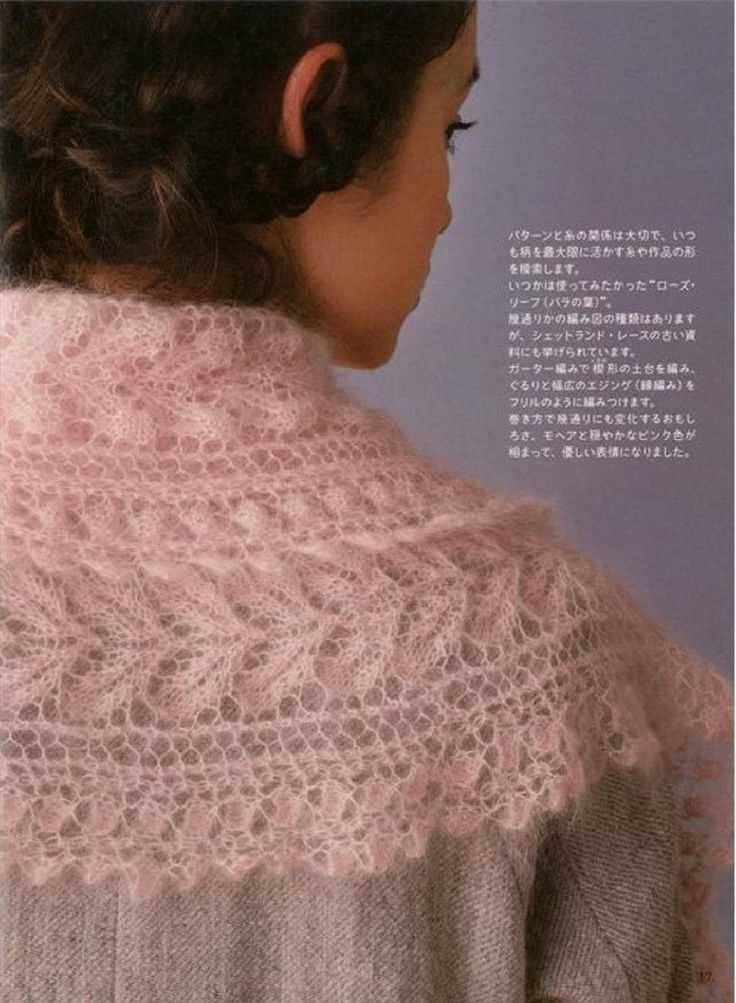
Shetland shawls are a traditional style of knitted garment that originate from the Shetland Islands in Scotland. These beautiful accessories are known for their intricate lace patterns and delicate, lightweight knit. They have been a staple of Shetland knitting tradition for centuries, and continue to be a popular item among knitters today.
The unique construction of Shetland shawls is what sets them apart from other knitted accessories. They are typically knit in the round from the center outwards, with the lace pattern gradually increasing in complexity as the shawl grows. This traditional technique creates a stunning finished product that is both functional and elegant.
One of the most popular features of Shetland shawls is the wide variety of lace patterns that can be used. From simple floral motifs to more intricate designs inspired by nature, there are endless possibilities for creating a unique and personalized shawl. The delicate lacework adds an air of sophistication and beauty to any outfit, whether it’s worn casually or for a special occasion.
If you’re interested in trying your hand at knitting a Shetland shawl, there are many resources available to help you get started. From books and online tutorials to knitting groups and workshops, there are plenty of opportunities to learn the techniques and patterns needed to create your own beautiful shawl. Whether you’re an experienced knitter or a beginner, knitting a Shetland shawl is a rewarding and enjoyable project that allows you to showcase your skills and create a timeless accessory.
How to choose a Shetland shawl knitting pattern
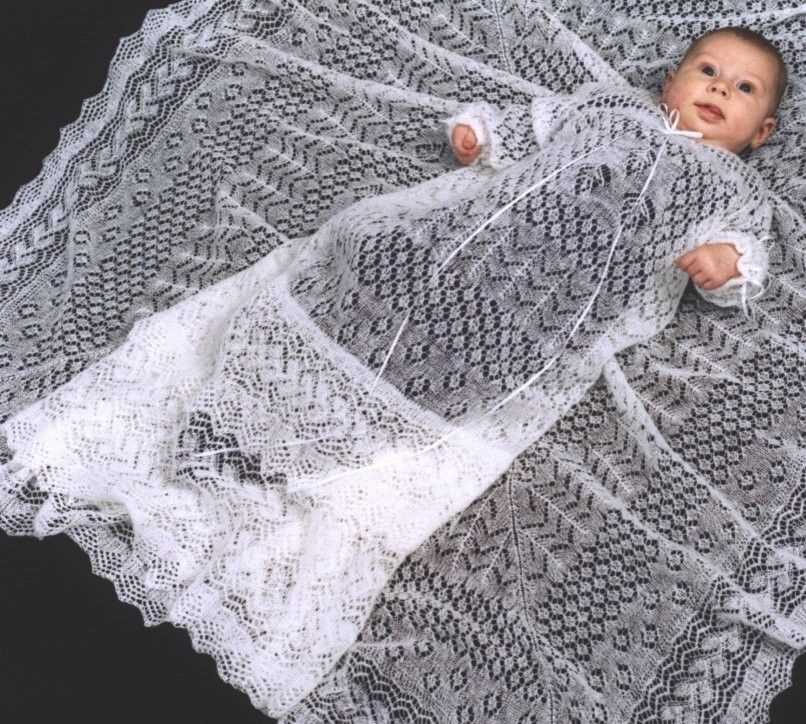
Choosing a Shetland shawl knitting pattern can be an exciting process, as there are so many beautiful designs to choose from. Whether you’re a beginner or an experienced knitter, there are a few factors to consider when selecting a pattern that will help you create a stunning and unique shawl.
1. Skill level: Start by assessing your knitting skills. If you’re a beginner, look for patterns labeled as “easy” or “beginner-friendly.” These patterns often have simpler stitch patterns and fewer lacework details, making them more accessible for those who are just starting out. For more experienced knitters, intermediate or advanced patterns can provide a challenge and the opportunity to learn new techniques.
2. Style and shape: Consider your personal style and the occasion for which you’re knitting the shawl. Shetland shawls come in various shapes, such as triangular, rectangular, or circular. Each shape creates a different drape and style. Triangular shawls are versatile and can be worn in different ways, while rectangular shawls are often more traditional and elegant. Think about the look you want to achieve and choose a pattern accordingly.
3. Lacework and motifs: Shetland shawls are known for their intricate lacework and beautiful motifs. Pay attention to the level of detail in the pattern and the complexity of the lace stitches. If you’re a beginner, start with patterns that have simpler lace patterns and gradually move on to more complex designs. Consider whether you want a shawl that features traditional Shetland motifs, such as roses, thistles, or starbursts, or if you prefer a more modern and abstract design.
4. Yarn choice: The choice of yarn can greatly impact the final look and feel of your shawl. Shetland wool is often the preferred yarn for these patterns due to its softness, warmth, and ability to hold lace stitches well. However, you can also experiment with other types of yarn, such as silk or cashmere blends, to create a unique texture and drape. Pay attention to the recommended yarn weight and yardage in the pattern and choose a yarn that matches these requirements.
5. Pattern source and reviews: Lastly, consider the source of the knitting pattern and read reviews from other knitters who have used the pattern before. This will give you an idea of the pattern’s clarity, accuracy, and any modifications that may be required. Look for patterns from reputable designers or knitting publications known for their high-quality patterns.
By considering these factors, you can choose a Shetland shawl knitting pattern that aligns with your knitting skills, personal style, and desired level of challenge. Whether you’re creating a timeless heirloom or a stylish accessory, a well-chosen pattern will help you knit a beautiful and cherished shawl.
Materials and Tools Needed for Knitting Shetland Shawls
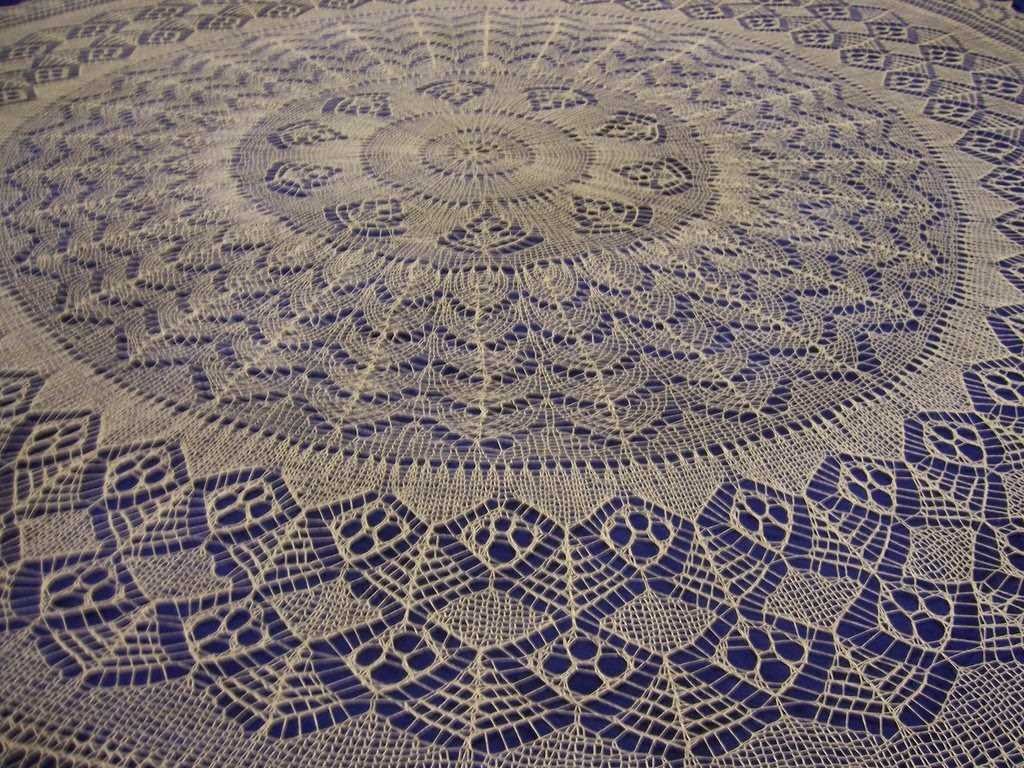
Knitting a Shetland shawl requires specific materials and tools to create the intricate lace patterns and delicate texture that these shawls are known for. Here are the essential items you will need:
Yarn:
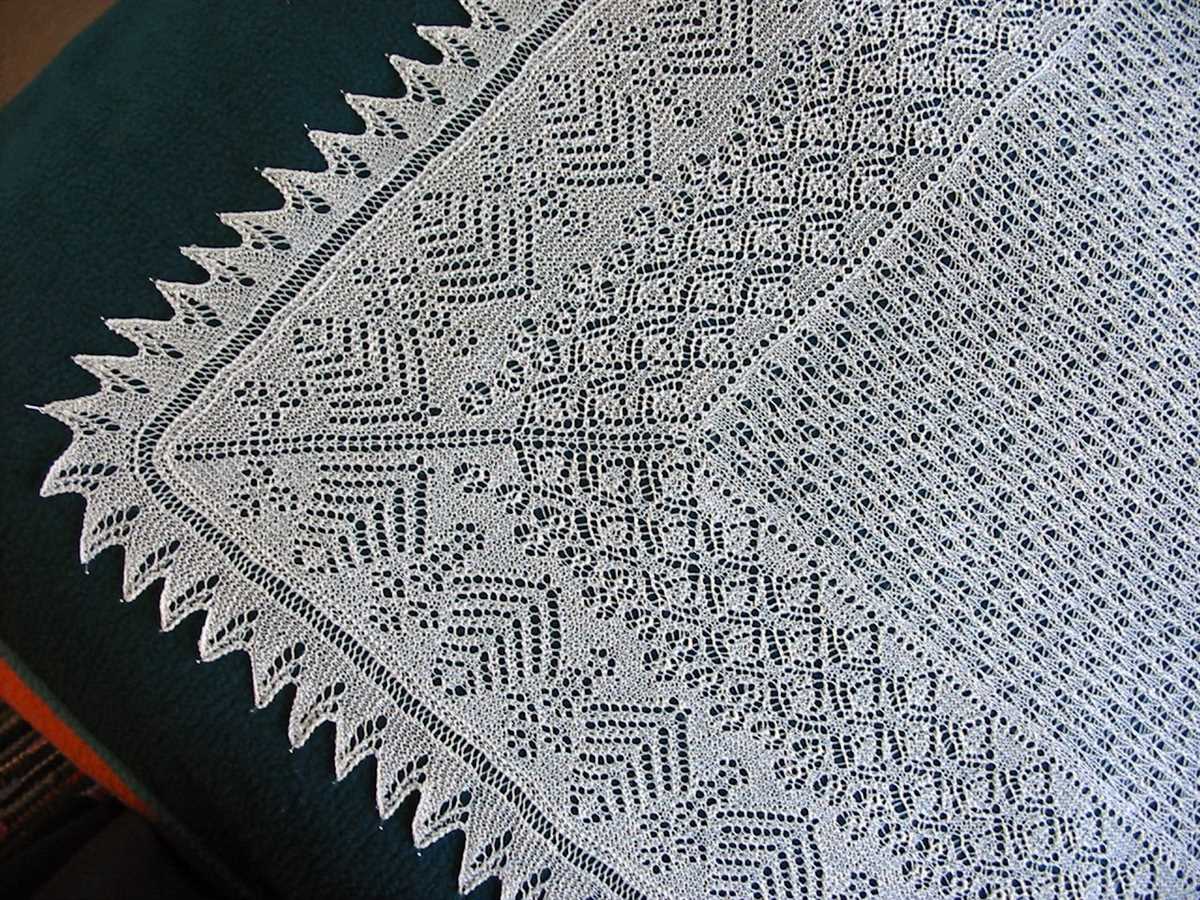
The most important material for knitting a Shetland shawl is the yarn. Traditionally, Shetland shawls are made from Shetland wool, which is renowned for its softness and warmth. You can also choose other lightweight and fine wool yarns, such as merino or cashmere blends, to achieve a similar effect. Make sure to select a yarn with good stitch definition to showcase the lace patterns.
Knitting Needles:
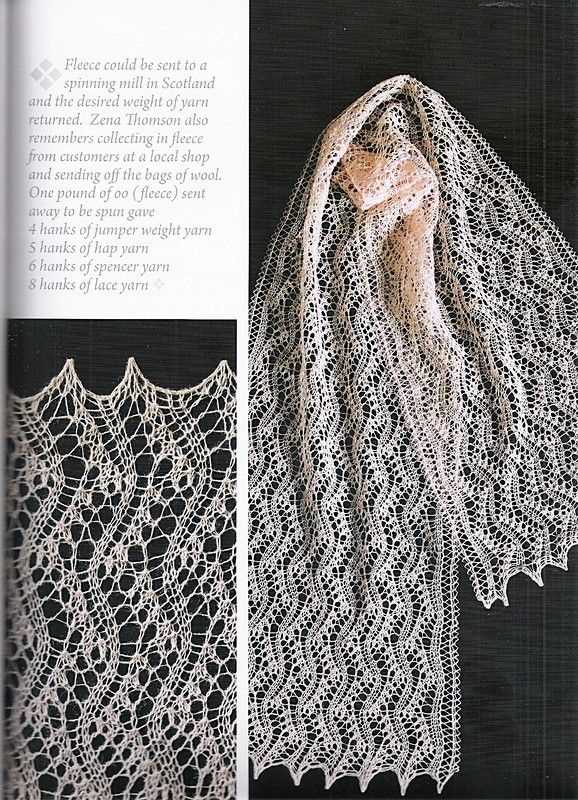
High-quality knitting needles are essential for creating a Shetland shawl with precision. Use circular needles in a size suitable for the yarn you have chosen. Circular needles are preferred as they can accommodate the large number of stitches needed for the shawl’s generous size. Opt for a needle length of at least 32 inches (80 cm) to comfortably accommodate the growing number of stitches as you progress.
Stitch Markers:
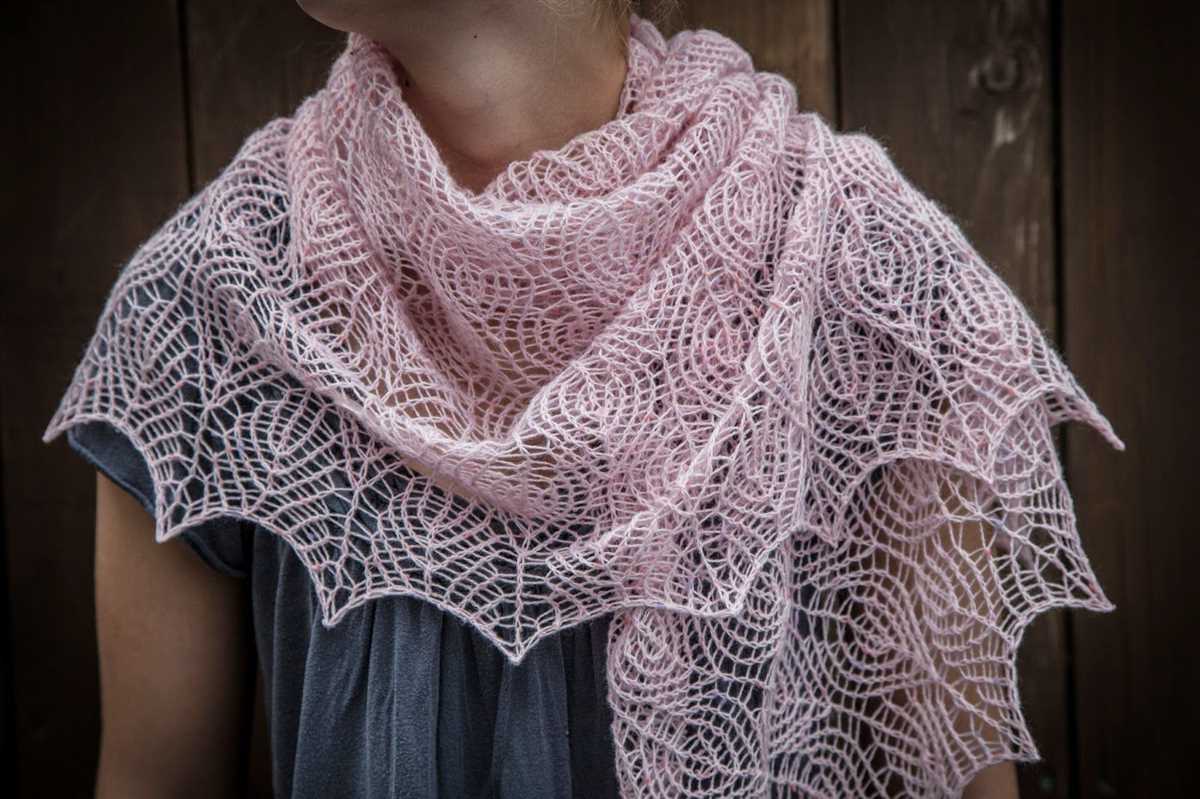
As you work on your Shetland shawl, stitch markers will come in handy to keep track of different sections or pattern repeats. Place markers at specific points in the pattern to help you stay organized and prevent mistakes. These markers can be as simple as small loops of contrasting yarn or specialized stitch markers that easily attach to your knitting needles.
Blocking Tools:
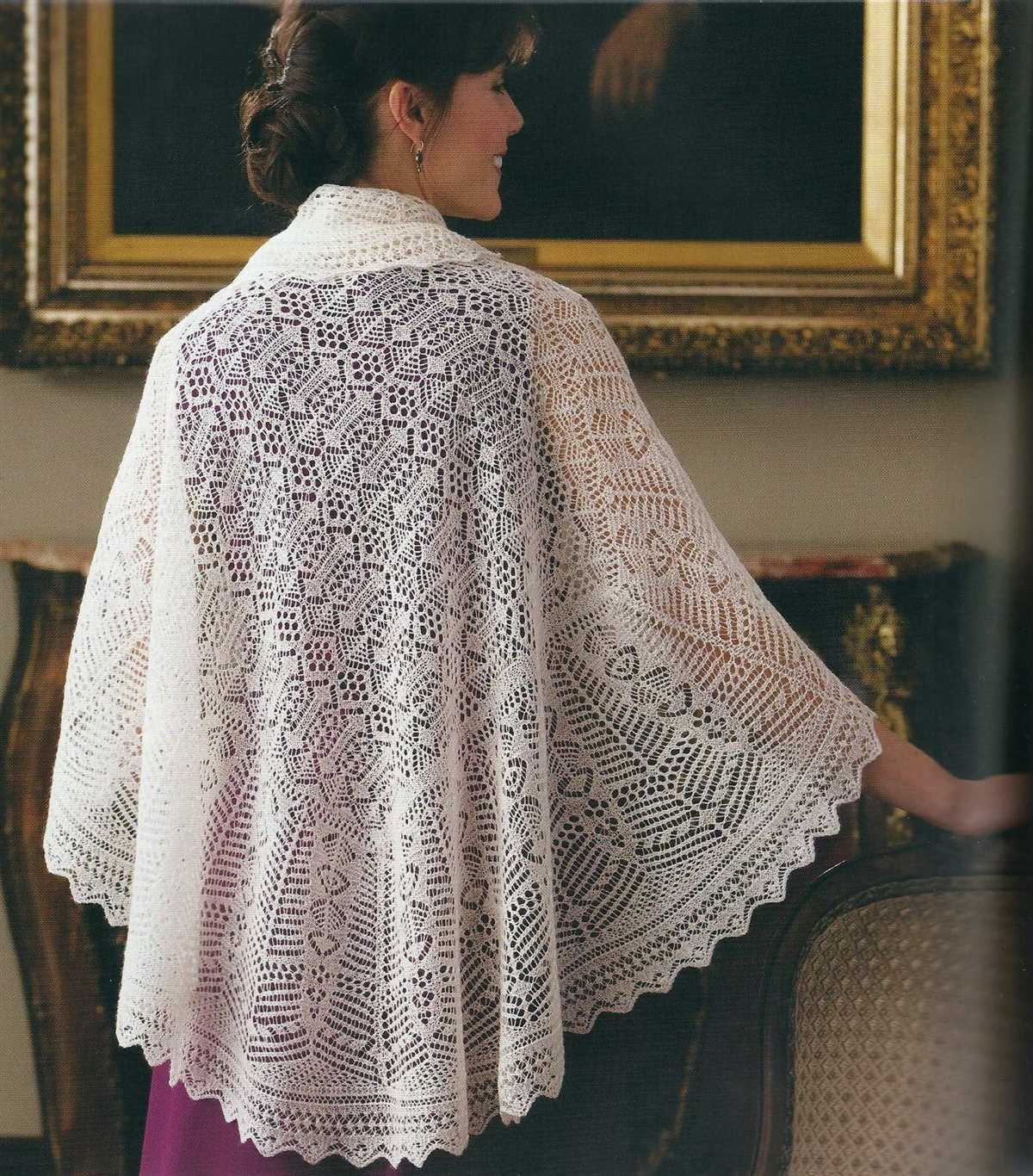
Blocking is a crucial step in finishing your Shetland shawl and giving it its characteristic drape and shape. You will need blocking tools such as blocking wires and T-pins to stretch and shape the shawl correctly. Blocking mats or a flat surface that can be easily pinned into can also be used to aid in the blocking process.
With these materials and tools in hand, you will be well-equipped to start knitting your own beautiful Shetland shawl. Remember to choose high-quality yarn and needles to bring out the intricate lace patterns and create a cherished heirloom piece.
Basic knitting techniques for Shetland shawls
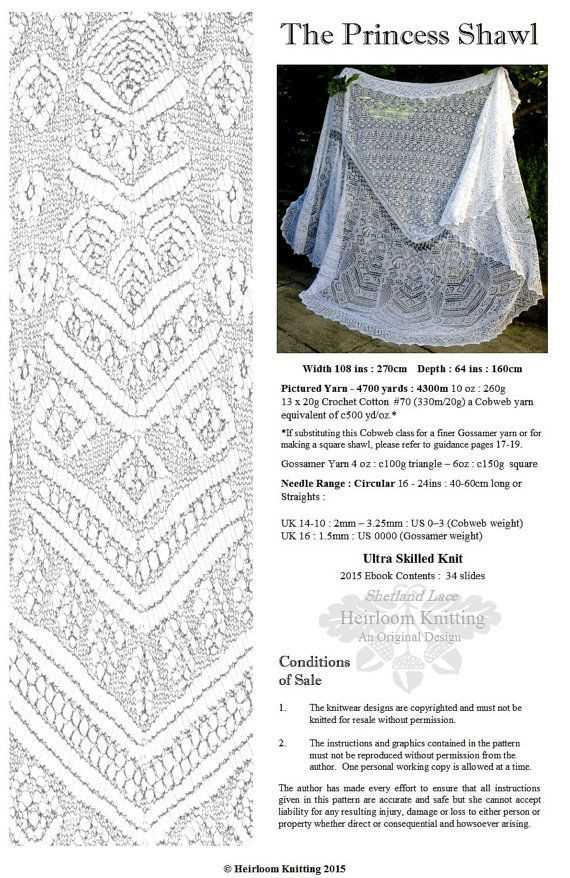
In order to create beautiful and intricate Shetland shawls, it is important to master some basic knitting techniques. These techniques will help you to achieve the delicate lacework and fine details that are characteristic of traditional Shetland shawls.
1. Lace knitting: Lace knitting is a key technique used in Shetland shawls. It involves creating intricate patterns using a combination of yarn overs, decreases, and other stitches. The lace patterns in Shetland shawls often feature motifs inspired by nature, such as flowers, leaves, and waves.
2. Blocking: Blocking is an essential step in finishing a Shetland shawl. After knitting, the shawl is soaked in water and then gently stretched and shaped to open up the lacework and create a smooth and even fabric. Blocking helps to bring out the intricate details and give the shawl its final shape and size.
3. Colorwork: Some Shetland shawls feature colorwork, where different colors of yarn are used to create patterns and designs. Fair Isle knitting is a common technique used in Shetland shawls, where two colors of yarn are used in each row and the unused color is carried across the back of the work.
4. Provisional cast on: A provisional cast on is often used in Shetland shawls to create a temporary cast on edge that can be easily removed later. This is useful when knitting a shawl that has a border or edging, as it allows for the edging to be knitted on separately and then joined to the main body of the shawl.
5. Grafting: Grafting, also known as Kitchener stitch, is a technique used to invisibly join two sets of live stitches together. This is often used in Shetland shawls to join the ends of the shawl together or to join the edging to the main body of the shawl. Grafting creates a seamless and professional-looking finish.
Incorporating these basic knitting techniques into your Shetland shawl projects will help you to create beautifully intricate and traditional designs. Whether you are a beginner or an experienced knitter, mastering these techniques will give you the skills needed to create stunning Shetland shawls.
Intermediate Knitting Techniques for Shetland Shawls
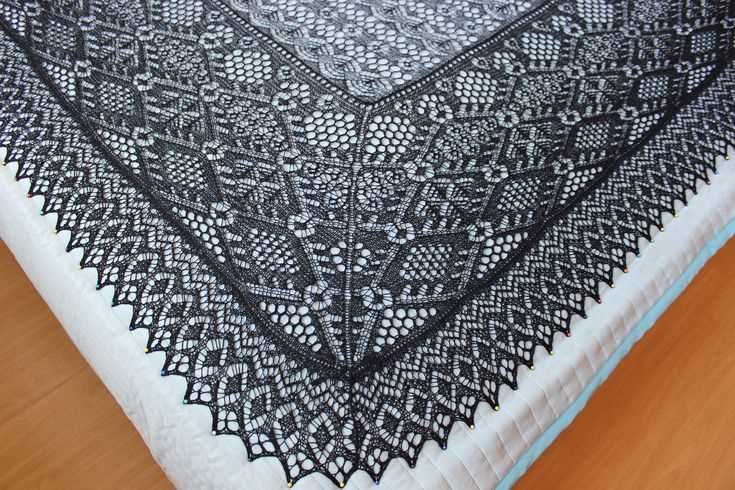
Shetland shawls are renowned for their intricate lace patterns and delicate designs. In order to create these beautiful pieces, intermediate knitting techniques are often required. These techniques take the basic skills of knitting to the next level, allowing for the creation of complex lace motifs and shaping.
One common intermediate technique used in Shetland shawl knitting is lace knitting. Lace knitting involves using a combination of knit, purl, yarn overs, and decreases to create intricate openwork patterns. These patterns often include lace motifs such as leaves, flowers, and geometric shapes, which are repeated throughout the shawl to create a stunning overall design.
Yarn overs are an essential component of lace knitting. These are created by simply wrapping the yarn around the needle during a stitch, resulting in an extra loop that adds a decorative hole to the fabric. Yarn overs are typically paired with decreases, such as knit two together (k2tog) or slip slip knit (ssk), to create the lacy motifs found in Shetland shawls.
Decreases are another intermediate knitting technique used in Shetland shawl knitting. These techniques are necessary for shaping the shawl and creating decorative motifs. Common decreases used in lace knitting include knit two together (k2tog), which decreases two stitches into one, and slip slip knit (ssk), which also decreases two stitches into one but creates a left-leaning decrease.
Another intermediate technique often used in Shetland shawl knitting is knitting on the edge. This technique involves adding additional stitches to the side edges of the shawl to create a decorative border. These border stitches can be used to add lace patterns or other decorative motifs, enhancing the overall design of the shawl.
In summary, intermediate knitting techniques such as lace knitting, yarn overs, decreases, and knitting on the edge are essential for creating the intricate lace patterns and delicate designs found in Shetland shawls. These techniques allow knitters to take their skills to the next level and create stunning shawls that are both beautiful and intricate.
Advanced knitting techniques for Shetland shawls
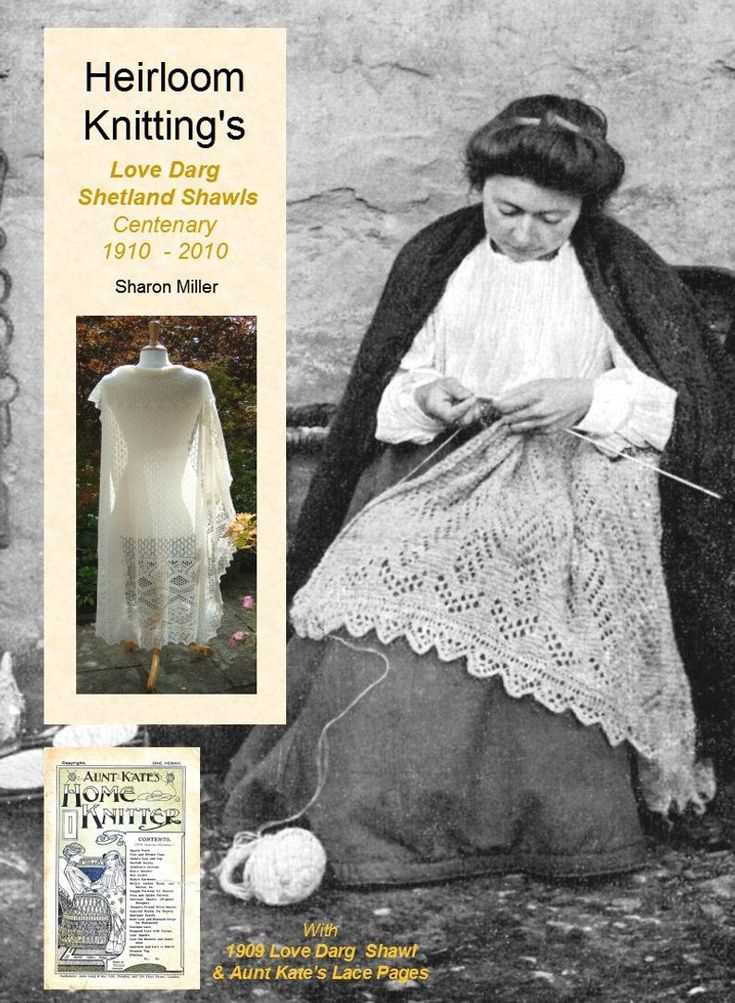
Shetland shawls are renowned for their intricate designs and delicate lace patterns. Knitting a Shetland shawl requires advanced knitting techniques to create the intricate lace motifs and the characteristic “hap” or square-shaped design.
1. Lace knitting
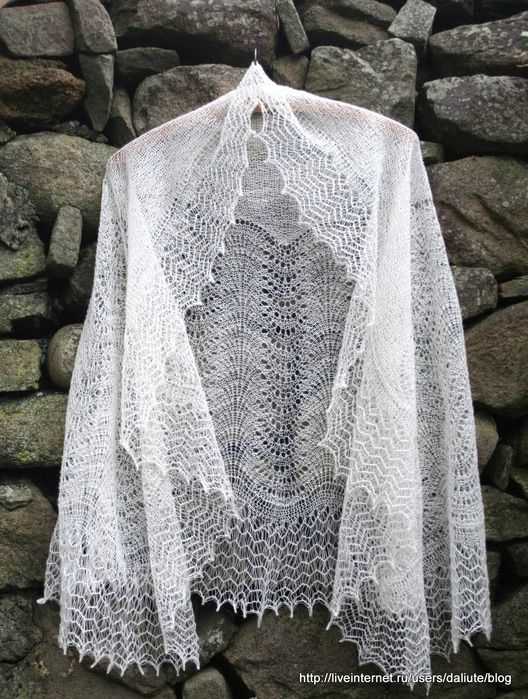
Lace knitting is a fundamental technique for knitting Shetland shawls. It involves creating intricate patterns of yarn overs and decreases to form delicate lace motifs. Working with lace charts is essential, as they provide a visual representation of the pattern. It requires attention to detail and the ability to read and follow complex lace instructions.
Some common lace stitches used in Shetland shawls include the traditional Shetland lace motifs, such as the “fir cone,” “cockleshell,” or “cat’s paw” patterns. These motifs create the beautiful texture and delicate lacy appearance that characterize Shetland shawls.
2. Colorwork
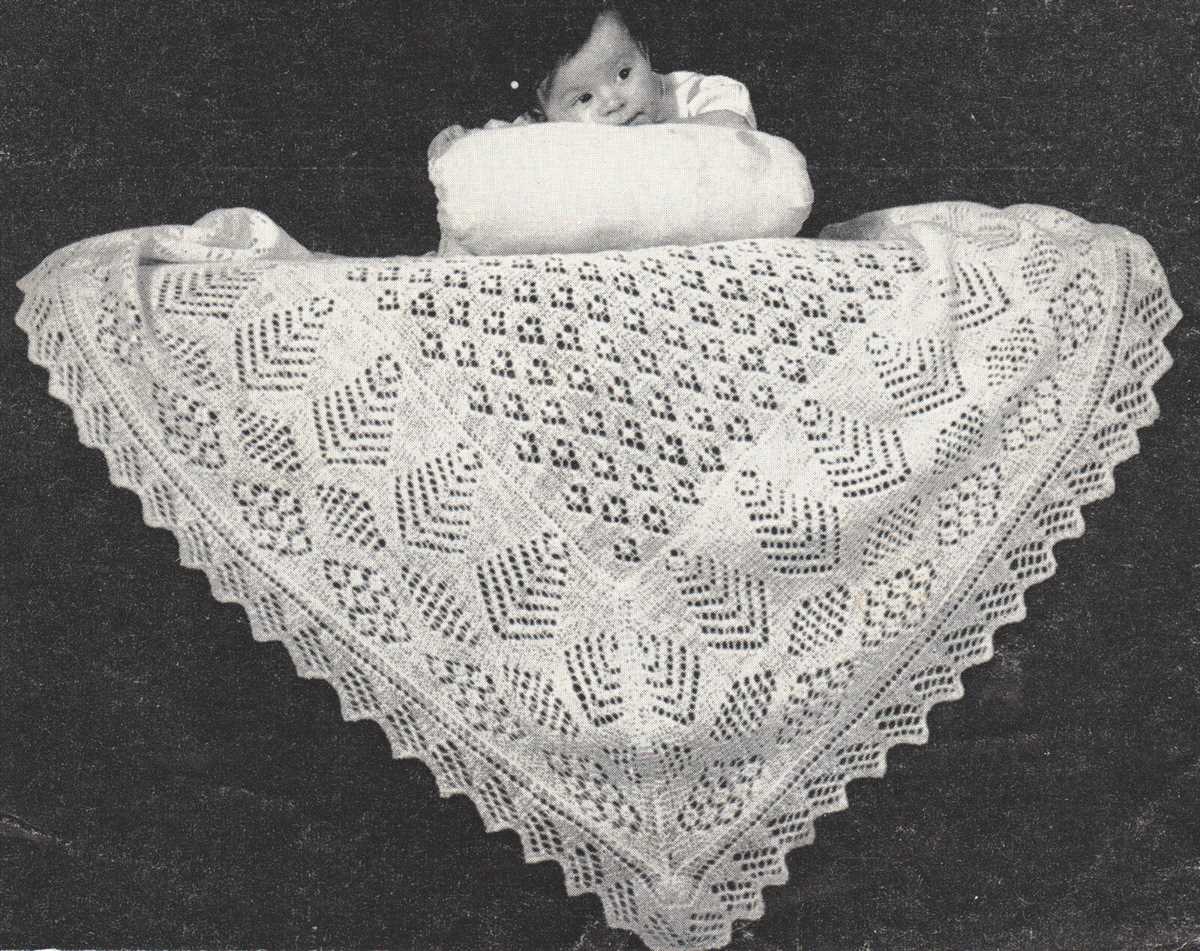
In addition to lace knitting, Shetland shawls often feature colorwork patterns. This technique involves working with multiple yarn colors to create intricate designs. The most common colorwork technique used in Shetland shawls is stranded knitting, also known as Fair Isle knitting.
Stranded knitting requires knitting with two or more colors in each row, carrying the colors not in use across the back of the work. It requires skill in tensioning the yarn and managing floats (strands of yarn carried across the back) to ensure an even and smooth knitted fabric.
3. Steeking
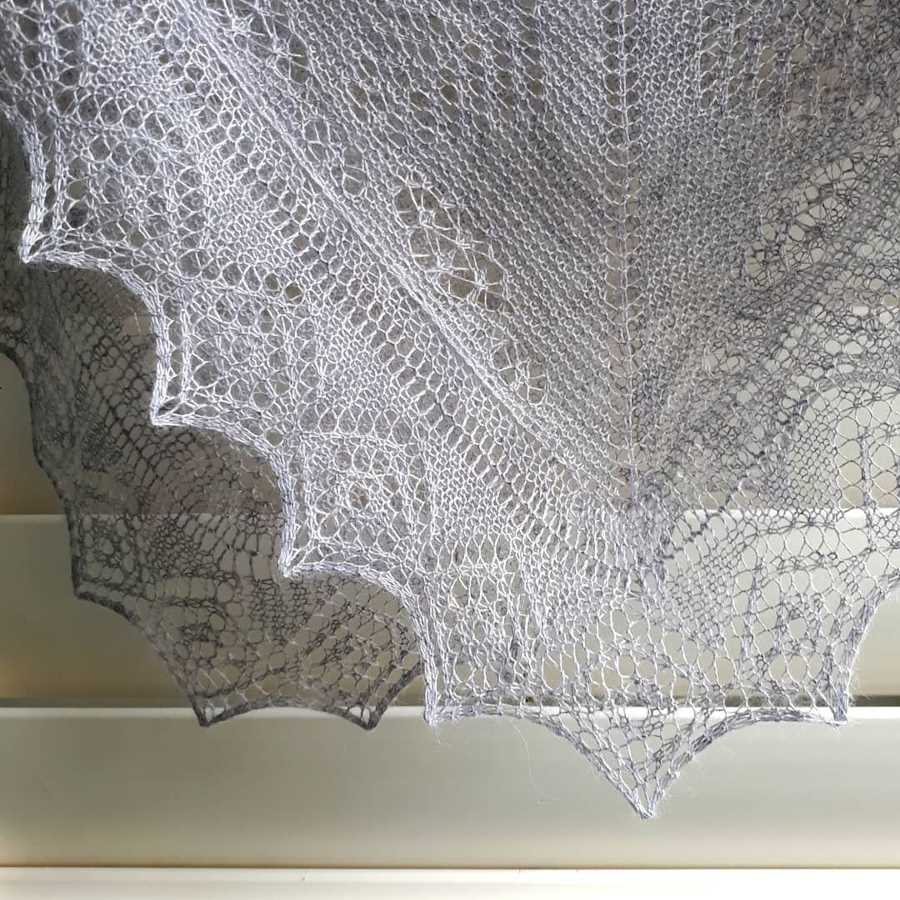
Steeking is a technique unique to Shetland shawls, which involves cutting a knitted piece to create openings, such as armholes or cardigan fronts. This technique is often used when knitting a traditional hap, as it allows for the square shape and easy wearability of the shawl. Steeking requires careful reinforcement of the stitches before cutting to prevent unraveling.
Some knitters may find the idea of cutting their knitting daunting, but with careful planning and proper techniques, steeking can be a rewarding and efficient way to create Shetland shawls.
Overall, knitting Shetland shawls requires a combination of lace knitting, colorwork, and steeking techniques. The finished shawls are intricate, delicate, and stunning examples of traditional Shetland craftsmanship.
Tips and tricks for successful Shetland shawl knitting
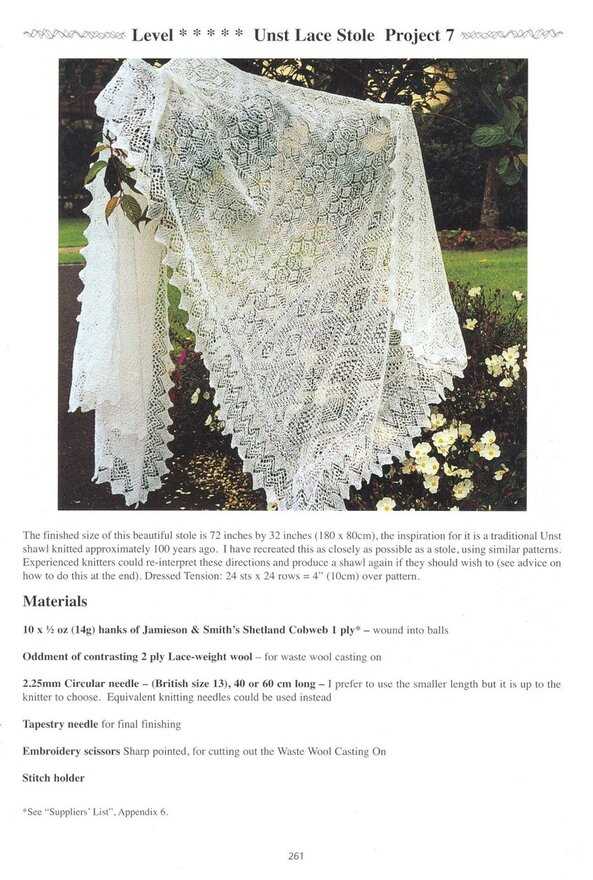
Knitting a Shetland shawl can be a challenging and rewarding project. Here are some tips and tricks to help you succeed in your knitting journey.
1. Choose the right yarn: Shetland shawls are traditionally knit using fine lace-weight yarn made from Shetland wool. This type of yarn has a natural softness and warmth that adds to the overall beauty of the shawl. Opt for a high-quality yarn that will hold its shape and block well.
2. Use lifelines: Lifelines are an essential tool for lace knitting. By inserting a thin thread through your stitches after completing a specific section, you can easily rip back without losing your progress. This is especially useful if you make a mistake and need to correct it.
3. Block your shawl: Blocking is a crucial step in knitting shawls. It helps to even out the stitches, open up the lace pattern, and give the shawl its final shape. Take your time to carefully block your shawl according to the instructions provided in the pattern.
4. Pay attention to stitch markers: Stitch markers can be your best friend when knitting a complex lace pattern. They can help you keep track of stitch counts, pattern repeats, and any increases or decreases. Use different colored markers to distinguish between different sections of the shawl.
5. Practice patience: Lace knitting requires concentration and patience. Take your time and enjoy the process. Don’t get discouraged if you make mistakes or need to rip back. Remember that knitting is a journey, and each stitch brings you closer to the finished shawl.
6. Experiment with color and pattern combinations: Shetland shawls offer endless possibilities for creativity. Don’t be afraid to experiment with different colors and pattern combinations to make your shawl unique. Consider using gradients, stripes, or even incorporating different lace motifs for added visual interest.
7. Seek support and inspiration: Joining a knitting group or online community can provide you with valuable support and inspiration. Share your progress, ask for advice, and learn from other experienced knitters. Seeing their beautiful creations can motivate you to keep going and improve your skills.
Remember, knitting a Shetland shawl requires practice and perseverance. With these tips and tricks, you can create a stunning and heirloom-quality shawl that showcases the beauty of Shetland knitting tradition.