Simple yet stylish: Chevron knit scarf pattern
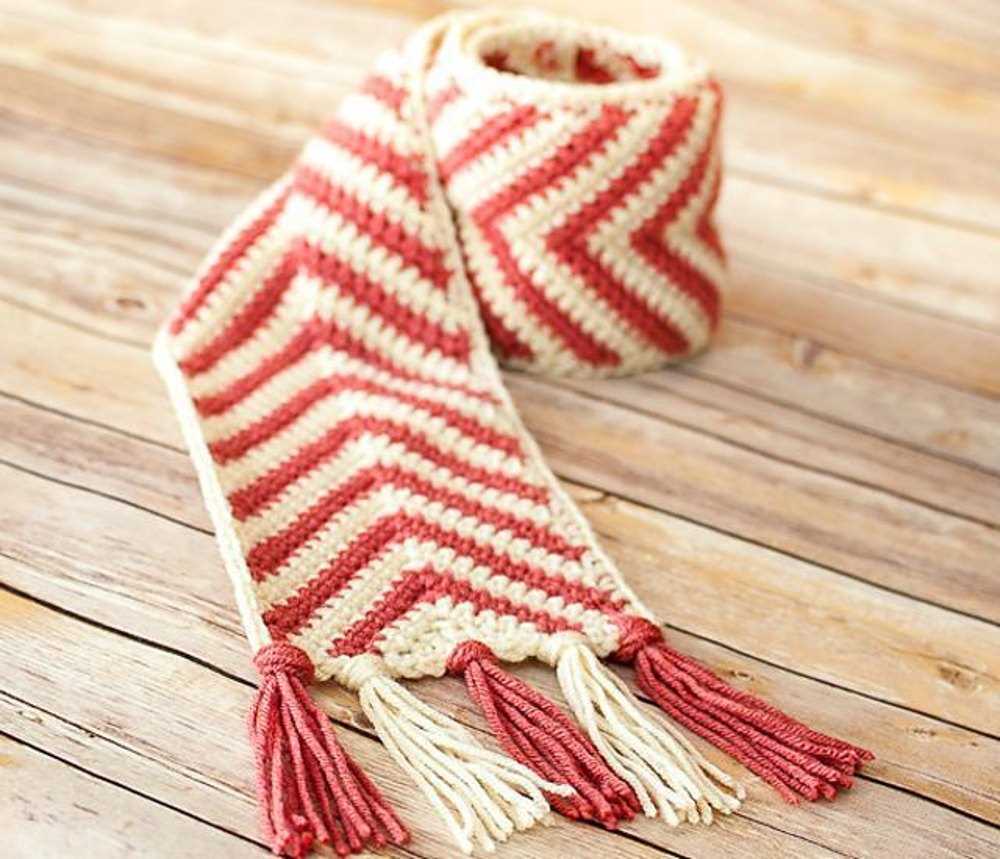
Winter is the perfect time to showcase your knitting skills, and what better way to do it than with a chic and stylish chevron knit scarf? Chevron patterns have been a popular choice among knitters for their striking visual appeal and versatility. Whether you’re a beginner or an experienced knitter, this Chevron knit scarf pattern is a great project to showcase your talent and keep yourself warm at the same time.
The Chevron knit scarf pattern is known for its iconic zigzag pattern, which adds a touch of sophistication to any outfit. The pattern involves alternating rows of knit and purl stitches to create the chevron design. The result is a stunning scarf that you can wrap around your neck or drape over your shoulders for an effortlessly elegant look.
One of the best things about knitting a Chevron scarf is the endless possibilities for customization. You can choose any color combination that you like, allowing you to match it with your favorite winter coat or sweater. Additionally, you can adjust the length and width of the scarf to your liking, making it a truly personalized accessory. So, whether you prefer a chunkier scarf for extra warmth or a lightweight one for a more delicate look, this pattern can be easily adapted to suit your preferences.
Chevron Knit Scarf Pattern: A Step-by-Step Guide to Creating a Stylish and Cozy Accessory
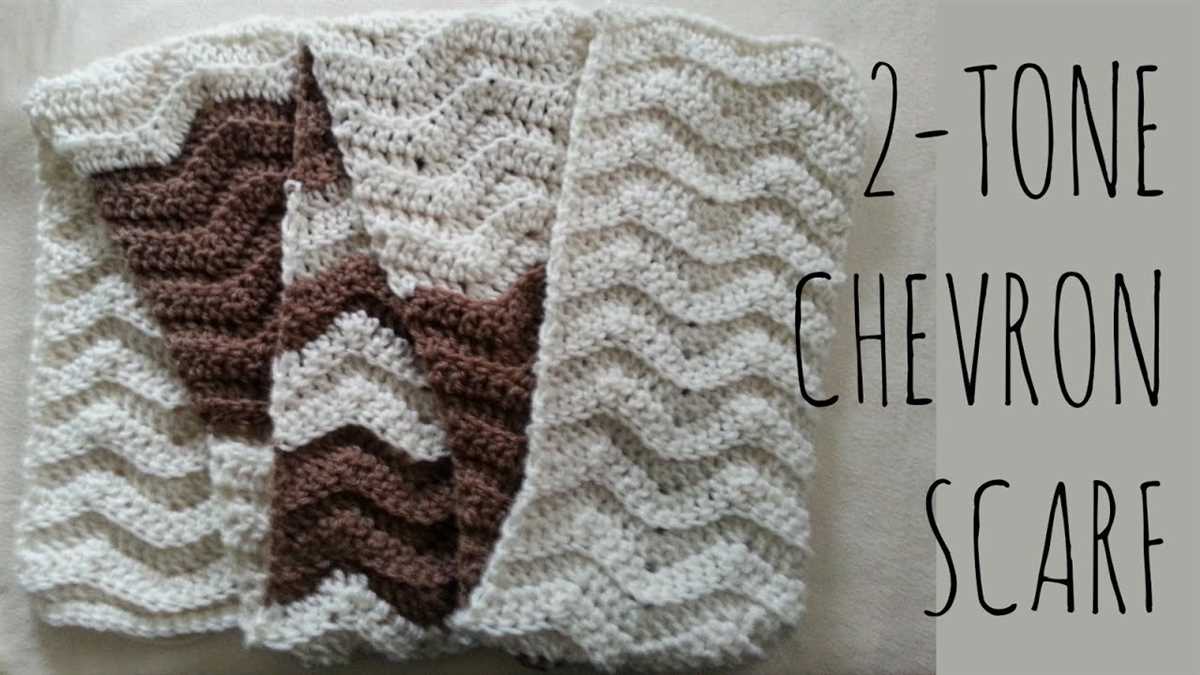
Are you looking to add a touch of style and warmth to your winter wardrobe? Look no further than the Chevron Knit Scarf Pattern. This pattern is not only fashionable but also easy to follow, making it perfect for both beginner and experienced knitters.
To get started, you will need a few basic knitting supplies. Make sure you have a pair of knitting needles in the appropriate size for your desired yarn weight, as well as a skein of yarn in a color of your choice. Once you have your supplies, you can begin knitting your Chevron Scarf.
To create the chevron pattern, you will need to familiarize yourself with a few simple knitting techniques. The pattern is made up of a series of decreases and increases, which create the distinctive zigzag design. By alternating between these two techniques, you will be able to create the chevron pattern easily.
- Start by casting on the desired number of stitches, making sure it is a multiple of the chevron repeat.
- Knit the first row.
- On the second row, begin the chevron pattern by knitting two stitches together at the beginning of the row, and then knitting two stitches into one stitch at the end of the row.
- Continue this pattern, decreasing and increasing at the beginning and end of each row, until you have reached the desired length for your scarf.
- Finish off your scarf by binding off the stitches and weaving in any loose ends.
Once you have completed your Chevron Knit Scarf, you will have a stylish and cozy accessory that is perfect for keeping warm during the colder months. The chevron pattern adds a modern touch to any outfit, and the knit fabric provides both comfort and insulation. Whether you choose to wear it with a coat or drape it over your shoulders as a shawl, this scarf is sure to become a staple in your winter wardrobe.
Choosing the Right Yarn and Needles for Your Chevron Knit Scarf
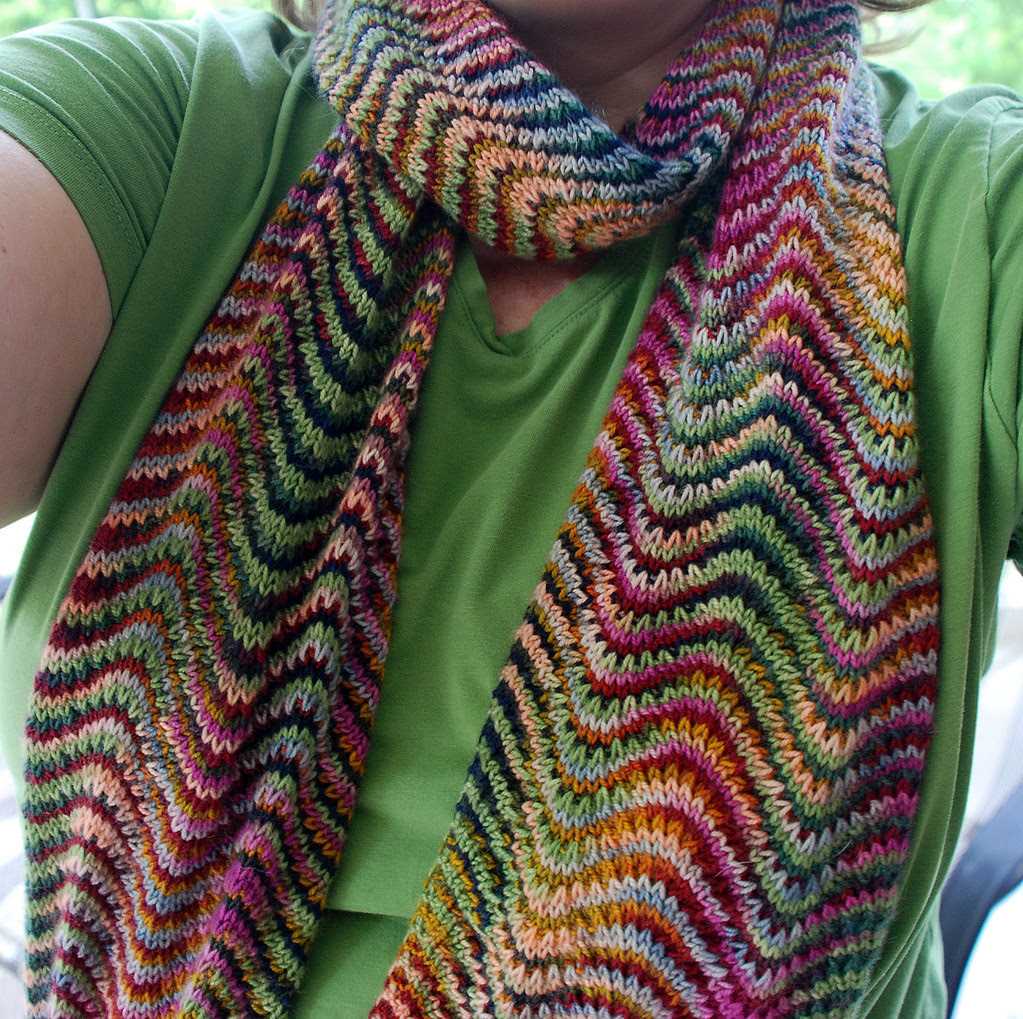
When it comes to knitting a chevron scarf, choosing the right yarn and needles is essential to achieve the desired results. The yarn you select will determine the overall look and feel of your scarf, while the needles will determine the gauge and stitch definition.
Yarn: Look for a yarn that is soft, cozy, and suitable for cold weather. Wool or wool-blend yarns are popular choices for scarves due to their warmth and durability. Consider the weight of the yarn as well. For a chunky and cozy scarf, opt for a bulky or super bulky weight yarn. If you prefer a more delicate and lightweight scarf, choose a fingering or sport weight yarn.
Needles: The size of needles you use will depend on the weight of the yarn and the desired gauge. For thicker yarns, such as bulky or super bulky, you may need larger needles, such as US size 10 or above, to create a looser and more open fabric. For lighter weight yarns, smaller needles, such as US size 6 or 7, can help you achieve a tighter and more defined stitch pattern.
Additionally, consider the type of needle you prefer to work with. Straight needles are ideal if you prefer working back and forth in rows, while circular needles are more versatile and allow you to work both flat and in the round. Choose the needle type that you find most comfortable and convenient for your knitting style.
Ultimately, the right yarn and needles for your chevron knit scarf will depend on your personal preferences, the desired texture, and the intended use of the finished scarf. Experiment with different yarns and needle sizes to find the perfect combination that will help you create a beautiful and cozy chevron knit scarf to keep you warm during the colder months.
Getting Started: Casting On Stitches
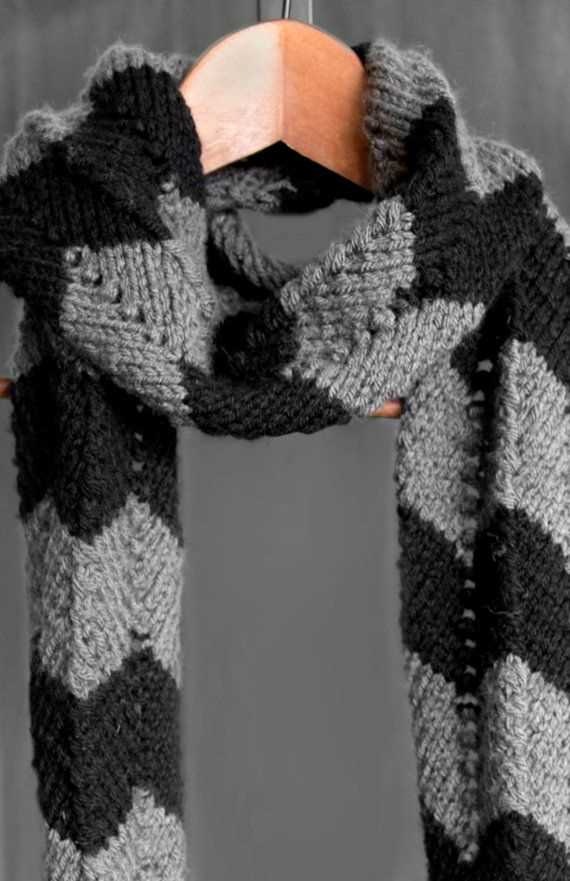
Casting on stitches is the first step in starting your chevron knit scarf. This process creates the foundation row for your project, and it’s important to get it right to ensure your scarf turns out the way you want it.
To cast on stitches for your chevron knit scarf, you will need a pair of knitting needles and your chosen yarn. Start by making a slipknot at the end of your yarn, leaving a tail that is about 6 inches long. Insert one knitting needle through the slipknot, and tighten it gently.
Now, you’re ready to begin casting on your stitches. Hold the knitting needle with the slipknot in your right hand, and place the empty knitting needle in your left hand. Bring the empty needle behind the needle with the slipknot, and insert it through the slipknot from right to left.
With your right hand, wrap the yarn around the back of the needle in your left hand, and then bring it through the slipknot. This creates a loop on the right-hand needle. Slip the loop onto the right-hand needle, and gently tighten the stitch.
Continue this process of inserting the empty needle into the slipknot, wrapping the yarn around the back of the needle, and slipping the loop onto the right-hand needle until you have cast on the desired number of stitches for your chevron knit scarf.
Make sure to count your stitches as you go to ensure you have the correct number for your pattern. Once you’ve finished casting on, you’re ready to start knitting your chevron pattern and creating your beautiful scarf!
Knitting the Foundation Rows: Garter Stitch
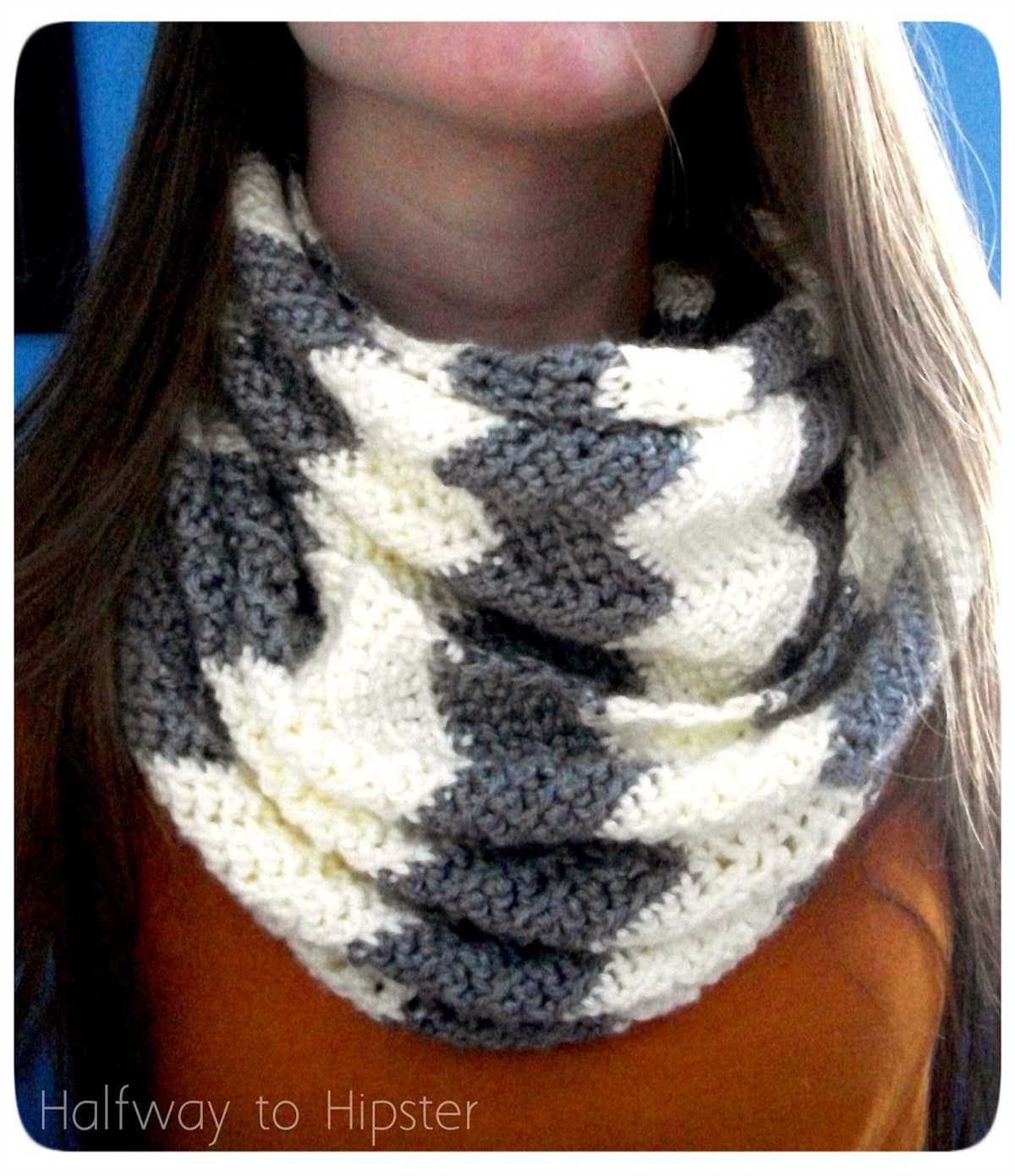
The foundation rows of a knitted scarf are the starting point for creating a Chevron knit pattern. In this pattern, the foundation rows are worked in garter stitch, which is a simple yet classic knitting stitch pattern that creates a textured fabric with ridges.
Garter Stitch:
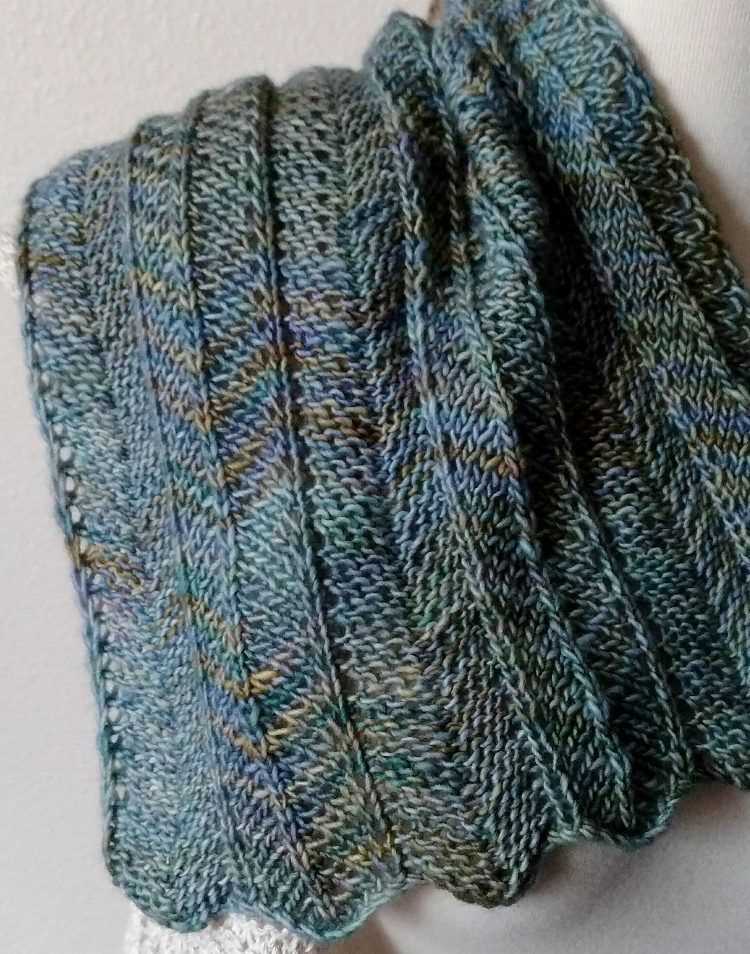
Garter stitch is created by knitting every row, resulting in a fabric with a consistent texture on both sides. It is commonly used for scarves, blankets, and other projects where a reversible fabric is desired. To create garter stitch, you simply knit every stitch on every row.
To begin knitting the foundation rows in garter stitch for your Chevron knit scarf, you will need to cast on the desired number of stitches using your chosen yarn and knitting needles. It is recommended to use a smooth, medium-weight yarn for this pattern to help showcase the texture of the garter stitch.
- Cast on the desired number of stitches for your scarf.
- Row 1: Knit across all stitches.
- Row 2: Knit across all stitches.
Repeat these two rows until your foundation rows reach the desired width for your Chevron knit scarf. Remember to keep your tension consistent throughout to ensure an even and neat fabric. Once your foundation rows are complete, you will be ready to move on to the next step of the Chevron knit scarf pattern.
Creating the Chevron Pattern: Increasing and Decreasing Stitches
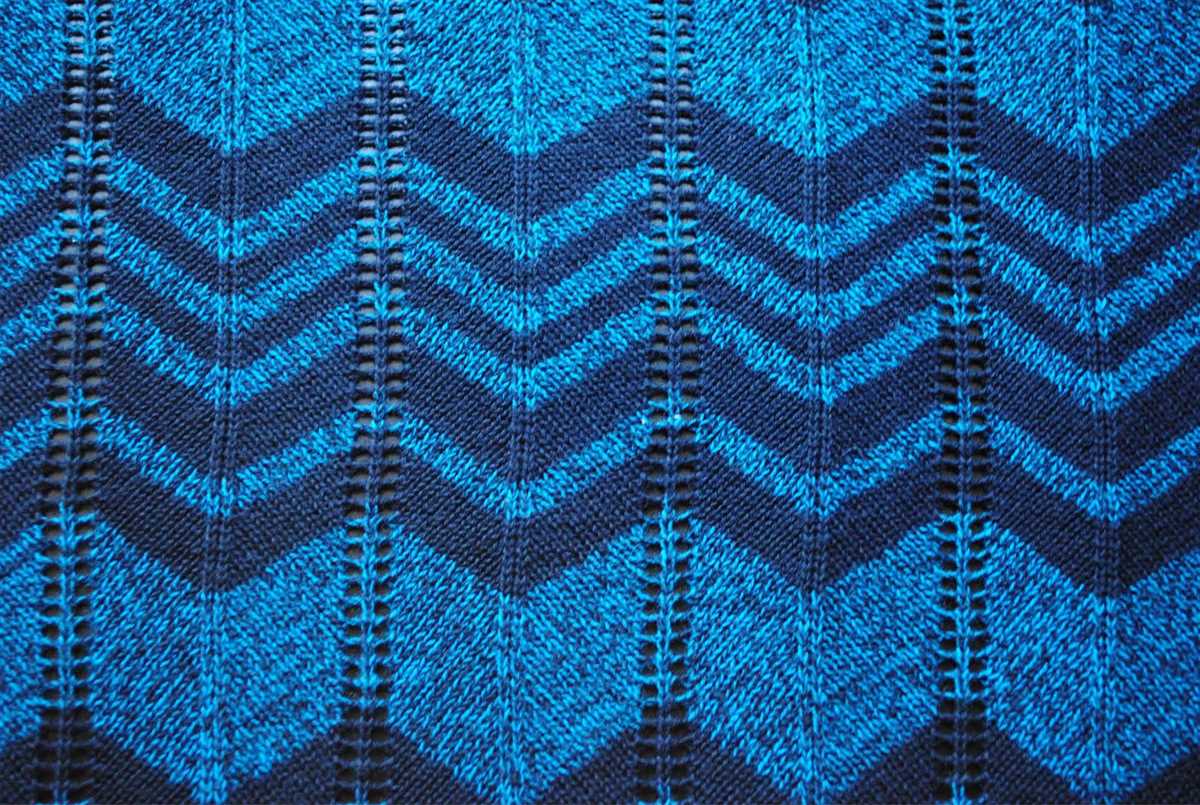
When knitting a chevron pattern for a scarf, it is important to know how to increase and decrease stitches in order to create the distinctive V-shaped peaks and valleys. By understanding these techniques, you can easily follow the pattern and achieve the desired chevron effect.
To begin, you will need to cast on the required number of stitches for your chevron pattern. Each peak and valley in the pattern will typically consist of a set number of stitches, which should be specified in the pattern instructions. Pay attention to any additional stitches that may be required for the edges of the scarf.
Increasing Stitches: In order to create the upward slopes of the chevron pattern, you will need to increase stitches. This is typically done by making a knit or purl stitch through the front and back of an existing stitch, commonly referred to as the “kfb” or “pfb” stitch. By doing this, you are essentially splitting the stitch and creating two stitches in its place. Repeat this increase stitch at the specified intervals in the pattern to gradually build up the peaks of the chevron.
Decreasing Stitches: To form the downward slopes of the chevron pattern, you will need to decrease stitches. This is usually done by knitting or purling two stitches together, known as the “k2tog” or “p2tog” stitch. This decreases two stitches into one, resulting in a narrower portion of the scarf. Repeat this decrease stitch at the designated intervals in the pattern to create the valleys of the chevron.
By following the instructions for increasing and decreasing stitches in your chevron pattern, you will be able to create beautiful V-shaped peaks and valleys in your scarf. Whether you’re a beginner or experienced knitter, mastering these techniques will allow you to create stunning chevron patterns with ease.
Adding Contrast with Color Changes
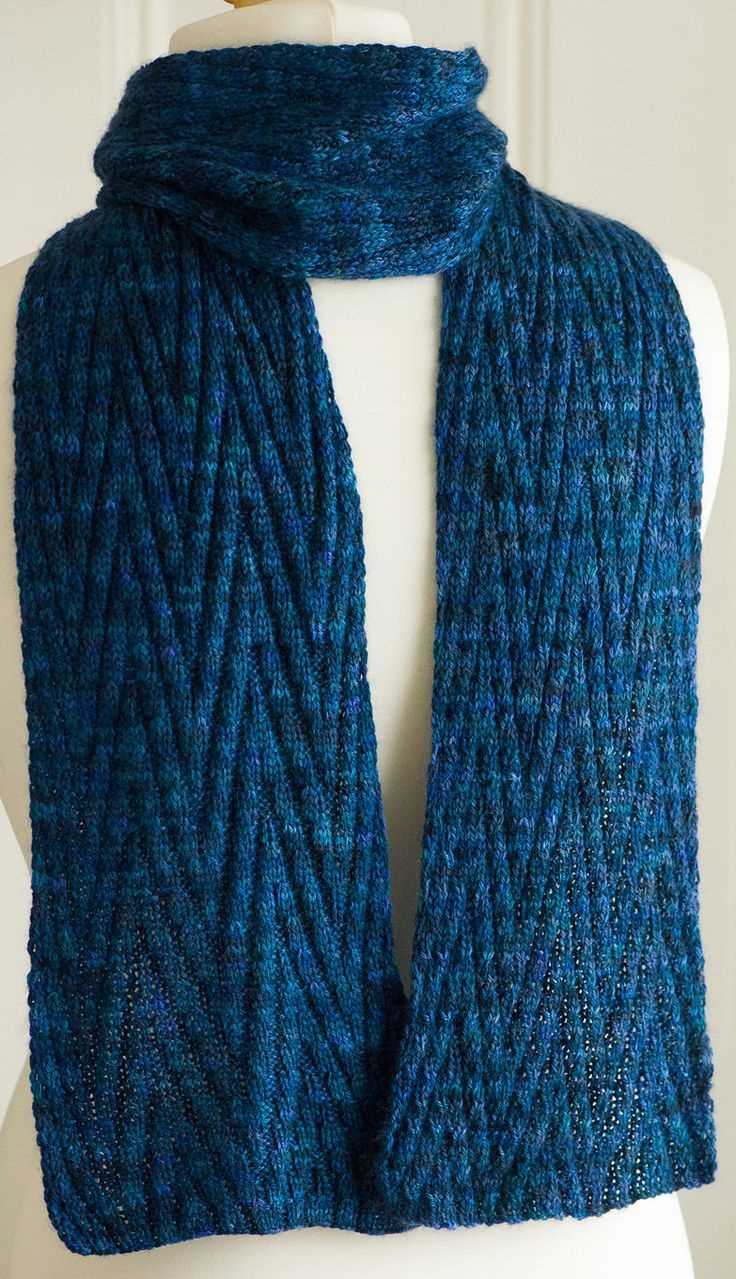
Creating a Chevron knit scarf pattern allows for endless possibilities when it comes to color combinations. One way to add visual interest and contrast to your scarf is by incorporating color changes. By simply switching from one color to another, you can create a bold and striking effect.
There are several ways you can integrate color changes into your Chevron knit scarf pattern. One option is to alternate between two contrasting colors for each chevron section. For example, you could use a vibrant red and a deep navy blue to create a bold and eye-catching design. Another option is to use a variegated yarn that changes color throughout the scarf. This can add a unique element to your design and create a beautiful gradient effect.
To achieve color changes in your Chevron knit scarf pattern, you will need to follow a specific pattern or chart that outlines when and where to switch colors. This can be done by using different colored yarns or by using a technique called intarsia, where you carry the unused yarn across the back of your work. Whichever method you choose, it is important to ensure that your color changes are neat and tidy, with no loose ends or tangled yarn.
Incorporating color changes into your Chevron knit scarf pattern can take your design to the next level. It adds visual interest and allows you to personalize your scarf with your favorite color combinations. Whether you choose to go bold with contrasting colors or create a more subtle gradient effect, color changes are sure to make your Chevron knit scarf stand out.
Shaping the Chevron: Tips and Tricks for Even Rows
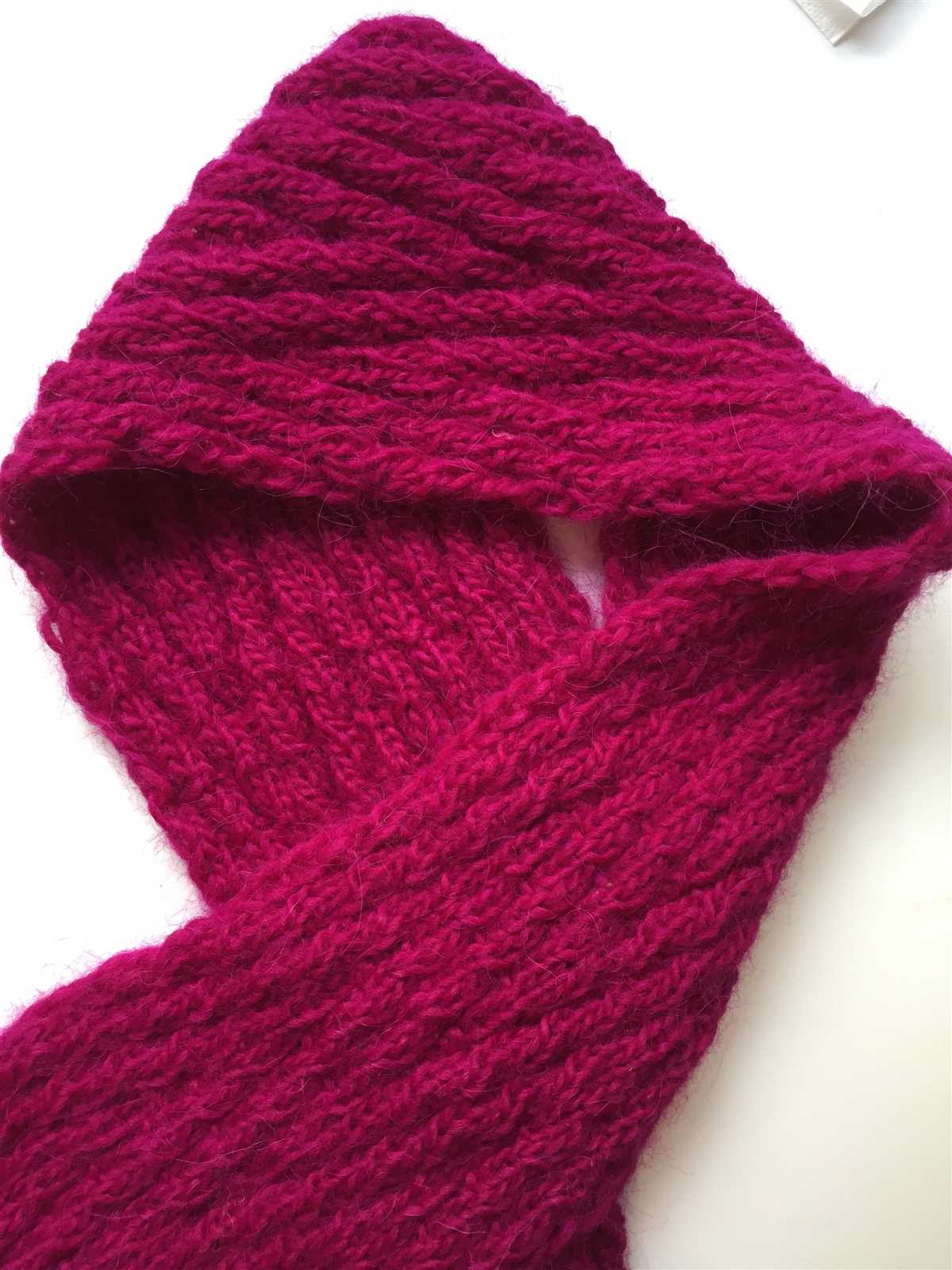
Creating a chevron knit pattern can be a fun and rewarding project, but achieving nice even rows can sometimes be a challenge. Here are some helpful tips and tricks to ensure your chevron design is symmetrical and visually appealing.
1. Count your stitches: One of the most important aspects of creating an even chevron pattern is to keep track of your stitches. Whether you are increasing or decreasing, make sure you are working the correct number of stitches in each row. Double-checking your stitch count at the end of each row can save you from any potential mistakes.
2. Use stitch markers: Placing stitch markers at regular intervals can help you keep track of your stitch count and ensure that your increases or decreases are evenly distributed. This can be particularly helpful when working with intricate chevron patterns that have multiple increases and decreases within each row.
3. Follow a clear pattern: Finding a well-written chevron knit pattern with clear instructions can make the shaping process much easier. Look for a pattern that provides detailed explanations and includes charts or diagrams to visually guide you through the shaping of the chevron design.
4. Pay attention to tension: Maintaining consistent tension throughout your knitting is crucial for achieving even rows. If your tension varies, your stitches may be uneven, leading to an irregular chevron pattern. Take care to knit with a relaxed but consistent tension to ensure a smooth and uniform result.
5. Block your finished piece: After completing your chevron knit scarf, blocking can help even out any minor inconsistencies in your stitchwork and give your project a professional finish. Follow the blocking instructions provided with your yarn to shape and smooth your scarf, allowing the chevron pattern to shine.
By following these tips and tricks, you can shape your chevron knit scarf to perfection, creating a beautiful and symmetrical design that you can be proud of. Happy knitting!
Achieving Professional Edges: Slip Stitch Selvage
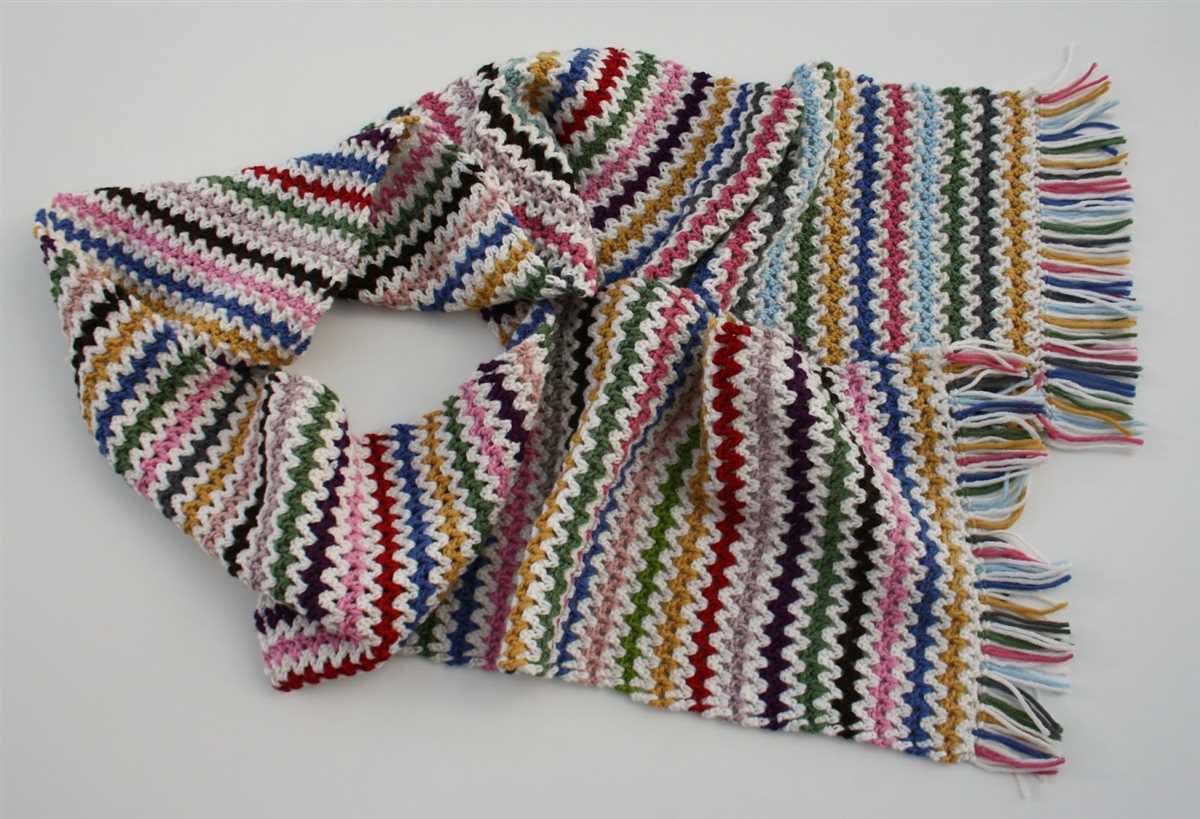
When working on your Chevron knit scarf pattern, it is important to pay attention to achieving professional edges. One technique that can help you achieve clean and polished edges is the Slip Stitch Selvage. The Slip Stitch Selvage creates a neat and tidy edge that prevents your work from unraveling and gives it a finished look.
To create the Slip Stitch Selvage, start by slipping the first stitch of every row purlwise, regardless of whether it is a knit or purl stitch. This means that instead of knitting or purling the first stitch as you normally would, you simply insert your right needle into the stitch as if to purl and slide it off the left needle. Then, continue working the rest of the row as instructed in the pattern.
Benefits of Slip Stitch Selvage:
- Prevents unraveling: The slipped stitches create a tight chain along the edge of your work, preventing it from unraveling or becoming loose over time.
- Gives a clean edge: The Slip Stitch Selvage creates a neat and even edge, making your finished project look more polished and professional.
- Easier seaming: If you plan on seaming your Chevron knit scarf, the Slip Stitch Selvage provides an easy and stable edge to work with, making the seaming process smoother and more seamless.
| Row | Stitches | Slip Stitch Selvage |
|---|---|---|
| 1 | K2, p2, k2 | Purlwise slip first stitch |
| 2 | P2, k2, p2 | Purlwise slip first stitch |
| 3 | K2, p2, k2 | Purlwise slip first stitch |
| 4 | P2, k2, p2 | Purlwise slip first stitch |
By incorporating the Slip Stitch Selvage into your Chevron knit scarf pattern, you can achieve professional and polished edges that will elevate your finished project. Don’t forget to practice the technique on a swatch before applying it to your main project to ensure you get the desired result. Happy knitting!
Customizing Your Chevron Knit Scarf: Adjusting the Width
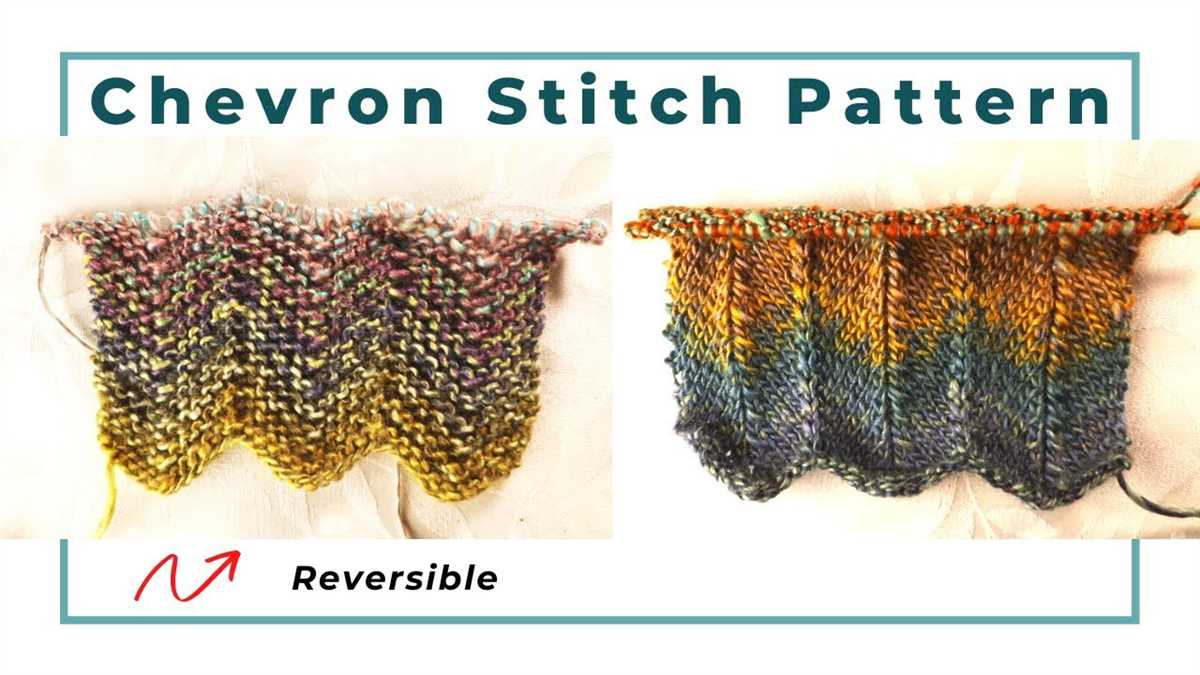
If you are planning to knit your own Chevron scarf, you might want to customize the width of the scarf to suit your preferences and needs. Adjusting the width of the scarf is a great way to personalize your project and make it uniquely yours. Here are a few tips on how to adjust the width of your Chevron knit scarf pattern.
1. Adding or Removing Stitches: The easiest way to adjust the width of your Chevron knit scarf is by adding or removing stitches. If you want a wider scarf, you can cast on more stitches at the beginning of your project. On the other hand, if you want a narrower scarf, you can cast on fewer stitches. Just keep in mind that adding or removing stitches will affect the overall size and drape of the scarf.
2. Changing the Yarn Weight: Another way to customize the width of your Chevron knit scarf is by changing the yarn weight. If you want a wider scarf, you can use a bulkier yarn, which will naturally create a larger fabric. Conversely, if you want a narrower scarf, you can use a lighter-weight yarn. Be sure to check the recommended gauge for the pattern and make any necessary adjustments when changing the yarn weight.
3. Modifying the Pattern: If you have a basic understanding of knitting patterns, you can modify the Chevron knit scarf pattern itself to adjust the width. You can add extra pattern repeats to make the scarf wider or remove a few repeats to make it narrower. Keep in mind that modifying the pattern may require some calculations and adjustments to ensure that the chevron pattern remains balanced.
4. Blocking: After you have finished knitting your Chevron scarf, you can also adjust the width through blocking. Blocking is a technique that involves wetting the finished knitting project and then gently stretching it to the desired size. This can help to even out any irregularities and adjust the width of the scarf if needed.
Remember, when customizing the width of your Chevron knit scarf, it’s important to keep track of any changes you make and make notes for future reference. By adjusting the width, you can create a Chevron scarf that is perfectly tailored to your style and preferences.
Adding Extra Warmth: Creating a Double-Knit Chevron Scarf
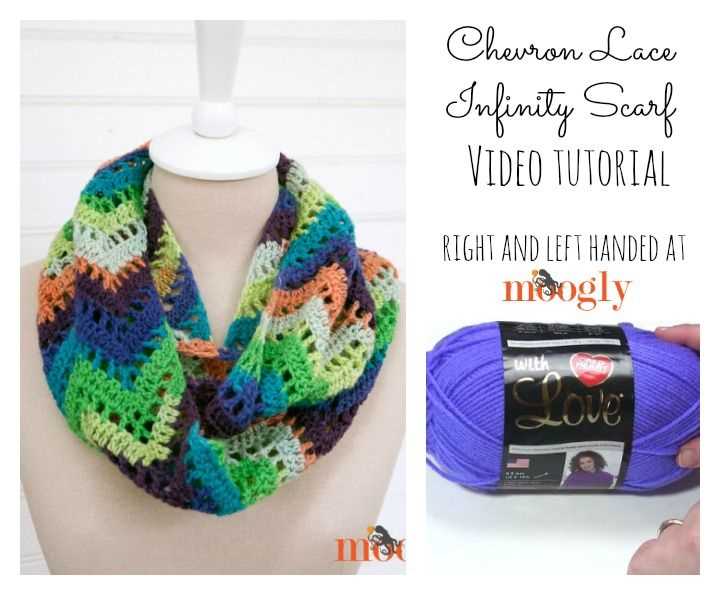
When the temperatures drop and winter sets in, there’s nothing better than wrapping yourself up in a cozy, warm scarf. But what if you could take that warmth to the next level? That’s where the double-knit chevron scarf comes in.
Traditionally, chevron patterns are created using a single-layer knitting technique. However, by employing the double-knit technique, you can add an extra layer of insulation to your scarf, making it even warmer and cozier.
So how exactly does double-knitting work? Instead of using just one strand of yarn, you’ll be working with two strands, one for the front fabric and one for the back fabric. By knitting both layers simultaneously, you’ll create a thick and dense fabric that not only provides extra warmth but also adds an eye-catching reversible design to your scarf.
To create a double-knit chevron scarf, you’ll need to be familiar with basic knitting techniques like casting on, knitting, and purling. The pattern itself follows a series of increases and decreases to create the chevron shape. By repeating these increases and decreases, you’ll create the iconic zigzag pattern that gives the scarf its unique look.
When choosing your yarn for a double-knit chevron scarf, opt for a bulky or chunky weight yarn to maximize the warmth and coziness. You can also experiment with different colors to create striking contrasting designs or use variegated yarn for a more subtle color gradient effect.
Whether you’re knitting for yourself or making a handmade gift for a loved one, a double-knit chevron scarf is sure to be a hit. With its added warmth and stylish design, it’s the perfect accessory for braving the cold winter months in style.
Adding Fringe or Tassels: Creating a Finishing Touch
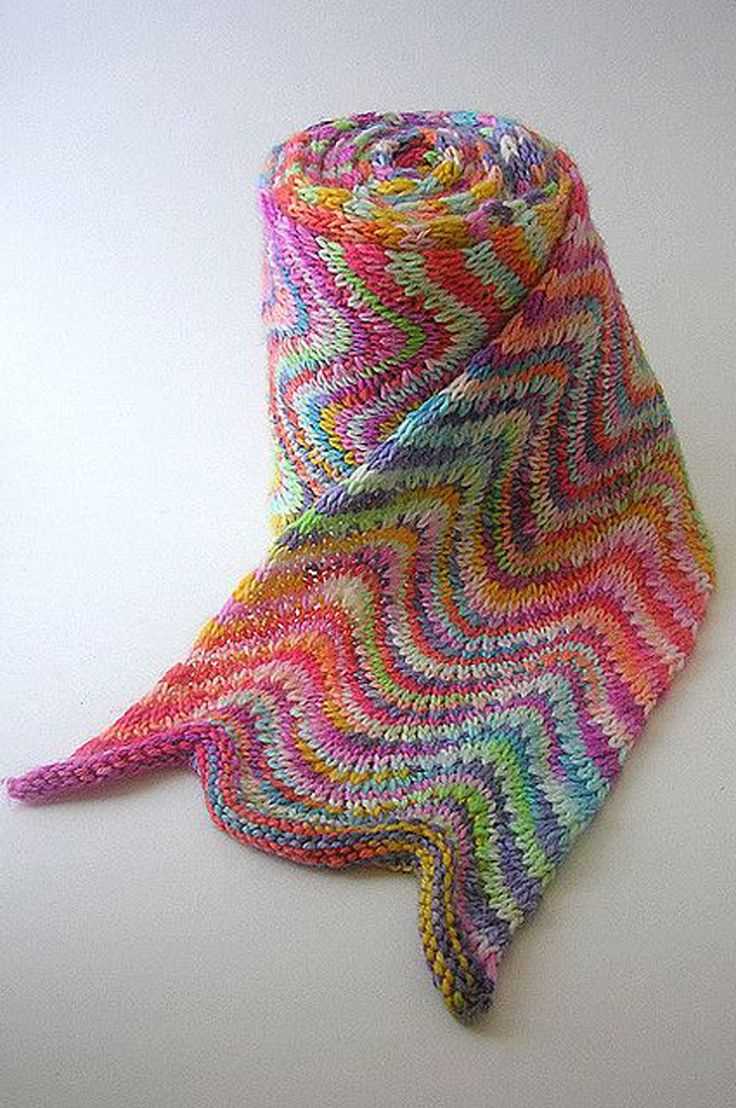
When it comes to finishing off your Chevron knit scarf, adding fringe or tassels can be a great option to give it an extra touch of style and personality. Fringe and tassels not only add visual interest to the scarf, but they also add a tactile element, making it more fun to wear.
There are various ways to add fringe or tassels to your Chevron knit scarf. One simple method is to use a crochet hook to attach pre-made tassels or fringe to the ends of the scarf. Simply insert the crochet hook through the edge of the scarf, catch the loop of the tassel or fringe, and pull it through. Repeat this process along the entire edge of both ends of the scarf, spacing the tassels or fringe evenly.
If you prefer to create your own fringe or tassels, you can do so by cutting lengths of yarn and attaching them to the ends of the scarf. To make fringe, cut several lengths of yarn, each approximately twice the desired length of the fringe. Fold each length of yarn in half, creating a loop. Insert the crochet hook through the edge of the scarf, catch the loop of the yarn, and pull it through. Repeat this process along the entire edge of both ends of the scarf, spacing the fringe evenly.
To make tassels, cut a length of yarn, approximately four times the desired length of the tassel. Fold the length of yarn in half and attach it to the edge of the scarf using a crochet hook, similar to the method described for pre-made tassels. Once the tassels or fringe are attached, you can trim them to your desired length for a polished finish.
Adding fringe or tassels to your Chevron knit scarf is a simple yet effective way to customize and elevate the overall look of your finished project. Whether you choose pre-made tassels or create your own fringe, this finishing touch will add a unique flair to your scarf and make it truly one-of-a-kind.
Blocking and Finishing Your Chevron Knit Scarf
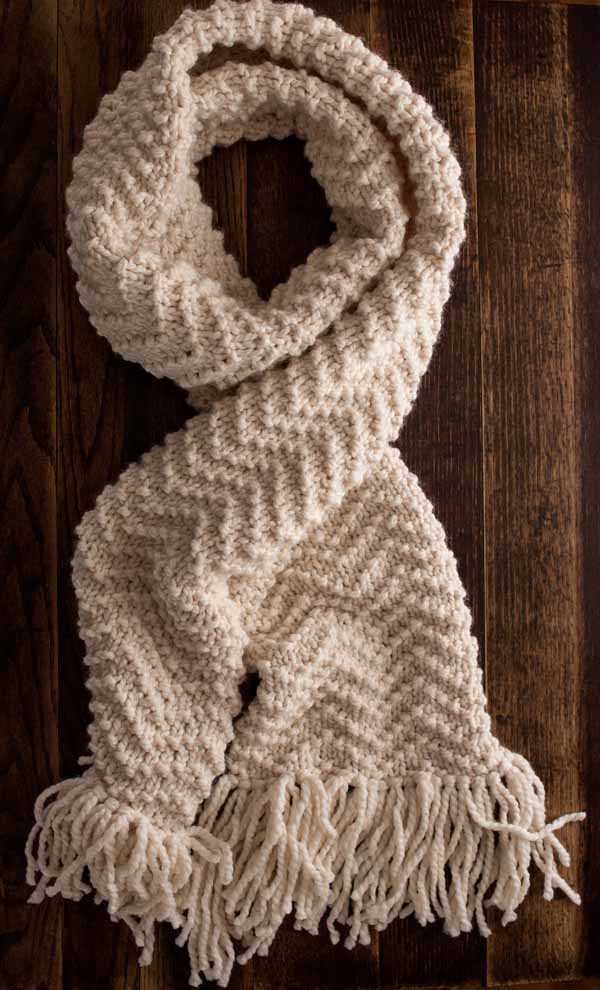
Once you have finished knitting your Chevron scarf, it is important to block and finish it properly to achieve the desired look and make it ready for wearing. Blocking is the process of shaping and smoothing the finished fabric by gently stretching and pinning it to the desired dimensions. This helps to even out any uneven stitches, open up lace patterns, and give the scarf a professional, finished appearance.
Here are the steps to block and finish your Chevron knit scarf:
- First, soak your knitted scarf in a basin or sink filled with cool water and a small amount of mild detergent. Gently squeeze the fabric to remove excess water.
- Next, lay the damp scarf flat on a clean towel and roll it up, pressing gently to remove any remaining water.
- Unroll the towel and carefully transfer the scarf to a blocking mat or a clean, dry towel.
- Using T-pins or blocking wires, begin shaping the scarf by stretching it lengthwise to achieve the desired length. Make sure to align the chevron pattern evenly.
- Pin the edges of the scarf to hold it in place, making sure to smooth out any wrinkles or puckering.
- Allow the scarf to dry completely in a well-ventilated area. This may take several hours or even overnight.
- Once the scarf is dry, unpin it and gently remove the T-pins or blocking wires.
- Finally, give the scarf a light steam or press on a low heat setting to further smooth out any remaining wrinkles or creases.
By following these steps, you will be able to block and finish your Chevron knit scarf to perfection. Not only will it enhance the overall appearance of your scarf, but it will also help it maintain its shape and drape beautifully when worn. Remember to handle the scarf gently throughout the blocking process to avoid stretching or distorting the fabric.
Styling and Wearing Your Chevron Knit Scarf: Endless Possibilities
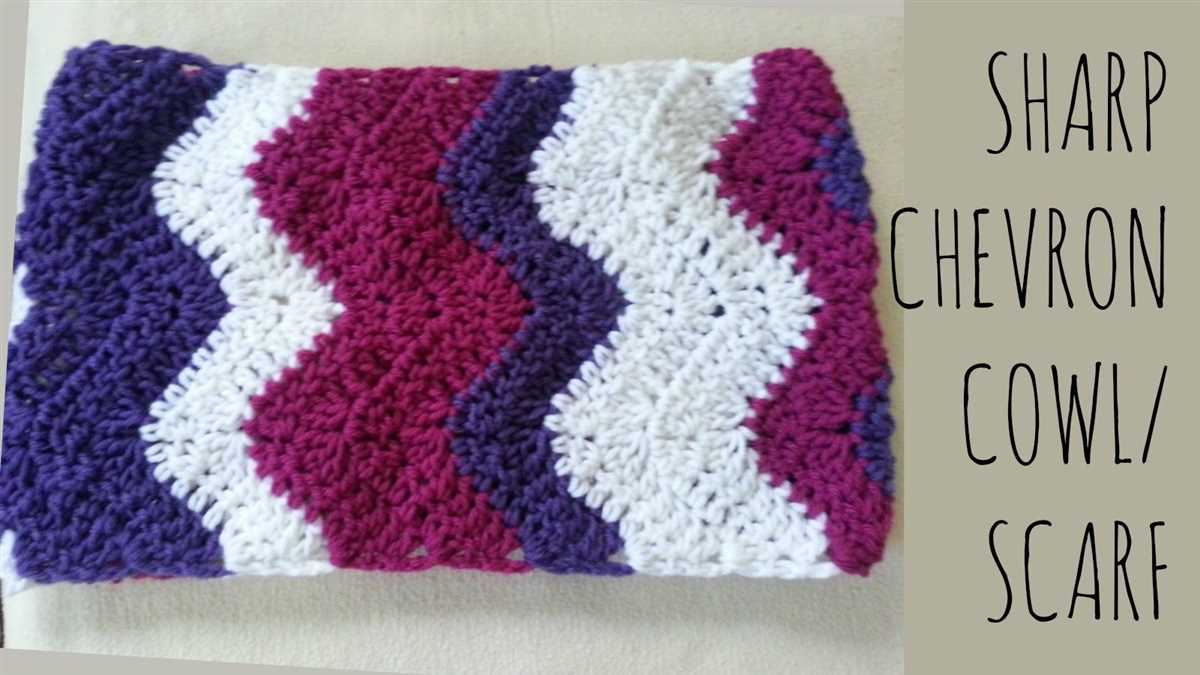
Now that you have completed your chevron knit scarf, it’s time to explore the various ways you can style and wear it. With its elegant design and beautiful colors, the possibilities are endless, allowing you to create different looks for different occasions. Here are some ideas to inspire you:
1. Classic Draped Look: Simply drape the scarf around your neck, allowing the chevron pattern to be visible. This timeless style can be worn with any outfit, from casual jeans and a sweater to a dressier ensemble.
2. Wrap and Tuck: For a cozy and stylish look, wrap the scarf around your neck once, and then tuck one end through the loop created. This creates a neat and polished appearance, perfect for a day at the office or a lunch date.
3. Loop and Twist: Add a touch of flair to your outfit by looping the scarf around your neck multiple times and then twisting the loops to create a textured effect. This technique works well with solid-colored outfits, allowing the scarf to become the focal point of your look.
4. Belted Styling: Take your scarf game to the next level by using a belt to secure the scarf around your waist. This transforms the scarf into a unique and eye-catching accessory, adding an extra layer of style to your outfit.
5. Handbag Accessory: Don’t limit yourself to wearing the scarf only around your neck. Experiment by tying it around the handle of your handbag, adding a pop of color and personality to your everyday accessory.
Remember to have fun with your chevron knit scarf and let your creativity shine. With its versatility and style, it can easily become a staple in your wardrobe, adding a cozy and fashionable touch to any outfit. Whether you’re heading to a winter brunch or a holiday gathering, your chevron knit scarf will keep you warm and stylish throughout the season.