Stunning Reversible Cable Knitting Patterns

Knitting is a centuries-old craft that has been passed down through generations. One of the most popular knitting techniques is cable knitting, which involves twisting stitches to create beautiful and intricate patterns. However, one drawback of traditional cable knitting is that the patterns are often only visible on one side of the fabric. This means that the wrong side of the fabric can look messy and unfinished.
Fortunately, there is a solution to this problem – reversible cable knitting patterns. Reversible cable patterns allow the intricate designs to be seen on both sides of the fabric, making them perfect for scarves, blankets, and other items that can be viewed from both sides. These patterns are achieved by cleverly combining cables with other stitches, such as ribbing or lace, to create a fabric that looks impressive no matter which way you turn it.
Reversible cable knitting patterns not only offer a more polished finish to your knitting projects, but they also provide additional warmth and coziness. The double-sided design creates an extra layer of insulation, making these patterns perfect for cold weather accessories. Additionally, reversible cable patterns add a touch of elegance and sophistication to any garment or home decor item.
Whether you’re a beginner or an experienced knitter, reversible cable patterns are a great way to challenge yourself and create something truly unique and eye-catching. So why settle for one-sided cables when you can have the best of both worlds with reversible cable knitting patterns?
Reversible Cable Knitting Patterns
Reversible cable knitting patterns are a popular choice for knitters who want to create garments and accessories that look great on both sides. These patterns feature cable stitches that are designed to look the same on the front and back of the fabric, so there is no wrong side. This is especially useful for items like scarves, shawls, and blankets that are often seen from both sides.
One of the advantages of using reversible cable knitting patterns is that they add an extra layer of texture and dimension to your knitting. The intricate twists and turns of the cables create beautiful patterns that stand out on any project. Whether you choose a simple, classic cable pattern or a more intricate design, the result is a visually interesting piece that is sure to impress.
There are many different types of reversible cable knitting patterns to choose from. Some patterns feature traditional cable stitches, while others incorporate lace or texture patterns to create unique and eye-catching designs. The choice of yarn and needle size can also make a difference in the final outcome of your project, so it’s important to experiment and find the combination that works best for you.
When working with reversible cable patterns, it’s important to pay attention to your stitch count and gauge. Because the cables are reversible, it’s easy to get off track if you’re not careful. Using stitch markers can help you keep track of your pattern and ensure that your cables line up correctly on both sides of your fabric.
In conclusion, reversible cable knitting patterns are a great option for knitters who want to create beautifully textured and visually interesting pieces that look great from any angle. Whether you’re a beginner or an experienced knitter, there is a wide variety of patterns available to suit your skill level and personal style. So grab your needles and yarn, and start creating your own reversible cable masterpieces!
Differences between reversible and non-reversible cable knitting patterns
When it comes to cable knitting patterns, there are two main types: reversible and non-reversible. The key difference between these two types lies in the appearance and construction of the cables.
Reversible cable knitting patterns
Reversible cable knitting patterns are designed in such a way that the cables look the same on both sides of the fabric. This means that no matter which side of the garment is facing out, the cables will be visible and appear the same. This is achieved by using special techniques, such as knitting cables without a background stitch or crossing the stitches in a specific way.
Reversible cable patterns offer a lot of versatility and are ideal for items like scarves, cowls, and blankets that might be seen from both sides. They are also great for items that might need to be reversible for practical or aesthetic reasons.
Non-reversible cable knitting patterns
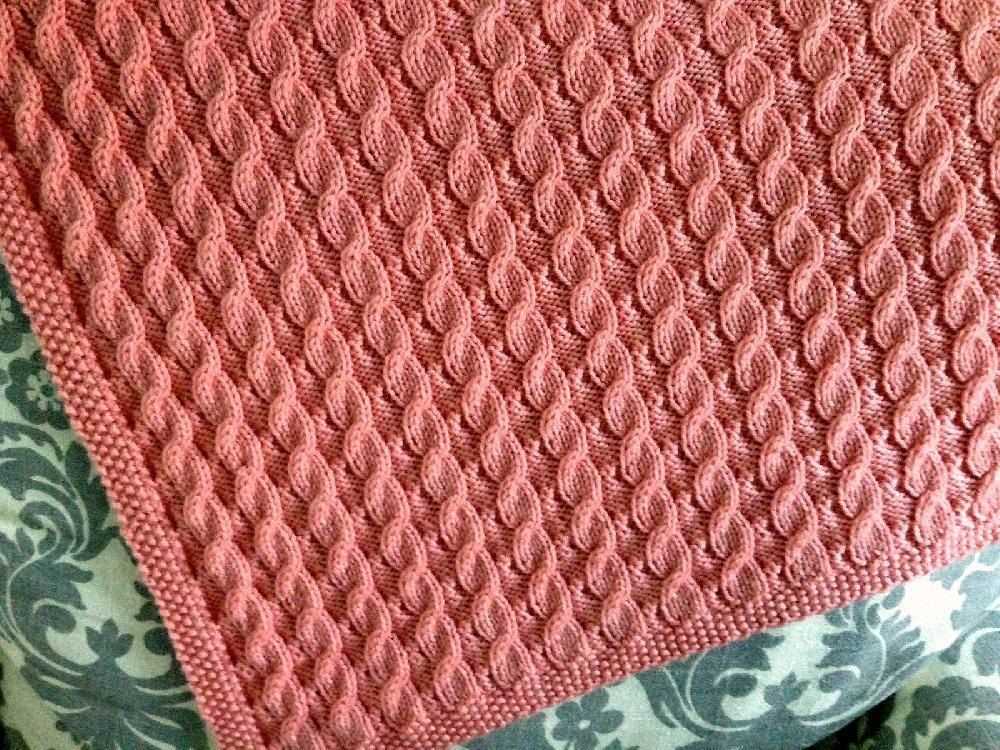
On the other hand, non-reversible cable knitting patterns have cables that look different on the right side and wrong side of the fabric. This is because the construction of the cables often involves using a background stitch that creates a specific texture or pattern on one side of the fabric.
Non-reversible cable patterns are commonly used for items like sweaters, cardigans, and hats where the wrong side of the fabric is not visible when worn. They offer unique and intricate cable designs that showcase the beauty of the cables on the right side of the fabric.
Advantages of reversible cable knitting patterns
Reversible cable knitting patterns offer a range of advantages for knitters who want to create beautiful and versatile garments and accessories. These patterns feature cables that look identical on both sides, allowing the finished piece to be worn with either side facing out. This means that the design and texture of the cables can be enjoyed from any angle, making reversible cable knitting patterns ideal for items like scarves, cowls, and blankets.
1. Versatility: One of the main advantages of reversible cable knitting patterns is their versatility. By creating cables that look the same on both sides, knitters have the flexibility to wear and style their finished pieces in different ways. This allows for more options when it comes to matching the garment or accessory with different outfits or occasions.
2. No wrong side: Another advantage of reversible cable knitting patterns is that there is no wrong side to the finished piece. Traditional cable knitting patterns usually have a distinct right side and a wrong side, with the wrong side being less visually appealing due to the way the cables are formed. In reversible cable knitting patterns, both sides are equally attractive, creating a more polished and professional-looking finished product.
3. Texture and depth: Reversible cable knitting patterns often feature complex and intricate cable designs, which add texture and depth to the finished piece. The cables create visually interesting patterns that stand out, making the garment or accessory more visually appealing. Whether it’s a chunky cable design or a delicate lace-like pattern, reversible cable knitting patterns allow knitters to showcase their skills and create unique and eye-catching pieces.
4. Easy to memorize: While some cable knitting patterns can be quite challenging to memorize due to the complex twists and turns of the cables, reversible cable knitting patterns tend to be easier to memorize. Since the cables are symmetrical and look the same on both sides, there are fewer variations and repeats to remember. This makes these patterns a great choice for knitters who want to create intricate-looking cable designs without having to constantly refer to a pattern or chart.
5. Warm and cozy: The intertwining cables in reversible cable knitting patterns create extra warmth and insulation in the finished piece. The twists and turns of the cables create small air pockets that trap heat, making reversible cable knitted garments and accessories particularly warm and cozy. This makes them perfect for cold weather or for anyone who wants to stay snug and stylish.
Overall, reversible cable knitting patterns offer knitters a range of benefits, including versatility, visual appeal, and warmth. Whether you’re a beginner or an experienced knitter, trying out a reversible cable knitting pattern can be a rewarding and enjoyable experience.
Tips for selecting the right yarn for reversible cable knitting patterns

When it comes to knitting reversible cable patterns, choosing the right yarn is essential to achieve the desired results. The yarn you choose can affect the overall look, feel, and drape of your finished project. Here are some tips to help you select the perfect yarn for your reversible cable knitting patterns:
Consider the fiber content
One of the first things to consider when selecting yarn for reversible cable knitting patterns is the fiber content. Different fibers have different properties that can impact the stitch definition, elasticity, and warmth of your project. Natural fibers such as merino wool, alpaca, and cashmere are popular choices for cables as they provide excellent stitch definition and drape. However, blends that include synthetic fibers can also be a good option for added durability and ease of care.
Look for a yarn with good stitch definition
Stitch definition is crucial when it comes to showcasing the intricate cables in reversible cable knitting patterns. Look for a yarn that has good stitch definition, meaning that the individual cables and twists will stand out clearly. Yarns with a smooth texture, such as a worsted weight or Aran weight yarn, are often recommended for cables as they help enhance the definition of the stitches.
Consider the weight of the yarn
The weight of the yarn can also impact your project. Heavier weight yarns, such as bulky or chunky yarns, can create bold and dramatic cables, while lighter weight yarns, such as fingering or sport weight, can result in more delicate and intricate cables. Consider the overall look and feel you want to achieve and choose a yarn weight that complements your desired outcome.
Check the yardage and gauge

Before making a final decision on your yarn, it is important to check the yardage and gauge recommended for your chosen reversible cable knitting pattern. Make sure the yarn you choose has enough yardage to complete the project and that it matches the pattern’s gauge requirements. This will ensure that your finished project will have the correct size and fit.
In conclusion, selecting the right yarn for reversible cable knitting patterns involves considering the fiber content, stitch definition, yarn weight, and matching the pattern’s yardage and gauge requirements. By taking these factors into account, you can choose a yarn that will enhance the beauty and functionality of your cables, resulting in a stunning finished project.
Essential tools for knitting reversible cable patterns
Knitting reversible cable patterns can be a fun and challenging project for knitters of all skill levels. To successfully create these beautiful patterns, it is important to have the right tools at your disposal. Here are some essential tools that every knitter should have when working on reversible cable knitting projects:
1. Cable needles
One of the most important tools for knitting reversible cable patterns is a set of cable needles. These needles have a curved or straight shape and help to hold stitches in place when creating cable twists. It is recommended to have a few different sizes of cable needles on hand to accommodate different thicknesses of yarn and cable patterns.
2. Stitch markers
Stitch markers are essential for keeping track of pattern repeats and cable placements. They can be used to mark the beginning and end of a cable section or to indicate where certain stitches should be worked. Using stitch markers can help prevent mistakes and make it easier to follow complex cable patterns.
3. Row counter
A row counter is a handy tool for keeping track of rows when knitting reversible cable patterns. It can be manually clicked after each row or attached to the knitting needle for easy access. This tool is especially useful when working on larger projects with multiple cable panels or when following intricate cable charts.
4. Blocking tools
Blocking tools, such as blocking mats and pins, are essential for finishing reversible cable knitting projects. Blocking helps to even out stitches, open up cable designs, and give the final project a polished look. Make sure to have a clean and flat surface to block your project on, as well as the necessary blocking tools to shape it according to the desired dimensions.
5. Cable pattern resources
Lastly, having access to cable pattern resources, such as books, magazines, or online tutorials, is essential when knitting reversible cable patterns. These resources can provide inspiration, guidance, and instructions for different cable designs and techniques. They can also help you understand the symbols and abbreviations commonly used in cable pattern charts.
With these essential tools at your disposal, you’ll be well-equipped to tackle any reversible cable knitting project with confidence and creativity. Remember to practice and take your time when working on intricate cable patterns, and soon you’ll be creating stunning reversible designs that are both beautiful and functional.
How to Read and Understand Reversible Cable Knitting Charts
Reversible cable knitting patterns feature intricate designs that look the same on both sides of the fabric. To successfully knit these patterns, it is essential to be able to read and understand the associated charts. Here are some steps to help you with this process.
1. Familiarize Yourself with the Cable Symbols
Reversible cable knitting charts use specific symbols to represent different cable stitches. The symbols typically include a combination of lines and numbers that indicate the direction and number of stitches involved in each cable. Before you start working on a pattern, make sure you understand the meaning of each symbol used.
2. Read the Chart from Right to Left
Reversible cable knitting charts are read from right to left, just like knitting patterns. The rightmost column of the chart represents the first stitch you need to knit, while the leftmost column represents the last stitch. Follow the symbols and their corresponding instructions as you move from right to left across each row.
3. Pay Attention to the Stitch Count
Each row in a reversible cable knitting chart has a specified stitch count. Make sure to count your stitches at the end of each row to ensure you have worked the correct number of stitches. This will help you maintain the pattern’s symmetry and prevent any errors from going unnoticed.
4. Use Highlighters or Row Counters
Highlighted or colored pencils can be useful tools for keeping track of your progress in a reversible cable knitting chart. You can use different colors to differentiate between different cable symbols or to mark completed rows. Alternatively, row counters can be attached to your knitting needles to help you stay organized and keep track of your progress.
5. Practice, Practice, Practice!

Reading and understanding reversible cable knitting charts can be challenging at first, but with practice, you will become more comfortable and confident. Start with simpler patterns and gradually work your way up to more complex designs. By regularly practicing and referring to charts, you will develop a better understanding of how the symbols translate into stitches.
By following these steps and dedicating some time to practice, you will become proficient in reading and understanding reversible cable knitting charts. This will open up a world of beautiful, reversible cable knitting patterns for you to explore and create.
Step-by-Step Instructions for Knitting a Simple Reversible Cable Pattern
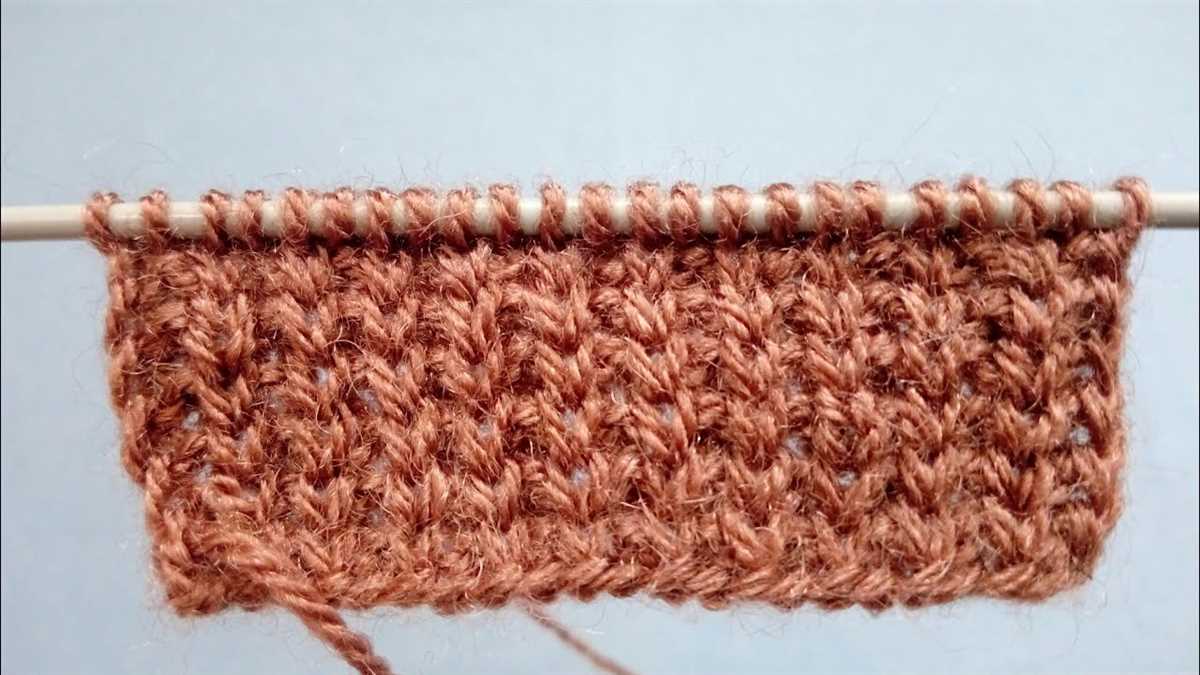
In this tutorial, we will guide you through the process of knitting a simple reversible cable pattern. This pattern is perfect for beginners who want to try their hand at cable knitting or for experienced knitters who are looking for a quick and easy project.
Materials:
- Yarn of your choice (worsted weight is recommended)
- Knitting needles appropriate for your yarn (check the label for recommended needle size)
- Cable needle
- Tapestry needle for weaving in ends
- Scissors
Instructions:
- Cast on an even number of stitches for your desired width. For example, you can cast on 20 stitches for a narrow scarf or 40 stitches for a wider blanket.
- Work a few rows in a basic stitch pattern, such as garter stitch or stockinette stitch, to create a border for your cable pattern.
- On the next row, begin the cable pattern. To do this, knit a few stitches in the border pattern, then switch to the cable pattern.
- For a simple reversible cable pattern, you can use a 2×2 cable. To create the cable, slip the first two stitches onto a cable needle and hold them in the back of your work.
- Knit the next two stitches from your left-hand needle, then knit the two stitches from the cable needle.
- Continue knitting according to the cable pattern, alternating between the cable stitches and the border stitches.
- Repeat these steps until you reach the desired length of your project.
- Finish your project with a few more rows of the border stitch pattern, then bind off your stitches.
- Weave in any loose ends using a tapestry needle.
Notes:
- When working the cable pattern, make sure to follow the instructions for your specific cable design. Some cable patterns may require more stitches or different techniques.
- If you’re new to cable knitting, it’s a good idea to practice on a swatch before diving into a larger project. This will help you get comfortable with the cable techniques and ensure that you understand the pattern instructions.
With these step-by-step instructions, you’ll be able to knit a simple reversible cable pattern with ease. Whether you’re knitting a scarf, blanket, or any other project, this versatile pattern is sure to impress!
Creative variations on traditional reversible cable knitting patterns
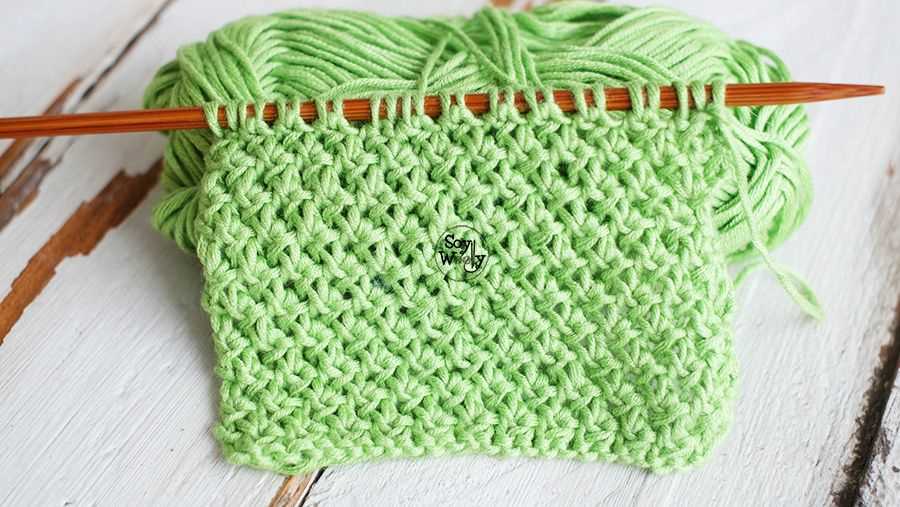
Reversible cable knitting patterns are a popular choice among knitters, as they allow for versatility and flexibility in design. While traditional cable patterns are beautiful, there are many creative variations that can be incorporated to bring a unique touch to your knitted projects. These variations can add depth, texture, and visual interest to your finished piece.
1. Lace and cable combination: One creative variation is to combine lace patterns with traditional cable designs. This creates a delicate and intricate look with the added dimension of cables. The lace and cable combination can be used in various ways, such as incorporating lace panels between cable panels or adding lace motifs within the cables themselves.
2. Asymmetrical cables: Instead of the typical symmetrical cables, you can experiment with asymmetric cable patterns. This involves working cables that vary in length, direction, and placement. Asymmetrical cables add an element of surprise and uniqueness to your knitting, making the pattern more visually engaging.
3. Interlocking cables: Interlocking cables are an interesting variation that creates a complex and visually captivating effect. This involves knitting cables that intertwine or cross over each other, creating a woven or braided appearance. Interlocking cables can be used on their own or combined with other cable patterns to add complexity and visual interest to your knitting.
4. Cable colorwork: Adding color to your reversible cable knitting patterns can create stunning and eye-catching designs. You can incorporate different colors into the cables themselves or use colorwork techniques, such as fair isle or intarsia, to create intricate motifs or designs within the cables. Cable colorwork allows you to experiment with different color combinations and create truly unique and personalized knitted pieces.
5. Textured cables: Texture is an important element in knitting, and adding textured cables to your reversible cable patterns can elevate the overall look and feel of your knitted projects. You can experiment with different stitch patterns, such as moss stitch or seed stitch, to create a textured backdrop for your cables. This combination of texture and cables adds depth and dimension to your knitting.
Incorporating these creative variations into your reversible cable knitting patterns allows you to personalize your projects and create truly unique and eye-catching designs. Whether you choose to combine lace and cables, experiment with asymmetry, interlock cables, add colorwork, or incorporate texture, the possibilities are endless. Let your creativity soar and create knitted masterpieces that are sure to impress.
Common Mistakes to Avoid When Knitting Reversible Cable Patterns
Reversible cable knitting patterns can create stunning and versatile designs, but they can also be challenging for knitters. To help you avoid common mistakes and achieve beautiful results, here are some tips to keep in mind:
1. Using the wrong cable needle size:

When knitting reversible cable patterns, it’s important to choose the correct size of cable needle. Using a needle that is too small can make it difficult to slide the stitches onto the cable and can result in distorted cables. On the other hand, using a needle that is too large can make the cables look loose and sloppy. Make sure to use a cable needle that is the right size for your yarn and desired gauge.
2. Failing to read cable charts correctly:
Many reversible cable patterns include charts that show the stitch pattern and cable crossings. It’s important to take the time to read and understand these charts before you start knitting. Misreading or misinterpreting a cable chart can lead to mistakes in the cable pattern and result in a less reversible design. Take the time to study the chart and any accompanying instructions before you begin.
3. Not keeping track of cable row counts:
Reversible cable patterns often require you to keep track of the number of rows between cable crossings. It’s easy to get distracted and lose count, which can result in uneven or misplaced cables. To avoid this mistake, use a row counter or place markers in your knitting to help you keep track of your progress and the number of rows since the last cable crossing.
4. Not blocking your finished project:
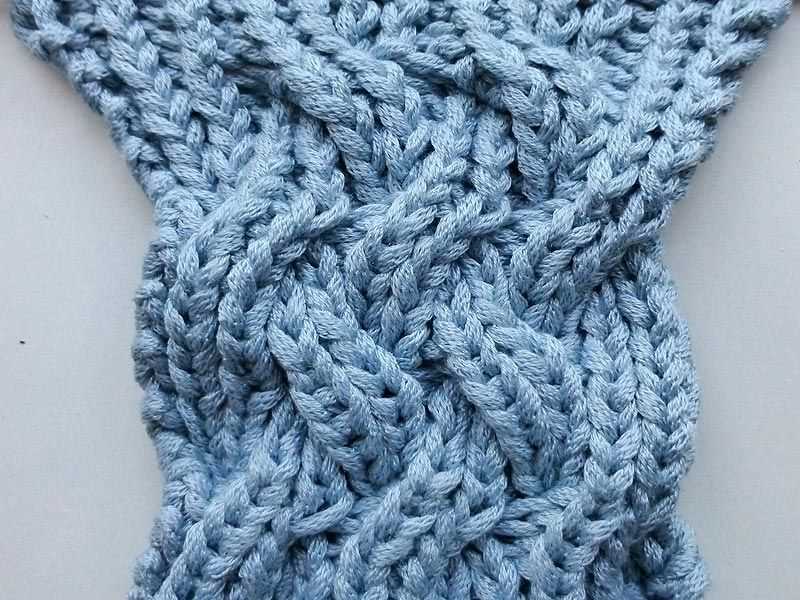
Blocking is an essential step in knitting reversible cable patterns. It helps to even out the stitches, open up the cables, and give the final project a polished and professional appearance. Failing to block your finished project can result in a less defined cable pattern and a less finished look. Take the time to block your project according to the yarn’s recommended method to showcase the beauty of your reversible cables.
By avoiding these common mistakes, you can confidently knit reversible cable patterns and create stunning and versatile designs.
Ideas for incorporating reversible cable patterns into different knitting projects

Reversible cable knitting patterns are a versatile way to add texture and interest to a variety of knitting projects. Whether you’re working on a scarf, hat, or even a sweater, there are endless possibilities for incorporating reversible cable patterns into your designs. The reversible nature of these patterns adds an extra layer of complexity and visual appeal to your knitting, making them perfect for creating unique and eye-catching pieces.
Scarves: One of the most popular ways to use reversible cable patterns is in scarves. By incorporating a reversible cable pattern into your scarf design, you can create a versatile and stylish accessory that looks great from any angle. Whether you choose a simple cable pattern or a more intricate design, the reversible nature of the pattern ensures that your scarf will look just as good on the wrong side as it does on the right side.
Hats: Another great way to incorporate reversible cable patterns into your knitting projects is in hats. A reversible cable pattern can add visual interest and texture to an otherwise plain hat, making it a standout piece. You can choose to incorporate the cable pattern throughout the entire hat or just on a portion of it, depending on your preference. Either way, the reversible nature of the pattern will ensure that your hat looks great no matter which way you wear it.
Sweaters: If you’re feeling adventurous, you can even incorporate reversible cable patterns into your sweater designs. Whether you choose to add a cable panel down the front or back of the sweater, or incorporate cables throughout the entire design, the reversible nature of the pattern will ensure that your sweater looks stunning from any angle. This can be a great way to add an extra touch of sophistication and style to your knitting projects.
Incorporating reversible cable patterns into your knitting projects allows you to create unique and visually appealing pieces. Whether you choose to add them to scarves, hats, or even sweaters, the reversible nature of these patterns ensures that your finished piece will look great from any angle. So why not give reversible cable knitting patterns a try and see the stunning results for yourself?
Resources for finding reversible cable knitting patterns and inspiration

If you’re looking to try your hand at reversible cable knitting patterns, there are several resources available to help you find patterns and gain inspiration. Whether you’re a beginner or an experienced knitter, these resources offer a variety of options to suit your skill level and preferences.
1. Knitting websites and blogs: Many knitting websites and blogs feature collections of knitting patterns, including reversible cable patterns. Websites like Ravelry, Knitty, and LoveKnitting have extensive pattern databases that are easily searchable. You can browse through their collection of reversible cable patterns and filter the results based on difficulty level, yarn weight, and more. Additionally, many knitting bloggers share their own patterns and offer tutorials, making it easier for you to find and create your reversible cable knitting project.
2. Knitting magazines: Knitting magazines often feature reversible cable knitting patterns in their issues. You can browse through recent issues or search their online archives to find patterns that pique your interest. Magazines like Knitscene, Vogue Knitting, and Interweave Knits are known for their diverse selection of patterns and provide a great source of inspiration for reversible cable knitting projects.
3. Knitting books: There are numerous knitting books dedicated to cable knitting, some of which focus specifically on reversible cable patterns. Books like “The Cable Knitting Handbook” by Lesley Stanfield and “The Knitting All Around Stitch Dictionary” by Wendy Bernard can provide detailed instructions and charts for a variety of reversible cable patterns. These books often include step-by-step instructions, making them suitable for knitters of all skill levels.
4. Knitting classes and workshops: If you prefer a more hands-on approach, consider taking a knitting class or workshop that teaches reversible cable knitting. Local yarn shops often offer classes on specific knitting techniques, including cable knitting. Alternatively, you can search for online knitting courses or workshops that provide video tutorials and instructions for reversible cable patterns.
- Overall, there are plenty of resources available for finding reversible cable knitting patterns and gaining inspiration. Whether you prefer digital sources like knitting websites and blogs or enjoy the tactile experience of knitting books, there is something for everyone. Exploring these resources will not only help you find patterns, but also expand your knowledge and skills in reversible cable knitting.